





































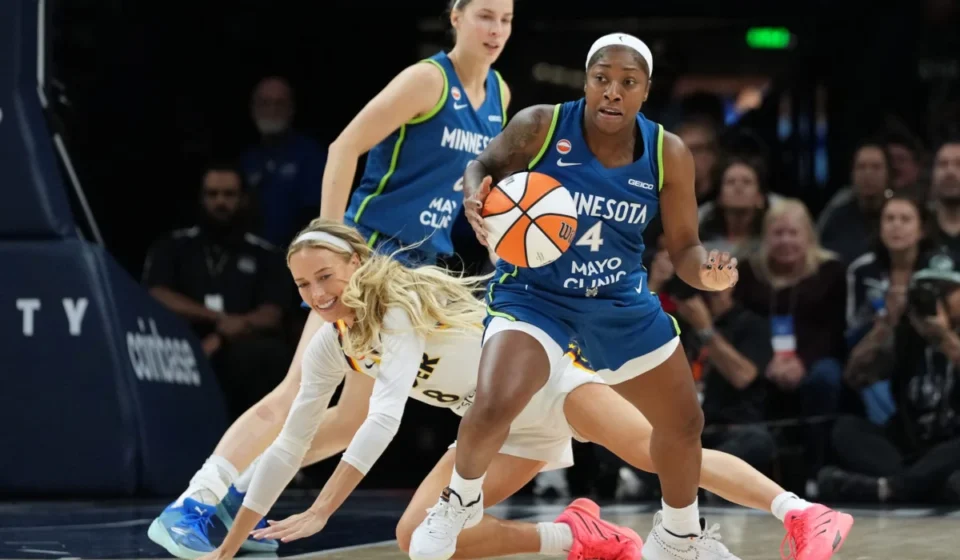
A Season of Highs, Lows, and High Stakes: The Minnesota Lynx Enter the Postseason at a Crossroads

As the Minnesota Lynx prepare for their first-round playoff series against the New York Liberty, the atmosphere surrounding the franchise is one of cautious, palpable anxiety. It is a sentiment that reverberates from the front office down to the local sports bars, where fans are trying to reconcile the team’s historic road dominance with a late-season defensive slide that has left even the most optimistic supporters questioning the team’s championship ceiling.
For the Lynx (33-11), the path to the 2026 playoffs has been anything but linear. After a seven-week stretch of near-invincibility that saw them win 16 of 17 games, the team hit a wall, dropping four of their final five regular-season contests. This volatility has sparked a national conversation about whether Minnesota is a true contender for their fifth WNBA title or a team running on fumes as the intensity of the postseason arrives.
The State of the Franchise: A Brief Chronology of Turbulence
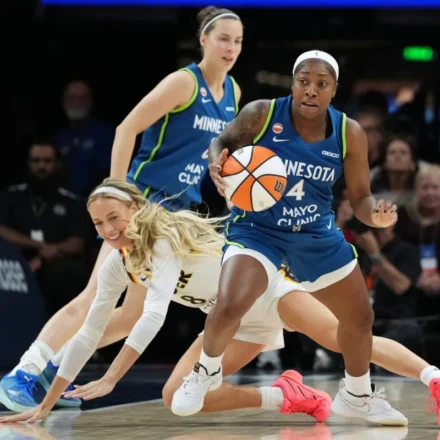
To understand the current mood in Minneapolis, one must look at the timeline of the last few weeks. The Lynx entered the post-FIBA World Cup break with momentum, yet they immediately faltered on September 18 against the New York Liberty. That loss was the catalyst for a broader panic, as New York’s defensive pressure rattled Minnesota, exposing vulnerabilities in ball-handling and perimeter containment.
The anxiety reached a fever pitch last Tuesday in Indianapolis. Without rookie sensation Olivia Miles—sidelined by a strained left calf—the Lynx delivered what captain Napheesa Collier described as an "embarrassing" performance. The 96-77 blowout loss was so disjointed that head coach Cheryl Reeve made the rare and drastic decision to bench her starters halfway through the second quarter, effectively forfeiting the game to send a message.
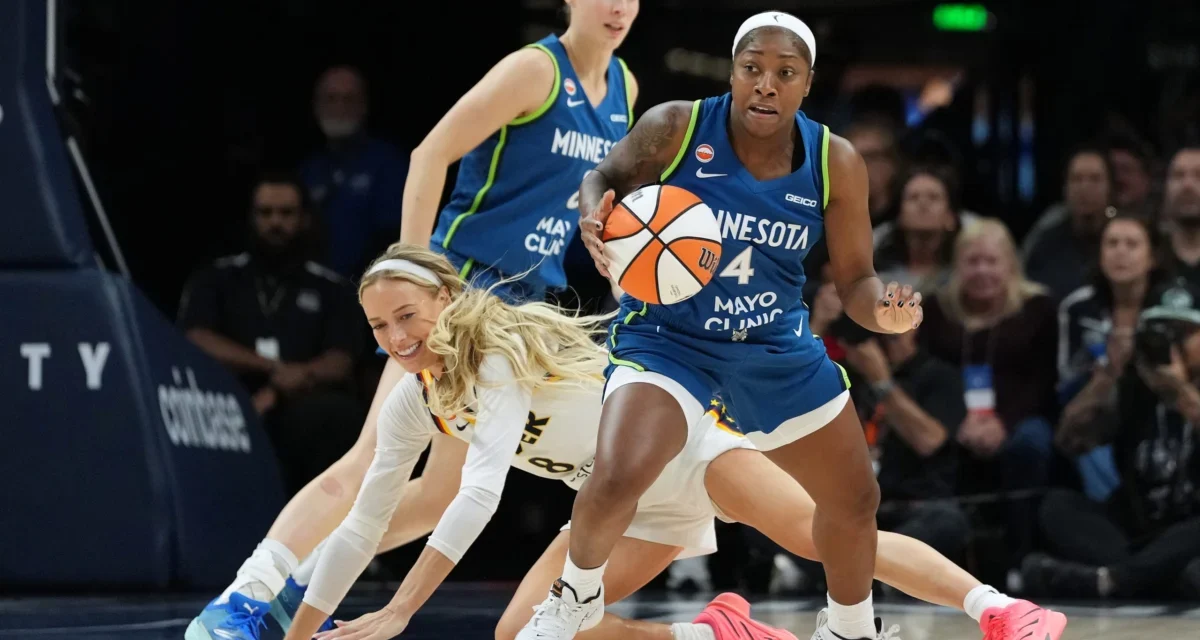
However, the volatility of this season was on full display just 48 hours later. On Fan Appreciation Night at the Target Center, the Lynx dismantled that same Fever team in a 86-66 rout. By jumping out to a 25-4 lead in the first eight minutes, the team reminded the league why they secured the No. 1 seed—an honor they ultimately clinched when Golden State lost in overtime to Portland later that same evening.
Defensive Identity: The Missing Piece of the Puzzle
At the heart of the "Reeve Era" has always been a defensive philosophy centered on the 40% shooting threshold. Since 2010, the Lynx have maintained an astounding 185-9 record when holding opponents below 40% from the field. It is a benchmark that, until recently, served as the team’s defensive North Star.
The current struggle is underscored by a startling statistic: in the 24 games played between June 28 and the final week of the season, the Lynx held opponents under that 40% mark only once. This defensive regression has seen the team slide from first to fourth in league defensive rating—a trend that is unsustainable for a team with title aspirations.

"I’ve really spent a lot of time trying to figure that out," Coach Reeve admitted. The combination of a league-wide offensive surge and a thin bench rotation has forced the starting unit to play heavy minutes, leading to fatigue that manifests in late-game defensive lapses. Against Indiana on Thursday, however, the team held the Fever to 34.2% shooting, providing a much-needed confidence boost. "It felt good to play cohesively for the first time in a while," said Kayla McBride, who ignited the victory with six three-pointers.
The Home Court Paradox
Perhaps the most perplexing narrative of the 2026 season is the disparity between the Lynx’s road and home records. Typically, a championship-caliber team uses its home arena as a fortress. While the Lynx went an incredible 18-4 on the road—setting a new WNBA record for road victories—their 15-7 home record is, by their own admission, underwhelming.
Historically, the Lynx’s championship years were defined by home-court dominance. In 2013, they went 15-2 at home; in 2017, they were 15-2. This year, the team frequently held fourth-quarter leads at Target Center only to let them slip away.
"It sucks to have the record we do at home," Reeve said candidly. "We’re not satisfied with that remotely."
This frustration is compounded by the fact that the Target Center has never been more vibrant. The team recorded 19 crowds of over 10,000 this season, a franchise record that speaks to the meteoric rise of the WNBA’s popularity. With the upper level opened for every game, the team has benefited from the "Caitlin Clark/Angel Reese effect," which has brought a new, younger, and louder demographic to the arena. Despite this record-breaking support, the team has struggled to reward that energy with consistent closing performances.
Official Perspectives and Tactical Realities
Coach Cheryl Reeve, known for her no-nonsense approach to media and accountability, has been vocal about the team’s need to "get back to their identity." The decision to bench her core players during the Indiana loss was a tactical move designed to prioritize team standards over immediate results.
"We should be disappointed and embarrassed about the product that we put on the floor tonight," Collier said following the loss. "These things cannot happen. We had just met about the things we want to get done in the postseason, and we didn’t do any of these things."

The leadership of the team—Collier, McBride, and Natasha Howard—has taken ownership of the recent defensive slump. As they head into the first round, the focus has shifted entirely to execution. The rematch against the New York Liberty is particularly poignant, as it evokes the bitterness of the 2024 finals. The Liberty, despite entering as a No. 8 seed, boast 26 wins and a roster built for playoff physicality, featuring superstars Breanna Stewart and Sabrina Ionescu.
Implications for the Postseason
As the bracket resets for the playoffs, the parity in the league is at an all-time high. The fact that a 26-win team like New York is seeded eighth is a testament to the depth of the 2026 field. Experts and coaches alike agree that this is the most wide-open playoff race in league history.
"I don’t think anybody should be surprised by any outcomes," Reeve noted. "I wouldn’t be surprised by anything, because I think all the teams are that good."
For the Lynx, the implications are clear: the regular season, with its records and its funk, is now ancient history. The team’s ability to lock in defensively will be the primary factor in whether they can overcome the Liberty. If they can replicate the defensive intensity they displayed in Thursday’s regular-season finale—limiting high-percentage shots and maintaining focus for the full 48 minutes—they remain the team to beat.
However, the "worried" fan at the neighborhood sports bar is tapping into a genuine reality: the margin for error has evaporated. The Lynx have proven they can be the best team in the league on any given night, but they have also proven they can be beaten when their intensity wavers. As the postseason begins this Sunday, the question is no longer about regular-season records or attendance figures. It is about whether this group can synthesize their championship experience and their high-octane offense with the grit required to navigate a grueling, best-of-three series.
The road to the fifth title begins at home, but for the Minnesota Lynx, the path forward will require them to turn their home court into the fortress it once was, and their defense into the suffocating force that built their dynasty. The window is open, the target is on their back, and the basketball world is watching to see if the Lynx can reclaim their crown in a league that has grown faster and stronger than ever before.