
























































In the quiet transition between the frantic energy of summer and the stark, hushed slumber of winter, there exists a brief, golden window in coastal Maine. It is a time when the crowds of Kennebunkport dissipate, leaving behind a landscape bathed in amber light and crisp, pine-scented air. Hidden Pond, a 60-acre sanctuary nestled deep in the Maine woods, serves as the ultimate backdrop for this seasonal pivot. More than just a luxury resort, the property feels like an elevated adult summer camp—a place where the stresses of modern life are traded for golf-cart commutes, campfire stories, and the restorative silence of the trees.
Main Facts: A Woodland Refuge in Kennebunkport
Hidden Pond is a 46-unit boutique resort offering a collection of two-story cottages, one-bedroom bungalows, and standalone residences. The property recently underwent a comprehensive design refresh by the Providence-based Superette Studio, which reimagined the interiors into two distinct aesthetic narratives: the "Coastal" suite, reflecting the nearby Atlantic’s palette, and the "Woodlands" suite, a moodier, earthier interpretation of the Maine forest.
The resort is not merely a place to sleep; it is a curated ecosystem of wellness and gastronomy. With its on-site Tree Spa, farm-to-table restaurant Earth, and a full calendar of guest programming—ranging from watercolor painting and mixology workshops to morning yoga in the organic garden—Hidden Pond prioritizes the "slow travel" movement. The property operates seasonally, welcoming guests from the spring thaw until the final days of October, when the chill of winter forces a temporary closure.
A Sanctuary of Design and Comfort
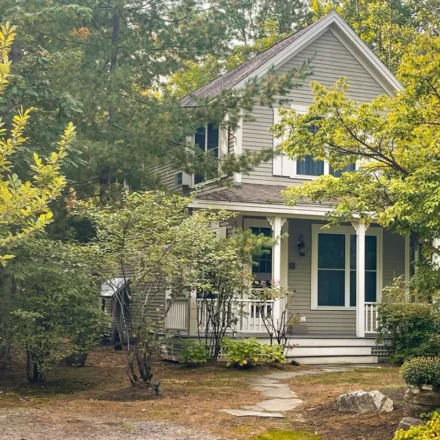
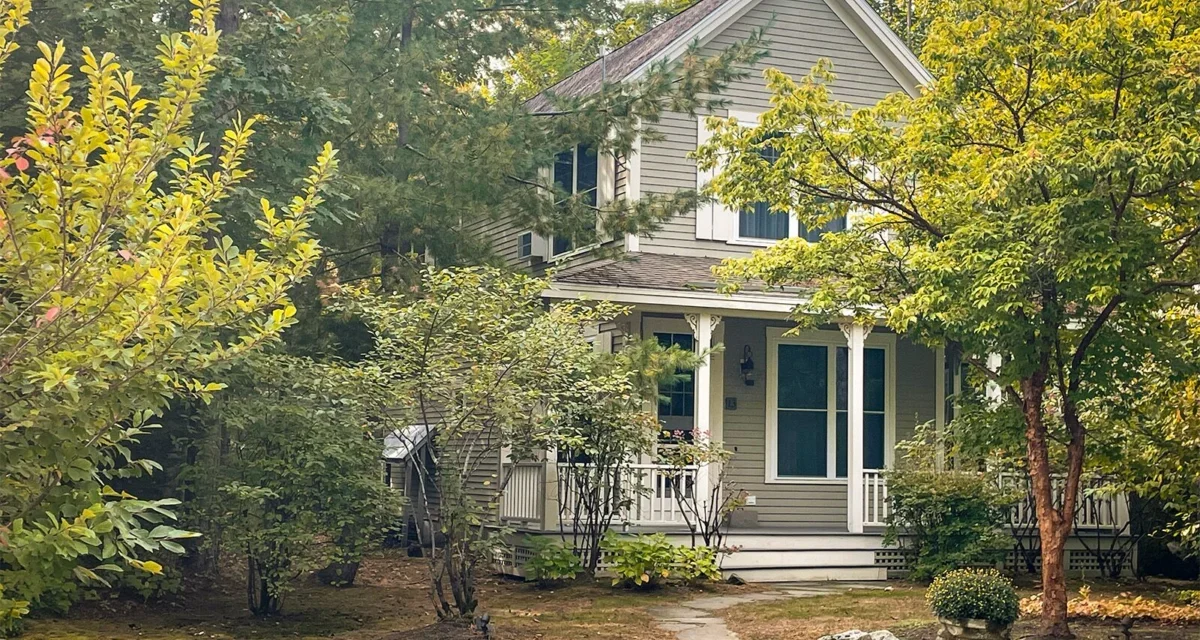
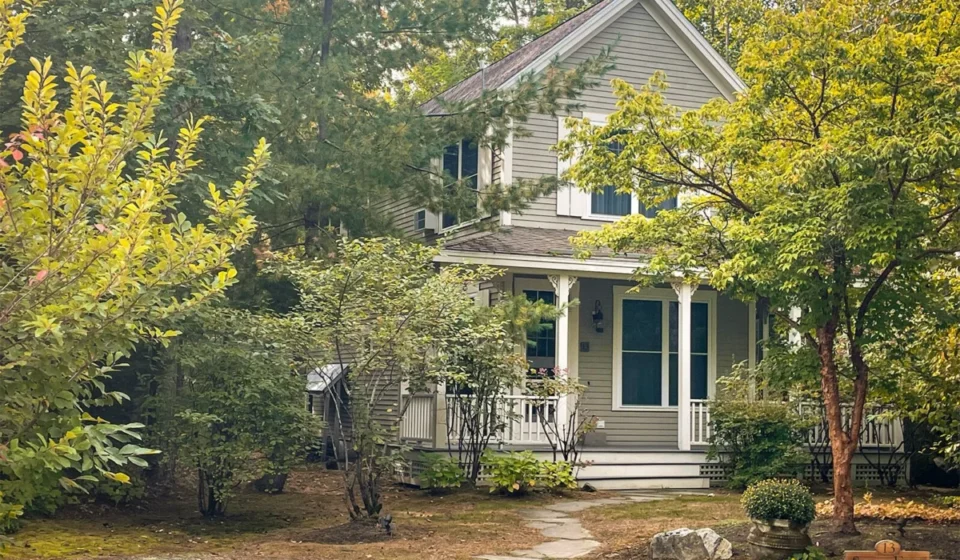
The cottages at Hidden Pond defy the traditional hotel experience, opting instead for the intimacy of a private home. During my stay, I occupied a woodland-themed cottage that felt less like a rental and more like a secluded retreat. The interior palette leans heavily into mossy greens, bark-inspired browns, and rich, heritage-inspired textiles, echoing the William Morris fabrics that lend the space a timeless, rustic elegance.
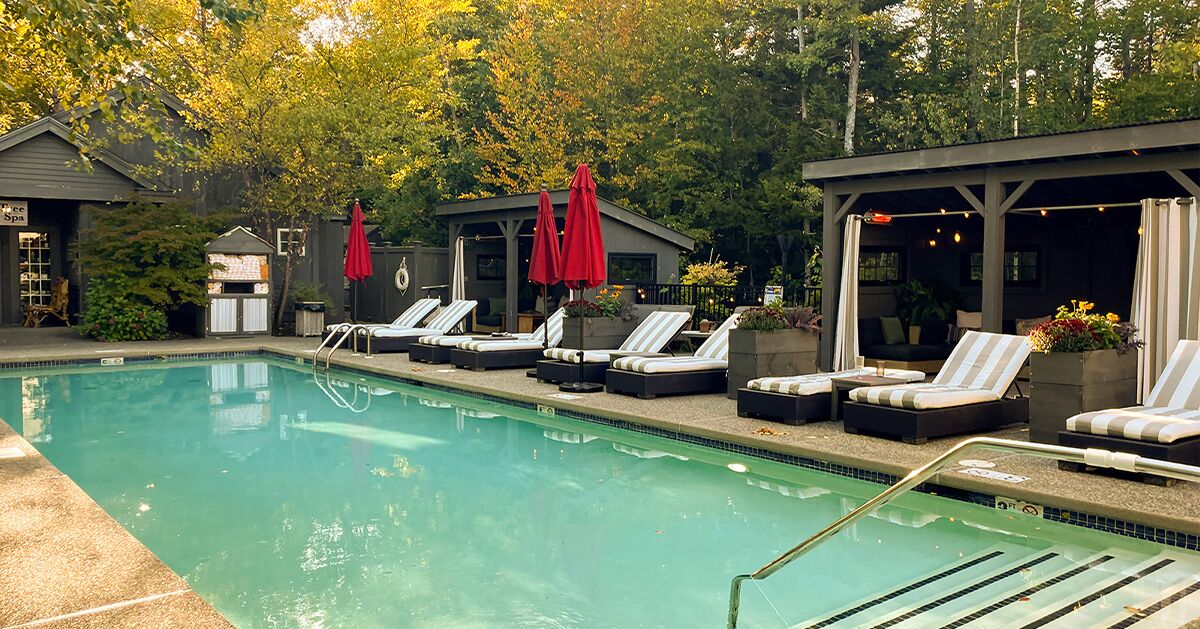
The architecture maximizes the surrounding environment. The screened-in porch, adorned with a whimsical pink daybed swing, creates a permeable boundary between the living space and the birch-filled woods. Inside, the design choices are as functional as they are aesthetic: a curtained "nap nook" tucked beneath the staircase offers a cozy, book-lined refuge, while the kitchen comes pre-stocked with local dairy and essentials.
The sensory experience is perhaps best realized in the outdoor showers. Tucked behind the cottage, shielded by the canopy, the shower serves as a private ritual. Bathing in the mid-morning sun, surrounded by the scent of pine and the cool, sharp breeze, one is reminded of the quintessential Maine experience. It is a nostalgic sensory trigger—a callback to the rugged, unfiltered beauty of the North Atlantic coast that remains unchanged by the passing of decades.
Chronology: A Weekend of Seasonal Transition
Day One: The Arrival and the Earth Experience
Upon arrival, the property’s transport of choice—the golf cart—becomes the primary mode of navigation. Moving through the winding dirt roads of the estate, the resort feels expansive yet contained. The first evening begins at the campfire pit, where the transition from day to dusk is marked by the lighting of torches around the resort’s namesake pond.
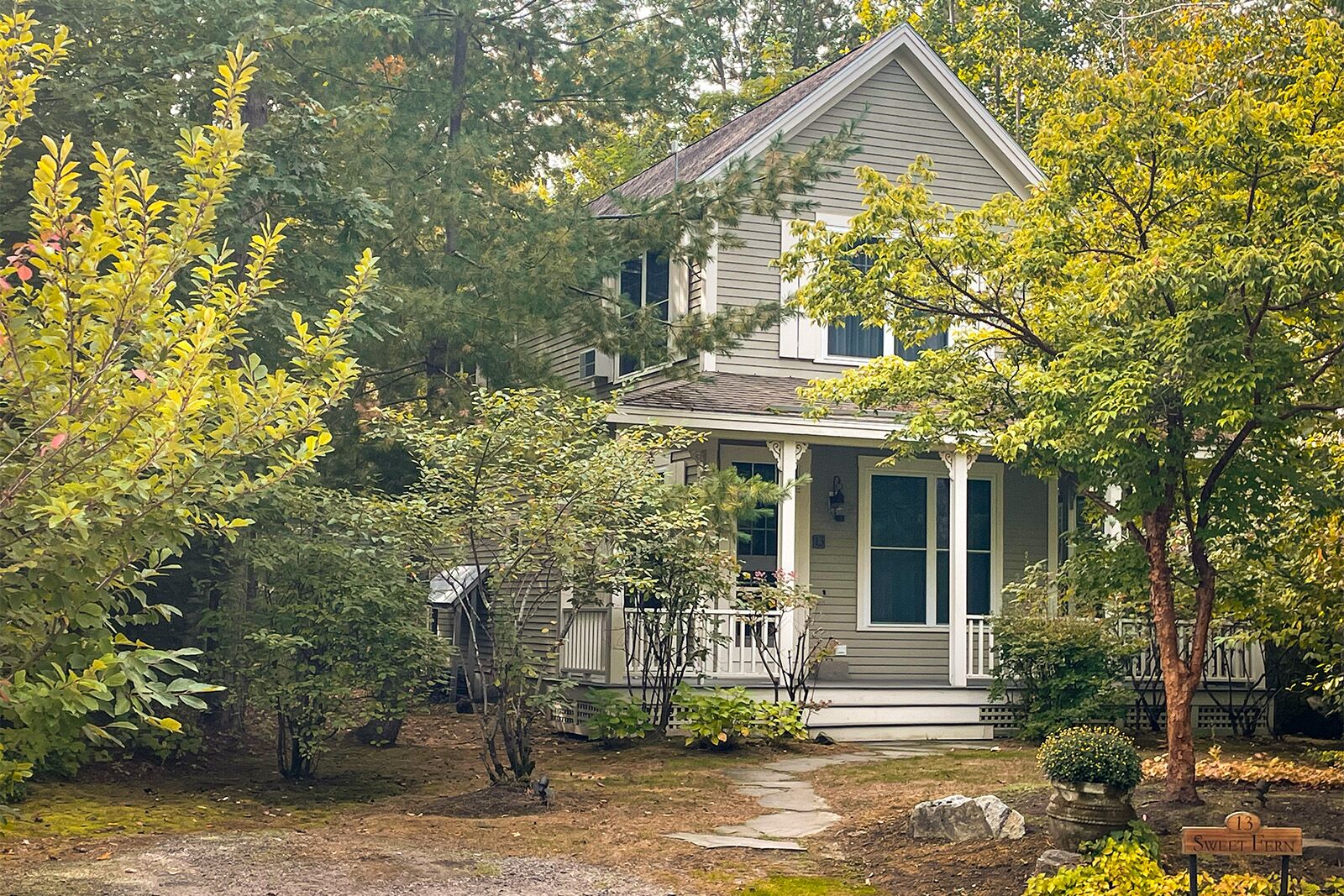
Dinner at Earth is a multi-sensory affair. The restaurant, which remains open to the public year-round, is an architectural marvel of exposed beams and high-ceilinged rustic charm. A centerpiece—an upside-down apple tree trunk illuminated by twinkling lights—hangs above the dining room, grounding the space in the "earth" element. Under the guidance of Executive Chef Justin Owen, the menu is a masterclass in regional seasonal cooking. From honey-glazed carrots harvested on-site to the indulgent Maine lobster roll elevated with uni, caviar, and Portuguese butter, the meal is a testament to the bounty of the Maine coast.
Day Two: Wellness and Reconnection
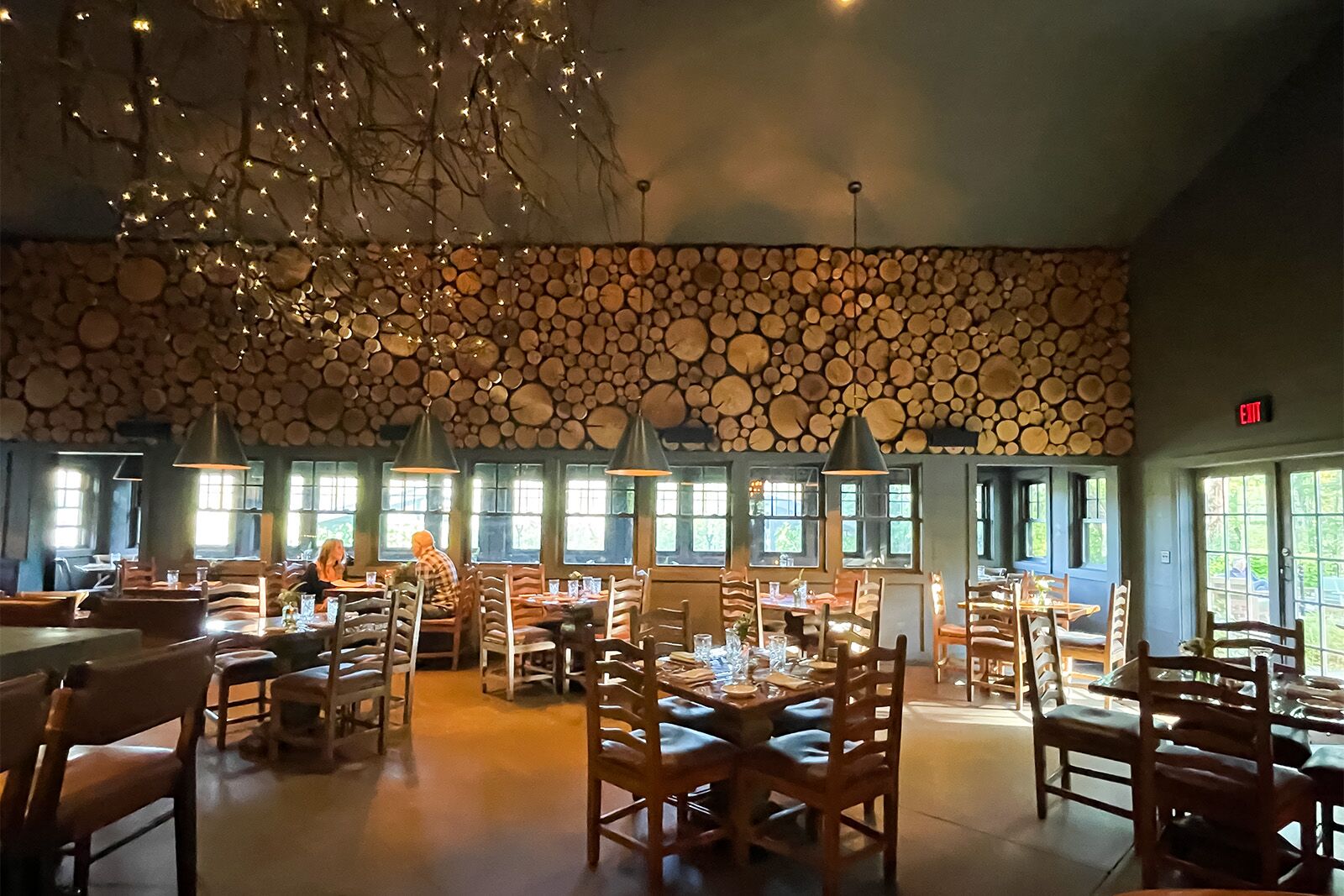
The following morning begins with a delivery of coffee and gluten-free muffins left on the cottage door—a small, thoughtful touch that defines the resort’s hospitality philosophy. The day follows a rhythmic, restorative schedule: outdoor yoga in the vegetable garden, a session at the Tree Spa, and an afternoon watercolor class.
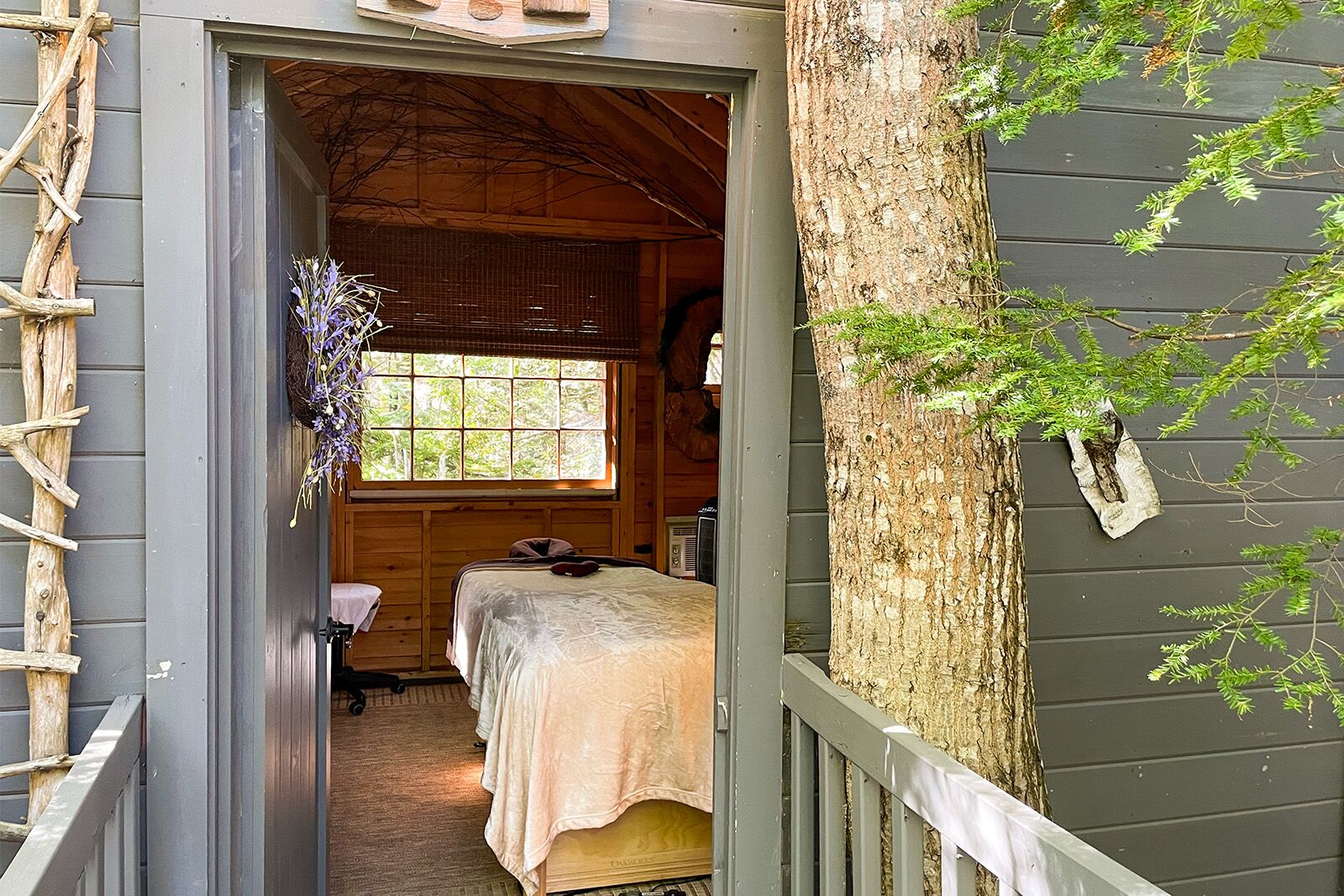
The highlight of the afternoon is the pool. Heated to a consistent 82 degrees, the water remains an inviting oasis even as the ambient temperature drops. The day concludes with a visit to the sister property, The Tides Beach Club on Goose Rocks Beach. The contrast between the two is striking: where Hidden Pond is rustic and grounded, The Tides is an infusion of old-world Miami glamour. Here, sitting at a marble bar under Art Deco mirrors, the transition to autumn feels complete. Conversations with fellow guests flow easily, fueled by chowder and the shared relief of having disconnected from the digital world.
Supporting Data: The Logistics of the Escape
Hidden Pond’s accessibility is a key factor in its popularity among travelers from the Northeast. Located just 4 to 5 miles from the heart of downtown Kennebunkport, the property is a manageable drive for those in major metropolitan hubs.
- From Boston: A straightforward 1.5 to 2-hour drive.
- From New York City: A 5 to 6-hour journey, subject to regional traffic.
- By Air: The Portland International Jetport (PWM) is the primary gateway, located approximately 35 to 40 minutes away. Private shuttles and car rentals are standard for the final leg of the journey.
The property’s commitment to year-round operations for its restaurant, Earth, provides a vital touchpoint for the local community, keeping the site active even when the guest cottages go dormant at the end of October.
Official Responses: A Philosophy of Hospitality
In discussions with the property’s management, including General Manager Melissa Sheffer, it becomes clear that the resort’s programming is intentional. The goal is not just to provide a room, but to facilitate "reconnection." Whether through the mixology classes—where guests learn the art of the perfect, briny martini—or the communal nature of the campfire, the objective is to force a slowing of the heart rate.
"The classes encourage guests to slow down, enjoy trying something fun, and reconnect with themselves and others," says the management team. This philosophy is embedded in every detail, from the "dog-stick library" (a humorous and charming addition for canine companions) to the high-thread-count Frette linens in the bedrooms. The staff, consistently described as calm and warm, serve as facilitators of this slow-living experiment, ensuring that the guest experience remains seamless and low-friction.
Implications: The Future of "Shoulder Season" Travel
Hidden Pond exemplifies a growing trend in the luxury hospitality sector: the rise of the "shoulder season" retreat. As travelers become increasingly fatigued by the "over-tourism" associated with peak summer months, destinations like Kennebunkport are finding success in marketing the quieter, more introspective months of September and October.
The implications for the industry are significant. Resorts that can successfully bridge the gap between summer activity and winter closure, while maintaining high-quality service and localized experiences, are seeing higher retention and guest satisfaction. By leaning into the natural, seasonal shifts—the changing foliage, the crisp air, and the harvest-ready gardens—Hidden Pond has created a model that is sustainable, both environmentally and experientially.
Ultimately, the stay serves as a reminder of why we travel in the first place: not just to see new things, but to regain a sense of clarity. In the silence of the Maine woods, between the comfort of the nap nook and the warmth of the outdoor fire pit, one finds that the most luxurious amenity a hotel can offer is not a high-end product, but the space to simply breathe. As the resort prepares to close its doors for the winter at the end of October, it leaves its guests with a lingering sense of peace—a souvenir more valuable than any photo taken along the shore.