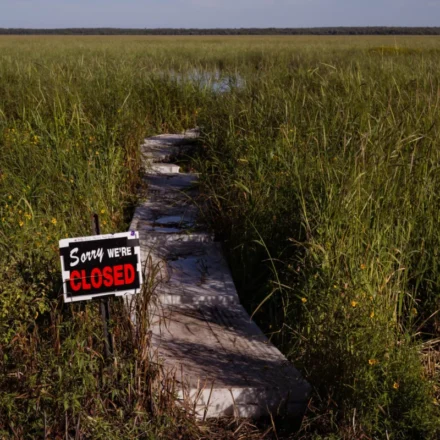


















































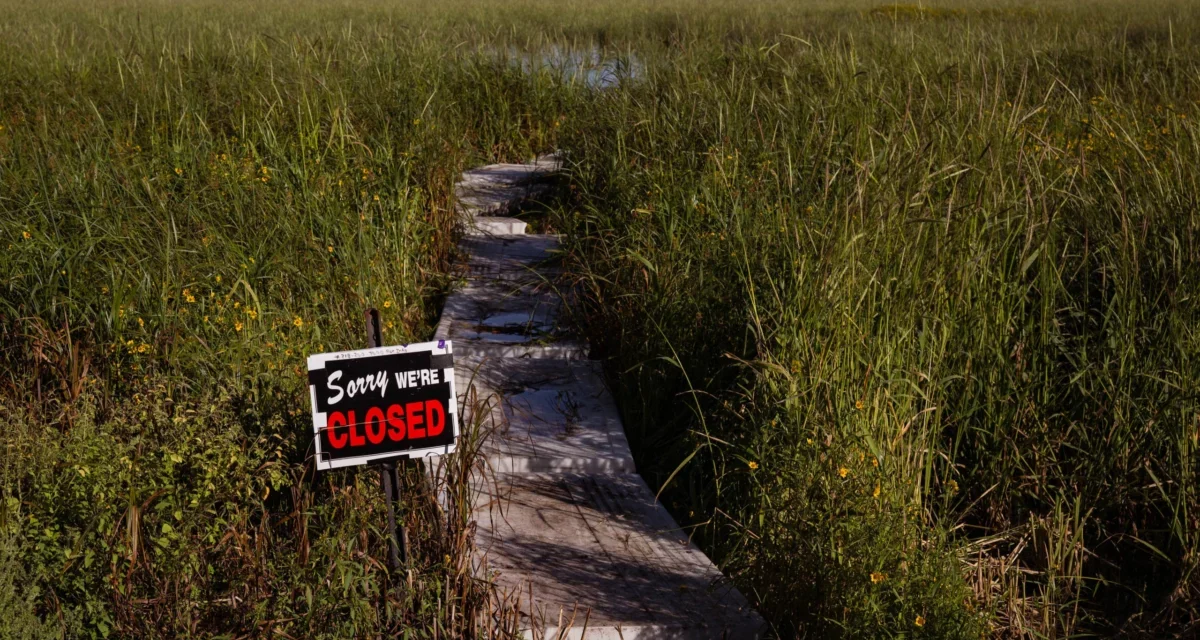



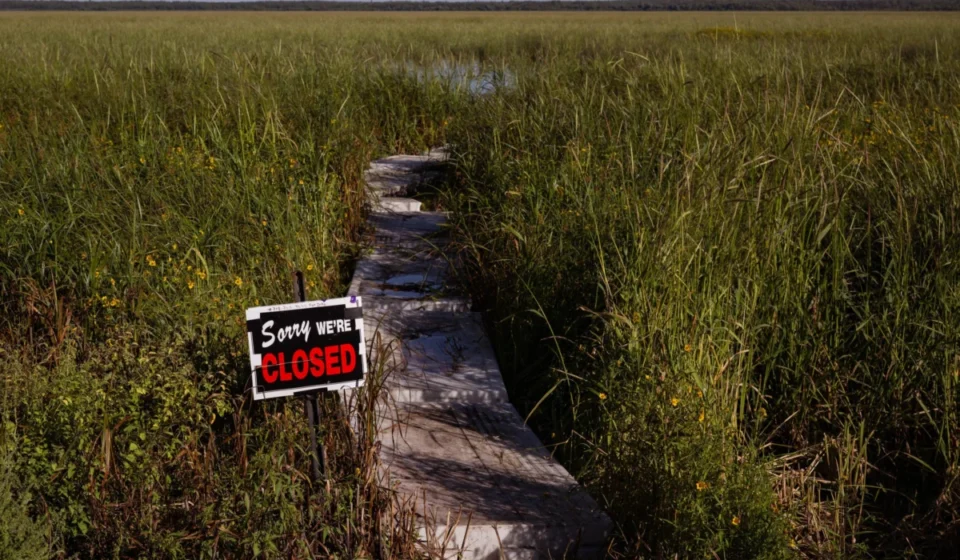

Each August, as the late summer sun hangs heavy over the marshlands of central Minnesota, the quiet waters of the Rice Lake National Wildlife Refuge come alive. Harvesters, navigating shallow-draft canoes, perform a rhythmic, ancient dance. With a gentle tap of wooden knockers against the stalks of manoomin—the sacred wild rice—the grains fall into the boat. It is a grueling, sweat-soaked, and mosquito-ridden labor, yet for the Mille Lacs Band of Ojibwe, it is a pursuit of cultural survival.
"The reward at the end is beautiful wild rice," says Kelly Applegate, commissioner of natural resources for the Mille Lacs Band. "It is the foundation of who we are."
However, this sacred harvest is now at the center of a high-stakes environmental and political confrontation. As mining companies look toward the untapped mineral wealth beneath Minnesota’s water-rich landscape, the state is grappling with the future of the Tamarack Nickel Project—a proposed copper-nickel mine that threatens to upend the delicate ecosystem of Aitkin County.
The Main Facts: A Project in the Spotlight
The Tamarack Project, spearheaded by Talon Metals, aims to extract nickel and copper from a site near the small city of Tamarack, Minnesota. These minerals are increasingly sought after for the production of electric vehicle batteries, leading proponents to frame the project as a critical component of the United States’ transition to green energy and a way to compete on the global industrial stage.
However, for the Mille Lacs Band and a coalition of environmental advocates, the project is a looming catastrophe. The mine site is located in a region saturated with wetlands, bogs, and interconnected watersheds. Tribal leaders argue that the risk of groundwater contamination is not merely a theoretical concern but an existential threat to the wild rice beds that have sustained the Ojibwe people for centuries.

Chronology: A Regulatory Crossroads
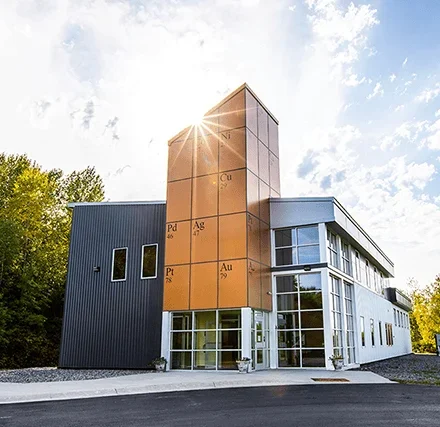
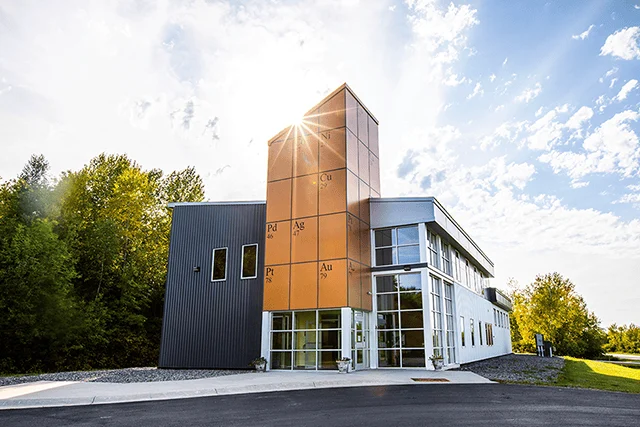
The path to this moment has been paved with years of baseline data collection and technical studies. Talon Metals, which recently acquired the Eagle Mine in Michigan—the only other primary nickel-copper mine in the U.S.—has invested heavily in the region, including the construction of a permanent facility in the tiny town of Tamarack.
The current phase of the project is the public scoping period, a crucial regulatory milestone overseen by the Minnesota Department of Natural Resources (DNR). Since July 14, 2026, the state has been soliciting public comments to determine the scope of the Environmental Impact Statement (EIS). This document will effectively act as the "bible" for the project’s review, defining exactly which potential impacts will be studied and which will be ignored.
The comment period is set to close at 4:30 p.m. on Monday, September 14, 2026. This deadline marks the end of a pivotal phase; once the scope is finalized, issues not included in the document will essentially be barred from further consideration, regardless of how significant they may later prove to be.
Supporting Data and the "Wet Sponge" Analogy
The geology of Aitkin County is characterized by a high water table and an intricate web of wetlands. Virgil Wind, chief executive of the Mille Lacs Band, describes the proposed excavation using a vivid metaphor provided by Applegate: "It’s like drilling a hole in a wet sponge and then thinking water isn’t going to come in."
Mining experts and opponents note that copper-nickel mining—which requires the extraction of ore from sulfide-bearing rock—carries a high risk of acid mine drainage. When these sulfide minerals are exposed to air and water, they can produce sulfuric acid, which leaches heavy metals into surrounding waterways.

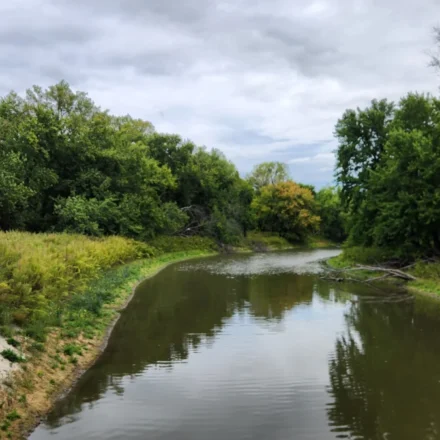
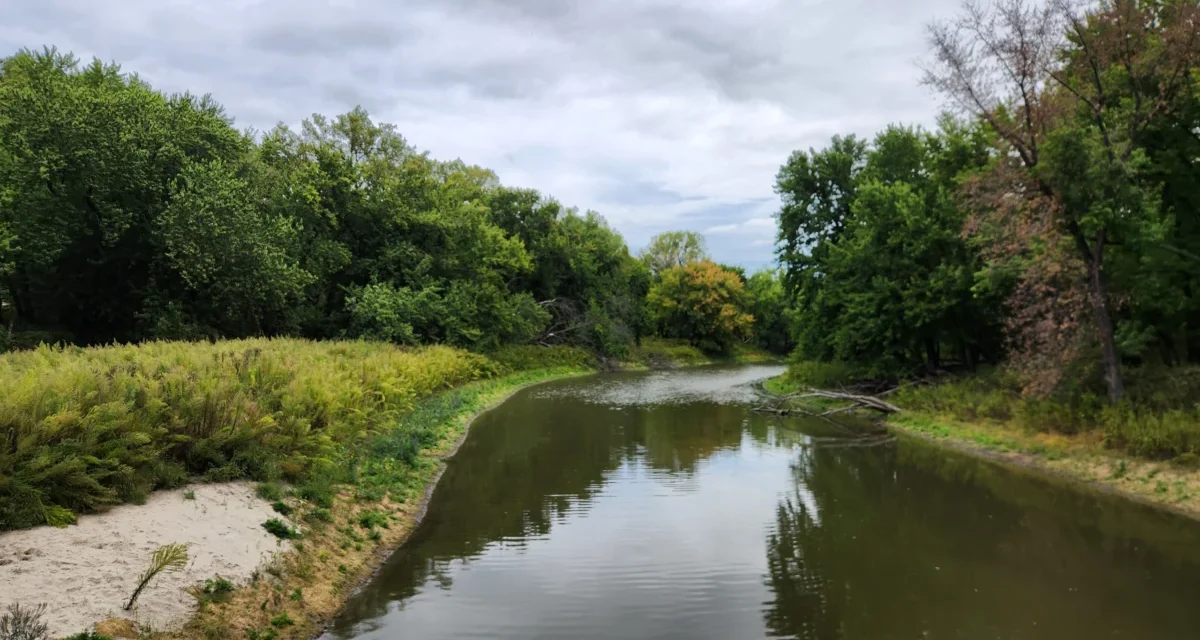
While the DNR is tasked with reviewing the company’s plans, the uncertainty of the technology’s application in this specific, water-heavy environment has drawn sharp criticism. Even during the current drought, the landscape around Tamarack remains visibly soggy, with marshlands and ditches holding steady water levels that feed into the larger Mississippi River watershed.
Official Responses and Corporate Strategy
Talon Metals has maintained that the project is being managed with the highest environmental rigor. Rob Beranek, the company’s vice president of projects and environmental affairs, stated that the scoping process is the natural next step following years of "extensive baseline data collection" and "project design refinements."
"Because much of that foundational work has already been completed," Beranek said, "the public scoping process can build on a stronger technical base." The company recently announced it may leverage its newly acquired Michigan infrastructure to process the metals, a move intended to streamline operations and demonstrate a clear path to production.
Conversely, political figures like U.S. Rep. Pete Stauber have championed the mine as a vital economic engine. In promotional materials, Stauber has framed the project as a necessity for the United States to "win the 21st century," emphasizing the demand for domestic supply chains for battery-grade minerals.
Implications: The Long-Term Cost
The implications of the Tamarack Project extend far beyond the immediate economic boost to a town of 62 residents. For the Mille Lacs Band, the project represents a classic trade-off: short-term capital investment for long-term ecological degradation.

"We get to babysit this for countless generations into the future and have the anxiety and the worry that this big hole in the ground full of polluted water is sitting in our backyard," Applegate warned. "Is that fair to us? Again, we’re going to have a sad chapter of American Indian history."
The political landscape is also shifting. Gov. Tim Walz recently issued an executive order halting state action on mining projects near the Boundary Waters, a move that provided a temporary victory for conservationists. However, the Tamarack Project lies outside the specific watershed covered by that order, leaving it vulnerable to a different regulatory track. While the governor’s move was viewed as a positive signal, it is not a permanent barrier, and it does not bind future administrations.
For tribal leaders, the goal is to force the state to acknowledge a fundamental question that they believe has been glossed over: What if the answer is "no build"?
A Call to Action
Joy Anderson, legal director at the Minnesota Center for Environmental Advocacy, has spent the summer urging citizens to participate in the scoping process. During a webinar in July, she emphasized that the technicality of the process is its most dangerous feature.
"It’s really important to get the scope right because this document covers everything that’s going to be included in the environmental review," Anderson said. "If it’s not in that scoping document, it doesn’t get studied. Even if later we figure out, ‘Oh, this was a really big problem,’ too bad—it’s not in the scope."

As the September 14 deadline approaches, the future of the region remains in a state of suspended animation. The DNR will eventually compile the thousands of comments, both for and against, to define the parameters of the environmental review.
For the Ojibwe, the stakes are not merely about water quality or mineral rights; they are about the preservation of a way of life. The water that flows through the bogs of Aitkin County does not stop at the edge of the mine site; it continues south, feeding the Mississippi River and eventually reaching the Gulf of Mexico. As Applegate notes, the connectivity of the water means that the decisions made in this small corner of Minnesota have global, lasting consequences.
Whether the state will prioritize the industrial demands of the 21st century or the long-term stewardship of its most precious resource—water—remains to be seen. For now, the canoes are still being launched, the knockers are still hitting the stalks, and the people are waiting to see if their heritage will be protected or traded for the contents of the earth beneath them.
Tamarack Mine Public Comment Information
- What: The official state public comment period regarding the scope of the Environmental Impact Statement (EIS) for the Tamarack copper-nickel mine project.
- Deadline: All feedback must be submitted by 4:30 p.m. on Monday, September 14, 2026.
- Participation: All Minnesotans are eligible to submit comments regarding potential environmental, social, and economic impacts.
- How to Submit: Visit the Minnesota Department of Natural Resources website at dnr.state.mn.us to review the proposal and provide input before the deadline.