



















































The Robotaxi Reckoning: California’s New Regulatory Frontier for Autonomous Vehicles

Welcome to this week’s edition of TechCrunch Mobility, your definitive source for the shifting landscape of global transportation and the increasingly critical role artificial intelligence plays in moving people and goods. As autonomous vehicles (AVs) transition from experimental pilots to permanent fixtures of the urban fabric, the friction between innovation and public safety has reached a boiling point.
Main Facts: The New Regulatory Framework
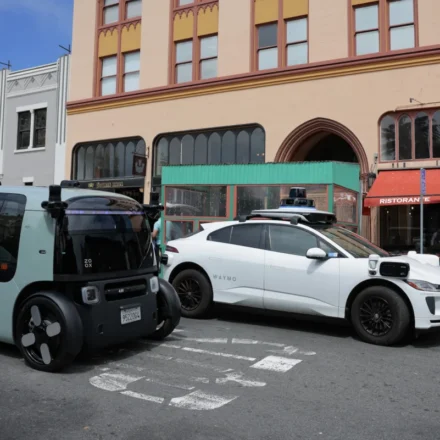
In a landmark move to address the growing pains of the autonomous era, California has officially enacted Senate Bill 1246. Signed into law this week by Governor Gavin Newsom, the legislation represents the most aggressive effort to date to curb the operational disruptions caused by robotaxis.
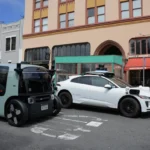
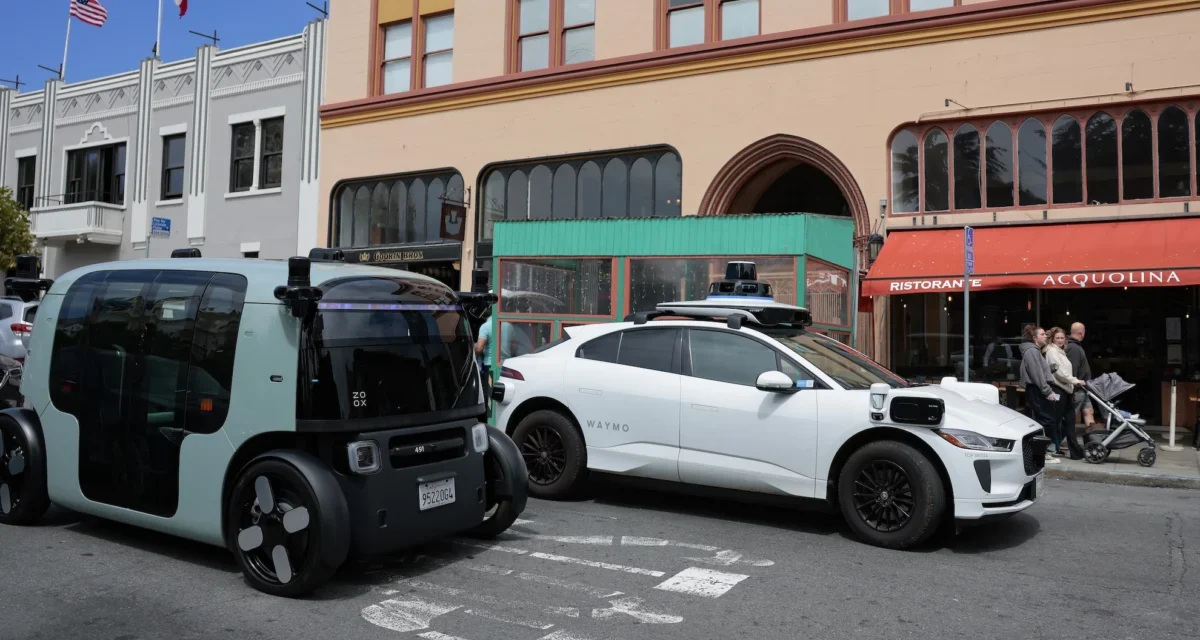
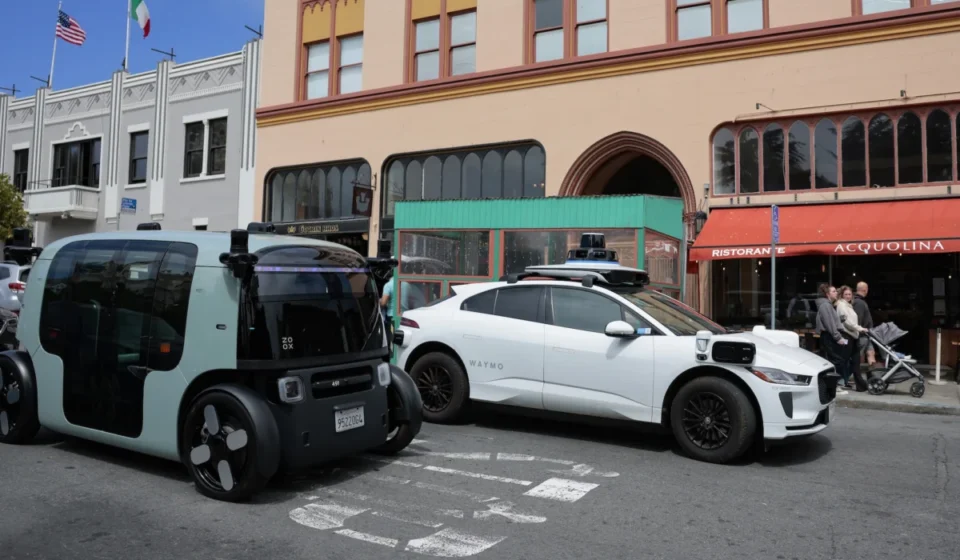
For months, residents in cities like San Francisco have grown accustomed to the sight of Waymo and other autonomous fleets navigating busy streets. However, this convenience has come with a cost. Reports have consistently highlighted incidents where robotaxis have impeded traffic, inadvertently entered active crime scenes, and blocked critical access for police and fire departments. In several documented cases, first responders were forced to rely on the companies themselves to remotely clear their own vehicles, highlighting a dangerous dependency in emergency situations.
Senate Bill 1246 fundamentally changes the rules of engagement. Under the new mandate, companies operating AVs—including industry giants like Tesla, Waymo, and Zoox—are now required to provide localized, on-the-ground support to assist first responders in real-time. Furthermore, the law introduces a punitive mechanism: companies face significant penalties if their vehicles obstruct emergency personnel for more than 30 minutes.
Chronology: The Path to SB 1246
The road to this legislation was paved with a series of high-profile incidents that eroded public and municipal patience.
- Early 2026: Increasing reports of "stuck" robotaxis in the Bay Area led to mounting pressure on the California Department of Motor Vehicles (DMV) to increase oversight.
- March 2026: Evidence surfaced that robotaxi operators were frequently leaning on first responders to move disabled units, sparking a heated debate regarding public safety resources.
- Summer 2026: Lawmakers began drafting SB 1246 as the frequency of incidents involving first responders grew, signaling that the "self-regulating" phase of the industry had failed.
- October 2026: Governor Gavin Newsom signed SB 1246 into law, setting a implementation deadline of July 2028.
Supporting Data: The Cost of Autonomy
The push for regulation is bolstered by a broader climate of scrutiny. Beyond the California legislation, the mobility sector is seeing massive capital shifts and legal challenges:

- Financial Scaling: Tesla recently secured $30 billion in new credit lines, signaling an aggressive push to scale its "Cybercab" and Optimus robotics programs. Meanwhile, startups like Harbinger have secured massive contracts—specifically a $300 million deal to supply FedEx with 2,000 electric trucks.
- The Cost of Misclassification: The ride-hailing industry continues to face legal headwinds, with Lyft recently agreeing to a $272.5 million settlement regarding the misclassification of drivers as independent contractors—a precursor to the current gig-economy landscape defined by Prop 22.
- Data Privacy Concerns: A concerning study from Northeastern University tested 21 vehicles and 30 mobile apps, revealing that modern cars function as mobile data-harvesting hubs, funneling personal information to tech giants including Google, Meta, and Adobe.
- Market Volatility: While Rivian reported record-setting sales driven by its R2 SUV, it simultaneously issued a recall due to poorly tightened battery pack fasteners—a reminder that even the most innovative hardware is subject to the rigors of mass manufacturing.
Official Responses and Industry Accountability
The requirements under the new law go beyond mere presence; they demand operational transparency. Developers must now employ remote drivers based within the United States, all of whom must hold valid U.S. driver’s licenses.
Furthermore, companies are required to provide "local incident technicians"—personnel physically available to assist with accidents or obstructions. This directly addresses the critique that companies were relying on remote, potentially offshore, assistance that could not provide the necessary physical intervention when an AV system failed or created a bottleneck.
The DMV, as the primary regulator, will now spend the next 20 months finalizing the technical details of these requirements. While industry lobbyists have expressed concerns regarding the operational costs of maintaining "local incident technicians" in every jurisdiction, the consensus among state lawmakers is that the safety of emergency services outweighs the efficiency margins of AV operators.
Implications: A New Era for Urban Mobility
Will this law keep robotaxis out of the way of fire engines and ambulances? In the short term, likely not. Software glitches and sensor failures are inherent to the current state of AI. However, the law serves a dual purpose: it mandates the creation of a rapid-response infrastructure and establishes a clear financial incentive for companies to prioritize software stability over rapid deployment.
The larger question is one of federalism. Will other states adopt the "California Model," or will they wait for the U.S. Department of Transportation to issue federal guidelines? With states like Texas already seeing the launch of driverless deliveries on public highways—such as Kodiak’s recent partnership with Ikea for long-haul routes between Dallas and Houston—the patchwork of state laws is becoming increasingly difficult for manufacturers to navigate.
The Aurora Factor
The industry’s ambition remains undeterred by regulation. Aurora’s audacious goal of having 30,000 autonomous trucks on the road by 2030 was met with skepticism, yet CFO David Maday insists the roadmap is viable. When we analyze the industry’s trajectory, it is clear that we are moving toward a future where "driverless" is the standard for logistics, but the path there is paved with regulatory hurdles that are only just beginning to manifest.

The "AI" Definition Gap
Perhaps the most significant takeaway from the current climate is the struggle for identity. Tesla, for instance, continues to pivot its branding from an automotive manufacturer to an AI and robotics entity. However, as noted by industry analysts, one year after the announcement of its "Master Plan," the actual definition of how these technologies will produce "amazing abundance" remains elusive.
Conclusion: Looking Ahead
As we look toward the upcoming Disrupt 2026 conference in San Francisco, the conversation will shift from "can we build it?" to "how do we manage it?" With panels featuring leaders from GM, Shield AI, and Waabi, the focus is clearly turning toward safety-critical systems where failure is simply not an option.
The implementation of SB 1246 in 2028 will serve as a bellwether. If California can successfully integrate these massive autonomous fleets into the public safety ecosystem, it will set a global standard for the next decade of transportation. If it fails, the industry may find itself facing even more restrictive measures that could stifle the very innovation it seeks to promote.
For now, the sector remains in a "wait and see" pattern. The capital is flowing, the trucks are hauling cargo, and the robotaxis are zipping around our city streets. But for the first time, there is a clear, codified boundary that they must respect—or pay the price for ignoring.
Disclaimer: When you purchase through links in our articles, we may earn a small commission. This doesn’t affect our editorial independence.