

























































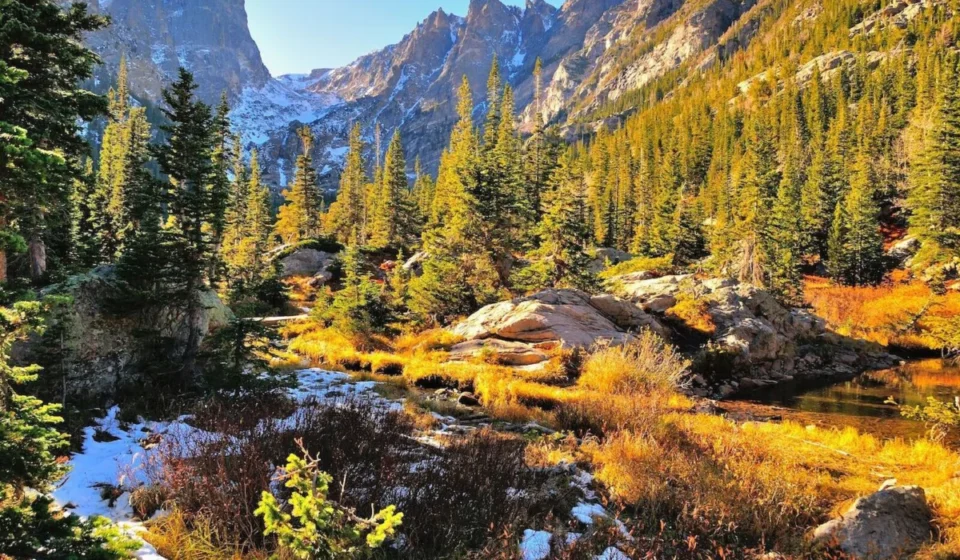

As the sweltering heat of summer recedes and the high-altitude air begins to crisp, the mountainous regions of the American West undergo a spectacular transformation. From the Sangre de Cristo Mountains of New Mexico to the rugged spires of the Grand Tetons, the landscape shifts into a vibrant palette of ochre, amber, and gold. For outdoor enthusiasts, this transition marks the "golden hour" of the hiking season—a fleeting window where the crowds thin, the mosquitoes vanish, and the forests turn into living galleries.
This report explores eight essential trails across the Western United States, examining the unique geological features, logistical requirements, and the profound cultural connection between these mountain towns and their surrounding wilderness.
The Landscape of Autumn: A Geographical Overview
The phenomenon of the "fall foliage" hike is driven by the diversity of high-altitude flora. While the East Coast is famous for its maple forests, the American West is dominated by the trembling aspen (Populus tremuloides), the Western larch, and the cottonwood. These species provide a specific, brilliant yellow hue that contrasts sharply against the dark evergreens and the stark, rocky peaks of the Rockies and the Bitterroots.
Chronology of the Season
The timing of these colors follows a distinct latitudinal and elevational gradient:
- Late August to Early September: Higher elevations in Montana and Wyoming begin the transition as temperatures dip toward freezing at night.
- Mid-to-Late September: The "Aspen Gold" peak reaches the Colorado Rockies and the high-altitude reaches of the Pecos Wilderness in New Mexico.
- Early-to-Mid October: The lower valleys in Idaho and the foothills of the Front Range in Colorado see the final, intense bursts of color from cottonwoods and larches.
Featured Trails: A Detailed Analysis
1. West Fork Rio Santa Barbara, New Mexico
Located deep within the Pecos Wilderness, this trail offers a masterclass in high-desert mountain ecology. The steady climb through dense aspen groves follows the murmur of the Rio Santa Barbara, providing a sensory experience that defines Northern New Mexico’s mountain culture.
- Implications: Because this area is a federally designated Wilderness, visitors must adhere to strict "Leave No Trace" principles. Camping is sparse above the treeline, and the prohibition of camping within 300 feet of lakes is strictly enforced to protect fragile alpine ecosystems.
2. Goose Creek Falls, Idaho
Situated near the Brundage Mountain Resort, this trail is a prime example of the transition from summer recreation to fall solitude. The 60-foot waterfall, framed by basalt canyons, becomes particularly striking in October when the yellow needles of the Western larch create a stark contrast against the evergreen firs.
3. South Cottonwood Creek, Montana
Bozeman serves as the gateway to the Gallatin Range, where cottonwoods provide a different aesthetic than the typical aspen groves. With a low elevation gain of under 500 feet, this trail serves as a vital recreational resource for the local community, emphasizing accessibility alongside natural beauty.
4. Mount Sentinel (The "M"), Montana
More than just a hike, the "M" trail is a cultural touchstone for Missoula. Since 1908, this trail has served as a symbol of student life at the University of Montana. The steep, 11-switchback ascent is a grueling fitness test for locals, yet it provides one of the most comprehensive views of the Clark Fork River valley as it turns gold in the autumn.
5. Taggart and Bradley Lake Loop, Wyoming
The Grand Tetons represent perhaps the most iconic mountain scenery in the lower 48 states. Hikers on this loop must navigate a significant logistical hurdle: the northern segment of the Taggart Lake Trail is undergoing rehabilitation until November 2026. This has shifted foot traffic onto alternate, steeper routes, requiring hikers to be more physically prepared than in previous years.
6. Fern Lake Trail, Colorado
Located in the heart of Rocky Mountain National Park, this trail exemplifies the complexities of modern park management. To mitigate overcrowding, the park employs a strict "Timed Entry + Bear Lake Road" reservation system. Data from the National Park Service indicates that these permits are often fully booked weeks in advance, forcing a change in how hikers approach "spontaneous" travel.
7. Royal Arch Trail, Boulder, Colorado
The Flatirons are among the most recognizable geological formations in the U.S. The Royal Arch trail is a high-intensity route that rewards hikers with a view of the Boulder Valley. It stands as a testament to the "urban-wilderness interface," where high-density city life is separated from raw mountain terrain by only a few miles.
8. Crater Lake Trail, Aspen, Colorado
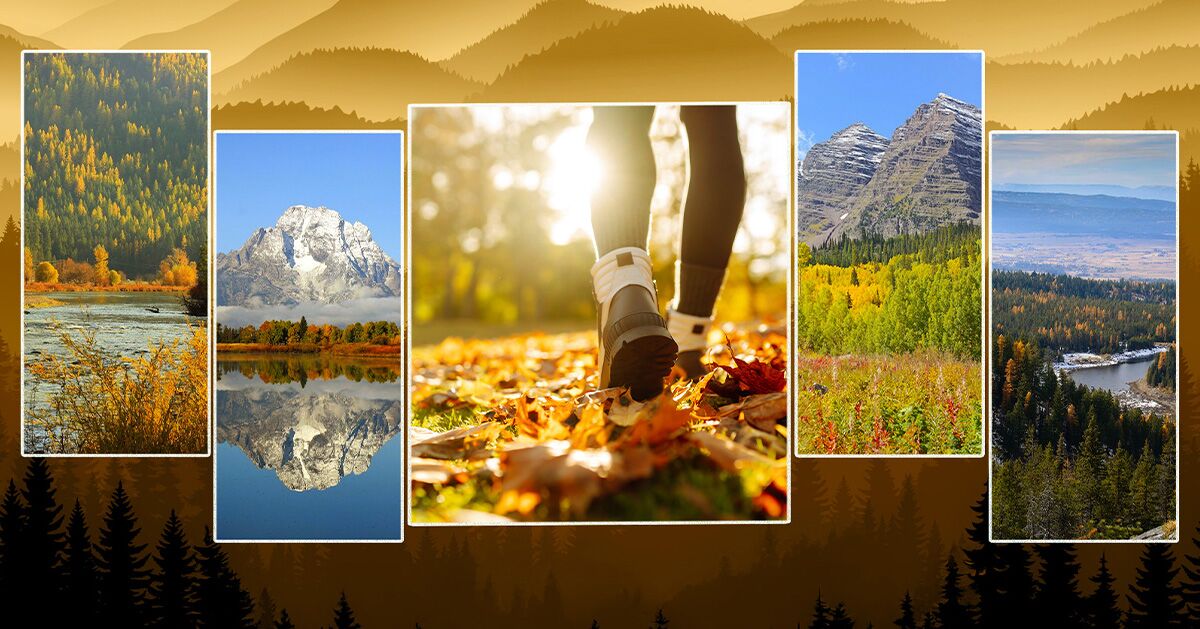
The Maroon Bells are the nexus of tourism and environmental management. With vehicle access restricted to shuttle buses or timed reservations during peak seasons, the trail represents the future of wilderness management in highly sought-after destinations. The climb to Crater Lake remains the premier way to see the "Bells" without the congestion of the main lakefront.
Supporting Data and Logistical Considerations
| Trail | Region | Primary Color Source | Difficulty |
|---|---|---|---|
| West Fork Rio | New Mexico | Aspen | Moderate |
| Goose Creek | Idaho | Larch | Moderate |
| South Cottonwood | Montana | Cottonwood | Easy |
| Mount Sentinel | Montana | Cottonwood | Difficult |
| Taggart Lake | Wyoming | Aspen | Easy/Moderate |
| Fern Lake | Colorado | Aspen | Moderate |
| Royal Arch | Colorado | Mixed Forest | Difficult |
| Crater Lake | Colorado | Aspen | Moderate |
Official Responses to Overcrowding
Land managers across the West—from the U.S. Forest Service to the National Park Service—have shifted their focus toward "Visitor Use Management." This includes the implementation of timed-entry permits (as seen in Rocky Mountain National Park and the Maroon Bells) and trail rehabilitation closures (as seen in the Grand Tetons).
According to regional forest service reports, the objective is to protect the root systems of the aspen groves and the nesting grounds of local wildlife. Hikers are encouraged to check official websites (NPS.gov or Recreation.gov) exactly 30 days prior to their planned trip to secure necessary permits.
The Cultural Implications of Mountain Tourism
The relationship between these trails and their nearby towns—Taos, McCall, Bozeman, Missoula, Jackson, Estes Park, Boulder, and Aspen—is symbiotic. These towns provide the necessary infrastructure for mountain tourism, ranging from historic hotels like the Hotel Boulderado to modern Airbnb rentals that feature reclaimed mountain timber and sustainable architecture.
However, the rise of the "digital nomad" and the increasing popularity of "leaf-peeping" have put pressure on these communities. The shift toward booking stays that offer both proximity to the trail and access to local culinary scenes (like the Michelin-recognized dining in Boulder or the breweries in Bozeman) reflects a change in how hikers define a successful excursion. It is no longer just about the hike; it is about the integration of wilderness adventure into a high-comfort lifestyle.
Conclusion: Preparing for the Ascent
As the autumn season approaches, the window for experiencing these landscapes is narrow and highly variable. Whether you are scrambling up the steep switchbacks of Mount Sentinel or seeking the reflection of the Maroon Bells, success depends on preparation.
- Respect the Wildlife: In regions like the Tetons, bear spray is not a suggestion; it is a mandatory safety tool.
- Monitor Conditions: Weather at high altitudes can change from sunny to snowy in a matter of hours during the autumn equinox.
- Book Early: The era of the "spontaneous" mountain trip is largely over for popular trailheads. Plan your permits, transport, and lodging at least two months in advance to ensure a seamless experience.
By respecting the land, planning for logistical constraints, and understanding the delicate timing of the changing leaves, hikers can ensure that these trails remain vibrant, pristine, and accessible for generations to come. The golden season in the American West is a fleeting gift—one best enjoyed with patience, preparation, and a deep appreciation for the ecological cycles that define our mountain ranges.