




















































As the frost retreats from the landscape and the first blossoms of spring emerge, homeowners across North America often find their domestic tranquility interrupted by an unexpected arrival: a wild guest. From the Minneapolis suburbs to the wetlands of Florida, the arrival of spring signals the start of the breeding season for countless species, leading to intimate—and sometimes challenging—encounters between humans and the natural world.
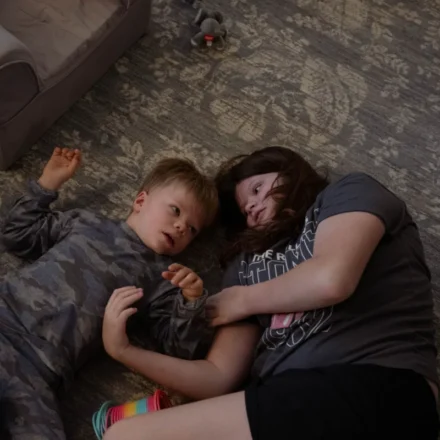
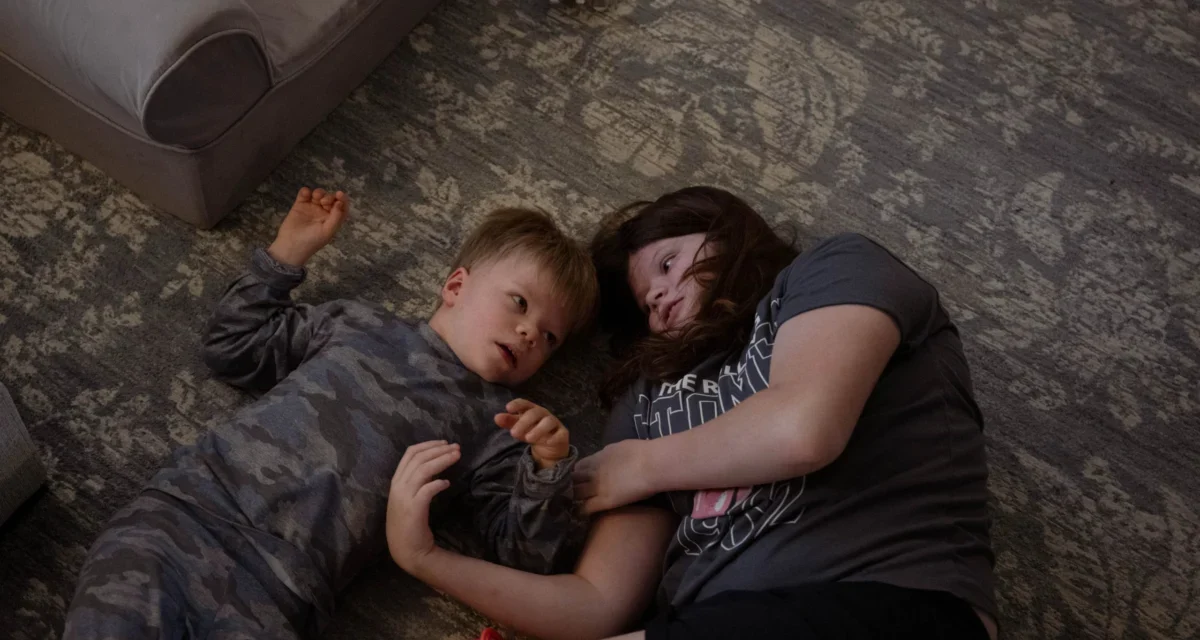
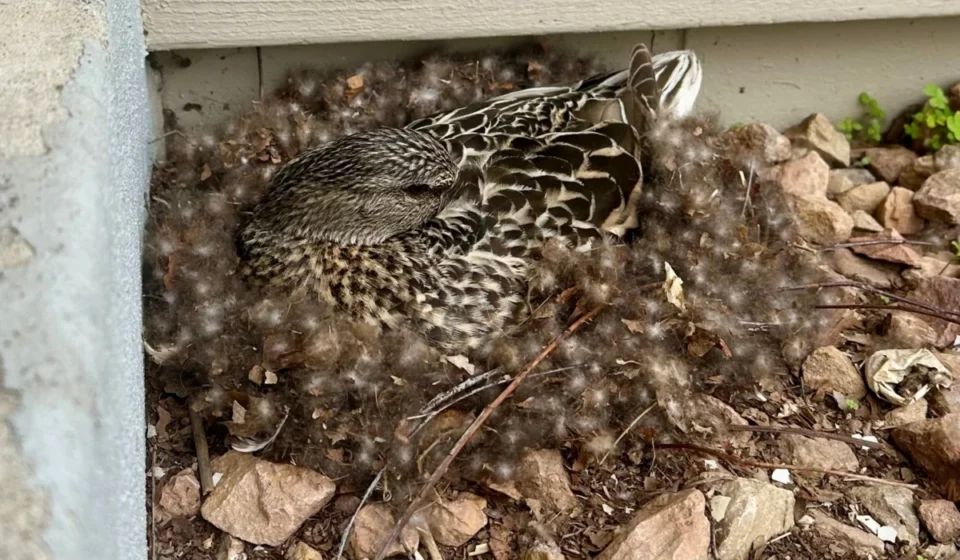
For Caitlin Deal, a resident of Eagan, Minnesota, this seasonal phenomenon has become a cherished family tradition. For four consecutive years, a female mallard—affectionately named "Martha" by the Deal family—has claimed a specific bush near their front door as her nursery. For Deal’s four-year-old son, Owen, whose first word was notably "Duck," the nest has served as a living classroom.
"It feels nice that she trusts that area, that she trusts us to be able to come back year after year," Deal says. Her story is a poignant example of a growing movement in urban and suburban planning: the intentional, respectful coexistence with local wildlife. However, as the Wildlife Rehabilitation Center of Minnesota and other experts emphasize, this proximity requires a delicate balance of observation, intervention, and, most importantly, knowing when to step back.
The Seasonal Surge: Nature’s Nursery in Your Backyard
Spring is a biological imperative for wildlife. Whether it is birds returning from migration, deer finding shelter for their fawns, or alligators claiming territory in Southern wetlands, the instinct to reproduce drives these animals into spaces that humans often consider their own.
While these encounters are often viewed as a "nuisance" by some, conservationists argue they are actually markers of a healthy, biodiverse environment. When a bird builds a nest in a hanging basket or a rabbit digs a shallow depression in a manicured lawn, it is not an act of defiance against human property; it is an opportunistic choice based on available cover, food sources, and protection from predators.
Chronology of a Nesting Cycle
Understanding the timeline of a nesting season is crucial for homeowners looking to mitigate conflicts. While the specific windows vary by region and species, the typical progression follows a predictable pattern:
- Site Selection (Early Spring): Animals scout locations that offer shelter from the elements and potential threats. For many birds, this is when they begin constructing nests.
- Incubation (Mid-Spring): Once eggs are laid, the female typically remains stationary for several weeks. During this time, the parent is highly vulnerable and sensitive to disturbances.
- Hatching and Rearing (Late Spring): This is the period of highest activity. For many species, such as the mallard, this window is relatively short—often lasting just a few weeks before the fledglings are mobile enough to move on.
- Fledging and Departure (Early Summer): The young leave the nest. For many homeowners, the cycle concludes when the "guests" finally head toward water or larger green spaces.
In the case of Martha the mallard, the cycle is remarkably consistent. She occupies the Eagan nest for roughly one month, and by the time Mother’s Day arrives in mid-May, the eggs have hatched and the brood has toddled off to find a nearby pond.

Official Guidance: The Art of Doing Nothing
The most common mistake well-meaning citizens make is intervening too early. Brittney Yohannes, a spokesperson for the Wildlife Rehabilitation Center of Minnesota, offers a simple mantra for the public: "Stay away from the nest or the little family as much as possible, and stay curious."
The "Abandoned" Myth
One of the most frequent calls to wildlife agencies involves "abandoned" fawns. A fawn curled up under a shrub or behind an air conditioning unit may appear to be in distress or orphaned, but this is rarely the case.
"The doe will hide her babe for hours at a time while she goes to forage," explains Beth Quillian of the Oregon Department of Fish and Wildlife. "This is a survival tactic. It keeps the fawn safe, and the mother is almost certainly nearby." Experts warn that removing a "lost" fawn often results in a death sentence for the animal, as they are notoriously difficult to rehabilitate once separated from their mothers.
Legal Protections
It is also vital to remember that in many regions, disturbing a nest is not just a bad idea—it is illegal. Under the Migratory Bird Treaty Act in the United States, it is a federal offense to destroy or remove the nests of most native bird species during the breeding season. Homeowners who find a bird nesting in an inconvenient spot, such as a garage or a porch, are encouraged to consult with their local wildlife agency rather than attempting to move the nest themselves.
Navigating the Dangers of Protective Parents
While the "cute factor" of a nest is high, it is imperative to remember that these animals remain wild, and their defensive instincts are powerful.
"They’re very, very aggressive," says John Coluccy of Ducks Unlimited, regarding Canada geese and swans. "They are long-lived and they protect their reproductive investment very vigorously." A territorial goose is more than capable of inflicting serious injury, including broken bones, on a human who gets too close.
This extends to larger fauna as well. In the Western United States, elk calves may be spotted near residential developments. An adult cow elk can weigh over 500 pounds and will charge to defend her young. Similarly, in Florida, female alligators often build "nests" out of decaying vegetation near retention ponds. These mounds should be avoided at all costs, as the mother will typically be lurking in the nearby water, ready to strike at anyone perceived as a threat to her eggs.

Strategies for Harmonious Coexistence
When wildlife chooses a location that is truly untenable—such as a raccoon nesting in a boat or a squirrel family in an attic—experts suggest non-invasive deterrents before resorting to trapping or professional removal.
- Light and Sound: Animals prioritize dark, quiet spaces for their young. Tami Vogel, executive director of the Wildlife Rehabilitation Center of Minnesota, suggests using a shop lamp to flood a nesting area with light. "A mother will usually move her young within a couple of days if she feels the space is no longer secure," she notes.
- Physical Barriers: Installing metal mesh or closing off gaps under decks can prevent future colonization.
- Pet Management: Domestic pets are a major source of stress for nesting wildlife. For homeowners like Caitlin Deal, keeping their dog, Piper, on a leash was essential to ensuring the mallard felt safe enough to continue nesting.
- The "Basket" Method: For ground-nesting animals like rabbits, the Wildlife Rehabilitation Center suggests placing a laundry basket over the nest during the day to prevent dogs from investigating, then removing it at dusk so the mother can return to feed her young.
The Broader Implications: A Changing Ecosystem
The increasing frequency of these encounters is not merely a result of more people living near nature; it is a reflection of how human expansion continues to carve into natural habitats. As green spaces become fragmented, wildlife is forced to adapt to the "suburban jungle."
Education remains the most effective tool for conservation. When a resident learns to identify a fawn’s resting spot or understands the seasonal nesting habits of local ducks, they move from a position of anxiety to one of stewardship.
"We want people to know we’re here as a safety net," says Vogel. "The good news is that when one person learns how to handle a situation, they pass that information along to their neighbors. It builds a community that is capable of living alongside nature, rather than trying to conquer it."
Ultimately, the lesson of Martha the mallard is one of patience. By respecting the boundaries of the natural world, humans can enjoy a front-row seat to one of the most miraculous processes on Earth. It is a temporary, fleeting, and deeply rewarding experience—provided we remember that we are merely observers in the homes of our wild neighbors.