




















































Minnesota Communities Mobilize: Data Centers Emerge as Potent Election Issue Across the State

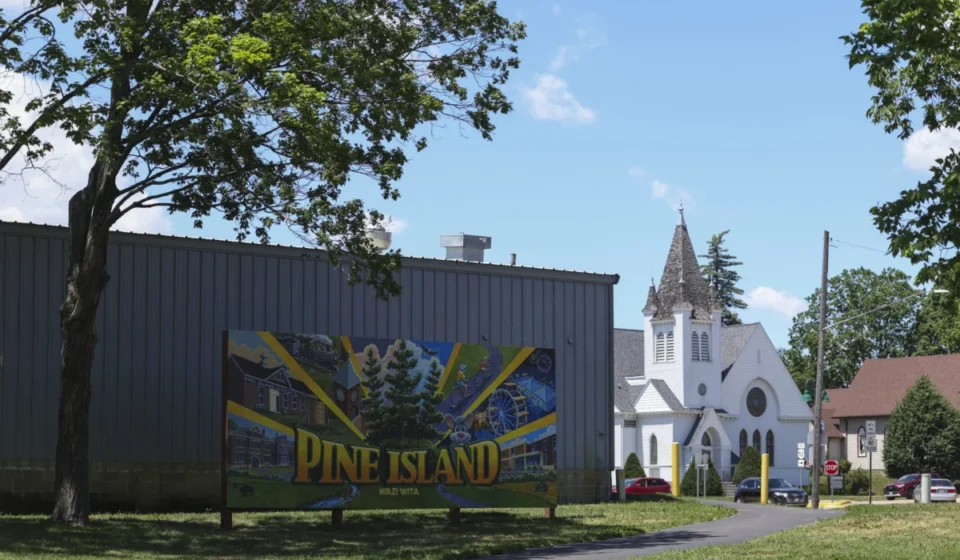
PINE ISLAND, MN – Along a quiet dirt road that meanders beside a vast expanse of farmland, Aubree Derksen articulates a sentiment shared by many residents across Minnesota: she feels like David facing Goliath. Her adversary is Google, the global tech titan, in partnership with a developer, aiming to transform this tranquil rural landscape near her home in Pine Island into a hyperscale data center. From her residence, adorned with conspicuous anti-data center signage, Derksen has become a vocal leader in a burgeoning local opposition movement.
This local resistance is not isolated. Derksen stands among a growing grassroots coalition of Minnesotans, united across the state in their efforts to halt similar projects in Farmington, Hermantown, Monticello, Faribault, and other communities. Their collective voice argues that local governments, often swayed by the allure of economic development, are failing to adequately address resident concerns regarding the potential health, environmental, and critical resource management risks posed by these massive digital infrastructure developments.
Despite their persistent and vocal protests, many proposed developments have navigated local regulatory processes with unsettling speed over the past two years. Only the intervention of court orders has managed to pause projects, as seen in Pine Island and Faribault. At the state level, a host of legislative bills introduced last session, designed to impose moratoriums or introduce greater transparency for data center proposals, ultimately failed to pass, leaving activists profoundly disappointed.

“That was incredibly disappointing,” Derksen remarked, reflecting on the legislative setbacks. Yet, the impending campaign season has ignited a new sense of purpose for these citizen activists. With city, county, and state offices on the ballot across Minnesota this fall, Derksen and her allies firmly believe that data centers must be recognized as a pivotal election issue. “This is the new single-issue voter,” she declared. “It’s not going to be abortion or LGBTQ or immigration issues. I think it’s going to be data centers, and I think that’s something both parties are going to have to reckon with.”
The Escalating Conflict: A Chronology of Resistance
The battle against data centers in Minnesota is not a sudden eruption but rather a simmering conflict that has steadily gained momentum, marked by localized skirmishes and attempts at broader legislative action.
The initial phase saw numerous data center proposals, often shrouded in secrecy under non-disclosure agreements (NDAs) between developers and local officials, advance rapidly through municipal approvals. Communities like Pine Island and Farmington experienced what felt like a steamroller effect, with local councils seemingly prioritizing potential economic benefits over community input and environmental due diligence.

However, the tide began to turn as residents, alarmed by the scale and potential impact of these projects, organized. In Pine Island, the proposed “Project Skyway” – a massive 482-acre data center backed by Google and developer Ryan Companies – galvanized Aubree Derksen and her neighbors. Their persistent advocacy, coupled with legal challenges, led to a crucial court order that temporarily halted the project, providing a much-needed reprieve and a glimmer of hope. A similar legal intervention also paused a project in Faribault, underscoring the legal avenues available to communities feeling unheard.
Encouraged by these pauses but frustrated by the broader lack of legislative progress, activists turned their attention to the state Capitol. Throughout the last legislative session, a coalition of residents and environmental groups lobbied vigorously for bills that would impose statewide moratoriums on data center construction, mandate stricter environmental impact assessments, and increase transparency by banning NDAs in public development discussions. Despite compelling testimony and widespread public support, these bills ultimately stalled, attributed to a complex interplay of lobbying from tech companies, labor unions advocating for construction jobs, and divisions within both major political parties.
The failure of state-level legislation proved a turning point, prompting activists to shift their strategy towards the upcoming elections. Recognizing that legislative change might be slow, they aimed to influence the political landscape from the ground up. This strategic pivot manifested significantly at the DFL (Democratic-Farmer-Labor) and GOP (Republican) state conventions held last month.

At the DFL convention, resolutions addressing data centers garnered substantial support, indicating the issue’s resonance within the party’s base. A proposal for a statewide moratorium secured 64% of the votes, while a more moderate resolution advocating for tighter regulations, which was more amenable to labor unions, received an even higher 76% support. This marked a significant achievement for activists like Cathy Johnson, a retired teacher turned activist against a project in Farmington, and Aubree Derksen, both of whom served as first-time delegates. Johnson, now leading the Coalition for Responsible Data Center Development, highlighted her environmental concerns as the driving force behind her activism, finding a natural fit within the DFL’s environmentalist wing despite internal party divisions.
The Republican convention also acknowledged the growing concern, with platform committee members adopting a resolution calling for a “data center pause.” While perhaps not as intensely focused as the DFL gathering, this bipartisan recognition underscored the issue’s broad appeal, transcending traditional political divides. Sarah Mooradian, government relations and policy director at CURE, a Montevideo-based nonprofit tracking data center issues statewide, emphasized this bipartisan nature: “(The DFL platform votes) were a pretty good indicator of what’s happening statewide. We know how bipartisan it is.”
This chronological progression reveals a pattern of reactive local resistance evolving into a coordinated, statewide political movement, culminating in a focused effort to influence the electoral landscape at all levels of government.

Supporting Data: Unpacking the Impacts and Public Sentiment
The growing opposition to data centers is rooted in a constellation of concerns, ranging from tangible environmental impacts to questions about true economic benefit and a broader erosion of public trust.
Environmental and Resource Strain:
Hyperscale data centers are immense facilities, essentially giant computers, that require colossal amounts of electricity and water for operation and cooling.
- Energy Consumption: These centers operate 24/7, demanding continuous, high-volume electricity. This places significant strain on local and regional power grids, often necessitating upgrades and, controversially, increasing reliance on fossil fuel-generated electricity to meet demand, thereby raising carbon emissions. For residents like Derksen, this translates to concerns about the overall carbon footprint and the long-term sustainability of Minnesota’s energy infrastructure.
- Water Usage: The cooling systems essential for preventing server overheating consume vast quantities of water, often drawn from local aquifers or municipal supplies. This raises alarms about water scarcity, especially in agricultural regions, and potential impacts on local ecosystems and drinking water resources.
- Noise Pollution: The constant hum of cooling fans and other machinery can generate significant noise pollution, fundamentally altering the acoustic landscape of rural areas. Derksen specifically fears losing the ability to "hear the birds" and enjoy the "silence" that drew her to Pine Island.
- Light Pollution: Large industrial facilities, particularly those operating around the clock, contribute to light pollution, obscuring natural night skies. For Derksen, the threat to her ability to see the Northern Lights from her patio represents a tangible loss of quality of life and the rural character she cherishes.
- Habitat Loss: The conversion of hundreds of acres of agricultural land or natural habitats for data center construction leads to direct loss of critical ecosystems for local wildlife, including birds, pollinators, and other species. Rodney Lanners, a long-time Pine Island resident, speaks passionately about the raptors and songbirds in his backyard, symbols of the natural beauty he fears will be destroyed.
Economic Promises vs. Reality:
Developers often champion data centers as economic boons, promising significant property tax revenue and job creation. However, local officials and activists are increasingly scrutinizing these claims.

- Job Creation: While construction phases do generate temporary jobs, the operational phase of a data center typically requires a relatively small, highly specialized workforce. Mayor Tom Berg of Lonsdale expressed skepticism, stating, "Most of the jobs would be for construction, providing only a temporary benefit to the local economy." This contrasts sharply with the long-term impacts on land use and resources.
- Property Tax Revenue: The promise of increased property tax revenue is a major incentive for cash-strapped municipalities. However, critics like Mayor Berg warn that this revenue might "dry up in the long-term, leaving cities overextended with an empty industrial building." This concern stems from potential tax abatements offered to attract tech giants, the specialized nature of the buildings that might not easily convert to other uses, and the possibility of future depreciation. Berg’s caution, "Praying for a boom is just not good fiscal responsibility," highlights the risk of unsustainable development.
- Infrastructure Strain: The massive energy and water demands, along with increased heavy vehicle traffic during construction, can strain existing local infrastructure, requiring additional investments that may outweigh the promised tax benefits.
Public Sentiment and Political Polling:
Recent polling underscores the bipartisan nature of concerns surrounding data centers, while also revealing nuances in how different political affiliations approach potential solutions.
- An Ipsos poll found that while Democrats are most concerned about the environmental impacts, "most Republicans also share that sentiment." This common ground on environmental worry forms the bedrock of the bipartisan grassroots movement.
- However, the poll also highlighted partisan rifts on policy solutions: "Republicans oppose government restrictions on data centers more than Democrats do, but conservatives are quite split on the question." This indicates that while the problem is recognized across the aisle, the preferred methods of addressing it diverge, with Republicans generally favoring a more free-market approach and Democrats leaning towards regulatory caution.
- Crucially, the Ipsos poll concluded that "overall support for their construction remains low," even among those who might be slightly more optimistic about data centers. This broad public skepticism empowers activists and signals to politicians that ignoring these concerns carries electoral risks.
These data points collectively paint a picture of communities deeply concerned about the tangible, irreversible impacts of data center development, questioning the long-term economic benefits, and demanding a more cautious, transparent approach from both developers and elected officials.
Official Responses: Navigating Development vs. Dissent
The reactions to the data center surge from various official entities – developers, local governments, and the state legislature – have been varied, often reflecting a tension between economic imperatives and public concern.

Developer and Tech Giant Engagement:
Tech giants like Google and Meta, alongside developers such as Ryan Companies and utility providers like Xcel Energy, are the driving forces behind these projects. Their strategy often involves:
- Economic Incentives: They highlight the potential for job creation (primarily construction), increased tax base, and technological advancement. Minnesota is attractive due to its relatively stable climate (reducing cooling costs), affordable land in rural areas, and reliable power grid.
- Community Sponsorships: As seen with Google, Ryan Companies, and Xcel Energy acting as "platinum sponsors" for Pine Island’s annual Cheese Festival, developers often engage in local sponsorships and community outreach initiatives. Critics argue this is a tactic to garner goodwill and minimize opposition.
- Non-Disclosure Agreements (NDAs): A contentious tool, NDAs are frequently used to keep projects "out of the public eye" during initial planning stages. Mayor Tom Berg of Lonsdale testified at the Capitol against these agreements, asserting they erode public trust. This secrecy often fuels suspicion and frustration among residents who feel excluded from critical decisions affecting their communities.
Local Government Actions and Divisions:
Local governments find themselves at the epicenter of this debate, often caught between the promise of a revitalized tax base and the vocal opposition of their constituents.
- The Lure of Economic Development: For many smaller, rural communities in Greater Minnesota, the prospect of a multi-million dollar industrial development and the associated property tax revenue is immensely attractive, seen as a path to fund schools, roads, and other public services. This often leads to expedited approval processes.
- Shifting Stances and Moratoriums: A growing number of municipalities, however, are beginning to heed resident concerns. Rosemount, a southeast Twin Cities suburb, provides a notable example. While Meta is actively constructing a data center there, the city took the proactive step of imposing a moratorium on any new projects beyond the current one, indicating a desire to control future development. Similarly, Lonsdale, a city about 40 miles south of Minneapolis, enacted a one-year moratorium in May. Mayor Tom Berg explained, "It was easy for us to take that pause and enact it now, and then start really pushing forward with regulations with community feedback," recognizing the pitfalls of other cities that rushed into agreements without adequate planning.
- Electoral Pressure: In Pine Island, the resignation of former Mayor David Friese and the upcoming elections for three City Council seats, including the mayoral race, highlight the direct impact of this issue on local politics. Activists like Derksen are actively working to identify and support candidates who align with their goal of slowing or stopping data center development. Rebecca Gilbertson’s group in Hermantown, where Google is pursuing "Project Loon," is also exploring avenues for local government involvement, underscoring the statewide focus on municipal elections.
State Legislative Gridlock and Future Prospects:
The state legislature has, to date, struggled to provide comprehensive solutions.

- Failed Legislation: The previous session saw several bills aimed at imposing moratoriums or increasing transparency fail to pass. This failure reflects deep divisions within the DFL, where environmentalists clash with pro-business moderates and powerful labor groups who see data center construction as a source of union jobs. The GOP also exhibits internal splits, balancing free-market principles with environmental concerns shared by their constituents.
- Potential for Shifts: The upcoming state House and Senate elections carry significant implications. Shifts in party control or even the election of a few key legislators could revive proposals for statewide regulations or moratoriums in the next session. This is why data center opponents are closely watching legislative races, particularly in battleground districts like the one south of the Twin Cities metro, where Republican Sen. Bill Lieske faces DFL challenger Mark Legvold, and in northern Minnesota, where DFL Sen. Grant Hauschild and Republican Rep. Natalie Zeleznikar are defending their seats. Activists are strategically targeting districts where they believe they can elect candidates more amenable to their cause.
The official responses reveal a complex landscape where the powerful economic pull of tech investment meets a determined, increasingly organized citizen resistance, forcing local and state politicians to confront an issue that defies easy partisan categorization.
Implications: A Defining Moment for Minnesota’s Future
The burgeoning opposition to data center development in Minnesota carries profound implications, not only for the state’s environmental and economic future but also for the very nature of its political landscape and the power of grassroots activism.
Electoral Repercussions:
Aubree Derksen’s assertion that data centers will define the "new single-issue voter" is not hyperbole. The widespread, bipartisan concern over these projects suggests that candidates at all levels of government will be compelled to take a clear stance.

- Local Races as Battlegrounds: The Pine Island City Council races, with three seats including the mayoralty up for grabs, exemplify how local elections will become crucial battlegrounds. Residents, frustrated by perceived inaction at higher levels, are channeling their energy into directly electing officials who share their vision for community preservation. This dynamic is replicated in Hermantown, Farmington, and other affected towns, turning municipal elections into referendums on industrial development.
- State Legislative Influence: The outcomes of state House and Senate races will directly impact the viability of future legislation. A shift in the balance of power, or the election of more data center-skeptical legislators, could mean the difference between failed bills and successful statewide moratoriums or robust regulatory frameworks. Activists are strategically endorsing and campaigning for candidates whom they believe will champion their cause, regardless of party affiliation.
- Redefining Political Agendas: The prominence of data center resolutions at both DFL and GOP state conventions signals that this issue cannot be ignored by party leadership. It forces parties to reconcile internal divisions and articulate coherent policies, potentially reshaping traditional platform priorities and alliance structures.
A Clash of Visions: Sustainability vs. Hyper-Growth:
The core of this conflict represents a fundamental tension in modern society: the drive for technological advancement and economic growth versus the imperative of environmental sustainability and community character preservation.
- Irreversible Landscape Change: For residents like Rodney Lanners, whose "heaven" in Pine Island is defined by its natural beauty and quietude, the proposed data center represents an irreversible alteration of his home’s character and the surrounding landscape. The conversion of hundreds of acres of agricultural land, the introduction of industrial noise and light, and the strain on natural resources challenge the very essence of rural Minnesota life.
- The True Cost of Digital Infrastructure: The debate forces a re-evaluation of the "true cost" of digital infrastructure. While the internet and cloud computing are indispensable, the environmental footprint and community impact of the physical facilities that underpin them are increasingly under scrutiny. Minnesota’s experience could serve as a national case study in balancing technological progress with responsible development.
The Power of Grassroots Activism:
The story of Aubree Derksen, Cathy Johnson, Rebecca Gilbertson, and Rodney Lanners is a testament to the enduring power of citizen activism.
- David vs. Goliath Narrative: Despite facing opponents with vastly superior financial resources and political influence (Google, Meta, Xcel Energy), these grassroots movements have managed to secure court-ordered pauses, influence party platforms, and galvanize voters. Their dedication, often at personal cost in terms of time and effort, highlights a deep-seated commitment to protecting their communities.
- Building Bipartisan Coalitions: The ability of data center opposition to transcend traditional partisan lines, drawing support from both Democrats and Republicans concerned about environmental impacts and local control, is a powerful demonstration of how shared local interests can override broader political divides. This bipartisan appeal makes the movement particularly potent.
Long-Term Consequences and Precedent:
The decisions made in Minnesota regarding data centers will have long-lasting effects.

- Economic Vulnerability: Mayor Berg’s warning about cities being "overextended with an empty industrial building" underscores a fear of long-term economic vulnerability if the promised benefits fail to materialize or if the industry’s needs shift. The focus on temporary construction jobs over sustainable, diverse local economies raises questions about genuine prosperity.
- Setting a National Precedent: As states across the U.S. grapple with similar proposals for data center expansion, Minnesota’s experience will be closely watched. The strategies employed by activists, the responses of local and state governments, and the outcomes of the elections could set important precedents for how communities nationwide address the challenges of accommodating the rapidly expanding digital economy while safeguarding their unique character and resources.
For communities like Pine Island, the stakes could not be higher. Aubree Derksen and Rodney Lanners, standing in their backyards, envision not just a construction site but the permanent alteration of their "final home." Their fight, emblematic of a statewide movement, is about preserving the silence, the stars, the birds, and the very soul of rural Minnesota against the relentless march of hyperscale development. The upcoming elections will determine whether their voices, amplified by a growing coalition, can truly tip the scales in this modern-day David and Goliath struggle.