






















































The Robotaxi Reality Check: Tesla’s Cybercab, Regulatory Hurdles, and a Shifting Mobility Landscape

Welcome back to TechCrunch Mobility, your definitive guide to the future of transportation. As artificial intelligence continues to permeate every layer of the automotive sector, the line between software company and hardware manufacturer has never been more blurred. To stay ahead of the curve, sign up for our free newsletter here.
The Main Event: Tesla’s High-Stakes Cybercab Debut
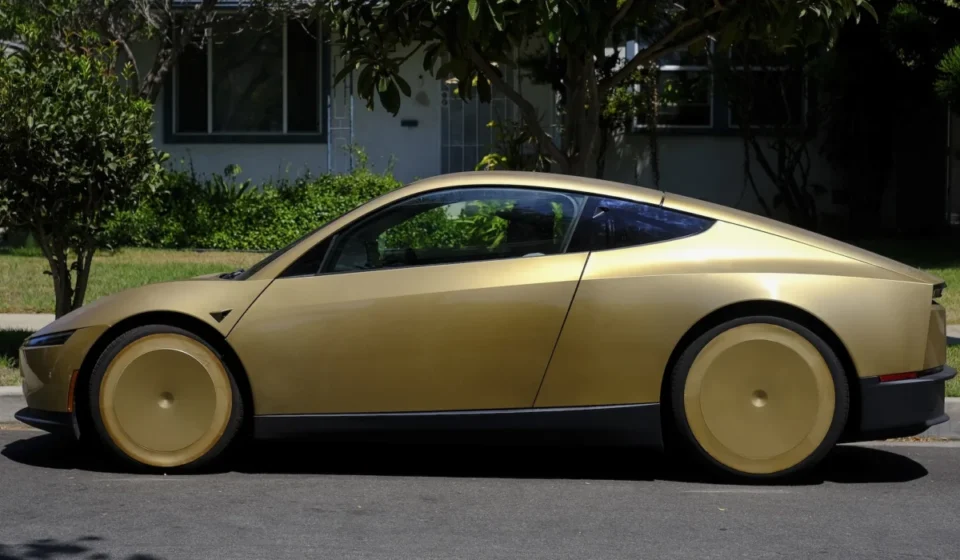
Depending on the echo chambers of social media you frequent, the recent Tesla Cybercab event in Austin, Texas, was either a visionary masterstroke cementing Tesla as the undisputed king of autonomous transit or a hollow, overhyped spectacle lacking the substance expected of a multi-billion dollar pivot.
The reality, however, sits uncomfortably in the middle. For investors and industry analysts, the event was a disappointment. It lacked the electric, festival-like energy that characterized previous Tesla product launches. Most notably, CEO Elon Musk’s absence was as jarring as it was puzzling. Having spent the better part of a decade staking the company’s valuation and future on the promise of robotics and AI, Musk’s decision to stay away from the podium signaled to many that the "Cybercab" is not yet the ready-for-prime-time solution the market craved.
As senior reporter Sean O’Kane aptly noted in his pre-event analysis, The Cybercab is Tesla’s fork in the road. It serves as a definitive litmus test: is this the moment Tesla successfully transitions into an AI-driven mobility provider, or does it merely confirm that, despite the aggressive rhetoric, Tesla remains fundamentally an automaker struggling to cross the threshold into full autonomy?
A Chronology of the Cybercab Deployment
The rollout of the Cybercab has been anything but smooth. Here is the sequence of events that has put Tesla in the crosshairs of federal regulators:

- Pre-Event Hype: Tesla teased the Cybercab as a revolutionary, steering-wheel-free vehicle designed specifically for an autonomous ride-hailing future.
- The Austin Reveal: The event took place with a muted reception from Wall Street, with attendees noting a lack of technical depth regarding the vehicle’s operating system and safety protocols.
- Initial Deployment: Immediately following the event, Tesla registered 45 Cybercabs in Texas, marking the first real-world footprint for the fleet.
- Federal Intervention: Just hours after the fleet hit the streets, the National Highway Traffic Safety Administration (NHTSA) opened a formal investigation.
- Regulatory Friction: The conflict centers on the vehicle’s lack of manual controls—specifically, the absence of a steering wheel and brake pedals, which are currently required under standard federal safety mandates.
Supporting Data: The Scale Gap
While the marketing around the Cybercab is bold, the data tells a story of a company in its infancy. Currently, Tesla’s "scale" is negligible when compared to the established players in the space.
As of the latest filing in the Texas automated vehicle tracker, there are only 45 registered Cybercabs. For context, Waymo—the Alphabet-owned entity currently leading the sector—has successfully scaled its driverless robotaxi services across multiple cities, including San Francisco, Phoenix, and now, Denver, San Diego, and Tampa.
While Tesla is attempting to solve the autonomous puzzle through an end-to-end AI approach, Waymo continues to advocate for a multi-sensor fusion strategy. Waymo’s recent public offensive, arguing that pure AI systems are not yet safe enough for public roads, highlights the growing philosophical and technical divide between the two companies.
Regulatory and Official Responses
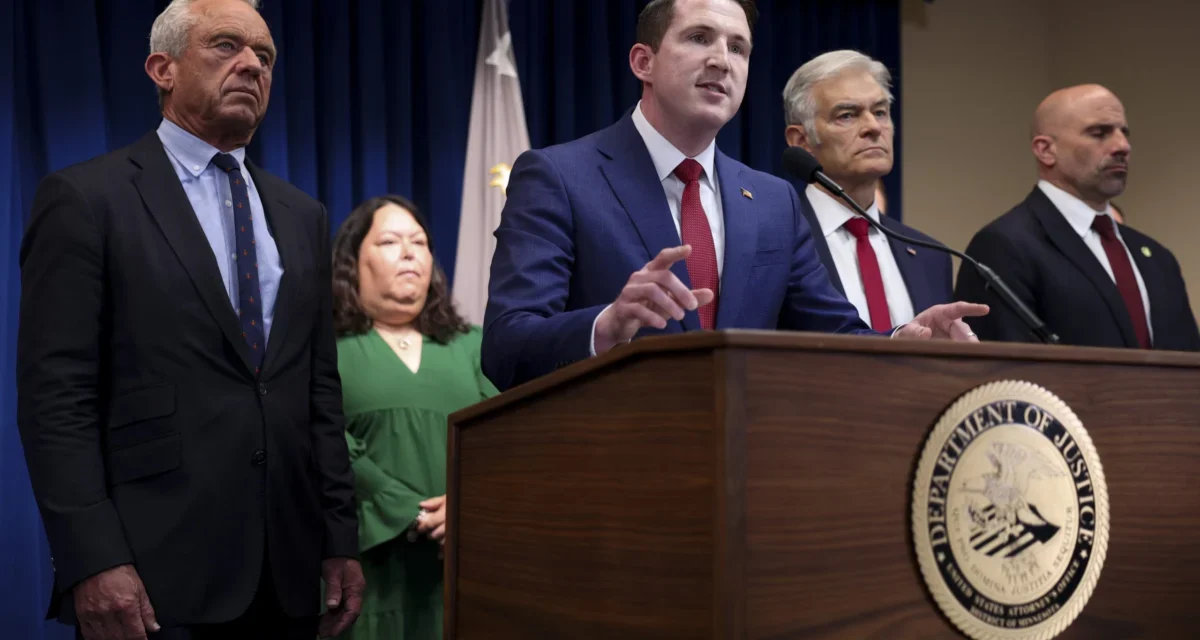
The investigation launched by the NHTSA is the most significant hurdle Tesla faces. While the Department of Transportation has previously flirted with the idea of relaxing rules—even proposing the removal of brake pedal requirements for vehicles designed for autonomous operation—the current reality remains strict.
Tesla has opted for "self-certification," a pathway typically reserved for traditional vehicles that rely on human drivers. By bypassing the traditional, more rigorous exemption process for autonomous vehicles, Tesla has essentially invited the NHTSA to "tap the brakes." While Tesla may continue to operate while the investigation unfolds, the regulatory scrutiny creates an atmosphere of uncertainty that is likely to spook potential fleet operators and investors alike.

Furthermore, Tesla’s recent outreach to potential fleet operators—essentially asking if they are interested in purchasing and maintaining their own fleets of Cybercabs—suggests that Tesla may be looking to shift the operational burden and liability away from its own balance sheet.
The Broader Mobility Ecosystem: Deals and Disruption
The mobility sector remains a hive of activity, even beyond the headlines of Tesla’s woes.
Financial Maneuvers and Acquisitions
- Allianz & AA: The German insurance giant Allianz is reportedly in discussions to acquire the U.K.-based roadside assistance leader, AA, in a deal valued at approximately £5 billion ($6.77 billion).
- Uber & Delivery Hero: In a massive consolidation of the gig economy, Delivery Hero’s board has recommended that shareholders approve a $15 billion takeover bid from Uber.
- Magna’s Bet: Magna International is doubling down on the Indian market, investing an additional $35 million in Yuma Energy, which operates a robust battery-swapping network for two- and three-wheelers.
Startup Innovation
- Alteon: The Bengaluru-based startup, which focuses on autonomous aircraft inspired by dynamic soaring, secured $2.5 million in a pre-seed round led by Lachy Groom.
- Easy Aerial: Defense-focused drone technology is seeing renewed interest, with Easy Aerial raising $20 million in a Series B round to expand its global footprint in surveillance systems.
- Newlight: The Bay Area startup is tackling the massive carbon footprint of shipping, raising $9 million to develop a hydrogen injection system for cargo vessels.
Sector Shifts
The industry is experiencing a turbulent period of restructuring. Uber, for example, is navigating a difficult path by laying off 10% of its global workforce—roughly 3,300 employees—as it seeks to streamline operations by merging its engineering and delivery divisions.
Simultaneously, the autonomous landscape is evolving rapidly. Zoox, under Amazon’s umbrella, has expanded its service to the Las Vegas airport, while May Mobility and NTT Mobility are prepping for a launch of Toyota’s e-Palette vehicles in Japan. Conversely, some legacy approaches are hitting walls; Flock, the surveillance tech giant, is facing significant pushback from regulators in Florida and Texas over privacy concerns.
Implications for the Future
The implications of the current climate are clear: the era of "move fast and break things" in the automotive sector is facing a severe reality check.

- Safety as the Ultimate Currency: As Waymo’s success suggests, public trust is built through years of incremental, safe, and transparent testing. Tesla’s shortcut-heavy approach risks alienating both regulators and the public.
- Hardware Matters: The debate over steering wheels and pedals is not just about nostalgia; it is about the transition period. A vehicle that cannot be piloted by a human in an emergency is a vehicle that requires a level of AI perfection that may still be years away.
- Consolidation: With startups like Pivotal losing leadership (CEO Ken Karklin has stepped down) and giants like Uber and Delivery Hero merging, the market is signaling that only those with deep pockets and established infrastructure will survive the capital-intensive race to autonomy.
One More Thing: The 2027 Kia Telluride Hybrid
In the interest of balance, it is worth noting that while we chase the robotaxi dream, traditional vehicle evolution continues to impress. I recently spent a week with the 2027 Kia Telluride Hybrid X-Line.
Priced at $61,180, this vehicle is a testament to the fact that the internal combustion engine—when paired with modern hybrid technology—still has a significant role to play. The turbocharged 2.5-liter inline-four produces 329 horsepower and 339 lb-ft of torque, providing a "zippy" experience that actually improves upon the fuel economy of its V6 predecessors.
While the infotainment UX and the unconventional gear-shifter placement on the steering column took some adjustment, the vehicle offers a quiet, spacious, and sophisticated driving experience. It serves as a reminder that while the future of transport may be autonomous, the present is still defined by the balance between power, comfort, and pragmatism.
As the industry pivots between the bold promises of AI-driven robotaxis and the steady improvement of consumer hybrids, one thing is certain: the road ahead will be anything but boring. Stay tuned to TechCrunch Mobility as we track the next turn.
Disclaimer: When you purchase through links in our articles, we may earn a small commission. This does not affect our editorial independence.