
























































As the Minnesota Lynx prepare to tip off their postseason journey this Sunday, the atmosphere surrounding the franchise is a paradoxical blend of championship expectation and palpable anxiety. The Lynx, having secured the No. 1 seed in the WNBA playoffs with a 33-11 record, find themselves at a critical inflection point. While they have established themselves as a league powerhouse, the final weeks of the regular season were defined by uncharacteristic inconsistencies that have left both the coaching staff and the fanbase questioning the team’s readiness for a deep run.
A Season of Two Halves: From Dominance to Doubt
The current apprehension among the Minnesota faithful is not born of thin air. For a seven-week stretch mid-season, the Lynx appeared not just formidable, but invincible. During that run, they secured 16 wins in 17 games, showcasing an offensive potency that suggested a fifth WNBA championship banner was well within reach. However, the closing stages of the regular season saw that momentum evaporate.
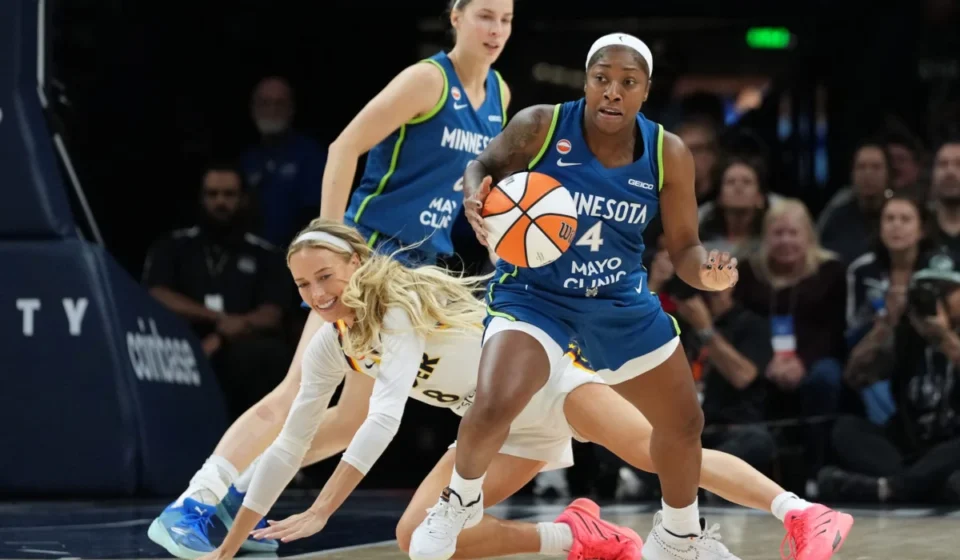
The team hit its first extended "funk" of the year, dropping four of their final five games. The tension reached a fever pitch following a 96-77 blowout loss to the Indiana Fever on Tuesday night—a game so listless that head coach Cheryl Reeve benched her entire starting lineup midway through the second quarter, effectively forfeiting the game to prioritize accountability over performance.
Captain Napheesa Collier, the heartbeat of the Lynx, did not mince words following the defeat. "We should be disappointed and embarrassed about the product that we put on the floor tonight," she told reporters. "These things cannot happen. We had just met about the things we want to get done in the postseason, and we didn’t do any of these things."
Chronology of a Crisis and the Rallying Cry
The anxiety surrounding the team was compounded by external and internal factors. The New York Liberty, Minnesota’s first-round opponent, served notice on September 18 by hounding Rookie of the Year favorite Olivia Miles across the court, dismantling the Lynx at home in a game that exposed defensive vulnerabilities. Adding to the stress, Miles was forced to miss the final two games of the season with a strained left calf, leaving the team without one of its most dynamic playmakers during a critical transition period.
The team’s fortunes finally shifted on Thursday night, just hours after the Lynx officially backed into the No. 1 seed following a Golden State loss. Facing the same Indiana Fever team that had embarrassed them 48 hours prior, the Lynx staged a masterclass in redemption. Before a roaring crowd of 15,221 at Target Center—the largest of the season—Minnesota exploded out of the gates.
The Lynx jumped to a 25-4 lead in the first eight minutes, shooting a blistering 70.6% in the opening quarter. Kayla McBride, who struggled to find her rhythm earlier in the week, spearheaded the offensive onslaught with six three-pointers and 22 points. Natasha Howard dominated the interior, contributing 21 points and eight rebounds. By the time the final whistle blew on the 86-66 rout, the reserves had been in for the entire fourth quarter, and the narrative of the "struggling Lynx" had been momentarily silenced.

Data-Driven Defenses: The Metric That Matters
For head coach Cheryl Reeve, success is often distilled into a singular, stubborn statistic: the ability to hold opponents under 40% shooting from the floor. Since her tenure began in 2010, the Lynx boast a staggering 185-9 record when they achieve this defensive benchmark. It is a metric Reeve tracks with religious fervor, as it serves as the ultimate barometer for the team’s defensive intensity.
However, the late-season slide highlighted a worrying trend. Prior to Thursday’s defensive clinic, the Lynx had hit that 40% threshold only once in 24 games since June 28. It is a stark contrast to their early-season form, where they held opponents to that mark 10 times in their first 19 games. The decline is reflected in the standings; since early July, the Lynx have tumbled from first to fourth in the league in defensive rating.
"I’ve really spent a lot of time trying to figure that out," Reeve admitted when pressed on the defensive slippage. The answer, she suggests, is multifaceted. The league as a whole has seen an offensive explosion, forcing teams to exert more energy on both ends of the floor. Combined with a lack of depth—which has forced starters to carry heavy minute loads—the defensive fatigue became an inevitable consequence of a grueling 44-game schedule.
The Home Court Conundrum
Perhaps the most perplexing aspect of the 2026 campaign has been the team’s performance at Target Center. While the Lynx set a WNBA record for road victories (18-4), their 15-7 home record is a point of contention for the coaching staff.
In the franchise’s four championship seasons, the Lynx were dominant at home, regularly winning 13 to 15 games and rarely dropping more than a handful. This year, the Lynx held fourth-quarter leads in four of their seven home losses, failing to close out games that, in years past, would have been secured.
"It sucks to have the record we do at home," Reeve said candidly. "We’re not satisfied with that remotely."
This frustration is particularly salient given the environment in Minneapolis. The team has seen record-breaking attendance, with 19 crowds exceeding 10,000—nearly triple the figure from the previous season. The opening of the upper deck at Target Center has transformed the atmosphere into one of the most vibrant in the league, reflecting the broader, meteoric rise of the WNBA, fueled by a new generation of stars like Caitlin Clark and Angel Reese.

Implications: A Wide-Open Postseason
As the Lynx head into their best-of-three series against the New York Liberty, the league stands at a crossroads. The parity in the 2026 postseason is unprecedented. With the Liberty (a No. 8 seed) boasting 26 wins, the gap between the top and the bottom of the playoff bracket has effectively vanished. Any of the eight participating teams could feasibly punch a ticket to the finals.
The rematch with New York is particularly daunting. The Liberty beat the Lynx in two of their three regular-season meetings, using a high-octane offense led by Breanna Stewart and Sabrina Ionescu to punish Minnesota’s defensive lapses. The Liberty’s ability to score in bunches—most notably their 26 points in the final 8:18 on September 18—remains the primary tactical hurdle for the Lynx.
"I don’t think anybody should be surprised by any outcomes," Reeve noted. "I wouldn’t be surprised by anything, because I think all the teams are that good."
Looking Ahead
The Lynx enter the playoffs with the top seed and a renewed sense of cohesion, but they also carry the scars of a turbulent September. The recovery on Thursday night proved that when the team is dialed in, their ceiling remains as high as any in the WNBA. The challenge for Reeve and her squad is to maintain that intensity over a series against a battle-tested New York team.
Whether the Lynx can channel the defensive identity that defined their early-season success or whether the fatigue of a long, historic season will finally catch up to them remains the defining question of the 2026 playoffs. For the fans who have packed Target Center all season, the hope is that the team’s late-game struggles at home were merely a blip in an otherwise legendary campaign. The path to the fifth title will not be easy, but as the regular season has shown, the Lynx have the tools to dominate—if they can just find the consistency to use them for 40 minutes at a time.