


























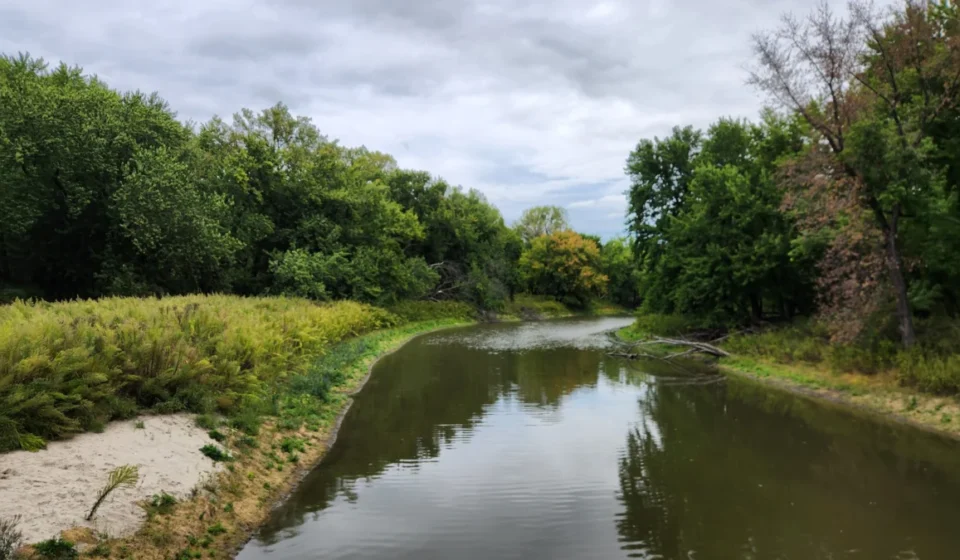

The Minnesota River has long held an unenviable one of the most polluted waterways in the United States. Spanning the fertile agricultural heartland of the state, the river acts as a primary artery for the region’s economy, yet it is simultaneously an environmental casualty of that same prosperity. For over thirty years, state officials and environmentalists have grappled with its degradation. Today, a unique, volunteer-led group—the Minnesota River Collaborative (MRC)—has emerged as a vital, if unconventional, watchdog, bridging the generational gap between the state’s political history and its environmental future.
The Evolution of Stewardship: Bridging Generations
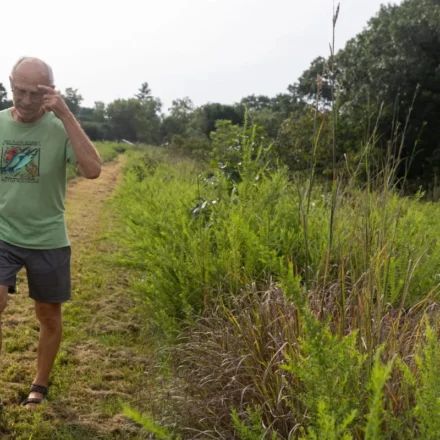
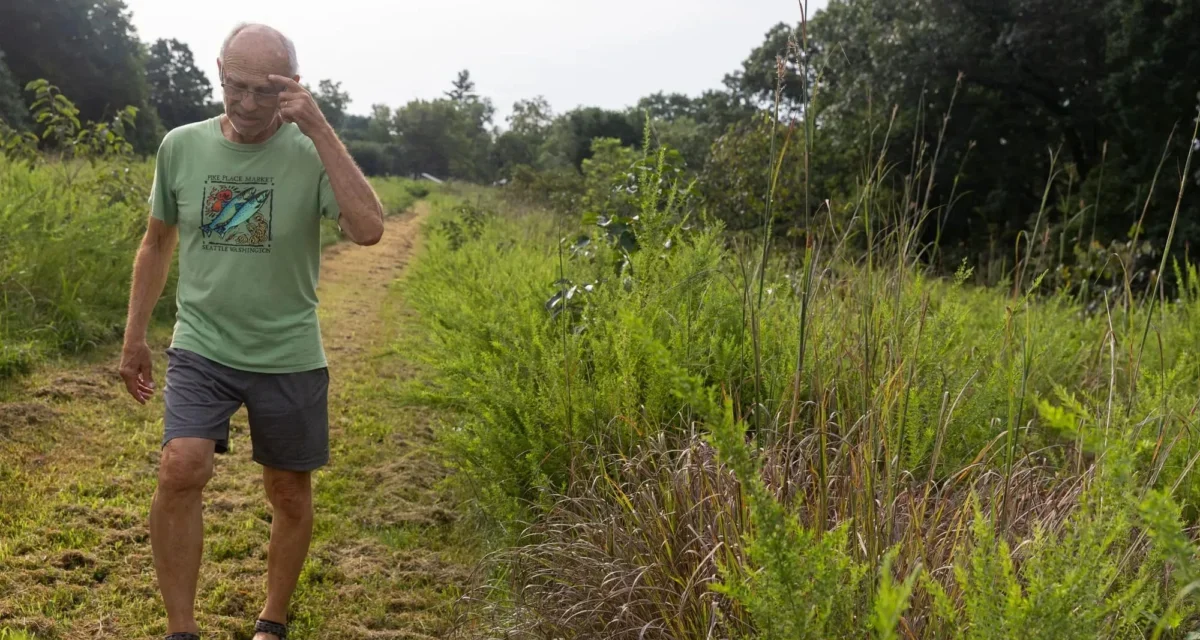
In 1992, Minnesota Governor Arne Carlson established a bold, ambitious goal: to restore the water quality of the Minnesota River. At that time, the river was already suffering from heavy sediment loading and nutrient runoff. To put the timeline into perspective, Tom Crawford, a central figure in modern river advocacy, had not yet been born. Meanwhile, David Minge, a former judge and congressman representing western Minnesota, was just beginning his first term in Washington, D.C., grappling with the early legislative challenges of water management.
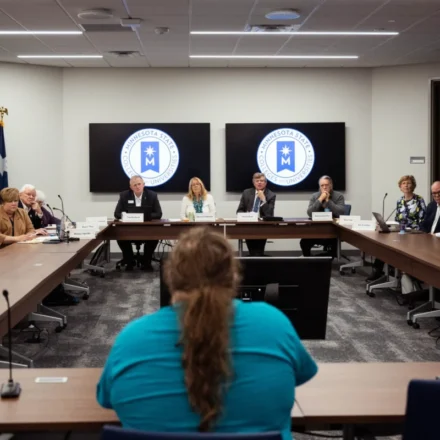
Three decades later, these two men—separated by more than 50 years in age—find themselves united as colleagues within the Minnesota River Collaborative. This citizen-led coalition is composed of approximately 50 members, including retired engineers, environmental lawyers, and former agency officials. Their collective expertise has allowed them to exert a level of technical pressure on the Department of Natural Resources (DNR) and other state entities that few other volunteer groups could achieve.
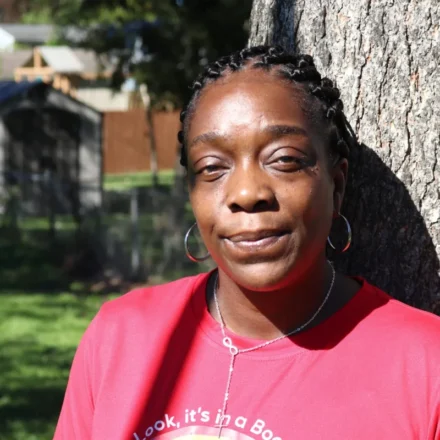
"We’ve moved the needle within the DNR," Crawford, now 31, says of the group’s impact. The coalition operates with a lean structure, meeting weekly in virtual sessions and holding monthly consultations with the DNR to review drainage projects, provide expert testimony, and file amicus briefs in legal disputes.
The Anatomy of a "Fire Hose": Why the River Fails
The core of the Minnesota River’s crisis is not merely a lack of effort but a fundamental misalignment between modern land use and historical hydrology. The Minnesota River Basin is crisscrossed by thousands of miles of private drainage tiles—subsurface pipes designed to pull water away from farmland to maximize crop yields.
This system, while economically essential for agriculture, has created what experts call an "altered hydrology." Instead of water slowly filtering through wetlands and grasslands, it is now routed directly into the river at high speed and volume. Crawford describes this as a "fire hose" effect.
"The more water that flows into the river, the more erosive it becomes," Crawford explains. "Those soft, sandy banks of the Minnesota River get chewed up and sent down into the Gulf."
This erosion releases massive amounts of sediment, which carries phosphorus and nitrogen downstream. This nutrient loading is a major contributor to the "dead zone" in the Gulf of Mexico, where oxygen-depleted water makes it impossible for marine life to survive. The irony, as noted by the MRC, is that while millions of dollars have been spent on "best management practices" like buffer strips and grassed waterways, these efforts are often overwhelmed by the sheer velocity of the water coming from the tile-drained landscape.
A Legal and Regulatory Quagmire
The Minnesota River Collaborative is uniquely focused on the "high-level" mechanics of water policy. Rather than focusing solely on individual farm plots, they scrutinize the administrative processes that govern drainage projects. This is critical because, as Crawford points out, there is no central authority governing the 100,000 miles of private, unmapped, and largely unregulated tile drainage in the state.
The struggle for regulatory clarity recently entered the courtroom. The Minnesota Center for Environmental Advocacy (MCEA) has led a push to have drainage outlets classified as "point sources" of pollution, which would bring them under the purview of the Clean Water Act.

However, in August, a Ramsey County District Court judge ruled in favor of the Minnesota Pollution Control Agency (MPCA), agreeing that the agency lacks the statutory authority to regulate agricultural drainage systems in the manner requested by environmentalists. The MCEA is currently appealing that decision. Minge, drawing on his decades of legal and political experience, predicts this fight will remain a fixture of the state’s judicial docket for the foreseeable future. "I expect that’s going to end up in court by the end of the year," he says.
Data-Driven Advocacy
The MRC’s effectiveness lies in its ability to translate technical data into actionable oversight. Crawford maintains an exhaustive, living spreadsheet that tracks the status, engineering reports, and environmental comments for 17 major drainage projects across 11 counties.
This work is not purely academic. By tracking "redeterminations of benefits"—the process by which counties decide how to tax landowners for drainage improvements—the group, often aided by experts like former University of Minnesota professor Steven Taff, can challenge the economic and environmental justifications for projects.
Their intervention has yielded tangible results. In one instance, the collaborative’s investigation into a project in Jackson County successfully flagged potential damage to a rare calcareous fen, a unique wetland type. In another case, they successfully advocated for a grant in Lyon County to construct a water storage facility, effectively mitigating the negative downstream impacts of a drainage project.
The Future of the Minnesota River Commission
As the group looks toward the future, they are advocating for a more permanent, systemic solution: the creation of a dedicated Minnesota River Commission. This proposal, which stalled during the previous legislative session, aims to centralize the currently fragmented management of the basin.
The MRC is also keeping a watchful eye on the state’s Water Quality Task Force, convened by Attorney General Keith Ellison. While the task force has provided a venue for discussion, the process has been fraught with tension. Some participants have expressed frustration over what they perceive as stall tactics by specific stakeholders, resulting in a reluctance to address the most difficult issues regarding agricultural and mining runoff.
Despite these political roadblocks, the coalition remains undeterred. With a new legislative session on the horizon, the group is preparing to lobby for potential bill authors in both the House and Senate. They are supported by a diverse network of organizations, including the Coalition for a Clean Minnesota River, the Izaak Walton League, and the Friends of the Minnesota Valley.
Implications: A Model for Grassroots Oversight
The story of the Minnesota River Collaborative serves as a compelling case study for environmental activism in the 21st century. It demonstrates that when a group of citizens—armed with engineering data, legal acumen, and an unwavering commitment—engages with the tedious, often invisible administrative processes of government, they can force the system to pay attention to its own mandates.
The "death by a thousand cuts" that the Minnesota River has suffered for decades is being challenged by the "diligence by a thousand hours" of volunteers like Crawford and Minge. While the physical restoration of the river remains a massive, multi-generational challenge, the MRC has successfully shifted the conversation from abstract goals to concrete accountability.
"It feels like there’s more diligence or willingness to enforce environmental rights," Crawford says. Whether this translates into a fundamental shift in how Minnesota treats its water remains to be seen. But as the river continues its flow toward the Mississippi, the collaborative ensures that every ditch, every pipe, and every regulatory decision is tracked, questioned, and brought into the light of public scrutiny. For a river long considered a lost cause, this level of persistent, informed advocacy may be the most significant development in its long history of struggle.