

























































In an unprecedented move that underscores the physical limits of the current artificial intelligence boom, OpenAI has officially suspended new sign-ups and plan upgrades for its top-tier $200 ChatGPT Pro subscription. The decision, which took effect on September 10, 2026, serves as a stark reminder that even the most sophisticated digital intelligence is tethered to the tangible, finite realities of data center infrastructure.
The restriction specifically targets the "Pro 20X" tier, which offers the most extensive access to the company’s new "Astra" capability. By pulling the brakes on its most resource-intensive offering, OpenAI is attempting to prevent a systemic degradation of service for its existing user base, signaling that the demand for its latest frontier model has officially outpaced its immediate compute supply.
The Anatomy of the Pause: Main Facts
As of mid-September, OpenAI’s infrastructure is under intense pressure. The $200 Pro tier, designed for power users who demand the highest throughput for Astra, is now closed to new entrants. Existing subscribers remain unaffected, with their access levels intact. However, those on lower-cost tiers—including Free, Go, Plus, and the $100 Pro plan—are currently barred from upgrading to the top-tier service.
The company has been clear: if a user chooses to cancel or downgrade their current $200 subscription, they will not be permitted to resubscribe to that level until the freeze is lifted. This "lock-in" effect is a protective measure intended to stabilize the current load on the company’s inference engines.
A Chronology of the Crisis
The events leading to this bottleneck reveal a rapid escalation of demand:
- Early September 2026: OpenAI rolls out the Astra capability to its highest-tier users. The response is immediate and, by the company’s own admission, "unprecedented."
- September 8-9, 2026: Internal telemetry shows extreme strain on inference clusters. CEO Sam Altman publicly acknowledges the "messy" nature of the rollout as early adopters report latency and accessibility hurdles.
- September 10, 2026: OpenAI officially amends its help documentation to announce the temporary suspension of sign-ups and upgrades for the $200 Pro tier.
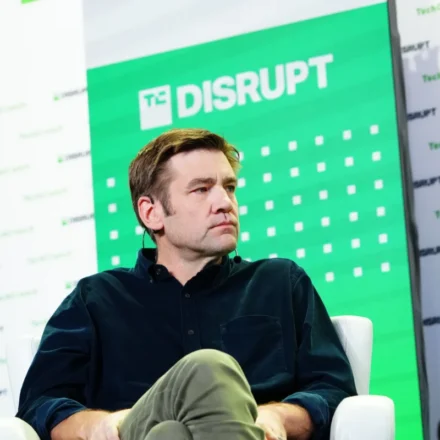
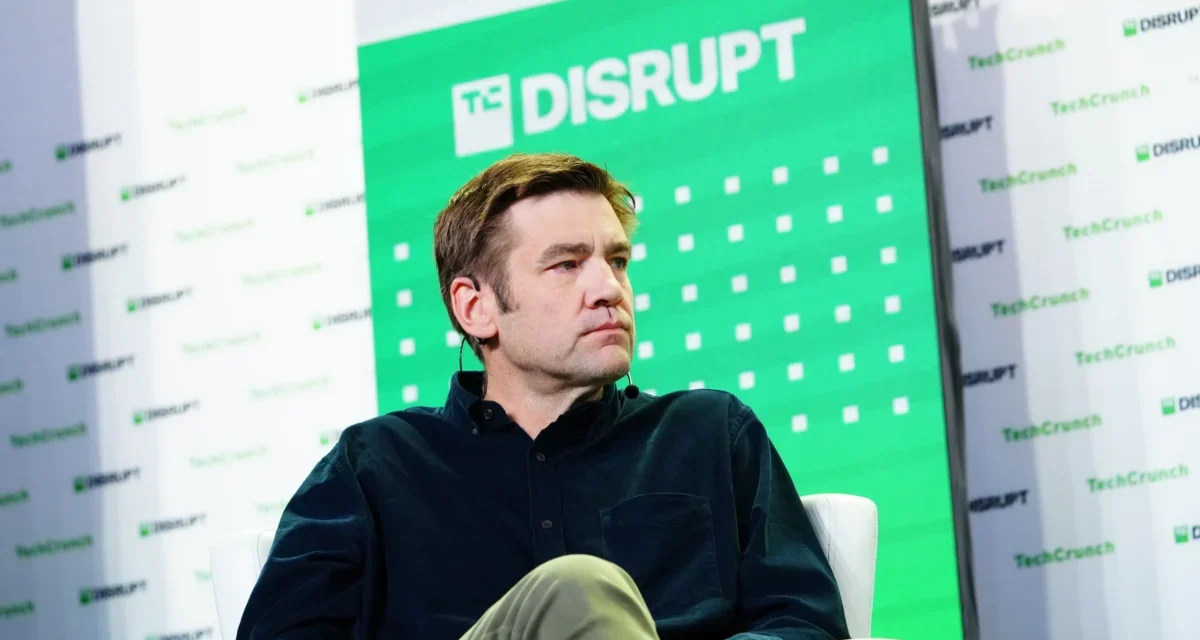
- September 11, 2026: Thibault Sottiaux, a member of the technical staff at OpenAI, addresses the community via X, confirming that the move is a deliberate effort to protect service quality for existing users while the company works to scale its infrastructure.
Official Responses and Internal Sentiment
The narrative coming from within OpenAI is one of balancing explosive growth with the necessity of operational stability. Thibault Sottiaux’s commentary on X provided the most candid window into the company’s decision-making process.
"To make sure our current users have an incredible experience and continued access to Astra, we are going to pause subscriptions to our $200 Pro plan," Sottiaux stated. "These [subscriptions] put the most strain on our systems, and we wanted to take the smallest step that allows us to continue giving the broadest access possible."
Sottiaux emphasized that the situation is fluid. "Demand for Astra is really unprecedented," he admitted. "We’re pulling all the levers possible to sustain the demand, but I’ve not seen anything like it until now, and we went through very steep growth before."
This sentiment echoes the earlier, broader admission by CEO Sam Altman, who characterized the Astra deployment as "messy." By labeling the current state as such, OpenAI is signaling to the market that the operational complexities of deploying frontier AI at scale are significantly more challenging than the theoretical research that precedes them.
The "Astra" Effect: Why Capacity is Crumbling
The "Astra" model represents a paradigm shift in what users expect from generative AI. By offering more advanced reasoning and real-time interaction, the model requires significantly more compute (GPU cycles) per request compared to its predecessors.
Industry analysts point out that when a model is "smarter," it is almost invariably more "expensive" to run. The $200 tier was specifically designed to handle the high-volume, high-complexity requests that Astra thrives on. However, because the popularity of the model surged faster than the physical deployment of NVIDIA-powered server racks, OpenAI faced a binary choice: allow service quality to degrade for everyone, or gate access to the most intensive tier.
Strategic Implications: Lessons for the Enterprise
The current bottleneck is not merely a temporary annoyance for retail users; it serves as a critical case study for enterprise leaders and CIOs. Bhupendra Chopra, Chief Revenue Officer at Kanerika, suggests that this incident confirms that "frontier capacity is still rationed."
1. The Hierarchy of Access
OpenAI’s decision to keep the $100 Pro tier, the API, and Enterprise/Business contracts open while closing the $200 consumer tier speaks volumes about the company’s priority list. Enterprise contracts, which often come with Service Level Agreements (SLAs), are prioritized over consumer "power users." As Chopra noted, "Consumer power users are the release valve. Enterprise contracts are what the vendor protects."
2. Capacity as a Supply Chain Dependency
For businesses building production-critical applications on top of these models, the lesson is clear: treat model capacity like a volatile supply chain component. Relying solely on a single model from a single vendor, without a contingency plan, is becoming an untenable strategy.
CIOs are being advised to ask three fundamental questions before signing any AI-centric vendor contract:
- Contractual Commitment: What specific throughput is guaranteed by the SLA?
- Spike Management: What is the technical protocol when demand exceeds allocated capacity?
- Failover Strategy: How quickly can the workload be migrated to an alternative model or provider if the primary service becomes unavailable?
The Recurring Pattern of "Compute Scarcity"
This is not the first time OpenAI has struggled to keep pace with its own popularity. In the two years since the public explosion of generative AI, the company has throttled access or paused sign-ups on multiple occasions.
This cycle—a major model release, followed by a surge in demand, followed by capacity exhaustion, and finally a period of infrastructure expansion—has become the standard rhythm of the AI industry. As Chopra noted, "Each launch outruns capacity, capacity catches up, and the next model outruns it again."
The structural reality is that the pace of model innovation is currently outstripping the pace of data center construction and hardware deployment. While OpenAI has not provided a firm date for when the $200 Pro tier will reopen, the message is clear: the era of "limitless" compute is over.
Moving Forward: What to Expect
For the average user, the takeaway is that the "Astra" era will be defined by tiered access and potential, temporary gatekeeping. The "temporary" pause is expected to lift as soon as OpenAI brings more GPU clusters online, but the underlying volatility will persist.
As the AI industry matures, the focus will shift from the sheer capability of models to the reliability of the infrastructure supporting them. Companies that can provide consistent, high-uptime access to their frontier models will likely win the long-term enterprise market. For now, OpenAI is choosing to protect its reputation for quality, even if it means slowing the pace of its own subscriber growth.
For those waiting to join the $200 Pro tier, the wait may be indefinite. The restriction serves as a reminder that in the race to build the next generation of AI, the biggest hurdle is no longer just the code—it is the physical reality of the silicon that runs it. As the industry continues to evolve, the ability to manage scarcity will become as important as the ability to create intelligence itself.