

















































Minnesota’s Divided Legislature Stalls Action on Federal Immigration Crackdown, Setting Stage for Electoral Battle

ST. PAUL, MN – As the legislative clock ticked past midnight on Sunday, marking the hurried conclusion of Minnesota’s session, a profound divide within the state’s political landscape became starkly evident. Despite urgent appeals from DFL lawmakers to address the far-reaching impacts of "Operation Metro Surge" – an aggressive federal immigration enforcement initiative that thrust Minnesota into the national spotlight – the state’s closely split Legislature failed to pass a single bill in response. This legislative inertia stands in sharp contrast to a growing number of "blue states" that have enacted laws to curb perceived federal overreach, leaving Minnesota’s DFL with a potent campaign message for the upcoming 2024 elections and immigrant communities grappling with uncertainty.
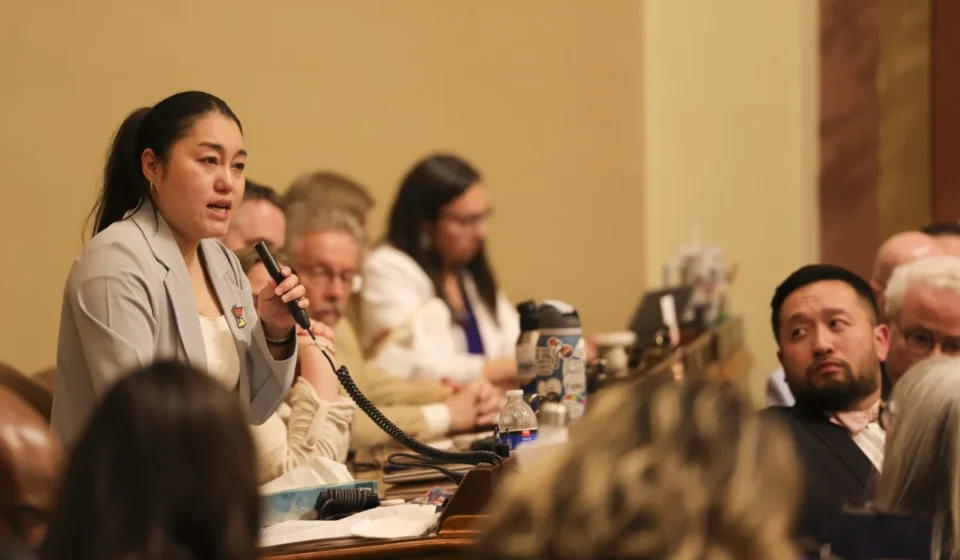
The closing moments of the session were punctuated by passionate pleas, none more resonant than that of Rep. Samantha Vang (DFL-Brooklyn Center). Acknowledging the weary desire of her colleagues to return home, Vang pivoted to remind them of the thousands of individuals still separated from their families, unable to go home, as they languished in federal immigration detention facilities. "Minnesota has seen enough violence," Vang asserted, her voice echoing through the chamber. "Enough violence from guns, enough violence from masked federal agents invading our cities. It is upon us, as duly electeds, to meet this moment, to restore the safety of Minnesotans." Her words underscored the DFL’s central argument: that the federal operation constituted a form of state-sanctioned violence requiring legislative intervention.
A State Divided: Minnesota’s Divergent Path
Operation Metro Surge, which saw an increased presence of federal immigration agents, including those from Immigration and Customs Enforcement (ICE), conducting arrests and enforcement actions across Minnesota, provoked widespread alarm among immigrant advocacy groups, civil liberties organizations, and DFL politicians. The tactics employed, including raids in residential areas and the use of unmarked vehicles, sparked fear and disrupted daily life in many communities, leading to allegations of racial profiling and human rights abuses.
However, unlike Democratic-leaning states such as California, Illinois, and Oregon, which have successfully passed legislation directly in response to similar federal operations over the past year, Minnesota found itself gridlocked. These states have enacted various measures, including restricting federal agents’ access to "sensitive locations" like schools, hospitals, courthouses, and child care centers, and regulating the ability of agents to conceal their identities in public. California, Connecticut, New Jersey, Oregon, and Washington have all passed laws specifically addressing the masking issue, a finding highlighted by recent research from the University of Wisconsin-Madison. Illinois, in a notable move just last December, saw Governor JB Pritzker sign legislation simplifying the process for suing federal employees over alleged Constitutional violations.
Minnesota lawmakers, primarily DFLers, introduced over two dozen unique proposals aimed at addressing the fallout from Operation Metro Surge. These ranged from direct attempts to restrict federal agents’ tactics to efforts providing economic relief to affected communities. However, the state’s near-evenly split Legislature proved an insurmountable barrier, with Republican opposition effectively derailing all such initiatives. The DFL’s inability to pass these bills, while a defeat for their immediate legislative agenda, inadvertently provided them with a powerful talking point for the crucial fall elections, which will determine control of the Legislature.
Chronology of Legislative Attempts and Opposition
The legislative session saw a flurry of activity from the DFL caucus, spurred by the ongoing concerns surrounding Operation Metro Surge. The proposed bills represented a multifaceted approach to counter what they perceived as an overreach of federal power and a threat to the well-being of Minnesota residents.
One of the most significant DFL-led initiatives was a Senate proposal to establish a $100 million loan program for businesses that could demonstrate a loss of over 30% of their income due to Operation Metro Surge. This bill also sought to fund a comprehensive study to quantify the overall economic impact of the federal operation, an impact estimated by proponents to be in the hundreds of millions of dollars across lost wages, business revenue, and increased expenses for local police departments and city governments. The rationale behind this proposal was to mitigate the chilling effect of the federal presence, which caused many immigrant workers to avoid jobs, parents to keep children home from school, and consumers to limit their economic activities, out of fear of detention or deportation. While this bill successfully passed the DFL-controlled Senate, it never advanced to a vote in the House, where Republican opposition proved too strong. During the Senate debate, some GOP lawmakers openly dismissed the suggestion that businesses had suffered significant revenue losses.
Sen. Zaynab Mohamed (DFL-Minneapolis), a vocal advocate for the legislation, expressed her dismay at the lack of action. "So many businesses across our state are going to close because of this," she stated, directly attributing the potential closures to the legislative inaction. She added, "They need to be held accountable for their inaction on this," directing her criticism squarely at GOP lawmakers.
Senator Mohamed had also authored a bill that sought to formally name and acknowledge the severe impacts of Operation Metro Surge – a legislative approach unique to Minnesota. Her bill, which never received a committee hearing, described the federal operation as having caused thousands of Minnesotans to become "victims of violent attacks and unlawful detention, harassment and abuse, sudden abduction and secretive relocation, mass imprisonment and inhumane conditions, undue investigation, and prosecution and deportation actions." This detailed articulation aimed to create a legal and historical record of the alleged abuses, setting a precedent for state recognition of federal actions’ human cost.
Beyond these specific measures, DFL lawmakers introduced bills on all the topics successfully addressed by other blue states: banning agents from masking, restricting access to sensitive locations, and creating avenues for redress against alleged constitutional violations. The collective aim was to establish a framework that would protect residents from what they viewed as aggressive and often indiscriminate federal enforcement.
Supporting Data and Broader Context
The urgency felt by DFL lawmakers was not unfounded. The University of Wisconsin-Madison’s ongoing research into state-level responses to federal law enforcement tactics has documented a significant trend. As of May 2026, lawmakers in at least 33 states had attempted to pass legislation addressing federal agents’ ability to conceal their identities. This indicates a nationwide concern about accountability and transparency in federal operations, especially when they impact local communities.
The economic fallout from such operations is often underestimated. Beyond the proposed $100 million loan program, the estimated hundreds of millions of dollars in broader economic impact stem from a variety of factors:
- Lost Wages: Fear of apprehension leads many undocumented workers, and even some documented immigrants or U.S. citizens, to avoid work, impacting household incomes and local economies.
- Business Revenue Losses: Businesses reliant on immigrant labor or patronage experience significant downturns. Customers may avoid certain areas or establishments perceived as high-risk for raids.
- Increased Local Government Costs: Local police departments and city governments often incur unexpected expenses related to responding to incidents, providing community support, and managing the social fallout of federal operations. This includes resources for legal aid, social services, and public safety.
- Reduced Tax Revenue: Lower economic activity inevitably translates to reduced sales tax and other local tax revenues.
- Psychological and Social Costs: The pervasive fear and distrust fostered by aggressive enforcement campaigns can lead to long-term psychological trauma, reduced community cohesion, and a reluctance to engage with public institutions, including schools and healthcare.
These tangible and intangible costs underscore the DFL’s argument that Operation Metro Surge was not merely an enforcement action but a destabilizing force with profound implications for Minnesota’s economy and social fabric.
Official Responses: A Glimpse into the Political Divide
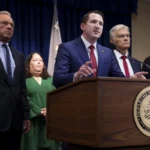
In the immediate aftermath of the session, the political chasm over immigration was laid bare through official statements and press conferences. While lawmakers from both sides praised bipartisan achievements on other legislative topics, the issue of ICE and Operation Metro Surge became a defining fault line.
Senate Majority Leader Erin Murphy (DFL-St. Paul) did not mince words when speaking on Monday morning, unequivocally stating her belief that ICE "acted recklessly and lawlessly." Her powerful condemnation, "They came here and they killed people, they took people’s constitutional rights away. Nobody should stand for that," reflected the deep moral outrage felt by many in her caucus and within the affected communities. This statement likely refers to incidents such as the killings of Renee Good and Alex Pretti, which DFL lawmakers referenced in debates, though specific details about these events in relation to Operation Metro Surge were not provided in the original text, highlighting the need for further investigation in a broader journalistic context.
House DFL Caucus leader Zack Stephenson echoed this sentiment, acknowledging the session’s accomplishments while sharply criticizing the "failure to take actions to curb the abuses of ICE." He then delivered a clear declaration of intent: "House DFLers will take that message on the campaign trail this summer and fall. We will win a majority and we will pass those bills into law in 2027." This statement solidified the DFL’s strategy to leverage the legislative failure as a key electoral issue, framing it as a fight for human rights, community safety, and state sovereignty against federal overreach.
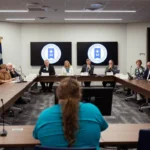
Conversely, Republican lawmakers largely remained silent on the issue in their post-session remarks, or reiterated their long-standing positions. Rep. Harry Niska (R-Ramsey), the House GOP floor leader, encapsulated his party’s stance during a dramatic late-night vote. With only about 30 minutes remaining before the midnight deadline, DFL lawmakers made a last-ditch effort to push through an emergency vote on a copycat bill of the main Senate package, including bans on agents’ masking and restrictions on access to sensitive spaces.
Niska, in his rebuttal, argued that the DFL’s bill "misdiagnosed the problem." He contended that the issues arising from federal immigration enforcement were, in fact, "created by Minnesota Democrats rolling out a welcome mat of benefits for illegal immigrants." He further asserted, "If local law enforcement cooperated with federal law enforcement, we would never have seen many of the problems that Minnesota has gone through." This position highlights the GOP’s consistent call for greater cooperation between local and federal authorities on immigration enforcement, viewing non-cooperation as an incentive for undocumented immigration and a hindrance to public safety. Their legislative proposals reflected this, focusing on expanding local law enforcement cooperation with ICE and introducing bills to address perceived disruptions, such as making it illegal to enter and disrupt a religious institution, following an anti-ICE protest at Cities Church in January. None of these GOP-sponsored bills passed either, underscoring the deep ideological chasm.
During the intense floor debate on the DFL’s emergency bill, DFL lawmakers referenced a litany of alleged harms stemming from the surge, including racial profiling, the detention of U.S. citizens, racist comments against Somali people attributed to former President Donald Trump, and widespread fear among schoolchildren. Rep. Samantha Sencer-Mura (DFL-Minneapolis) articulated the profound urgency felt by her caucus: "We must make sure that what happened in Minnesota never happens again, here or anywhere else in this country."
Implications and the Road Ahead
The legislative stalemate in Minnesota carries significant implications, both for the state’s political future and for its immigrant communities.
Political Implications: The DFL’s clear intention to make the lack of action on Operation Metro Surge a central campaign theme for the 2024 elections ensures that immigration policy will remain a contentious and high-profile issue. By highlighting the alleged abuses of ICE and the Republican refusal to act, DFL candidates will seek to galvanize their base and appeal to voters concerned about human rights, economic stability, and the limits of federal power. The closely divided Legislature, where a shift of just a few seats could alter the balance of power, makes this electoral battle particularly consequential. If the DFL achieves a majority in both chambers, they are poised to reintroduce and pass these bills in 2027, potentially aligning Minnesota more closely with other blue states that have established state-level protections against aggressive federal immigration enforcement.
Impact on Immigrant Communities: For Minnesota’s diverse immigrant populations, the legislative failure means a continued state of vulnerability and uncertainty. The fear and disruption caused by Operation Metro Surge are unlikely to dissipate without concrete state-level protections. Communities will continue to grapple with the psychological toll, economic instability, and the chilling effect on engagement with essential services. Advocates will likely redouble their efforts to provide legal aid, community support, and educational resources, while also pushing for executive actions or local ordinances where state legislative avenues have been blocked.
Federal-State Relations: Minnesota’s experience also highlights the ongoing tension between federal immigration enforcement priorities and state-level efforts to create more welcoming and protective environments for immigrant residents. The GOP’s argument that DFL policies create a "welcome mat" for undocumented immigrants underscores a fundamental disagreement about the role of states in immigration matters. This dynamic is not unique to Minnesota, but the specific failure to pass legislation in a state with significant Democratic control in the executive and one legislative chamber showcases the powerful influence of a divided legislature in preventing state-level pushback against federal policies.
As Minnesota looks toward the next election cycle, the echoes of Rep. Vang’s midnight appeal will undoubtedly resonate, shaping debates and influencing voter choices. The unaddressed issues of Operation Metro Surge will not merely fade away but will serve as a stark reminder of the challenges and opportunities facing a state grappling with its identity in an increasingly complex national immigration landscape. The question of whether Minnesota will eventually join other states in establishing robust protections against federal immigration enforcement remains unanswered, but the stage is set for a political showdown that promises to redefine the state’s approach to these critical issues.