























































Minnesota Communities Mobilize: The "David vs. Goliath" Battle Over Hyperscale Data Centers Becomes a Defining Election Issue

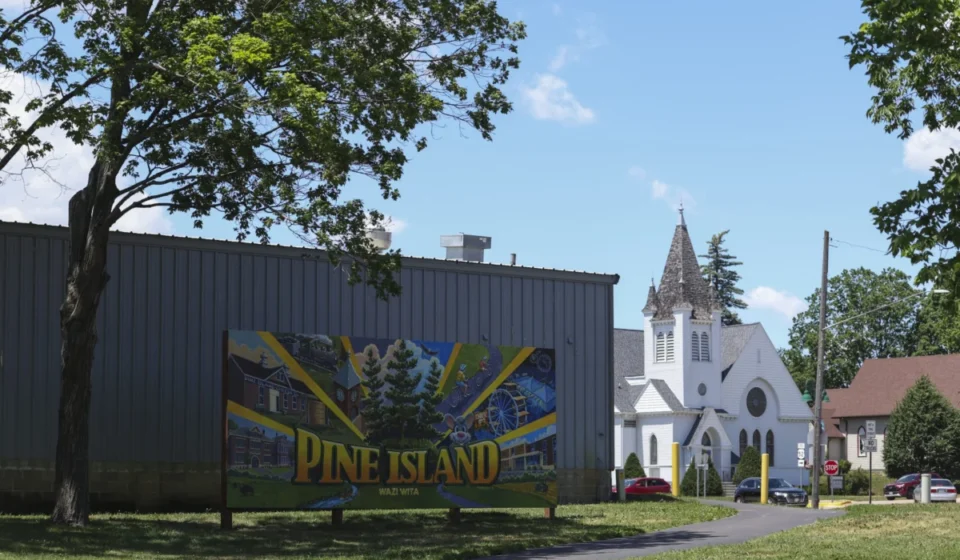
Pine Island, MN – In the tranquil expanse of rural Minnesota, a battle of unprecedented scale is unfolding, pitting local residents against some of the world’s most powerful tech corporations. Driving down a winding dirt road that skirts a vast agricultural field, Aubree Derksen of Pine Island articulates a feeling of being a modern-day David confronting Goliath. Her Goliath is Google, the tech titan collaborating with a developer to transform this pastoral landscape into a hyperscale data center, a project known locally as "Project Skyway." From her nearby home, conspicuously adorned with anti-data center signage, Derksen spearheads a burgeoning local opposition movement that has rapidly expanded across the state.
This grassroots coalition of Minnesotans is united in its effort to halt or significantly regulate proposed data center developments in communities spanning Pine Island, Farmington, Hermantown, Monticello, Faribault, and other cities. Their collective voice warns that local governments, often swayed by the allure of economic development promises, are failing to adequately address profound resident concerns. These concerns range from the health impacts of industrial-scale facilities to severe environmental and resource-management risks, particularly regarding energy and water consumption, noise, and light pollution.
Despite vocal protests and extensive advocacy, many proposed developments have "hummed through" local regulatory processes over the past two years. The only significant pauses have come through court orders, as seen in Pine Island and Faribault, offering temporary reprieves. Efforts at the state Legislature last session to introduce moratoriums and greater transparency around these projects ultimately failed, a setback Derksen described as "incredibly disappointing."
However, the upcoming campaign season has reignited hope. With city, county, and state offices on the ballot across Minnesota this fall, activists like Derksen firmly believe that data centers have become a pivotal election issue. "This is the new single-issue voter," Derksen declared, "It’s not going to be abortion or LGBTQ or immigration issues. I think it’s going to be data centers, and I think that’s something both parties are going to have to reckon with."
Chronology: A Timeline of Resistance and Development
The escalating conflict over data center proliferation in Minnesota represents a rapid evolution from isolated local disputes to a coordinated statewide movement. The timeline of this resistance showcases the tenacity of residents against well-funded corporate initiatives and highlights a growing political awakening.

The initial proposals for these massive facilities often emerged with little public fanfare, frequently shrouded in secrecy. Projects like Google’s "Project Skyway" in Pine Island and "Project Loon" in Hermantown, or Meta’s expansion in Rosemount, began their journey through local planning commissions with developers often leveraging non-disclosure agreements (NDAs) to keep details from public scrutiny. This lack of transparency fueled early distrust and resentment among residents who felt excluded from decisions directly impacting their communities.
For much of 2024 and early 2025, many of these proposals navigated local approval processes with relative ease. Local governments, enticed by promises of job creation and substantial property tax revenue, often prioritized development, leading to approvals despite nascent public opposition. Activists quickly found themselves outmatched by the legal and financial resources of tech giants, experiencing repeated frustration as their concerns were often sidelined. Efforts to introduce legislative measures at the state level in the last session, aimed at imposing moratoriums or requiring greater environmental review and transparency, ultimately stalled. These bills faced significant opposition from pro-business lobbying groups and, in some cases, labor unions who saw the construction phases of these projects as beneficial.
A turning point for the opposition came with legal interventions. Court orders forced pauses in proposed developments in Pine Island and Faribault, offering a crucial lifeline to local groups and demonstrating that legal challenges could indeed slow the corporate juggernaut. These victories, though temporary, invigorated the movement and provided valuable time for further organizing.
The grassroots mobilization intensified throughout late 2025 and early 2026. Groups like the Coalition for Responsible Data Center Development, led by Cathy Johnson in Farmington, began to connect disparate local efforts, sharing strategies and resources. Johnson, a retired teacher turned activist, articulated her motivation: "I was really enjoying my retirement. It just felt like these are such egregious projects that I could not just sit by. I needed to be involved." Her coalition, along with others, started focusing on the upcoming election cycle as a primary avenue for change.
The reckoning truly began at the DFL and GOP state conventions in May 2026. Data center resolutions garnered unexpected and broad support on DFL platform ballots, with a moratorium drawing 64% of votes and a resolution for tighter regulations receiving 76%. This demonstrated a significant shift within the Democratic-Farmer-Labor party, even as internal debates continued between environmentalists and labor groups. Simultaneously, Minnesota’s Republican convention also saw platform committee members adopt a resolution calling for a data center pause, underscoring the bipartisan nature of the growing concern.

In parallel with these political developments, some local governments began to respond proactively to resident concerns. Rosemount, a southeast Twin Cities suburb where Meta is actively constructing a data center, imposed a moratorium on any new projects beyond the current one. Lonsdale, about 40 miles south of Minneapolis, followed suit in May 2026 with a one-year moratorium. Mayor Tom Berg of Lonsdale explained that the city observed other communities rushing into agreements without adequate regulations and chose a different path. These local moratoriums provide tangible examples for activists elsewhere, illustrating that halting development is achievable with committed local leadership.
As the fall election season approaches, activists are now strategically identifying and supporting candidates at municipal, county, and state levels who are sympathetic to their cause. The resignation of Pine Island Mayor David Friese, creating an open mayoral race, and the three City Council seats up for election, present a significant opportunity for opponents of "Project Skyway." This ongoing focus on electoral impact marks a new, more politically sophisticated phase of the grassroots resistance.
Supporting Data: Unpacking the Environmental and Economic Debate
The debate surrounding hyperscale data centers is multi-faceted, resting on critical environmental impacts and contentious economic arguments. Activists and concerned citizens are increasingly armed with data highlighting the immense resource demands and questionable long-term benefits of these facilities.
Environmental Impact: A Thirsty, Energy-Hungry, and Noisy Neighbor
Hyperscale data centers are notorious for their voracious appetite for resources, particularly water and electricity.

- Water Consumption: These facilities require massive amounts of water, primarily for cooling server racks to prevent overheating. A single large data center can consume millions of gallons of water daily, equivalent to the needs of a small city. In a state like Minnesota, with vital agricultural industries and increasingly observed drought conditions, such demands raise serious concerns about water security and allocation. Opponents argue that dedicating vast quantities of potable water to cool servers is an unsustainable practice, especially when local communities face their own water management challenges.
- Energy Demand: Data centers are also monumental energy consumers. A large facility can draw as much power as tens of thousands of homes, necessitating significant upgrades to local power grids and placing immense strain on existing energy infrastructure. While tech companies often tout commitments to renewable energy, the reality is that many data centers still rely heavily on fossil fuel-generated electricity, contributing to carbon emissions. Xcel Energy’s involvement as a "platinum sponsor" in local events, alongside Google and Ryan Companies, highlights the utility sector’s stake in these high-demand customers.
- Noise Pollution: The constant operation of cooling systems, backup generators, and ventilation fans generates a pervasive, low-frequency hum. For residents who have chosen rural Minnesota for its tranquility, this ceaseless industrial noise represents a profound degradation of their quality of life. Aubree Derksen’s concern about whether she’ll "still be able to hear the birds" underscores this point vividly.
- Light Pollution: Hyperscale data centers operate 24/7, requiring extensive lighting for security and operations. This constant illumination contributes to light pollution, obscuring natural night skies and impacting local ecosystems that rely on natural light cycles. For residents like Derksen, who moved to Pine Island to "sit out on her deck and watch the stars in silence," this is a direct threat to a cherished amenity.
- Land Use: The sheer scale of these developments often necessitates converting large tracts of agricultural land or natural habitats into industrial sites. The proposed 482-acre "Project Skyway" in Pine Island exemplifies this, raising questions about the permanent loss of productive farmland and green space.
Economic Impact: Promises vs. Reality
Developers consistently promote data centers as economic boons, promising substantial property tax revenue and job creation. However, critics like Lonsdale Mayor Tom Berg express deep skepticism.
- Job Creation: Berg argues that most jobs generated are temporary construction roles, providing only short-term benefits to the local economy. Once operational, data centers are highly automated and require a relatively small number of permanent, highly specialized staff, often recruited from outside the local area. This contrasts sharply with the broader job growth promised by traditional industrial developments.
- Property Tax Revenue: While initial property tax revenue can be attractive, Berg warns that it "might dry up in the long-term, leaving cities overextended with an empty industrial building." This concern stems from several factors: the potential for tech companies to negotiate significant tax abatements or incentives, the relatively low long-term maintenance costs (and thus lower taxable value growth compared to other industries), and the risk of obsolescence or relocation, leaving behind a specialized structure with limited alternative uses. "Praying for a boom is just not good fiscal responsibility," Berg stated, advocating for more sustainable economic planning.
- Opportunity Cost: Opponents also point to the opportunity cost – what other, more sustainable or community-aligned developments could occupy that land and utilize those resources? They argue that the immense public subsidies and resource allocation to data centers detract from investments in industries that might offer more diverse, long-term local employment and greater community integration.
Public Opinion: A Bipartisan Consensus of Concern
A recent Ipsos poll sheds light on the public’s nuanced, yet largely skeptical, view of data centers. While partisan rifts exist, the survey found a surprising degree of bipartisan agreement on environmental concerns.
- Environmental Concerns: Democrats exhibited the highest concern regarding environmental impacts, but a significant majority of Republicans also shared this sentiment. This indicates a broad, cross-political recognition of the ecological footprint of these facilities.
- Government Restrictions: Republicans were generally more opposed to government restrictions on data centers than Democrats. However, the poll noted that conservatives were "quite split on the question," suggesting a lack of unified pro-development sentiment within the GOP.
- Overall Support: The poll concluded that while Republicans were "slightly more optimistic about data centers," overall public support for their construction remains low. This underscores the challenge developers face in gaining community buy-in, even with promises of economic growth.
The data collectively paints a picture of facilities that are environmentally demanding, economically uncertain beyond the construction phase, and increasingly unpopular with the public across political lines.

Official Responses: Government, Industry, and Activist Positions
The diverse reactions from local governments, the tech industry, and activist groups highlight the complex pressures and competing interests at play in Minnesota’s data center debate.
Local Government Responses: From Open Arms to Cautionary Pauses
Initially, many local governments, especially in Greater Minnesota, were highly receptive to data center proposals. Facing stagnant economic growth and seeking new revenue streams, they were "charmed by the promises of economic development." This often led to rapid approvals, with some officials signing non-disclosure agreements (NDAs) that kept project details hidden from public view. Mayor Berg of Lonsdale, who testified at the Capitol against NDAs, argued that these agreements "are eroding public trust in institutions" by preventing transparency and public discourse.
However, a shift is underway. A growing number of local governments are now taking a more cautious approach. Rosemount, while already hosting a Meta data center, imposed a moratorium on any new projects, demonstrating a willingness to manage growth. Lonsdale’s one-year moratorium, enacted in May 2026, was a direct response to observing other cities "entering into conversations with developers before regulations were in place." Mayor Berg emphasized that this "pause" allows for "really pushing forward with regulations with community feedback," prioritizing thoughtful planning over hasty development. These examples serve as powerful precedents for activists in other communities.
State Legislature: Stalled Progress Amidst Complex Alignments

At the state level, legislative efforts to rein in data center proposals have, thus far, been unsuccessful. Bills seeking moratoriums or increased transparency failed in the last session, much to the disappointment of activists. This failure can be attributed to complex political alignments. While environmental groups and many residents advocate for stricter regulations, pro-business moderates within both parties, along with powerful labor groups (who see data center construction as a source of jobs), have pushed back against measures that might deter investment. The DFL, despite strong convention votes for moratoriums, faces internal divisions that complicate legislative action. Similarly, while the GOP platform committee adopted a call for a pause, the party’s general inclination towards free-market approaches means unified support for government restrictions is not guaranteed.
Industry’s Stance: Economic Growth and Digital Necessity
Tech giants like Google and Meta, along with developers like Ryan Companies and utilities such as Xcel Energy, frame their data center projects as essential for the digital economy, bringing significant economic benefits. Their arguments typically revolve around:
- Job Creation: Highlighting construction jobs and a smaller number of high-paying technical positions.
- Tax Revenue: Promising substantial property tax contributions to local municipalities.
- Infrastructure Investment: Emphasizing the modernization of local utility infrastructure to support the centers.
- Sustainability: Often making claims about using renewable energy sources or implementing efficient cooling technologies, though the actual environmental footprint remains a point of contention for activists.
- Digital Future: Stressing the necessity of these facilities to power cloud computing, artificial intelligence, and the ever-expanding digital services that underpin modern life.
Their approach often includes significant financial engagement with local communities, as evidenced by Google, Ryan Companies, and Xcel Energy acting as "platinum sponsors" for events like Pine Island’s annual Cheese Festival – a subtle but effective way to build goodwill and influence.
Activists’ Unified Voice: Transparency, Moratoriums, and Local Control

The diverse grassroots groups, including the Coalition for Responsible Data Center Development and organizations like CURE, have coalesced around a few core demands:
- Moratoriums: A temporary halt to all new data center approvals to allow for comprehensive study and the development of robust regulations.
- Transparency: An end to NDAs and full public disclosure of all project details, including environmental impact assessments and resource usage projections.
- Local Control: Empowering communities to have the final say on developments that fundamentally alter their character and resource base.
- Environmental Protection: Prioritizing the preservation of water, energy, and air quality, and minimizing noise and light pollution.
- Quality of Life: Protecting the rural character, natural beauty, and peaceful existence that drew many residents to these communities.
Sarah Mooradian, government relations and policy director at CURE, notes that the strong bipartisan support for data center resolutions at both state conventions is a "pretty good indicator of what’s happening statewide," reinforcing the idea that this is a truly cross-cutting issue.
Implications: The Future of Minnesota’s Landscape and Politics
The unfolding data center debate carries profound implications for Minnesota’s environmental future, economic trajectory, and political landscape. The outcome of this "David vs. Goliath" struggle will not only shape the physical environment of communities but also redefine the parameters of local autonomy and citizen engagement in an era of rapid technological expansion.
Electoral Impact: Data Centers as a Decisive Wedge Issue
Aubree Derksen’s assertion that data centers will become "the new single-issue voter" concern is gaining traction. The passion and organization of grassroots activists are poised to make these projects a decisive factor in upcoming elections.

- Local Races: The most immediate impact will be felt in municipal elections. In Pine Island, the resignation of Mayor David Friese and three City Council seats on the ballot create a critical opportunity for opponents of "Project Skyway." Activists are actively working to identify and support candidates who align with their concerns, understanding that control of the City Council is paramount to influencing the project’s future. Similar efforts are underway in Hermantown, where Rebecca Gilbertson’s group is exploring options to influence local government regarding "Project Loon." The successes in Rosemount and Lonsdale demonstrate that local leadership can indeed impose meaningful restrictions.
- State Legislative Races: Beyond local councils, the battle extends to state House and Senate levels. Shifts in party control or even individual seat changes could significantly impact the legislative outlook for data center regulations. Activists are closely monitoring legislative races in affected communities. For instance, Cathy Johnson supports DFL challenger Mark Legvold against Republican incumbent Bill Lieske in a battleground Senate district, believing Legvold will be more aligned on data center issues. Similarly, high-stakes swing districts in northern Minnesota, like those held by Sen. Grant Hauschild (DFL-Hermantown) and Rep. Natalie Zeleznikar (R-Fredenberg Township), will be closely watched. The aim is to elect officials willing to support moratoriums, enhance transparency, and prioritize local environmental concerns over unchecked industrial development.
Policy Outlook: A Push for Moratoriums and Comprehensive Regulation
The sustained pressure from communities and the emerging bipartisan political will suggest that legislative efforts to regulate data centers could be revived and potentially succeed in future sessions.
- Statewide Moratoriums: A key objective for activists is a statewide moratorium, allowing time for a comprehensive study of the cumulative environmental and economic impacts of data centers across Minnesota. This would enable the development of consistent, robust regulations rather than piecemeal local responses.
- Transparency Measures: Bills banning NDAs, like the one Mayor Berg supported, could gain traction, fostering greater public trust and informed decision-making.
- Resource Management: Future policies may focus on stricter requirements for water conservation, renewable energy sourcing, and noise/light pollution mitigation for data centers.
- Economic Impact Assessments: Calls for more rigorous, independent assessments of the long-term economic benefits, including consideration of tax abatements and job quality, are likely to intensify.
Socio-Environmental Consequences: The Erosion of Rural Character
At its heart, the opposition to data centers is a fight to preserve the very character and quality of life in Minnesota’s rural communities.
- Loss of Tranquility: For residents like Aubree Derksen and Rodney Lanners, the prospect of a massive industrial facility less than a mile from their homes represents an irreversible loss of peace, natural beauty, and connection to the environment. The constant hum, artificial light, and industrial footprint threaten the ability to hear birds, see stars, and enjoy the quietude they sought in small-town living.
- Impact on Wildlife and Ecosystems: The conversion of farmland and natural areas, combined with noise and light pollution, poses significant threats to local wildlife, including birds, pollinators, and raptors that Lanners cherishes. Derksen’s monitoring of native plants and birds in her backyard highlights the intimate connection residents feel to their local ecosystems.
- Community Identity: Data centers, often windowless and highly automated, are seen as isolated industrial entities that do not integrate into the fabric of a small town. They represent a fundamental change from an agrarian or quiet residential landscape to a high-tech industrial zone, fundamentally altering a community’s identity. Lanners’ sentiment, "This is supposed to be our final home, and hopefully it is," encapsulates the deep personal stake many residents have in this struggle.
Broader Context: Minnesota as a Microcosm

Minnesota’s struggle is not isolated; it mirrors a growing global debate about the environmental and social costs of the digital age. As cloud computing, AI, and big data continue to expand, the demand for hyperscale data centers will only increase. How Minnesota addresses these developments could set a precedent for other states and regions grappling with similar challenges. The tension between technological advancement and environmental stewardship, economic development and community preservation, will continue to define this crucial issue.
The fight is far from over. The determined efforts of individuals like Aubree Derksen and Rodney Lanners, coupled with the burgeoning statewide political movement, ensure that the future of data centers in Minnesota will remain a contentious and defining issue for years to come. The upcoming elections will serve as a critical juncture, determining whether Minnesota’s landscape and local communities bend to the will of tech giants or assert their collective power to shape a more sustainable future.