

















































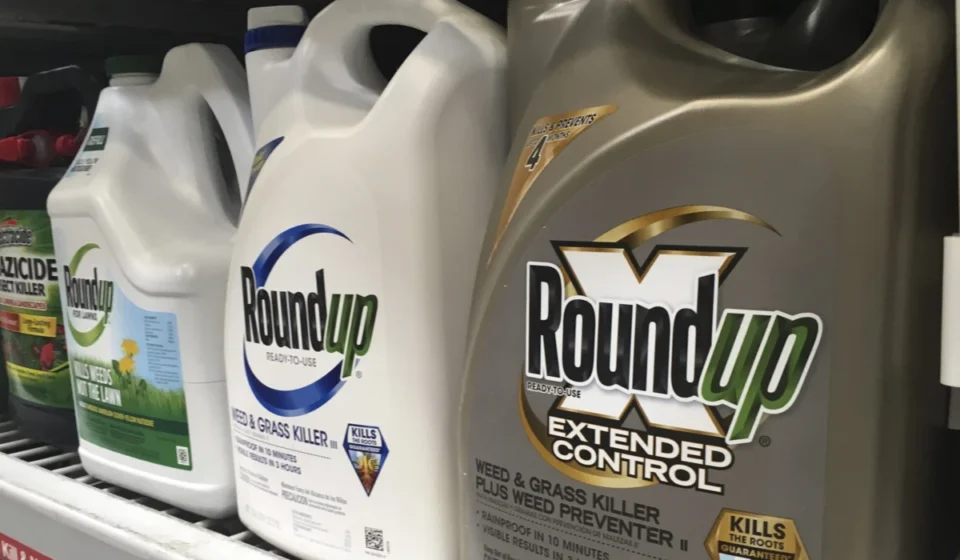

A massive $7.25 billion class-action settlement, designed to put an end to years of litigation over Bayer’s controversial herbicide Roundup, has ignited a fierce legal battle. Critics, including prominent plaintiffs’ attorneys, are decrying the agreement as a "sweetheart deal" that violates the fundamental due process rights of millions of Americans. As the legal community watches, the fight over this settlement has shifted from the quiet halls of Missouri state court to a high-stakes attempt to move the dispute into the federal judiciary, raising questions about corporate accountability, the rights of future cancer victims, and the future of pesticide regulation in the United States.
The Core of the Controversy: A "Sweetheart Deal"
At the heart of the dispute is a proposed settlement between Bayer—which acquired the agrochemical giant Monsanto in 2018—and a group of plaintiffs’ attorneys. The settlement aims to resolve tens of thousands of existing lawsuits brought by individuals who allege that exposure to Roundup, the world’s most widely used glyphosate-based herbicide, led them to develop non-Hodgkin lymphoma (NHL).
However, the structure of the deal has drawn sharp rebukes from legal observers and advocacy groups. Critics argue that while the settlement offers a substantial $675 million in fees to the lawyers who brokered it, the actual compensation earmarked for cancer victims is, by comparison, meager. More alarmingly, the deal seeks to bind not only current plaintiffs but also future Roundup users who may develop cancer down the line, effectively stripping them of their right to sue the company in the future.
In a scathing court filing submitted in Missouri’s Circuit Court of the City of St. Louis, objectors argued that the agreement runs "roughshod over basic due process rights." The filing alleges that the settlement is designed to shield Bayer from future jury trials and genuine legal liability, effectively rewarding the company for its past practices while allowing it to continue selling glyphosate-based products without explicit cancer warnings on the packaging.
Chronology: From Negotiation to Judicial Friction
The trajectory of this settlement reflects the immense pressure on both Bayer and the plaintiffs’ bar to resolve the "Roundup crisis."
- February 2026: Bayer and a cohort of lead plaintiffs’ attorneys formally propose the $7.25 billion settlement, intending to create a nationwide program to handle both current and future litigation.
- Early 2026: A Missouri judge grants preliminary approval to the deal, a move that surprised many legal experts given the complexity and controversy surrounding the case.
- May 21, 2026: Lawyers Ashley Keller and representatives from Frazer PLC file formal objections to the settlement, characterizing it as a violation of the US Constitution.
- May 22, 2026: In a bold strategic maneuver, objectors file a "notice of removal," attempting to shift the state-level case to federal court, specifically looking to bring the matter under the oversight of US District Judge Vince Chhabria in California.
- June 4, 2026: The deadline for victims to opt out of the class-action settlement.
- Late June 2026: A pivotal US Supreme Court ruling is expected regarding Monsanto’s liability, which will significantly influence the bargaining power of both sides.
- July 2026: A final approval hearing for the settlement is scheduled in Missouri.
Supporting Data: Fees vs. Fairness
The financial optics of the proposed settlement remain a primary point of contention. The $675 million allocated for legal fees stands in stark contrast to the individual payouts proposed for those suffering from cancer. Critics argue that the "futures" subclass, which covers anyone who has merely "seen" someone using Roundup, is an unprecedented and unconstitutional expansion of class-action law.
By including future victims who have not yet been diagnosed—or even those not yet born—the settlement effectively creates a "liability-management scheme." According to the May 21 court filing, the structure is "comically difficult" for injured parties to opt out of, requiring victims to navigate a labyrinthine series of administrative steps. Failure to strictly follow these procedures results in an automatic inclusion in the class, effectively signing away one’s right to pursue independent litigation for life-altering health outcomes.
Official Responses and Strategic Maneuvering
Bayer maintains that the settlement is both fair and necessary. In an official statement, the company argued that objections are a standard part of any large-scale, nationwide settlement process and expressed full confidence that the deal would hold up under scrutiny at the July hearing.
"We remain confident that the long-term and well-financed proposed class settlement plan, which is supported by plaintiff law firms representing thousands of potential class members, is fair to all claimants," a Bayer spokesperson stated. The company argues that the deal prevents the company from falling into bankruptcy—which could result in even less money for victims—and ensures that farmers maintain access to essential agricultural tools.
Chris Seeger, a lead attorney who helped structure the deal, dismissed the attempt to remove the case to federal court as a "baseless delay tactic." He argues that the settlement remains the most viable, clear path to providing compensation to victims who have waited over a decade for a resolution.
Conversely, the objectors, led by attorney Ashley Keller, view the deal as an existential threat to the rights of the injured. Keller has famously argued before the Supreme Court regarding Monsanto’s liability, and he characterizes the current settlement as a "laundering" operation. By attempting to move the case to federal court, Keller hopes to bring the settlement under the purview of Judge Vince Chhabria, who has previously described the proposal as "filthy," "mind-boggling," and "legally problematic."
Implications: The Shadow of the Supreme Court
The final outcome of this litigation is inextricably linked to the looming Supreme Court decision regarding the Federal Insecticide, Fungicide, and Rodenticide Act (FIFRA).
The core question before the High Court is whether state-level juries can hold Monsanto liable for a "failure to warn" about cancer risks when the Environmental Protection Agency (EPA) has maintained that glyphosate is "unlikely" to be carcinogenic. If the Supreme Court rules in favor of Monsanto, it could effectively preempt many state-level lawsuits, making it nearly impossible for future plaintiffs to win in court.
Bayer and the proponents of the settlement are using this looming ruling as a pressure tactic. They argue that if victims opt out of the settlement and the Supreme Court subsequently limits the scope of future litigation, those who opted out will be left with nothing.
However, the implications of this settlement extend far beyond the bank accounts of the plaintiffs. If the court approves a deal that grants broad immunity to a corporation for a product that remains on the market without warning labels, it sets a dangerous precedent for future toxic tort litigation. The case highlights a systemic tension between the need for efficient mass-tort resolution and the constitutional right of individuals to seek redress through the jury system.
As the July hearing approaches, the legal community is watching closely. Whether this settlement is viewed as a pragmatic solution to a clogged judicial system or as a "sweetheart deal" that compromises the rights of the vulnerable will be decided in the coming months. For millions of Roundup users, the stakes could not be higher.