
























































The water closed around me, silencing the frantic cadence of modern life. As I floated in the deep blue of Cabo Pulmo, surrounded by a living, breathing wall of bigeye jacks that moved with a fluid, primordial indifference to my presence, the concept of "wellness" suddenly shed its commercial skin. There were no piped-in zen melodies, no scented candles, and no manicured treatment rooms. There was only the rhythmic amplification of my own breath through the snorkel, the sunlight filtering through the school of fish, and a profound, wordless connection to the ocean.
This moment, occurring on the final day of a luxury retreat in Los Cabos, captured the shifting paradigm of modern travel. For years, wellness was an amenity—a checkbox on a hotel booking site, a spa menu to be skimmed, or a post-dinner yoga class. Today, for a growing demographic of travelers, wellness is the primary reason for departure.
The Evolution of the Wellness Traveler
The wellness industry has undergone a radical metamorphosis over the last two decades. In the early 2000s, growing up in Mexico, the term was often synonymous with the artificial, all-inclusive resort experience—a blend of beauty treatments and passive relaxation. While traditional temazcals—ancient indigenous sweat lodges—existed, they were often viewed as cultural curiosities rather than essential components of holistic health.
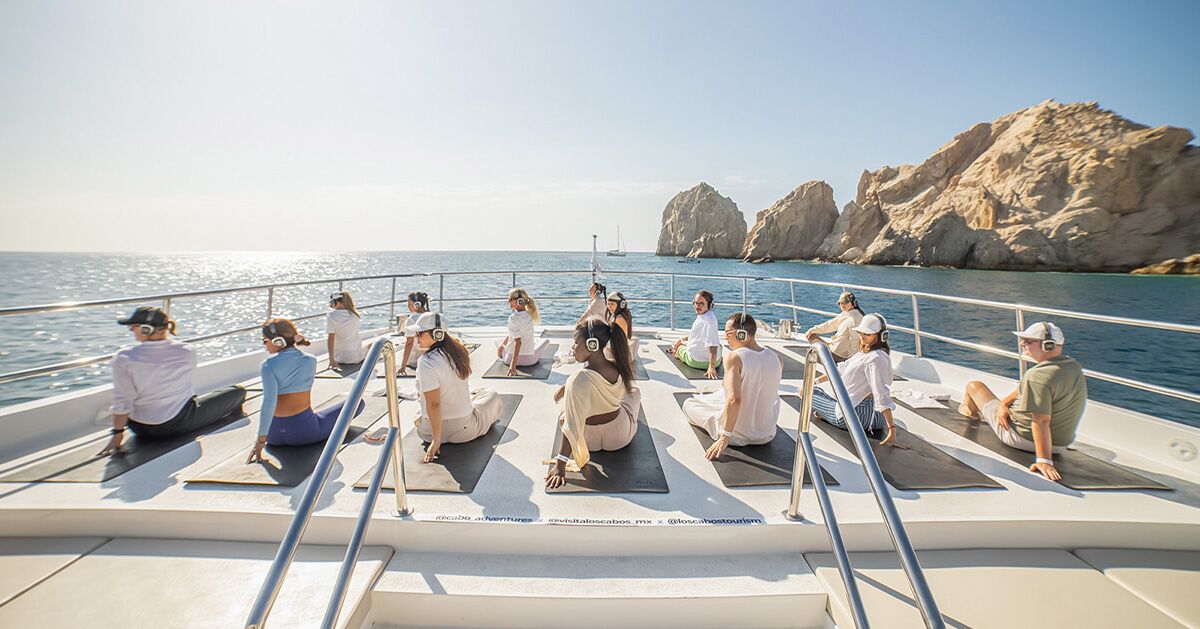
Today, the approach is intentional. "People go on vacation to come back better than when they left," says Lighuen Desanto, co-founder of SUDA, a global wellness design firm. This sentiment is backed by hard data from the Los Cabos Tourism Board. In 2019, roughly 12 percent of visitors to the region participated in a dedicated wellness experience. By 2025, that figure climbed to nearly 19 percent, representing approximately 800,000 visitors annually.
This is not merely a shift in consumer preference; it is a fundamental reconfiguration of the travel industry. Wellness is no longer relegated to the "free afternoon"; it is the itinerary itself.
Chronology of a Shift: From Amenity to Infrastructure
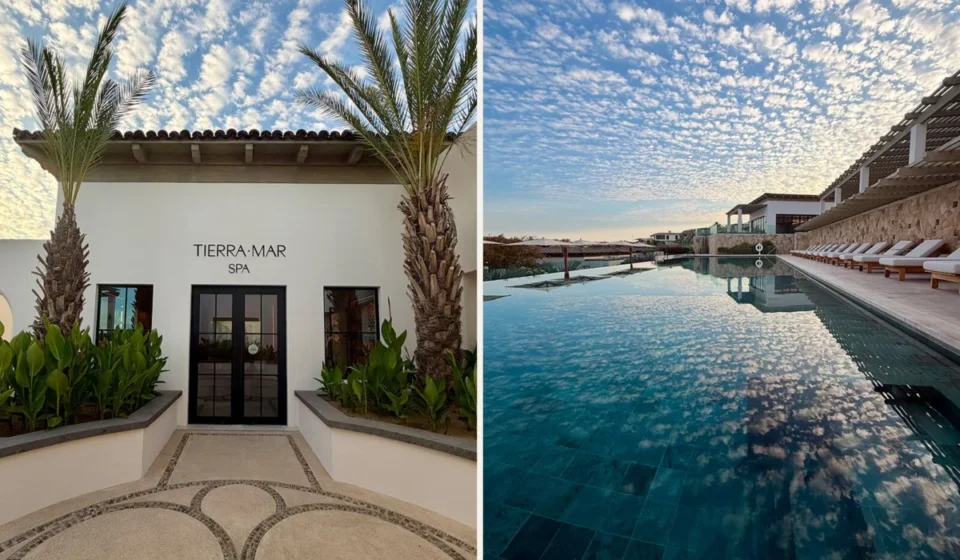
The trajectory of Los Cabos as a wellness hub can be mapped through the evolution of its hospitality landscape. Initially, the region relied on the "Resort Model"—service-heavy, predictable, and self-contained. The Four Seasons Resort Cabo del Sol exemplifies the pinnacle of this segment: ultra-luxury villas, signature spas, and high-end dining that prioritize guest comfort above all else.
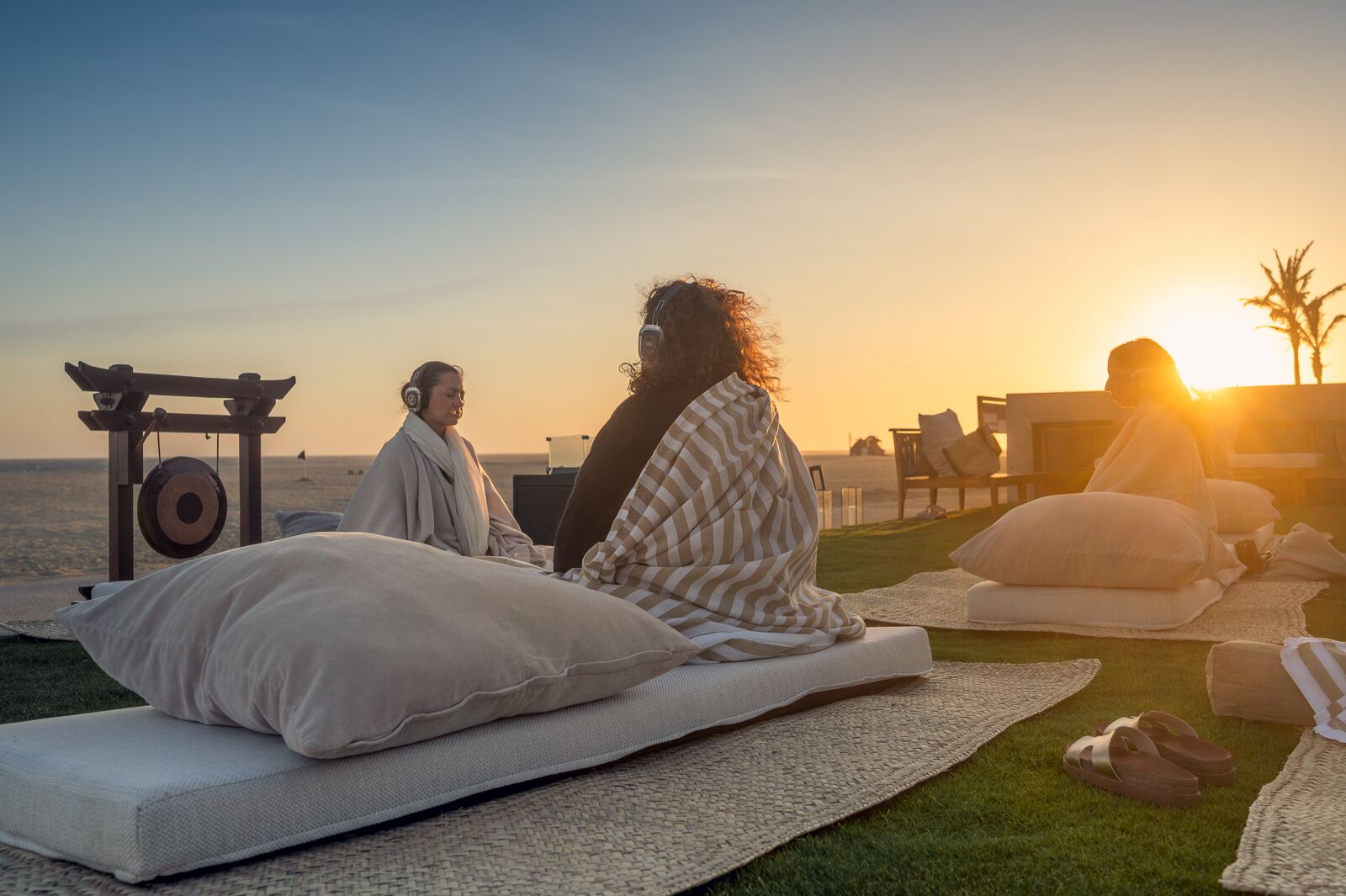
However, a second wave of development emerged to challenge this, focusing on health-centric, results-oriented programming. Sensei, the wellness center at Zadún, represents this pivot. Here, the focus shifts to a clinical but compassionate approach to movement, rest, and nutrition. Lina Morales, director of wellness at Sensei, notes that the goal is to create sustainable lifestyle habits.
"People can come here for their well-being program, but that doesn’t mean they can’t have a round of margaritas or go eat their tacos," Morales explains. This nuance is critical. By stripping away the performative, restrictive nature of traditional wellness, the industry in Los Cabos is normalizing health as part of a balanced, human life.
Supporting Data: The Rise of the "Natural Infrastructure"
The most significant trend currently reshaping the Baja Peninsula is the integration of architecture with the environment. Luxury, once defined by marble, gold, and excess, is being redefined by space, silence, and proximity to nature.
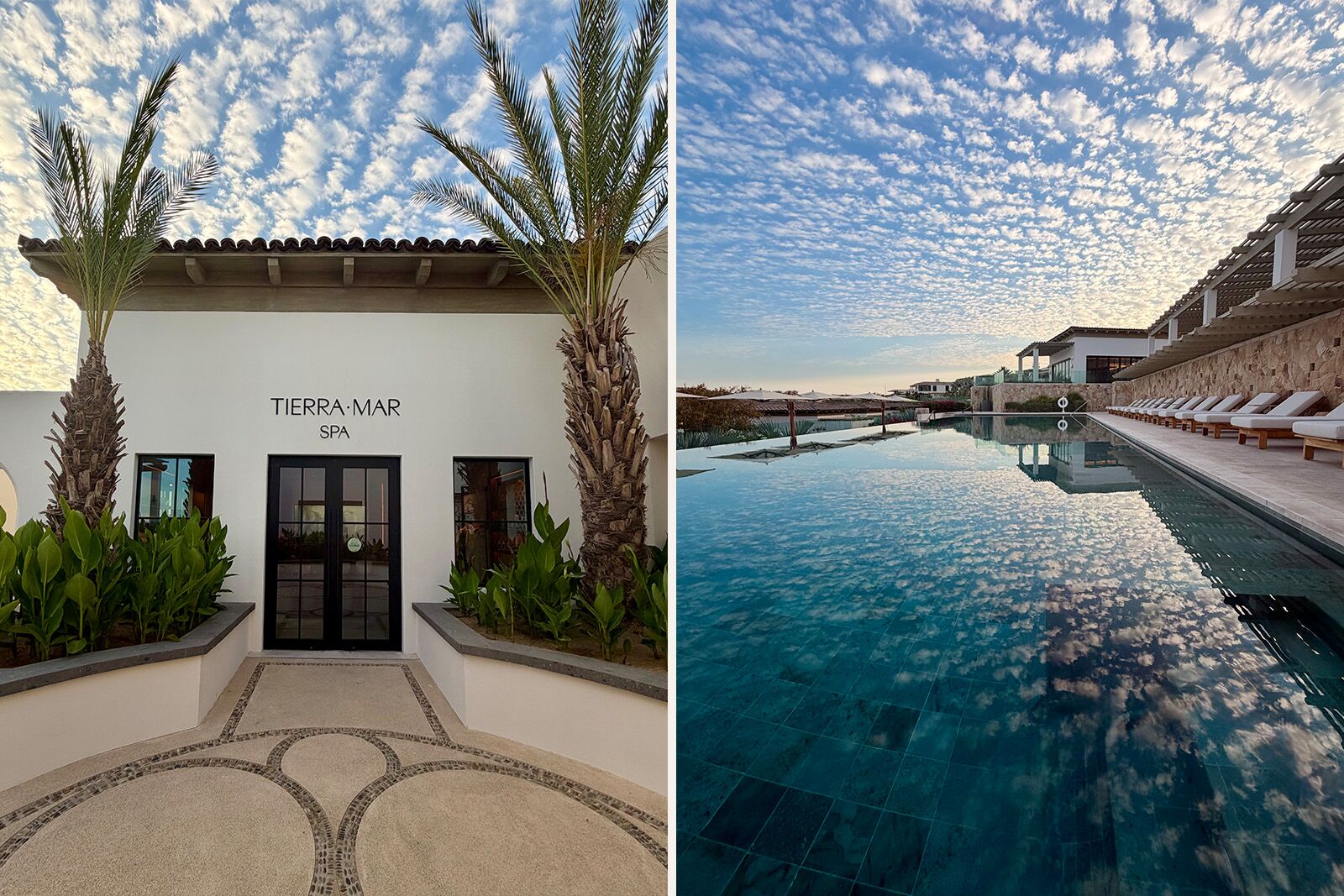
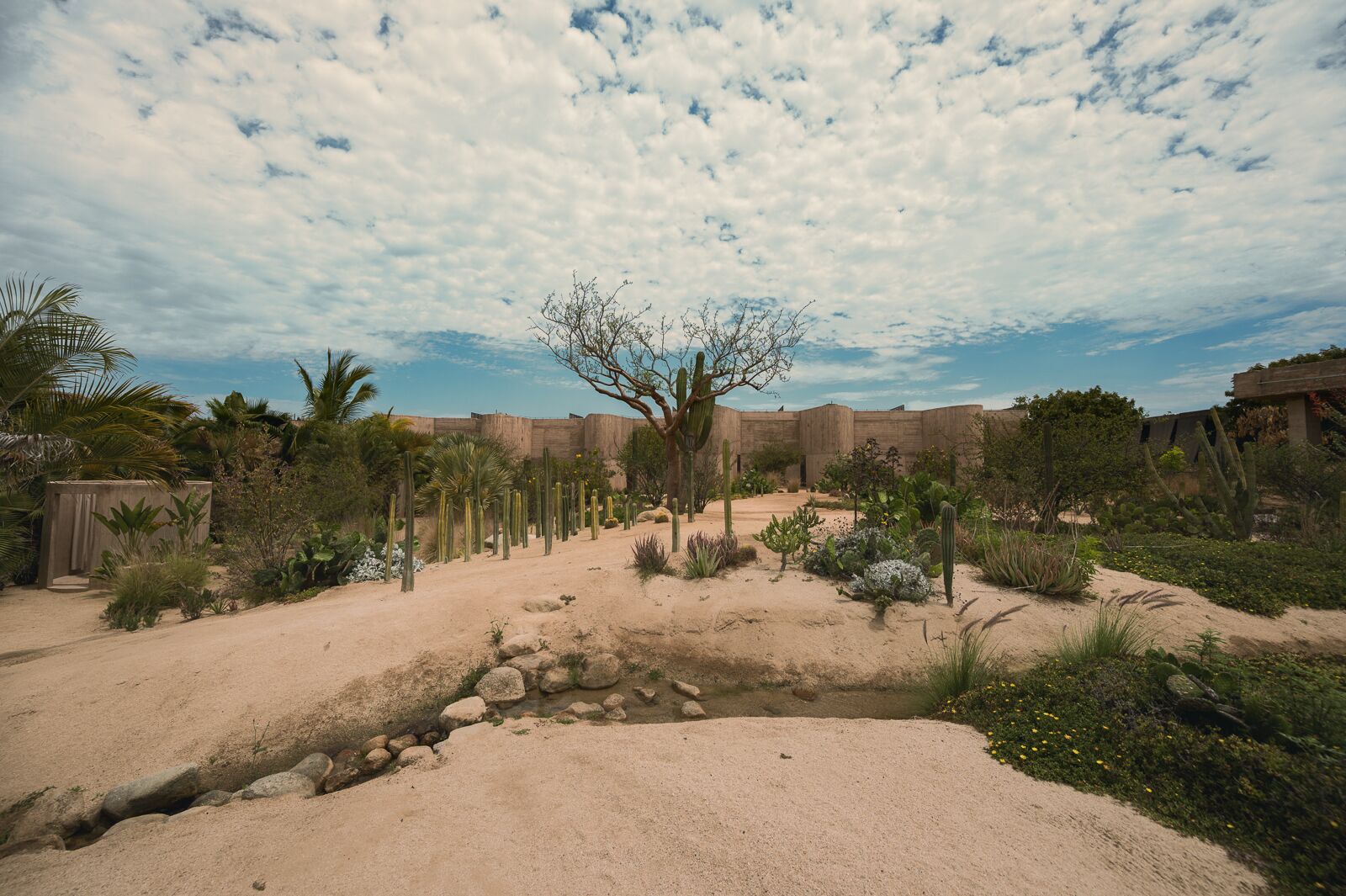
Frederic Capello, general manager of Paradero—a boutique hotel located in the agricultural heart of the La Mesa community near Todos Santos—advocates for a minimalist philosophy. "True luxury is feeling renewed," he says. Paradero’s architecture acts as a sensory buffer; the concrete structures mimic the desert palette, and the reliance on native cacti and flora forces guests to engage with the environment rather than hide from it.
This strategy is being replicated across the region. Four Seasons Costa Palmas utilizes sand dunes and native vegetation to define its pathways, while restaurants like Monte Cardón operate on a philosophy of minimal development to maintain the raw, visceral connection to the landscape. The planned arrival of the Aman brand in Cabo del Este further cements this shift toward "secluded luxury," where the value proposition is the absence of stimuli.
Official Perspectives: The Role of the Tourism Board
Rodrigo Esponda, managing director of the Los Cabos Tourism Board, views this growth not as a sprint, but as a strategic balancing act. "The challenge is to grow tourism without damaging the nature and communities that make the region appealing," Esponda notes.
The Tourism Board is actively promoting a broader definition of wellness to mitigate the "exclusive" stigma. By highlighting community-based wellness initiatives—such as the full-moon meditations at Playa El Tule organized by Your Cabo People or the sound baths offered by FloreSer Los Cabos—the region is creating an entry point for all travelers, regardless of their budget.
Ofelia Bojórquez, a therapist and co-founder of Baja Wellness, emphasizes that these community-led sessions are the heartbeat of the local scene. "Most people need an entry point before they can build a deeper relationship with these disciplines," she says. Whether it is an intercultural women’s circle or a beachside sound bath, these experiences allow the destination to offer something that an imported spa treatment never could: authentic, local human connection.
Implications: The Future of Destination Wellness
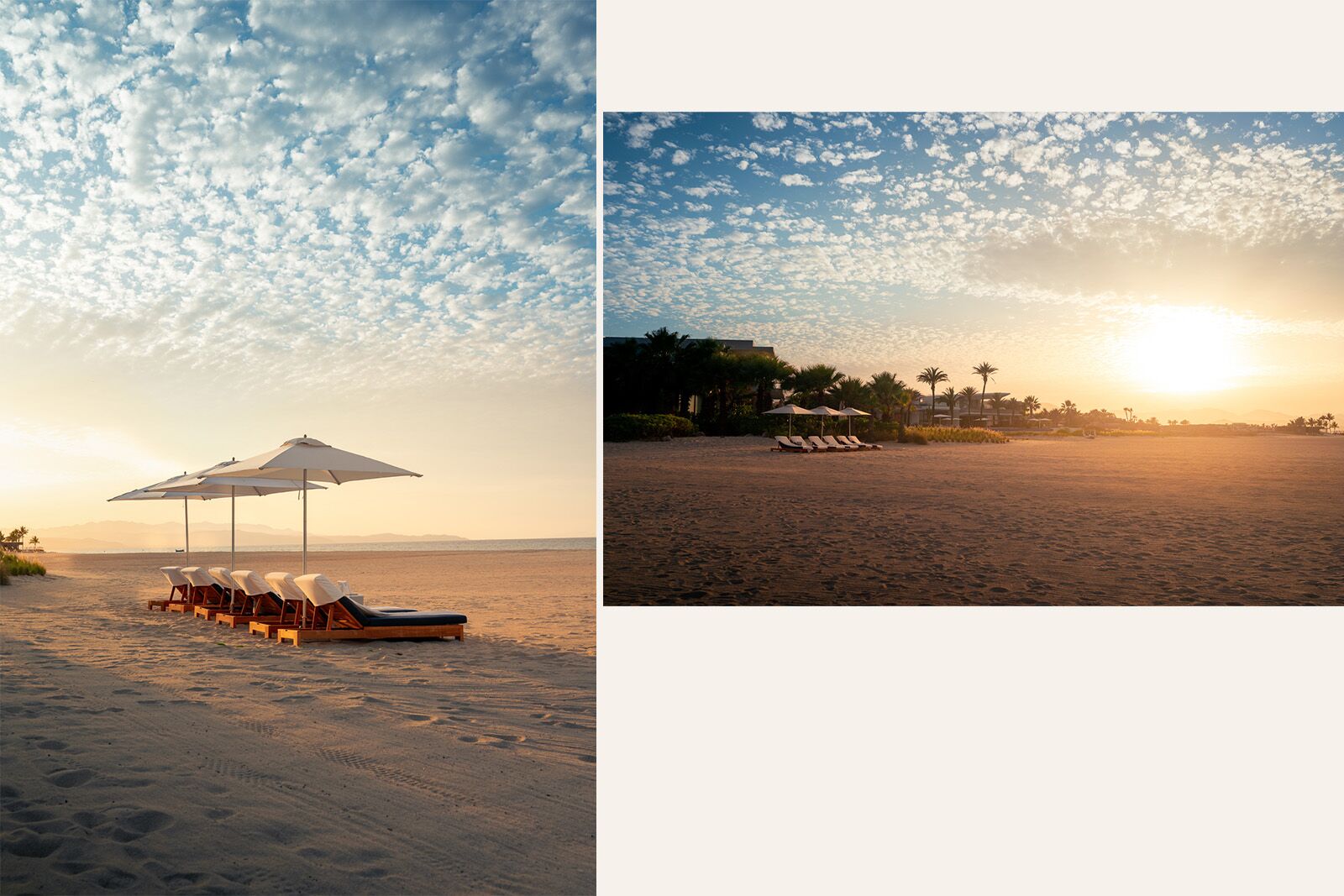
As the wellness market becomes increasingly standardized globally, the future of Los Cabos depends on its ability to offer what cannot be manufactured. The "natural infrastructure" of Baja California Sur—the stark contrast between the desert and the Sea of Cortez, the silence of the mountains, and the rhythm of the tides—is the ultimate wellness product.
The implications for the industry are twofold:
- The Move Toward Agritourism: The farm-to-table movement is no longer just a dining trend; it is a wellness tool. Projects like Flora Farms and Acre sell a relationship with the land. When guests understand the stories behind their food, the dining experience becomes a form of mindfulness.
- The "Disconnection" Imperative: Future travelers will continue to seek out "digital detox" environments. The success of properties like Paradero proves that removing, rather than adding, amenities is the next frontier of luxury.
As I reflected on my snorkeling experience in Cabo Pulmo, I realized that the ocean was not merely a backdrop. It was the active agent of my own restoration. In the best iterations of wellness, the traveler ceases to be a consumer of services and becomes a participant in a place.
The future of wellness in Los Cabos will not be decided by the quality of its hotel beds or the sophistication of its spa menus—though those remain world-class. It will be decided by the region’s ability to protect the wild, unbranded, and indifferent spaces that allow a human being to stop, breathe, and finally feel like they have returned to themselves.