
























































Shadows Over the Cubbies: How Grassroots Networks Saved Minneapolis Child Care Amidst an Immigration Crackdown

This report was produced by The Hechinger Report, a nonprofit, independent news organization focused on inequality and innovation in education.
MINNEAPOLIS — On a frigid February afternoon, the daily ritual at a local Spanish-immersion child care center looks deceptively mundane. Toddlers scramble to grab puffy coats from color-coded cubbies, while parents assist with the frantic, mittened dance of winter dismissal. But inside an office just down the hall, the atmosphere is heavy with a different kind of vigilance.
Michael, the husband of the center’s director, sits hunched over a bank of monitors, his eyes tracking the live feed from the building’s security cameras. He isn’t watching for unruly behavior; he is scanning the street for any sign of U.S. Immigration and Customs Enforcement (ICE) vehicles. Since January, when the federal "Operation Metro Surge" descended upon the Twin Cities, Michael has left his own job early every afternoon to volunteer as a sentry, ensuring the staff can leave the building without being intercepted.
The Rise of the "Abuelitas"
As the final children depart, a new shift begins. A group of volunteers—mostly women in their 70s—arrive at the center. The staff has affectionately dubbed them the abuelitas, despite the fact that these women have no familial connection to the children enrolled.
Their mission is precise: to escort the center’s immigrant staff members to their homes, serving as observers and, if necessary, translators, should they encounter federal agents. Though the center’s director, Diana, confirms that all her staff members possess legal authorization to work in the country, the climate of aggressive, indiscriminate enforcement has rendered them terrified to commute alone.
"I’m just doing what I can do," says Sarah, a 71-year-old volunteer who has become a fixture in the transport network. "I obviously feel less vulnerable than they are. I’m white, I’m 71. I think I would not be treated the way they might be treated." Sarah, like many others interviewed for this report, requested anonymity for the center and her full identity, fearing that drawing attention to their operations could invite unwanted scrutiny from authorities.
A Chronology of Crisis: From Viral Rumors to Federal Freezes
The current crisis in Minnesota’s child care sector did not emerge in a vacuum; it was catalyzed by a volatile intersection of social media misinformation and federal policy shifts.
- November 2025: Rumors begin to circulate among immigrant communities in the Twin Cities that ICE agents are detaining individuals regardless of their legal status, bypassing traditional due process.
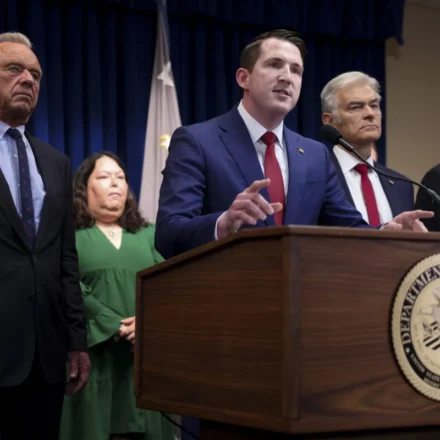
- December 26, 2025: Right-wing influencer Nick Shirley posts a YouTube video alleging widespread fraud in Somali-run daycares. Despite being debunked by local reporters, the video goes viral, earning endorsements from high-ranking federal officials, including Vice President JD Vance and Attorney General Pam Bondi.
- Late December 2025: The Trump administration freezes federal child care payments for low-income families in Minnesota, citing the fraud allegations.
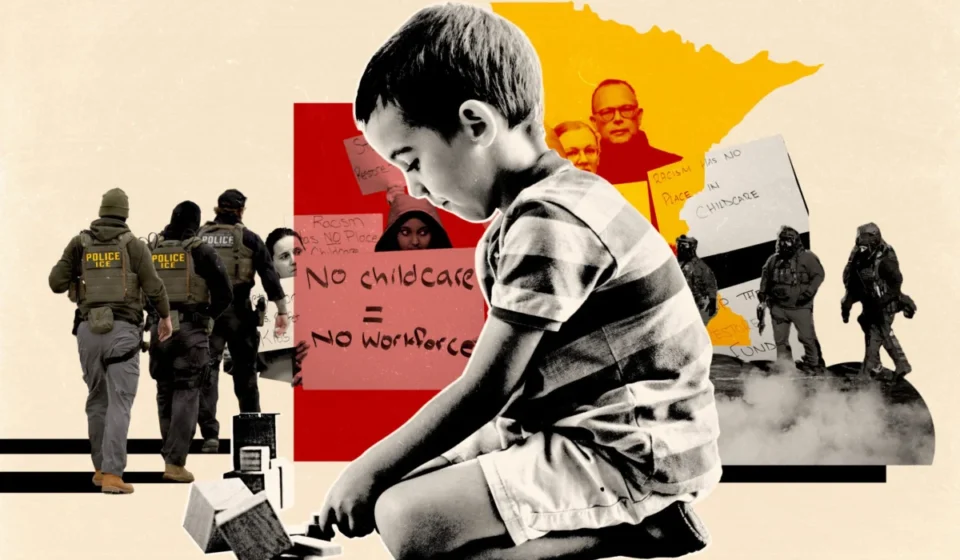
- January 5, 2026: Using the viral video as justification, the administration significantly expands Operation Metro Surge, deploying 2,000 additional ICE and Border Patrol agents to Minnesota.
- January 7, 2026: The tension turns lethal when an ICE agent shoots and kills Renee Macklin Good, a civilian volunteer observer. This event triggers a temporary shutdown of many centers, including Diana’s, as fear paralyzes the workforce.
- February 2026: A federal judge orders the release of frozen child care funds, providing a temporary lifeline to the sector while legal challenges proceed.
The Economic Impact: A System on the Brink
The reliance of the American child care system on immigrant labor is profound. According to the American Immigration Council, one in five child care workers in the United States is an immigrant. In Minnesota, the impact of the federal funding freeze threatened to destabilize a sector already operating on razor-thin margins.
"You literally have to have a good network to survive, because it’s not as though there is a government organization coming to help," says Lily Crooks, a St. Paul child care director who has spearheaded local mutual aid efforts. At her facility, Crooks organized a fundraiser that netted $5,000 for Lyft gift cards. The intent was to ensure that employees and parents could afford private transportation, avoiding bus stops where ICE agents were reportedly conducting surveillance and operations.
The economic ripple effect is stark. Families, spooked by the heavy federal presence, withdrew children from centers in droves. Diana’s center saw 12 families pull their children in the wake of the January shooting, forcing her to lay off staff—a move that further exacerbated the financial fragility of the business.
Official Responses and the "Silent" Enforcement
The federal government has maintained that the surge in agents is necessary to combat systemic fraud and enforce immigration law. However, the disconnect between federal claims and local reality has left providers feeling abandoned.

"They are not respecting due process—what is happening?" Diana asks, noting that she now carries her passport in her purse at all times, despite being a U.S. citizen.
As Operation Metro Surge technically winds down, the nature of enforcement has shifted. Rather than the high-visibility raids that characterized the start of the year, residents report that agents have become "stealthier," moving operations into suburban areas and utilizing undercover surveillance. Websites like IceOut have become essential community tools, allowing residents to crowdsource the locations of agents in real-time, providing a decentralized, digital shield for those at risk.
Implications: The Limits of Mutual Aid
The heroic efforts of volunteers like Sarah and the "abuelitas" have undoubtedly kept centers like Diana’s open. Yet, there is a growing concern among advocates about the long-term sustainability of such grassroots networks.
"This is not over," Diana warns. "And maybe it’s going to take years."
For the workers themselves, the reliance on volunteer escorts is a bitter pill to swallow. "It’s not OK that someone feels unsafe in a ‘safe’ country," says P., a staff member who relies on Sarah for her daily commute. "I’m ‘free,’ but I can’t do anything. It’s very hard."
The psychological toll is compounded by the political rhetoric surrounding their presence. Sarah, who was a teenager during the Civil Rights Movement, notes that she frequently encounters pushback from neighbors who believe the narrative that these workers "don’t belong." She describes the experience as "disheartening" but views her work as a moral imperative. "This feels like a similar moment for our generation to stand up against oppression," she says.
The Road Ahead: Resistir
As of March, a fragile sense of normalcy is returning. Most employees at the center have resumed driving themselves to work, though the anxiety remains an undercurrent of their daily lives.
For the director and her staff, the word of the season is resistir. In Spanish, the term carries a duality of meaning—both "to resist" and "to endure." It is the philosophy that has sustained them through months of threats, financial freezes, and the constant fear of separation.
"It means that you don’t give up, you keep fighting," Diana says. "We are going to get through it. This is going to pass."
While the national conversation about immigration often centers on border policy and legal debates, the situation in Minneapolis serves as a visceral reminder of the human cost at the neighborhood level. The child care system, a cornerstone of the modern economy, has become a frontline in an ideological war. For now, the survival of that system rests not on policy, but on the shoulders of volunteers, the bonds between neighbors, and the quiet, persistent determination of immigrant workers to keep showing up for the children in their care.