



















From Big Bands to Port-o-Potties: How JC Sanford is Harmonizing a Small Town Through Jazz

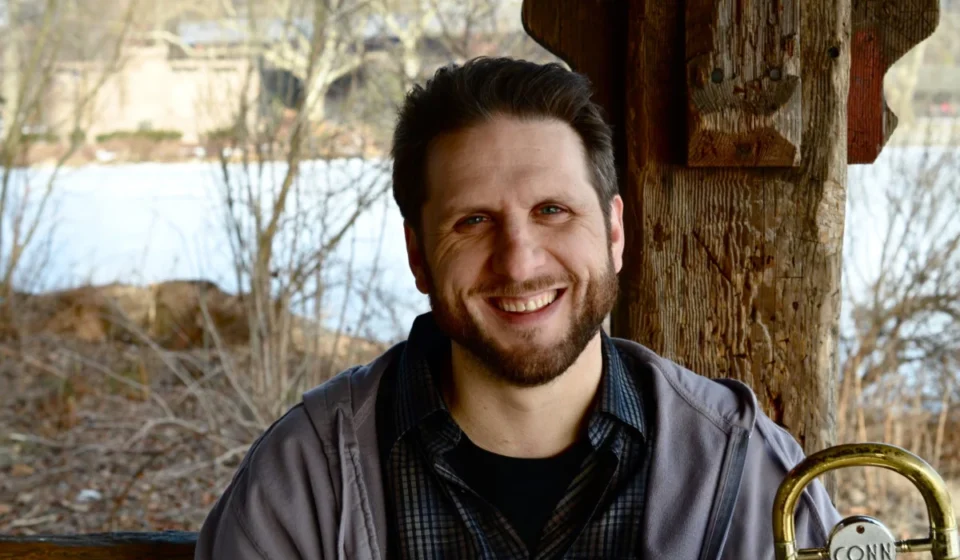
For nearly 56 years, JC Sanford has lived a life defined by the rigorous, often ethereal discipline of music. As a trombonist, composer, educator, and conductor, his world has been one of complex time signatures, harmonic theory, and the pursuit of artistic perfection. He has commanded ensembles on the grand stages of New York City and navigated the high-stakes world of professional arts administration. Yet, as he prepares for the third iteration of the Northfield Jazz Festival this weekend, Sanford finds himself navigating a different kind of complexity: the gritty, logistical reality of municipal event planning.
“I never in my life thought I’d be booking a food truck, nevermind thinking, ‘OK, are two taco trucks enough, or should it be something else?’” Sanford says, his voice carrying a mix of wry amusement and genuine exhaustion. “Or that we needed more portable toilets than the ones already in the park, and that some need to be accessible for handicapped people. This stuff has been a real area of growth for me.”
Sanford, who returned to his high school hometown of Northfield, Minnesota, a decade ago to raise his daughter, has transitioned from the ivory tower of high-concept jazz to the practical, boots-on-the-ground reality of community building. What started as a modest, one-day local showcase has blossomed into a three-day, multi-venue cultural event that promises to turn this college town 40 miles south of the Twin Cities into a nexus of improvisational brilliance.
The Evolution of a Festival: A Chronology of Growth
The trajectory of the Northfield Jazz Festival is a case study in organic, mission-driven expansion. Two years ago, the festival made its debut as a single-day affair. With a grant from the Southeastern Minnesota Arts Council (SEMAC) in hand, Sanford curated a program featuring three Northfield-based ensembles. It was a proof-of-concept—a way to gauge the appetite of a town defined by its dual identity as a quiet agricultural hub and an intellectual powerhouse home to Carleton and St. Olaf colleges.
By last year, the festival had evolved. By partnering with the Northfield Arts Guild, Sanford successfully tripled the budget. This allowed for an expansion to three days, the inclusion of Twin Cities-based talent, and the introduction of a nationally recognized headliner. The community response was immediate, suggesting that Northfield was not just a bedroom community, but a legitimate destination for high-caliber jazz.
This year, the festival reaches a new level of maturity. Bolstered by funding from the Minnesota State Arts Board and Arts Experience, the event has solidified its reputation. The programming is more robust, the logistics are more refined, and the sense of mission—keeping the entire event free to the public—remains at the forefront.
Programming the Soundscape: A Diverse Musical Tapestry
Sanford is acutely aware of the "town versus gown" dynamics that can often fracture a community of 20,000. To bridge the gap, his programming strategy is intentionally inclusive, blending local favorites with world-class performers.
The marquee event for this year’s festival is a performance by the 37-year-old, Grammy-nominated pianist Christian Sands. For those who have followed the contemporary jazz circuit, Sands is a name that commands attention. His ability to deconstruct jazz standards with both gusto and intellectual precision has made him one of the most sought-after voices in the genre. Sands will perform at the First United Church of Christ on Saturday evening, following an afternoon masterclass that serves as a cornerstone of the festival’s educational outreach.
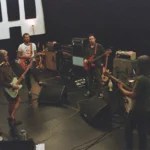
However, the festival is not merely a showcase for touring virtuosos. The opening night, Friday, leans heavily into the local flavor that has made the festival a community anchor. The Strawberry Jazz Collective, known for their jaunty, swing-era standards, will return to the Grand Event Center. Their previous performances have been defined by packed houses and a high energy that resonates with local swing dancers. Joining them will be the "Bend in the River Big Band," effectively turning the Friday night opener into a community-wide blowout.
“It is a great way to get the locals who know these folks to be more attuned to events happening the rest of the weekend,” Sanford explains. “It’s about creating a gateway. Once they are in the door for the local acts, they are more likely to discover artists from the Twin Cities and beyond whom they might not have otherwise sought out.”

Supporting Data and Logistics
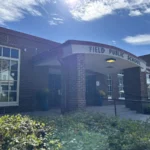
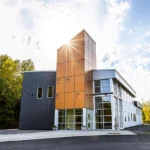
The structure of the weekend is designed for fluidity. Aside from the intimate, ticketed-feel of the Sands performance, the festival is built around a "stumble-upon" philosophy. Throughout Saturday, sets are scheduled in hour-long blocks across various downtown venues, including the Northfield Arts Guild Theater and the Public Library.
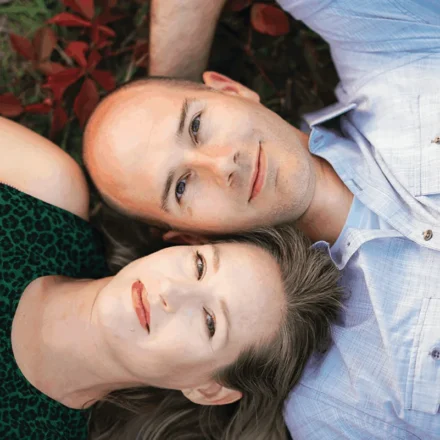
Sunday returns to the festival’s outdoor roots at Way Park, utilizing a mobile bandshell known as the Showmobile. The lineup features the Michael Cain Trio, the Charles Gorczynsky Tango Quartet, and a finale performance by the Inatnas Orchestra—a big band founded by Sanford and his wife, composer Asuka Kikatani.
The inclusion of Kikatani, whose recent work was premiered by the renowned Third Coast Percussion in Chicago, underscores the high caliber of the festival’s leadership. The Inatnas set will also feature trumpeter Russ Johnson, a longtime collaborator from the New York City scene, and vocalist Anya Menk, a former student of Sanford’s who represents the next generation of jazz excellence.
Official Perspectives: The Role of Community and Policy
Sanford’s transition from a New York-based artist to a Northfield organizer has provided him with a unique vantage point on the role of the arts in small-town life. While he acknowledges the classic tensions between the local government, long-term residents, and the two prestigious colleges, he remains optimistic about the collaborative potential of the city.
“It is very easy to communicate with the people who work for the city departments,” Sanford says. “They tell me the steps to do what I have to do. The Department of Tourism has been incredibly helpful because we’re all going for the same goal—to bring people to Northfield, to enhance the lives of those who live here, and to show people what a great little town this is.”
For Sanford, the "free" model is non-negotiable. He views the removal of financial barriers as essential to the festival’s purpose. "The main thing for me—if we ever had to start charging people, I don’t think I could keep doing this. The idea is that everything is free. If you show up, you have nothing to lose."
Implications: The Future of Cultural Micro-Hubs
The Northfield Jazz Festival serves as a microcosm for a broader trend in American arts: the decentralization of culture. As artists move away from the high costs and hyper-competition of coastal metropolises like New York and Los Angeles, they are bringing with them a wealth of professional networks, pedagogical skills, and a desire for community-oriented work.
Sanford’s personal life, now deeply intertwined with the rhythms of Northfield—from his daughter’s upbringing to the care of his mother—mirrors the stability he seeks to provide for the local arts scene. His willingness to engage with the "minutiae" of event management, such as sanitation and insurance, highlights a crucial evolution in the role of the modern artist. They are no longer just creators; they are curators, administrators, and civic actors.
As the festival concludes on Sunday evening with a traditional jam session at Imminent Brewing, it will mark more than just the end of a weekend of music. It will stand as a testament to the idea that a small town, when fueled by the right mix of vision and logistical grit, can sustain a vibrant, world-class artistic ecosystem. For JC Sanford, the transformation from trombonist to festival director has been a long, demanding, and ultimately rewarding composition—one that he is still in the process of writing.