






















































During his four-year tenure as the president of basketball operations for the Minnesota Timberwolves, Tim Connelly has earned a reputation as a master of the "course correction." His front-office philosophy is defined by a relentless, if sometimes frantic, desire to patch holes in the roster. However, recent developments suggest that Connelly’s propensity for fixing mistakes has become a self-perpetuating cycle—a high-stakes game of roster Tetris where the pieces never quite lock into place, and the cost of erasure continues to climb.
The Chronology of Roster Flux
The recent salary-dumping of Julius Randle on the morning of the NBA draft marks the latest in a series of dramatic maneuvers that have defined the post-Karl-Anthony Towns era in Minnesota. To understand the current climate, one must look at the timeline of Connelly’s aggressive, often volatile, roster management.
The initial phase of this strategy involved the rapid offloading of mid-tier bench contributors such as Bryn Forbes, Shake Milton, and Troy Brown Jr.—moves that were largely viewed as standard maintenance. However, the tone shifted when the organization moved on from lottery pick Rob Dillingham less than two years after investing significant draft capital to acquire him. This move signaled a departure from long-term development in favor of immediate, often expensive, re-tooling.
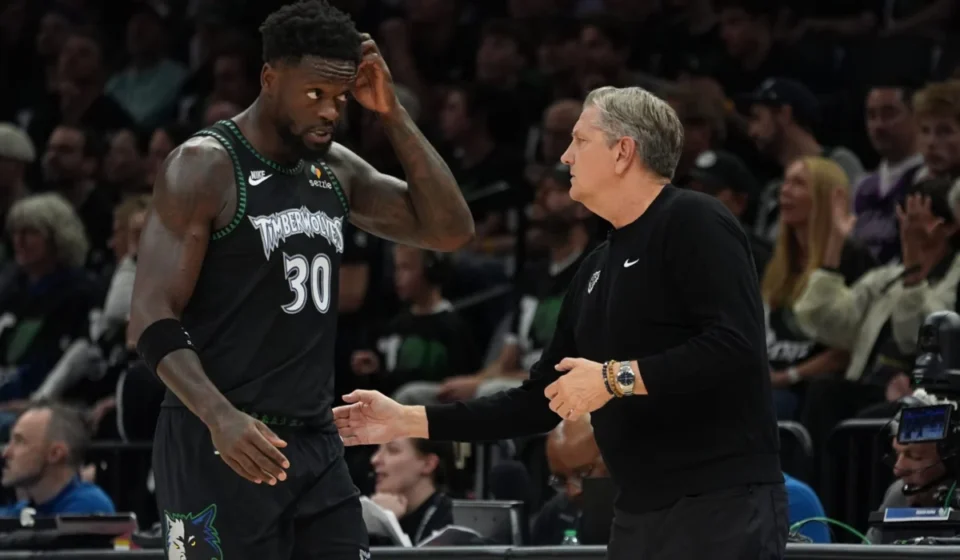
The latest pivot—the trade of Randle to the Brooklyn Nets—arrived on the eve of the 2025 draft. Randle, who just last season was described by head coach Chris Finch as "maybe our most important player," found himself on the outside looking in. After leading the team in assists and finishing second only to Anthony Edwards in scoring, Randle’s tenure in Minnesota was unceremoniously ended to facilitate a desperate need for salary-cap flexibility.
The Mechanics of the Randle Trade
The trade, executed to clear Randle’s $33 million salary for the upcoming season, was a surgical operation necessitated by the NBA’s restrictive financial landscape. Because the Brooklyn Nets were among the few franchises with sufficient cap space to absorb such a contract, they became the primary destination.
To finalize the deal, the Timberwolves were forced to include their 28th overall pick in exchange for Brooklyn’s 33rd. A third participant, the Chicago Bulls, was brought in to balance the ledger, with the Wolves receiving the rights to power forward Mo Gueye. For the Timberwolves, Gueye serves primarily as a contractual placeholder; having logged only 165 minutes in the NBA, he is expected to be waived, rendering his acquisition purely administrative.
Supporting Data and Financial Implications
The necessity of this trade stems from the Timberwolves’ aggressive pursuit of Ayo Dosunmu. By shedding Randle’s contract, Minnesota created the necessary breathing room to sign Dosunmu to a five-year, $112 million extension.
From a cap-management perspective, the move provides the Wolves with two distinct advantages:
- The First Apron Relief: By shedding Randle, the Timberwolves successfully dropped below the league’s "first apron," granting them access to the non-taxpayer mid-level exception—effectively a $15 million "gift card" to pursue additional talent without triggering the most severe financial penalties.
- The Trade Exception: The Wolves have secured a $33.3 million trade exception. This financial tool offers the team significant flexibility, allowing them to absorb incoming salaries in future trades for the next 12 months, providing a vital buffer for a team that has historically been constrained by massive player salaries.
The Shadow of the Past: KAT and Gobert
Connelly’s tenure cannot be discussed without addressing the lingering ghost of the Karl-Anthony Towns trade. As Towns played a pivotal role in the New York Knicks’ recent championship run, the optics for the Timberwolves have been difficult to manage. The irony of seeing a former franchise cornerstone secure a title so shortly after his departure has fueled criticism that the Wolves prioritized immediate cap relief over long-term stability.
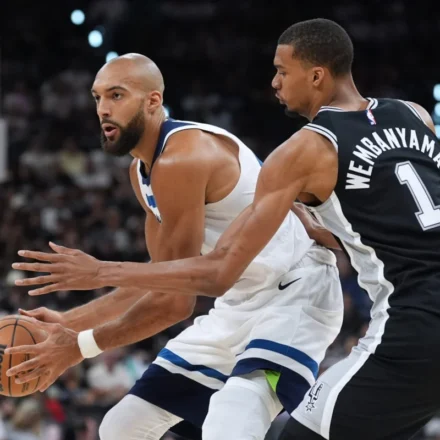
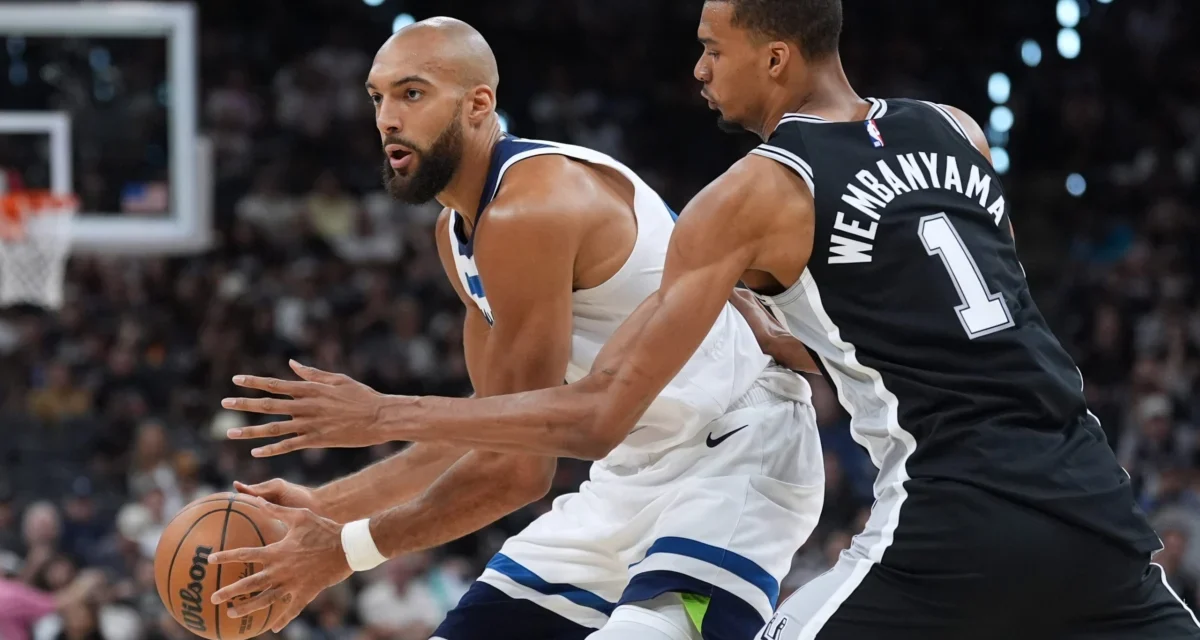
Furthermore, the acquisition of Rudy Gobert continues to be a polarizing subject. Critics argue that the heavy price in draft capital and the subsequent tactical friction between Gobert and Towns forced the organization into a corner, making the eventual dismantling of that core inevitable. However, the author posits that the most egregious error was not the initial trade, but the decision to resign Randle last offseason. That move necessitated the departure of Nickeil Alexander-Walker—who subsequently won the NBA’s Most Improved Player award while providing similar production at a fraction of the cost.
Internal Dynamics: Connelly vs. Finch
The relationship between Connelly and head coach Chris Finch has been portrayed as a united front, yet subtle fractures have appeared. Observers note that the Dillingham experiment was largely a Connelly-driven initiative that never quite found favor with Finch. Conversely, Julius Randle was widely regarded as a "Finch guy."
While there is no evidence of open hostility, the discrepancy in how these players were integrated suggests a lack of alignment in long-term vision. Connelly’s focus on assets and cap space often clashes with Finch’s preference for specific archetypes and team chemistry, creating a tug-of-war that has led to the current state of flux.
Implications for the Future
Despite the turmoil, there is a path forward that favors the "addition by subtraction" narrative. By moving on from Randle, the team has addressed several structural weaknesses:
- Spacing and Pace: Randle’s shooting inaccuracy and ball-dominant style frequently stifled the rhythm of the offense, particularly when paired with Rudy Gobert. His departure allows for a more fluid, faster-paced offensive scheme that better suits Anthony Edwards.
- Elevating the Core: The departure of Randle finally opens a clear path for Naz Reid to join the starting lineup. Reid, who has thrived defensively alongside Gobert, is expected to bring a new dimension of versatility to the starting five. Additionally, Jaden McDaniels will likely see an increase in playmaking responsibilities, moving him into a more prominent role as a second-level scorer.
- Culture Shift: The 2025-26 season was marred by character concerns and lack of cohesion. By prioritizing players like Dosunmu, McDaniels, and the emerging TJ Shannon, the Wolves are betting on a culture of selflessness and two-way play—the same blueprint that defined the top-tier contenders this season.
Conclusion: A Championship Template?
While the draft-day trades and contract dumps reflect a series of expensive mistakes—most notably the 2031 first-round pick still owed to the Spurs from the Dillingham deal—the Timberwolves are arriving at a new, more sustainable equilibrium.
The goal for 2026-27 is clear: build around a core of Anthony Edwards, Jaden McDaniels, Naz Reid, Ayo Dosunmu, and Joan Beringer. With this group locked into multi-year contracts, the Timberwolves have finally established a foundation that is both age-appropriate and fiscally responsible. The "rectifying gambits" of the past four years have been costly, but if the current trajectory holds, they may have finally cleared the brush enough to see the path toward a championship. The question remains whether the front office can exercise patience, or if the itch to "fix" the roster will lead to yet another round of dramatic upheaval.