














































Supreme Court Upholds Mail-in Voting, Easing Election Official Concerns Amid Declining Public Trust

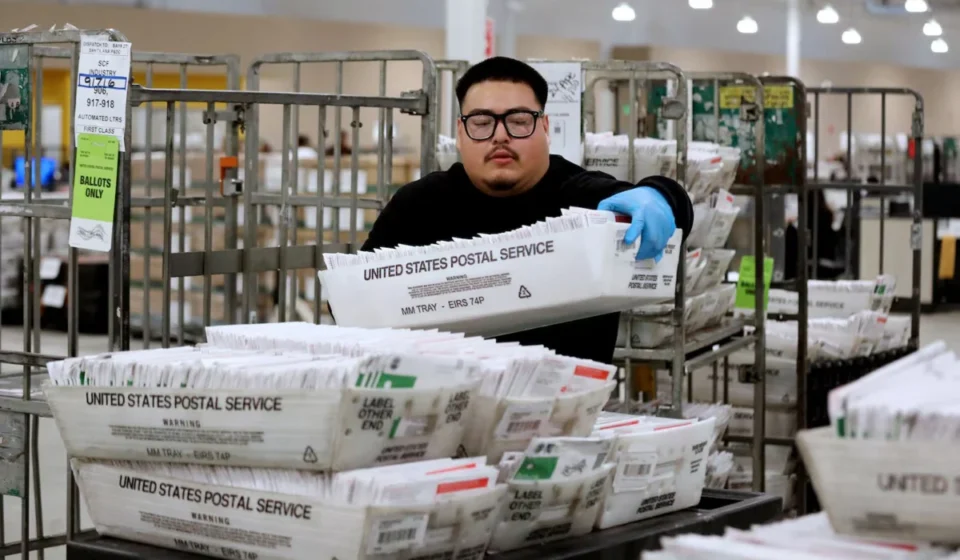
WASHINGTON D.C. – The U.S. Supreme Court delivered a significant ruling last Monday, effectively clearing the path for millions of Americans to cast their ballots by mail in the upcoming November 2026 elections. The decision blocked a controversial effort by the Trump administration to impose new, restrictive rules on mail-in voting, ending months of intense uncertainty and legal battles that had gripped election officials nationwide. The ruling ensures that states can continue to administer mail ballots under existing procedures, a practice that has become a cornerstone of American elections for many.
The high court’s intervention brought a wave of relief to election administrators, who had been scrambling to prepare for the midterms under the shadow of potential last-minute operational overhauls. The proposed changes, championed by President Donald Trump, threatened to disrupt the established electoral infrastructure just weeks before voters were set to head to the polls. While the immediate crisis has been averted, the prolonged dispute has undeniably sown confusion and eroded public confidence in the electoral system, presenting a new challenge for officials now tasked with reassuring a wary electorate.
"It’s a relief and it’s palpable," remarked Marybeth Kuznik, the elections director for Pennsylvania’s Fayette County, reflecting the sentiment of countless colleagues. "I honestly don’t know how we could have complied with (the proposed Postal Service restrictions) at this point in the election cycle." Her words underscore the profound logistical nightmare that would have unfolded had the Supreme Court sided with the administration, forcing an abrupt and unprecedented shift in voting procedures across the country.
The ruling allows for the continuation of diverse mail-in voting systems already in place, which vary significantly from state to state, reflecting a long-standing tradition of local control over election administration. However, the contentious legal skirmish has left a lingering doubt among voters about the reliability and security of casting their ballots remotely. Election officials are now embarking on an intensive campaign to counteract this narrative, striving to reinforce faith in a system that has just weathered a formidable challenge.
A Tumultuous Chronology of Mail-in Voting Disputes
The Supreme Court’s decision was the culmination of a protracted and often acrimonious battle over the mechanics of American democracy, particularly the increasingly popular method of voting by mail. The dispute gained significant traction following the 2024 presidential election, where mail-in voting saw an unprecedented surge due to the COVID-19 pandemic, becoming a flashpoint for political contention.
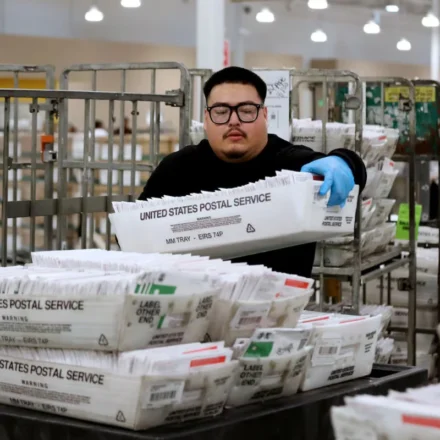
The Trump administration, led by President Donald Trump, initiated its push to tighten mail-in voting regulations with increasing intensity in the lead-up to the 2026 midterm elections. The core of these efforts centered on the U.S. Postal Service (USPS), proposing a series of new rules that would have drastically altered how mail ballots were handled, processed, and ultimately counted. These proposed changes included stricter requirements for ballot design, processing timelines, and even the types of envelopes used, ostensibly aimed at enhancing security and preventing fraud, though critics argued they were thinly veiled attempts at voter suppression.
Throughout the spring and summer of 2026, the administration’s rhetoric escalated, frequently casting doubt on the integrity of mail-in voting without presenting substantial evidence of widespread fraud. President Trump repeatedly labeled mail voting a "disaster" and a "SCAM" on social media, even while personally utilizing the method in his home state of Florida. This sustained public campaign, coupled with the proposed administrative changes, created an atmosphere of deep distrust and confusion.
Election administrators, already burdened by the complexities of modern elections, found themselves caught in the crossfire. They voiced concerns that the proposed USPS rules were not only impractical but logistically impossible to implement within the tight timeframe leading up to the November midterms. Many states had already begun the process of printing ballots and sending out absentee ballot applications, all predicated on existing postal regulations. An abrupt shift would have necessitated a complete overhaul of these operations, leading to potential delays, disenfranchisement, and widespread chaos.
The legal battle formally intensified when various state governments, voting rights organizations, and election official associations filed lawsuits challenging the administration’s authority to implement such sweeping changes without proper legislative process or sufficient notice. These lawsuits argued that the proposed rules violated federal election laws, administrative procedures, and, crucially, the constitutional rights of voters.
One of the most impactful legal interventions came in the form of an amicus brief filed with the Supreme Court. This brief, signed by more than 80 local election officials from across the political spectrum, including Pennsylvania’s Marybeth Kuznik, laid bare the practical impossibilities of the proposed changes. They detailed how their offices, operating on tight budgets and timelines, simply lacked the resources and time to adapt to an entirely new set of federal regulations for mail handling. This bipartisan appeal from those on the front lines of election administration proved to be a powerful testament to the real-world implications of the dispute.
Further bolstering the opposition, several Republican Secretaries of State, representing states like Kentucky, Georgia, and Kansas, also urged the Supreme Court to block the proposed plans. Their plea was not rooted in ideological opposition to the administration but in a pragmatic concern for the stability and integrity of their states’ electoral processes. They highlighted the impending chaos that would ensue if last-minute changes were forced upon them, emphasizing the need for consistency and predictability in election administration, especially so close to Election Day.
The Supreme Court’s decision last Monday brought this intense period of legal and political wrangling to a temporary close. While the ruling addressed the immediate threat to mail-in voting for the 2026 elections, it did not definitively settle the broader debate over election security and access. It did, however, provide a crucial moment of stability for an electoral system under immense strain.
Supporting Data and Expert Perspectives
The Supreme Court’s decision, and particularly Justice Brett Kavanaugh’s concurring opinion, hinged significantly on the practical arguments put forth by election officials. Justice Kavanaugh stated that while he believed the proposed rules might withstand legal scrutiny in other contexts, applying them to the 2026 elections would be "arbitrary and capricious." His reasoning was explicit: "state and local election officials do not have sufficient time to reasonably implement the rule." This judicial acknowledgement of the administrative burden underscored the validity of the concerns raised by election administrators.
The amicus brief, signed by over 80 election officials, was instrumental in conveying this message to the highest court. It detailed how the proposed restrictions, if enacted, would have necessitated a complete overhaul of voter education materials, ballot processing workflows, and postal service coordination, all within a matter of weeks. Such an undertaking, they argued, was not merely difficult but fundamentally impossible without jeopardizing the ability to conduct a fair and accurate election. The officials highlighted that many states had already finalized their ballot designs and printing contracts, making a late-stage change economically prohibitive and logistically untenable.
The widespread adoption of mail-in voting in recent elections further illustrated the potential disruption. Federal data from the U.S. Election Assistance Commission (EAC) reveals that states like Arizona saw roughly three-quarters of their voters cast mail ballots in the 2024 elections. This demonstrates a deep-seated reliance on and preference for mail voting among a significant portion of the electorate. Mandating a sudden shift away from this established practice would have created immense confusion and potential disenfranchisement, particularly for elderly voters, those with disabilities, or individuals living in remote areas.
Despite the Supreme Court’s ruling, the administration’s prolonged campaign against mail voting has left a palpable mark on public perception. Election officials and experts are reporting a concerning trend: fewer absentee ballot requests than anticipated in some areas. This suggests that the relentless rhetoric may have deterred some voters from utilizing a secure and convenient voting method, even where it remains fully available.
Tammy Patrick, chief program officer at the Election Center, a national nonprofit association for election administrators, articulated this concern. "It has already caused all sorts of voter confusion, and even though the rule is not in place for this election, that’s not to say that there won’t be some voters that think that it is," Patrick observed. She emphasized the critical role of election officials in dispelling this misinformation. "So it’s going to be incumbent on all of us to make sure that we just keep up the mantra that nothing has changed as a result of the rule." Patrick, who filed an expert declaration in the Supreme Court cases challenging the Postal Service rules, reiterated the simple yet crucial advice for voters: "get their ballots in as early as possible." This proactive approach is seen as the best defense against any lingering anxieties or potential postal delays.
Official Responses and Reassurance Efforts
The collective sigh of relief from election officials following the Supreme Court’s decision was quickly followed by a renewed sense of purpose: to actively reassure voters that their ability to cast a secure mail ballot remains unimpeded. This task, however, is complicated by the persistent narrative of distrust promoted by some political figures, including President Trump himself. Despite the legal setback, the President continued his verbal assault on mail-in voting, branding it a "Nation Destroying SCAM" and a process that made America the "laughing stock all over the World." This ongoing rhetoric directly contradicts the message election officials are now working diligently to convey.
Local election administrators, who are often the most direct point of contact for voters, are at the forefront of this reassurance campaign. Their efforts involve clear public messaging, enhanced security protocols, and transparent communication about the voting process. Dana Lewis, the recorder who oversees elections in Arizona’s Pinal County, embodies this proactive approach. Lewis, a Republican, has made significant investments in her county’s drop box system, which she believes offers a robust and secure alternative for returning mail ballots. These ballot boxes are equipped with 24/7 video monitoring and GPS-locked mechanisms, providing tangible evidence of security measures to instill voter confidence.
"Trust the system," Lewis urged, acknowledging the challenging environment in which election officials operate. Her sentiment is echoed by countless administrators who view maintaining public trust as paramount to the integrity of the electoral process. They recognize that while the Supreme Court has provided legal clarity, the psychological impact of the preceding months of contention cannot be easily erased.
The bipartisan nature of the opposition to the proposed restrictions was a key factor in the Supreme Court’s decision and continues to be an important aspect of the reassurance efforts. When Republican Secretaries of State from states like Kentucky, Georgia, and Kansas joined local officials in appealing to the court, it signaled that the concerns were not partisan but fundamental to the practical administration of elections. This unity across the political spectrum lends credibility to the message that the existing mail-in voting system is sound and reliable.
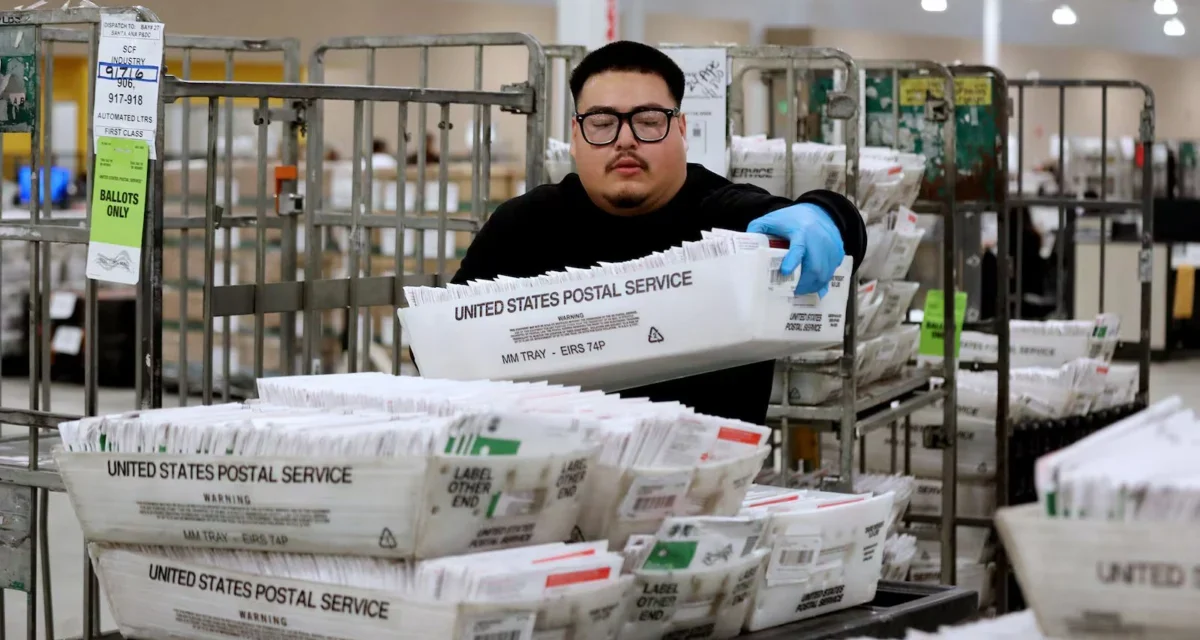
Election offices are now prioritizing voter education campaigns, leveraging various channels from social media to community outreach. They are providing detailed information on how to request a mail ballot, deadlines for submission, and options for returning completed ballots, including secure drop boxes and traditional mail. The emphasis is on early action and clarity, empowering voters with the knowledge they need to navigate the process confidently. Many officials are also highlighting the layers of security inherent in mail-in voting, such as signature verification, unique ballot tracking, and robust chain-of-custody procedures.
The ability of these officials to pivot quickly, as described by Lewis’s humorous analogy of wearing six-inch heels to "pivot on a dime," has been critical throughout this "topsy-turvy election season." Their resilience and dedication to upholding democratic processes, even in the face of intense political pressure and legal uncertainty, are proving essential in restoring faith in the system.
Implications for Electoral Integrity and Public Trust
The Supreme Court’s decision to block the Trump administration’s mail-in ballot restrictions carries profound implications not only for the immediate 2026 midterm elections but also for the long-term health of electoral integrity and public trust in the United States. While it averted a potential administrative disaster, the preceding months of legal and political conflict have exacerbated an already concerning decline in voter confidence.
Parallel to the Supreme Court ruling, a new poll from the University of California, San Diego, revealed a precipitous decline in public confidence in the nation’s electoral system. The survey found that only 55% of respondents trusted that their vote would be counted fairly, a stark drop from 71% in 2024. Even more alarming, only 49% of Americans expected the upcoming election to be free and fair. These figures are corroborated by other polling data, including a recent Pew Research Center survey, which reported that 55% of respondents thought the upcoming election would be free and fair, an historic low for a question asked over the past six years.
This erosion of trust is a direct consequence of the sustained rhetoric questioning election legitimacy, coupled with the high-profile legal challenges that cast a shadow of doubt over fundamental voting methods. When the mechanisms of voting themselves become subjects of intense partisan dispute and judicial intervention, it inevitably undermines the public’s faith in the fairness and impartiality of the process.
The implications for voter participation are significant. A lack of trust can lead to voter apathy or, conversely, to increased polarization and heightened tensions around election outcomes. If a substantial portion of the electorate believes the system is rigged or unreliable, it can depress turnout, particularly among those who feel their vote might not matter or be counted accurately. Moreover, it can lead to increased scrutiny and challenges to election results, regardless of their validity, further straining the democratic fabric.
For electoral integrity, the ruling represents a crucial affirmation of established procedures. By preventing a last-minute disruption, the Court upheld the principle that election administration requires stability and predictability, not sudden, arbitrary changes. This stability is essential for election officials to perform their duties effectively and for voters to understand and participate in the process without unnecessary hurdles. Had the ruling gone the other way, the sheer administrative impossibility of implementing the proposed rules could have led to widespread errors, delays, and legitimate questions about the fairness of the election.
Looking beyond 2026, the episode highlights the ongoing vulnerability of election administration to political pressure and legal challenges. While mail-in voting has been reaffirmed for now, the underlying debate over its security and accessibility is unlikely to disappear. Future legislative efforts at both federal and state levels will likely continue to address these issues, with potential attempts to either expand or restrict mail-in voting access. The challenge for policymakers will be to balance legitimate concerns about election security with the fundamental right to vote, ensuring that any changes are evidence-based, transparent, and do not inadvertently disenfranchise eligible voters.
Ultimately, the Supreme Court’s decision provided a temporary reprieve, allowing election officials to focus on the immediate task of administering a fair and accessible election. However, the deeper crisis of public confidence persists. Restoring trust will require a concerted and bipartisan effort from political leaders, election administrators, and media outlets to communicate accurate information, uphold the integrity of the process, and unequivocally affirm the foundational principles of American democracy. The battle for the ballot box, it appears, is far from over.
Dion Nissenbaum is Votebeat’s senior national reporter and is based in Houston. Contact Dion at [email protected].
Votebeat is a nonprofit news organization covering local election integrity and voting access. Sign up for their newsletters here.