
























































Facing a Crossroads: Minneapolis Public Schools Propose Sweeping Consolidation Amidst Enrollment Crisis

By [Your Name/Journalistic Byline]
Minneapolis Public Schools (MPS) stands at a critical juncture. Faced with a persistent $40 million budget deficit and a stark reality of under-utilized infrastructure, Superintendent Lisa Sayles-Adams presented a transformative, high-stakes proposal to the Board of Education this past Tuesday. The plan, which offers three distinct pathways for district reorganization, threatens to fundamentally reshape the educational landscape of the city by closing up to 16 schools and remapping attendance boundaries for thousands of students.
While district leadership frames this as a necessary evolution to ensure fiscal solvency and equitable programming, the proposal has been met with a wall of skepticism from parents, educators, and community organizers. As the November 10th vote looms, the district finds itself grappling with a central tension: how to achieve systemic efficiency without eroding the fragile, neighborhood-level bonds that keep families tethered to the public school system.
The Proposals: A Blueprint for Consolidation
The three plans presented by Superintendent Sayles-Adams are designed to address the gross imbalance between student population and physical capacity. Currently, MPS serves approximately 30,000 students, yet its buildings possess the footprint to house 43,000. This structural surplus has created a dilution of resources; more than half of the district’s 56 schools are operating at levels below what is required to provide consistent academic staffing and extracurricular support.
Because school funding is tied directly to enrollment numbers, smaller, under-attended schools are increasingly unable to offer the electives, music programs, and specialized academic supports that larger, more stable schools provide. Under the proposed models, the district aims to ensure that over 70% of students are placed in "complete" schools—facilities that have the necessary enrollment to sustain a full menu of educational services.
However, the human cost of these "hard plans" is significant. Up to 14% of the district’s student body would see their attendance boundaries shifted. While the district maintains that these changes are vital for the long-term health of MPS, the timeline for implementation—slated for the fall of 2027—has become a flashpoint for debate.
Chronology of a Crisis: From 2020 to Present
The current push for restructuring is not a sudden development; it is the culmination of years of financial strain and shifting demographics.
- 2020: The district implemented the "Comprehensive District Design" (CDD), an ambitious attempt to redraw boundaries and shift magnet school programming. The aftermath, however, saw a significant exodus of students from the district, a trend that has persisted to varying degrees in other urban centers but has hit Minneapolis particularly hard.
- 2023: As the post-pandemic landscape stabilized, the district recognized that the CDD had not fully addressed the underlying issues of declining enrollment and budget volatility. The board began formal discussions regarding a new round of "transformation."
- Fall 2025: A resolution was passed by the board, officially mandating that the Superintendent provide a comprehensive assessment and initial information regarding potential school closures and consolidations by April 2026.
- Summer 2026: Throughout the summer months, Superintendent Sayles-Adams and her administrative team worked to synthesize data into the three specific options presented to the public this week.
- October 2026: The district has scheduled a series of community input meetings running from September 30 through October 9, intended to gather feedback from families before the final decision is reached.
- November 10, 2026: The Board of Education is scheduled to cast its final vote on whether to adopt one of the three proposed paths.
Data and Disparity: The Case for Transformation
The administrative argument for consolidation is rooted in cold, hard data. When a school lacks sufficient enrollment, it enters a cycle of scarcity. With less funding per building, administrators are forced to make difficult cuts to staff, which in turn leads to lower parent satisfaction, further fueling enrollment decline.
Superintendent Sayles-Adams contends that by consolidating students into fewer, more robustly funded buildings, the district can break this cycle. The goal is to provide every student with a high-quality, consistent experience, regardless of which neighborhood they reside in. However, the presentation notably lacked specific projections regarding fiscal savings. Whether these moves will result in significant layoffs remains an open question, one that will likely be dictated by the finalized spring budget and the subsequent enrollment decisions made by families who may choose to leave the district entirely if their neighborhood school is shuttered.
Official Responses and the "Reading the Room" Problem
The reaction from the Minneapolis Federation of Teachers (MFT) and parent advocacy groups has been swift and pointed. MFT President Marsha Howard has publicly decried the district’s timeline as "unacceptable," arguing that the current proposals fail to address the root causes of why families are leaving the district in the first place.
"If you are operating under a premise that is outdated by the time you present it to the public and the school board, what that shows, to me at least, is that you’re not reading the room," Howard remarked. She pointed to successful, high-performing schools like Kenny Elementary—slated for closure in all three plans—and Bethune Arts Elementary, which currently maintains a waiting list. For Howard and the union, the district is ignoring the pockets of excellence that exist in favor of a top-down, one-size-fits-all approach to administration.
Board member Greta Callahan offered a sobering reminder during the Tuesday meeting: the district cannot assume that displaced families will simply migrate to another MPS facility. "History tells us otherwise," she said. "Families who lose their neighborhood school do not reliably stay."
The Human Cost: Implications for the Neighborhood
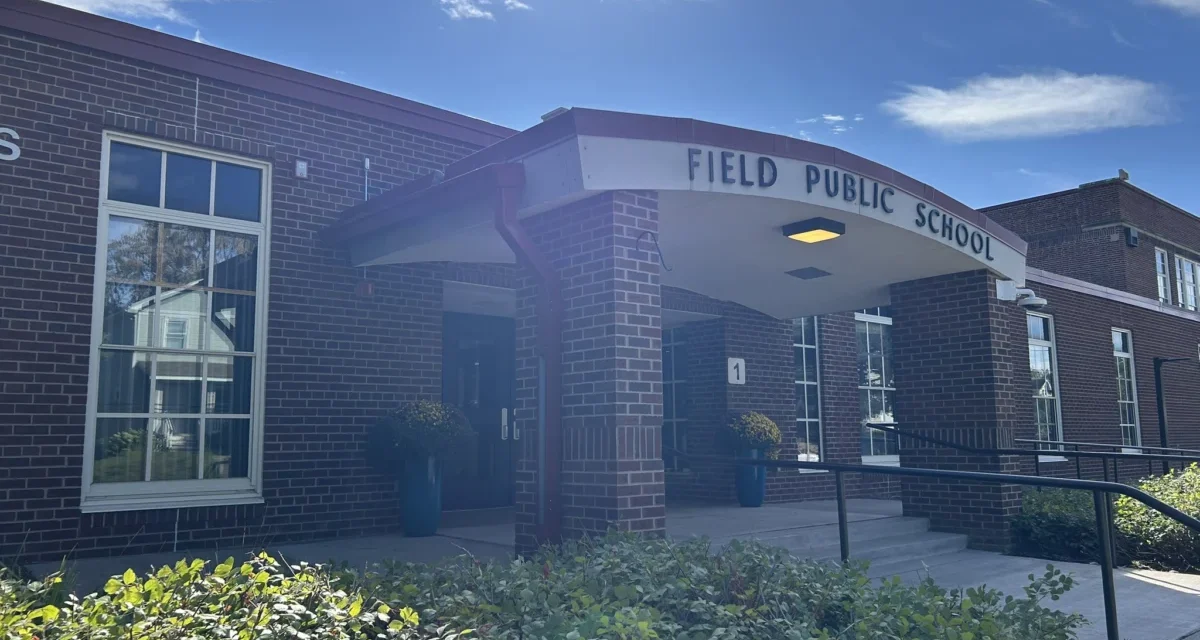
Beyond the spreadsheets and the policy jargon, there is a profound sense of loss among the families who view their local schools as the cornerstones of their neighborhoods. Susan Dreiling, a parent at Field Elementary, captured the sentiment of many when she spoke about the intangible value of her school community.
"It’s parents that know each other by name," Dreiling explained. "It’s the little conversations. It’s sipping on our coffees as we walk there, waving to those at drop-off. It’s beautiful to show my child and her peers what the power of a strong school is."
For many, the fear is that the district is treating schools as mere real estate assets rather than living, breathing community hubs. The rise of community-driven initiatives like "Operation Metro Surge," which strengthened parent-teacher networks, has fostered a level of grassroots engagement that many parents feel is being ignored by the central administration.
The implication for Minneapolis is clear: if the board votes to proceed with these closures, they are betting that the promise of future, optimized programming will outweigh the immediate, localized pain of school closures. If they are wrong, they risk repeating the errors of the 2020 CDD, further eroding the public’s trust and accelerating the flight of families from the district.
As the community enters the period of public meetings, the district faces the daunting task of convincing families that "transformation" is not just a synonym for "downsizing." The coming weeks will be a test of whether the board can reconcile the hard, necessary math of fiscal survival with the equally important, but much harder to quantify, value of community connection. The future of Minneapolis Public Schools depends on it.