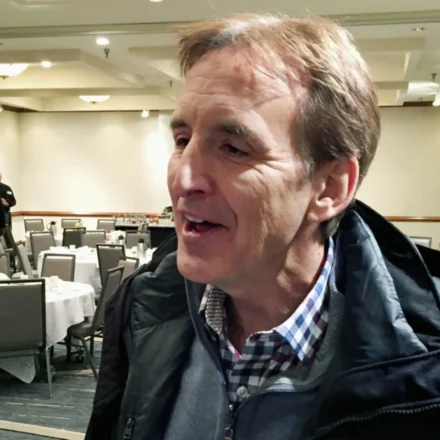


















































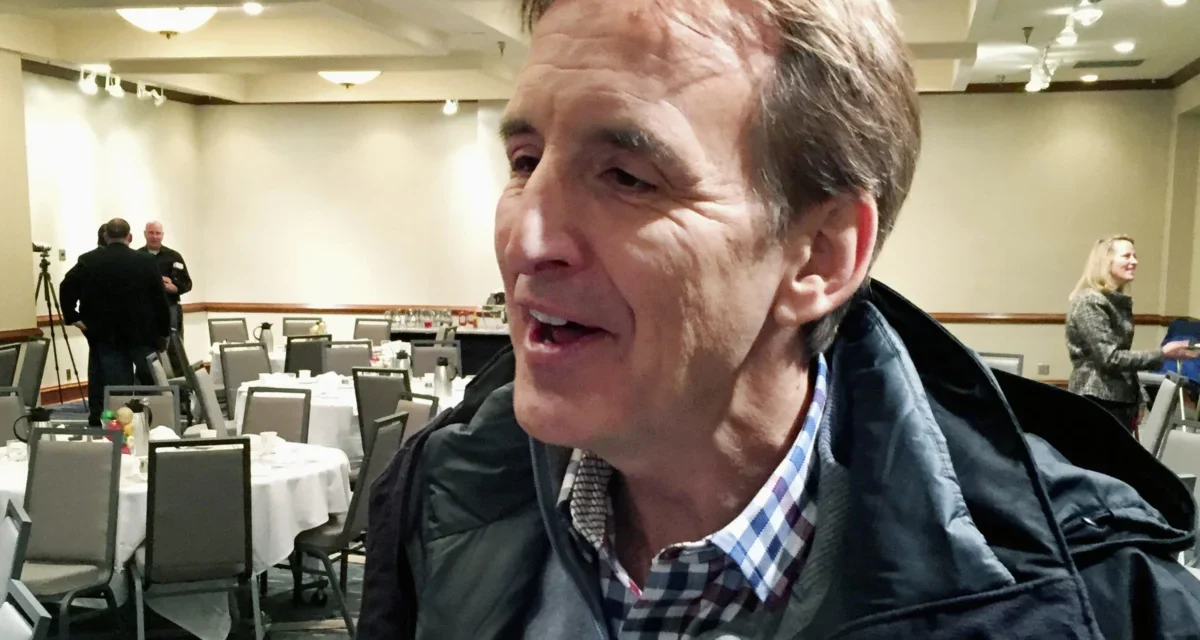





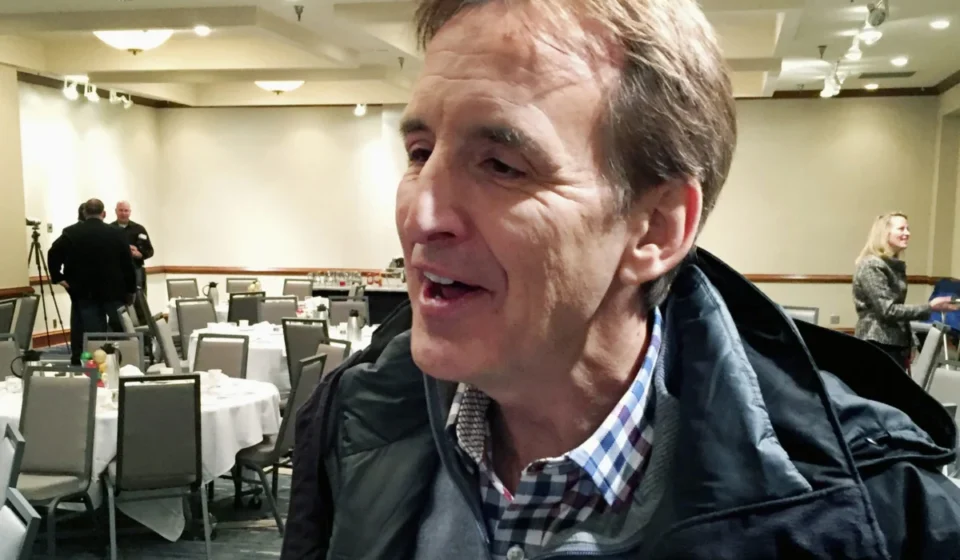

In the corridors of Washington, few political transitions are as unexpected as the one currently unfolding at the Solar Energy Industries Association (SEIA). As the nation’s primary solar trade group seeks to navigate a volatile post-2024 political landscape, it has tapped an unlikely figure to lead its crusade: former Minnesota Governor and 2012 presidential contender Tim Pawlenty.
Pawlenty, a two-term Republican governor with deep roots in the conservative movement, officially took the helm as president and CEO of SEIA this past June. His arrival marks a strategic pivot for an industry that finds itself at a precarious crossroads, forced to reconcile the soaring demand for clean energy with a federal government that has recently pivoted away from the climate-centric policies of the early 2020s.
The Political Pivot: Navigating a Turbulent Landscape
The solar industry’s current trajectory is a study in contrasts. While the sector remains the fastest-growing source of new electricity generation in the United States—a title it has held for several consecutive years—it is simultaneously reeling from a stinging series of political defeats.
When President Joe Biden signed the Inflation Reduction Act (IRA) in 2022, solar developers braced for a period of unprecedented growth. The legislation offered a robust framework of tax credits and incentives that catalyzed a massive pipeline of projects. However, the 2024 election cycle brought a tectonic shift to the nation’s capital. With Republicans securing control of both the White House and Congress, the legislative agenda underwent a drastic overhaul. The subsequent passage of the "One Big Beautiful Bill" act effectively gutted the core climate provisions of the IRA, leaving many developers in a state of limbo.
"The current state is relatively bleak," Pawlenty acknowledged during a keynote interview at Canary Media’s Climate Week NYC summit. Yet, his tone was one of pragmatic resilience. "But nothing stays the same in politics, and there’s hope in what’s to come in the future."
Chronology: From Legislative Boom to Market Realignment
To understand the industry’s current state, one must look at the rapid shifts of the last four years:
- 2022: The enactment of the Inflation Reduction Act serves as the industry’s "Gold Rush," providing long-term tax certainty and fueling a massive surge in capital investment.
- 2023–2024: The industry sees record-breaking installations, with utility-scale solar and battery storage systems becoming the dominant force in U.S. power construction.
- Late 2024: Following the general election, the political landscape shifts. The new administration prioritizes domestic manufacturing and industrial policy over broad-based climate subsidies.
- 2025: The "One Big Beautiful Bill" act is signed into law, scaling back clean energy tax credits while maintaining targeted support for domestic manufacturing.
- June 2026: Tim Pawlenty assumes the role of CEO of the Solar Energy Industries Association, signaling an attempt to bridge the divide between industry goals and the prevailing conservative political ethos.
Supporting Data: The Business Case for Solar
Despite the legislative turbulence, the fundamental business case for solar energy has never been stronger. The United States is experiencing what experts describe as an "unbelievable, exploding demand" for energy, driven by the electrification of transportation, the proliferation of data centers, and the cooling needs of an aging, warming climate.

According to industry reports, solar and battery storage now represent the most cost-effective form of electricity generation in the country. This economic reality is becoming harder for policymakers to ignore, regardless of their ideological leanings.
"Eventually, the policymakers catch up to the facts," Pawlenty said. "We have really good facts on our side. Some of the old narratives and spins are out of date. If you bring policymakers to the current story with current facts, it goes something like this: Solar and storage is the most cost-effective form of energy in the country, without question."
Furthermore, the industry is successfully debunking the long-standing Republican critique regarding foreign dependency. While opponents previously argued that the U.S. solar industry was overly reliant on Chinese imports, trade policies and the rapid maturation of domestic manufacturing have shifted the narrative. Today, the U.S. supply chain has significantly reduced its reliance on Chinese panels, pivoting toward a robust "Made in America" manufacturing base that enjoys support across the political spectrum.
Strategic Rebranding: The Conservative Case for Renewables
One of Pawlenty’s primary objectives is to strip away the jargon and ideological baggage that has historically hampered solar’s bipartisan appeal. He is actively working to reframe solar energy not as an environmental cause, but as a pillar of national security and private property rights.
"Iran can’t block the sun," Pawlenty noted, drawing a direct line between renewable energy and the conservative focus on energy independence. "If you’re into national security, as I am, I like things that Iran can’t block, or North Korea, or China, or Russia, or any of the other folks who want to do us harm."
By positioning solar as an asset that strengthens domestic energy security, Pawlenty is attempting to build a "durable" political coalition—one that can withstand the inevitable pendulum swings of federal leadership. He advocates for policies that go beyond short-term tax incentives, focusing instead on long-term infrastructure and manufacturing stability.
Rural America: The New Frontier of Conflict and Opportunity
While federal policy is debated in Washington, the actual deployment of solar technology occurs in the rural heartland. According to recent data from the Rural Climate Partnership, 87% of new clean energy generation is sited in rural areas. This shift has placed the solar industry at the center of a complex debate over land use and legacy agriculture.

In many rural counties, local resistance is growing. Concerns over the conversion of farmland into solar arrays—often fueled by misinformation circulating on social media—have led some local governments to enact moratoriums or restrictive zoning laws. Pawlenty views this as a critical area where the industry must change its messaging.
"I’m from a farm state—I’ve spent a lot of time in farm areas and with farmers," Pawlenty said. "From a conservative standpoint, land rights are pretty important. We want to make sure that those are not lost in the shuffle either, as we talk about what farmers can do with their land as the owners of that land."
By framing solar as a means for farmers to diversify their income and assert their property rights, Pawlenty hopes to mitigate the "not in my backyard" sentiment. He argues that the industry must be a champion of the landowner’s right to choose, rather than a top-down entity imposing change on rural communities.
Implications for the Future of Energy
The appointment of Tim Pawlenty as the face of the solar industry signals a maturation of the sector. The days of relying solely on federal subsidies and progressive environmental mandates are ending. In their place, a new strategy is emerging: one that prioritizes market-based competition, national security, and the protection of private property rights.
The long-term stability of the U.S. energy transition now rests on whether this "durable" policy approach can survive the current political environment. As domestic battery and solar manufacturing capacity continues to surge, the industry’s success will likely depend on its ability to prove that solar is not just a climate solution, but a foundational component of the American economy.
For Pawlenty, the task is clear: "It’s wise to at least take a half a step back and say, ‘Are we advocating for policies that are likely to survive political turbulence and change?’"
As the industry moves forward, the answer to that question will determine whether solar remains a partisan flashpoint or becomes a permanent, non-negotiable feature of the American energy landscape. The transition may be difficult, but as Pawlenty suggests, the facts—cost-effectiveness, energy security, and landowner autonomy—remain on the side of the sun.