


























































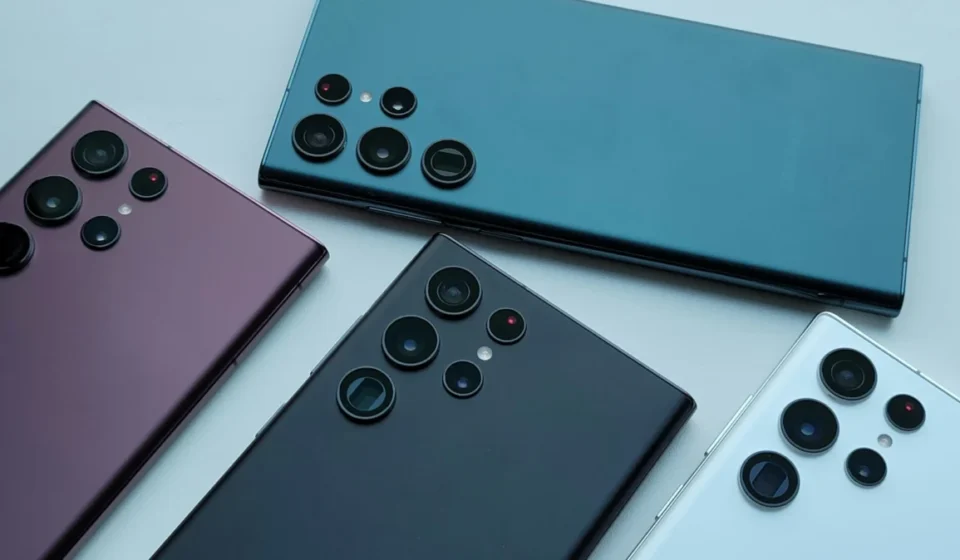
The Premium Dilemma: How Samsung’s Rumored Galaxy S27 Lineup and ‘Pro’ Model Could Redefine the Flagship Market

The smartphone industry has reached a mature plateau where year-over-year hardware leaps are increasingly incremental. To maintain revenue growth and satisfy investor demands for higher margins, manufacturers are shifting their focus from raw technological breakthroughs to sophisticated pricing strategies and product segmentation.
Recent leaks surrounding Samsung’s upcoming flagship series, the Galaxy S27, suggest that the South Korean conglomerate is planning a significant restructuring of its premier smartphone portfolio. By reportedly preparing to introduce a fourth "Pro" model, Samsung aims to bridge the gap between its standard flagships and the ultra-premium tier. However, this strategy raises critical questions about consumer choice, product cannibalization, and the rising cost of mobile technology.
1. Main Facts: The Four-Model Strategy and the "NM" Codenames
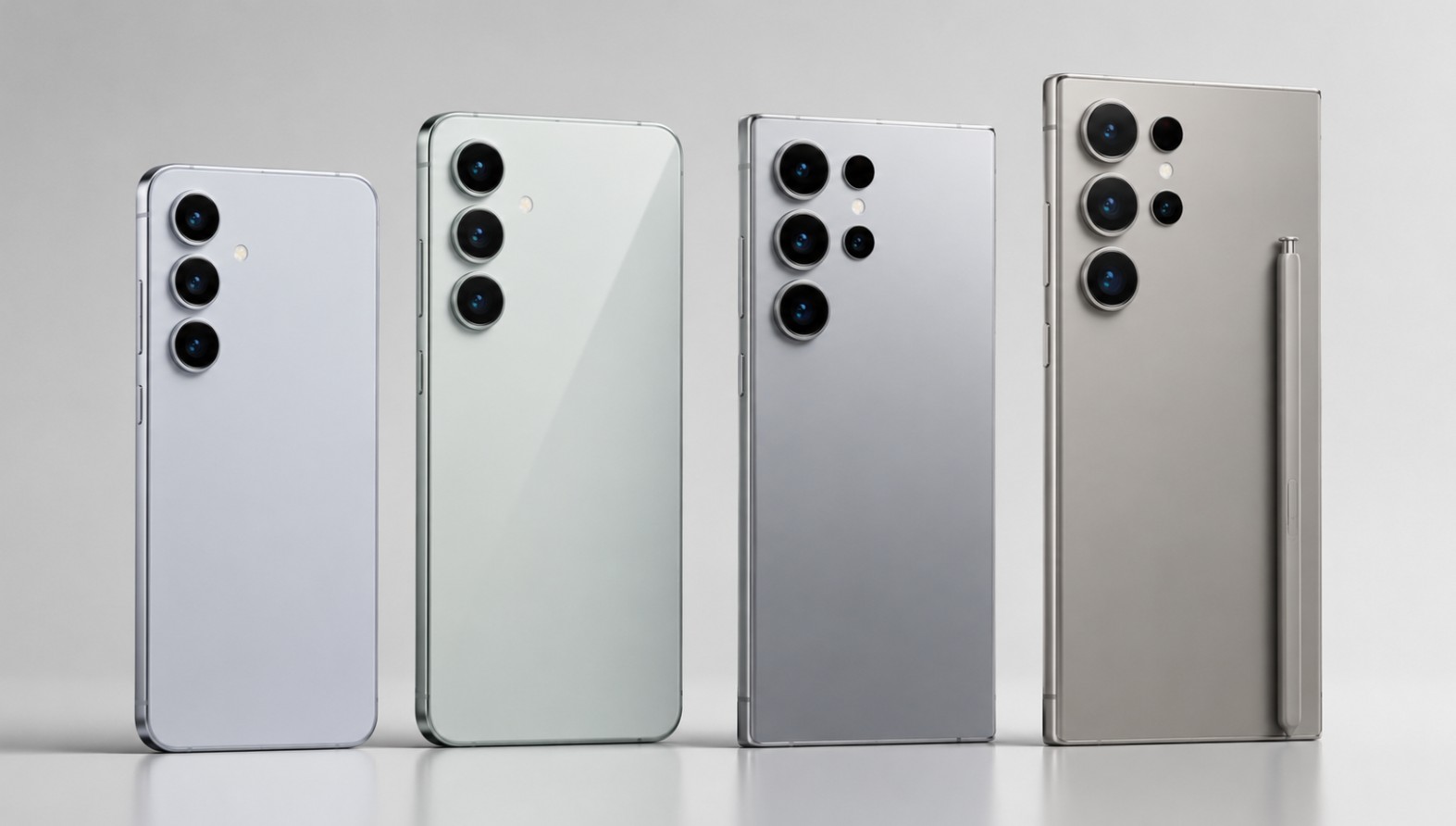
According to reports initially published by 9to5Google and supplemented by regulatory and supply chain leaks via GSM Arena, Samsung is currently developing four distinct devices for its next-generation flagship release. Internally designated under the codenames NM1, NM2, NM3, and NM4, these devices are widely expected to debut commercially as:
- Galaxy S27 (NM1)
- Galaxy S27+ (NM2)
- Galaxy S27 Pro (NM3)
- Galaxy S27 Ultra (NM4)
[NM1] Galaxy S27       ───► Compact Entry-Flagship
[NM2] Galaxy S27+      ───► Large-Screen Entry-Flagship
[NM3] Galaxy S27 Pro   ───► Compact Ultra-Premium (New Tier)
[NM4] Galaxy S27 Ultra ───► Maximum Specification & S Pen Showcase
The introduction of the "Pro" moniker marks a fundamental shift in Samsung’s mobile architecture. Historically, Samsung has relied on a three-tier release cycle: a base compact model, a larger "Plus" variant with similar specifications, and a top-of-the-line "Ultra" model that showcases the company’s absolute best display, camera, and battery innovations.
The rumored Galaxy S27 Pro is positioned to disrupt this hierarchy. It is described as a compact, premium device designed for users who desire the advanced camera capabilities and high-end materials of the Ultra model but prefer a smaller, more ergonomic form factor. By removing the bulky chassis and the integrated S Pen stylus associated with the Ultra, the Pro model seeks to offer a "no-compromise" pocket-sized flagship.
2. Chronology: The Evolution of Samsung’s Flagship Portfolio
To understand why Samsung is considering a fourth model, it is necessary to examine the historical trajectory of the Galaxy S series over the last decade.
Galaxy S6/S7 Era        Galaxy S8/S10 Era        Galaxy S20-S26 Era       Galaxy S27 Era (Rumored)
┌────────────────┐      ┌────────────────┐      ┌────────────────┐      ┌────────────────┐
│  Single Base   │      │   Base Model   │      │   Base Model   │      │   Base Model   │
│     Model      │      │       and      │      │   Plus Model   │      │   Plus Model   │
│  (with "Edge"  │      │  "Plus" Model  │      │  "Ultra" Model │      │  "Pro" Model   │
│   variants)    │      │                │      │                │      │  "Ultra" Model │
└────────────────┘ └────────────────┘ └────────────────┘ └────────────────┘- 2015–2016 (The Edge Era): Samsung experimented with display design, offering flat and curved "Edge" variants of the Galaxy S6 and S7. The product lineup remained straightforward, focusing primarily on screen aesthetics.
- 2017–2019 (The Dual-Tier Era): With the Galaxy S8 and S9, Samsung established a clear two-tier system: the standard model and the larger "Plus" model. The differences were primarily screen size, battery capacity, and occasional secondary camera additions.
- 2020 (The Birth of the Ultra): Recognizing a growing consumer willingness to spend over $1,200 on mobile devices, Samsung introduced the Galaxy S20 Ultra. This tier featured highly advanced camera sensors (108-megapixel) and extreme zoom capabilities, separating it significantly from the S20 and S20+.
- 2022 (The Note Merger): With the Galaxy S22 Ultra, Samsung integrated the dedicated S Pen stylus silo, effectively merging the discontinued Galaxy Note line into the S series. This solidified the Ultra as a productivity giant, but left it physically massive and heavy.
- 2026–2027 (The Pro Pivot): As competitors like Apple successfully leverage a four-model lineup (Standard, Plus, Pro, Pro Max), leaks indicate Samsung is preparing to adopt a mirrored structure for the Galaxy S27 series. This transition aims to address a long-standing complaint from enthusiasts: that high-end camera hardware is locked behind giant screen sizes.
3. Supporting Data: Technical Analysis of Leaked Specifications
Leaked specifications from supply chain sources provide a detailed look at how Samsung plans to differentiate these four devices technically and structurally.
Camera Hardware Distribution
The primary differentiator between the four models lies in their camera configurations. The leaked sensor distribution shows a clear divide between the non-Pro and Pro/Ultra tiers:
| Feature / Model | Galaxy S27 | Galaxy S27+ | Galaxy S27 Pro | Galaxy S27 Ultra |
|---|---|---|---|---|
| Main Camera | 50 MP (New Sony Sensor) | 50 MP (New Sony Sensor) | 50 MP (New Sony Sensor) | 200 MP Proprietary ISOCELL |
| Ultrawide Camera | 12 MP | 12 MP | 50 MP | 50 MP |
| Telephoto Camera | 10 MP (3x Optical) | 10 MP (3x Optical) | 50 MP (5x Optical) | 50 MP (5x Optical) + 10 MP (3x Optical) |
| Front Camera | 12 MP | 12 MP | 16 MP (Autofocus) | 16 MP (Autofocus) |
This distribution reveals that while the standard S27 and S27+ will receive upgraded primary sensors (reportedly transitioning to customized Sony imagers to improve low-light performance), their secondary lenses remain stagnant.
In contrast, the Galaxy S27 Pro inherits the high-resolution 50-megapixel ultrawide and 50-megapixel 5x telephoto systems from the Ultra tier. This allows for high-magnification digital cropping and advanced pixel-binning techniques, significantly outperforming the standard models in zoom clarity and low-light wide-angle photography.
Next-Generation Battery Technology
Another critical technical leak points to Samsung’s testing of silicon-carbon (Si-C) anode batteries for the S27 development cycle.
Traditional lithium-ion batteries utilize graphite anodes. By replacing or enriching these anodes with silicon, manufacturers can theoretically increase energy density by up to 10% to 15% within the same physical footprint. This technology is highly coveted because it allows for:
- Thinner Device Profiles: Keeping premium devices sleek while maintaining current battery capacities.
- Higher Capacity in Small Frames: Crucial for compact premium devices like the rumored S27 Pro, which must power high-drain telephoto cameras and advanced displays without the physical space of an Ultra chassis.
However, the leaked reports include a cautionary note. Silicon-carbon technology suffers from volumetric expansion (swelling) during rapid charging cycles, which can accelerate battery degradation. Current tests indicate that Samsung’s early implementations show only modest capacity increases, and due to production costs, this battery chemistry may be reserved exclusively for the Pro and Ultra variants.
Pricing Architecture and Upselling Dynamics
By analyzing the current retail structure of the preceding Galaxy S26 series, we can project how the introduction of a "Pro" model will alter the financial landscape for consumers.
Current S26 Pricing Structure:
[ $899.99 ] ──► Galaxy S26
[ $1,099.99 ] ──► Galaxy S26+
[ $1,299.99 ] ──► Galaxy S26 Ultra

Projected S27 Pricing Structure (With "Pro" Insertion):
[ $899.99 ] ──► Galaxy S27
[ $1,049.99 ] ──► Galaxy S27+ (Potential Price Adjustment)
[ $1,199.99 ] ──► Galaxy S27 Pro (New Premium Tier)
[ $1,399.99 ] ──► Galaxy S27 Ultra (Potential Premium Increase)
The introduction of the S27 Pro at an estimated $1,199.99 price point serves a strategic retail purpose. It creates an incremental "upsell ladder." A customer entering a retail space intending to buy the standard S27 ($899) can be systematically guided to the Plus for screen size, the Pro for camera capabilities, or the Ultra for the absolute maximum feature set.
4. Official Responses and Industry Context
As is standard corporate policy, Samsung Electronics has declined to comment directly on leaks regarding unannounced hardware. When questioned about the NM1–NM4 codenames and the prospect of a fourth S-series model, a Samsung spokesperson reiterated that the company "does not comment on rumors or future product speculation."
However, Samsung’s public financial disclosures and investor relations calls provide context that aligns with these leaks. In their recent earnings report, executives from Samsung’s Mobile eXperience (MX) division stated:
"Our strategy moving forward remains focused on expanding the sales of flagship devices, enhancing our premium product mix, and driving average selling price (ASP) growth through targeted upselling of high-value models."
This official corporate stance validates the economic theory behind the S27 Pro. By creating a new tier, Samsung is actively attempting to shift its sales distribution curve away from the entry-level flagship (S27) and toward high-margin, premium-priced hardware.
Furthermore, the industry is closely watching Samsung’s quality control leading up to this major transition. Recent reports regarding display anomalies—specifically "red display patches" on select Galaxy S26 Ultra units—have put pressure on Samsung’s engineering divisions. Analysts suggest that before Samsung can successfully market a four-tier premium lineup, it must demonstrate flawless hardware execution to justify these high price points.
5. Implications: The Double-Edged Sword of Product Segmentation
The potential introduction of a Galaxy S27 Pro carries significant implications for both Samsung and the broader consumer technology market.
The Risk of Artificial Feature Starvation
The most pressing concern for consumers is the potential for artificial downgrades on lower-tier models. To make a $1,200 "Pro" model appealing, Samsung must establish clear boundaries between it and the standard S27 and S27+.
If the standard S27 is left with outdated camera sensors, slower charging speeds, or inferior display technology simply to drive buyers toward the Pro, Samsung risks alienating its core customer base. Consumers paying $900 for a smartphone expect flagship-grade performance; they should not feel as though they are purchasing a compromised product.
Mirroring Apple’s Success—and Pitfalls
By moving to a four-model lineup, Samsung is directly copying Apple’s iPhone strategy. Apple has successfully divided its lineup into:
- Standard & Plus: For mainstream users prioritizing battery and screen size.
- Pro & Pro Max: For power users prioritizing camera capabilities, display refresh rates, and build materials.
While this has driven Apple’s ASP to record highs, it has also led to consumer fatigue and confusion. Many buyers struggle to distinguish between the value propositions of the Plus and the standard Pro models. Samsung faces an even greater challenge, as its operating system and software features remain identical across its entire lineup, making hardware differentiation the sole justification for price variances.
Conclusion: A Strategic Shift to Watch
The rumored Galaxy S27 Pro could be the exact device that enthusiast communities have requested for years: a compact powerhouse that refuses to compromise on camera hardware. It addresses the physical limitations of the Ultra while offering a meaningful upgrade over the standard models.
However, this device is not a philanthropic gesture to power users; it is a calculated retail maneuver designed to extract more capital per customer transaction. Until Samsung officially takes the stage to unveil the S27 series, consumers should view these leaks with cautious optimism. A fourth Galaxy S phone may offer a more tailored choice, but it also ensures that the path to owning Samsung’s best mobile technology will become more expensive than ever before.