

























































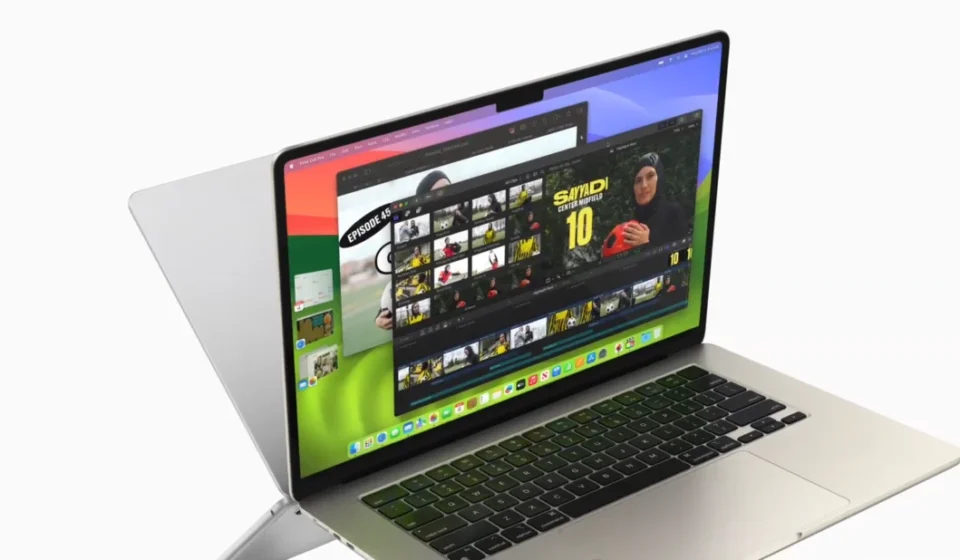

The global semiconductor landscape is undergoing a tectonic shift, and the ripples are currently crashing against the shores of Cupertino. Apple, a company world-renowned for its unparalleled supply chain mastery, is finding itself at the mercy of a volatile memory chip market. According to insights from Bloomberg’s Mark Gurman, the MacBook Air—the company’s most popular laptop and the cornerstone of its portable computing strategy—is facing critical supply constraints, leaving would-be buyers staring at extended delivery windows and retailers struggling with depleted inventory.
This shortage is not an isolated incident but rather the latest symptom of a broader industrial realignment. As artificial intelligence companies aggressively hoard high-bandwidth memory (HBM) and standard DRAM to fuel the next generation of generative AI models, consumer electronics manufacturers are being pushed to the back of the line. For Apple, the crisis has evolved from a niche inconvenience affecting high-end workstations to a mainstream bottleneck threatening its most vital consumer product.
The Anatomy of the Shortage: Main Facts
At the heart of the issue is a fundamental mismatch between supply and demand. The AI industry’s insatiable appetite for memory capacity has effectively monopolized the output of major fabrication plants. While the Mac mini and Mac Studio were the first to feel the pressure, the MacBook Air has now been caught in the crossfire.
As of mid-August, the reality for consumers is stark. A visit to the official Apple online storefront reveals extended lead times that stretch deep into the third quarter. Standard configurations, which typically ship within 24 to 48 hours, are now facing delays that push delivery dates to the latter half of August, while custom-configured units are increasingly slipping into September.
Retail partners are reporting similar friction. For the first time in years, the "Back to School" marketing collateral, which usually serves as a jubilant celebration of student productivity, carries a somber caveat: "MacBook Air subject to availability." This disclaimer, while seemingly innocuous, represents a significant departure from Apple’s historical ability to meet seasonal demand spikes with precision.
A Chronological Descent into Constraint
The current state of affairs did not materialize overnight. The trajectory of this shortage can be traced through a series of escalating warnings and strategic pivots over the last several months.
Phase 1: The Niche Impact (Early 2026)
Initially, the supply chain strain was largely confined to Apple’s professional-grade hardware. The Mac mini and Mac Studio—machines that often require specialized memory configurations—began showing signs of inventory instability. During this period, market analysts dismissed the issue as a temporary hiccup related to localized fabrication yield rates.
Phase 2: The AI Pivot (Spring 2026)
By the second quarter, the "AI gold rush" intensified. As major hyperscalers and AI startups began placing massive, premium-priced orders for memory modules to power their data centers, the cost and availability of standard consumer-grade memory plummeted. Apple’s supply chain teams were forced to compete with entities that were willing to pay a significant premium to secure priority access.
Phase 3: The Consumer Crunch (June – August 2026)
In late June, Apple made the preemptive move to raise prices across its Mac and iPad lines, a tactical decision aimed at both curbing demand and offsetting the rising cost of components. Simultaneously, the company delayed its annual "Back to School" promotion, a cornerstone of its fiscal year. By August, the shortage had officially permeated the consumer-volume segment, leading to the current stock-outs of the MacBook Air.
Supporting Data and Market Dynamics
To understand the severity of the situation, one must look at the macro-economic forces at play. The memory market is notoriously cyclical, but the current "AI-driven cycle" is unprecedented in its intensity.
The Memory Monopoly
High-bandwidth memory (HBM) is currently the "gold" of the tech sector. Because HBM requires more silicon real estate and more complex manufacturing processes than standard LPDDR5 (the type used in MacBooks), manufacturers are prioritizing HBM production to maximize their margins. This leaves a smaller, more expensive pool of standard memory for consumer laptop makers.
Price Hikes as a Defense Mechanism
Apple’s decision to increase prices is not merely a revenue-generation tactic; it is a signal to the market. By raising prices, Apple is attempting to dampen the volume of orders to match the diminished supply of memory. However, data suggests that the move has had limited effect on consumer demand, as the MacBook Air remains the default choice for students and professionals alike, leading to the current inventory depletion.
The Diversification Strategy
In a notable shift, reports indicate that Apple is aggressively diversifying its supply chain. While historically reliant on a core group of Tier-1 suppliers, Apple is increasingly vetting and integrating memory from Chinese suppliers. This move is fraught with geopolitical risk, yet it highlights the desperation of the current situation. The company is trading its traditional reliance on high-end, proven fabrication partners for the sheer volume availability offered by emerging suppliers in the region.
Official Responses and Strategic Shifts
Apple has remained characteristically tight-lipped regarding specific supply chain vulnerabilities. However, the company’s internal actions provide a clear window into their crisis management strategy.
Shifting the Marketing Narrative
Perhaps the most telling sign of the shortage is the shift in Apple’s advertising strategy. In previous years, the MacBook Air was the undisputed star of back-to-school campaigns. This year, for the first time, the marketing focus has shifted toward the base model of the MacBook Pro. By nudging consumers toward the Pro, Apple is likely attempting to manage expectations and steer traffic toward a product line that, while still constrained, may have better inventory buffer than the ultra-popular Air.
Addressing the "Back to School" Gap
The delay of the back-to-school promotion was a clear signal that the company was not ready to invite high-volume demand during a period of supply instability. Even now, the promotion is being rolled out with significant caveats. The inclusion of the "subject to availability" warning on marketing materials is an unprecedented transparency move for a company that prides itself on seamless product availability.
Implications: What This Means for the Future
The current shortage carries long-term implications for both Apple and the broader consumer electronics industry.
The Erosion of "Just-in-Time" Efficiency
Apple’s legendary supply chain model—often cited as the gold standard for "just-in-time" manufacturing—is being tested like never before. The ability to forecast demand with 99% accuracy is useless when the raw materials required to meet that demand are simply unavailable. We may see a permanent move toward larger inventory stockpiles, which would increase overhead costs and potentially reduce the company’s legendary profit margins.
Consumer Brand Loyalty vs. Availability
The MacBook Air has built its reputation on accessibility. For many, it is the entry point into the Apple ecosystem. If the shortage persists through the remainder of the year, there is a risk that potential customers will look toward competitors or simply delay their purchases indefinitely. In a digital-first world, a laptop is an essential tool; if Apple cannot provide the tool, the customer will eventually look elsewhere.
The AI-Consumer Divide
This crisis underscores the growing divide between enterprise-grade AI infrastructure and the consumer market. As long as the AI boom continues to reward chip manufacturers for prioritizing high-performance memory, consumer electronics will remain in a secondary position. We may be entering a period where hardware upgrades become less frequent, not because the technology isn’t improving, but because the foundational components are being diverted to satisfy the voracious appetite of the AI revolution.
Conclusion
As we look toward the final quarter of 2026, all eyes will be on the Cupertino supply chain. Can Apple navigate the geopolitical and market hurdles to stabilize the availability of the MacBook Air? Or are we witnessing a structural change in the industry where consumer electronics take a backseat to the requirements of the artificial intelligence era?
For now, the consumer is left with a waiting game. Whether this is a temporary bottleneck or the "new normal" remains to be seen. What is clear, however, is that the silicon shortage has moved from the peripheral to the center, and the ripple effects are changing how one of the world’s most powerful companies does business.