
































All products and listings featured on Matador Network are independently selected by our writers and editors. Matador Network may receive compensation if you make a purchase through these links. Prices are accurate as of publication.
Learn More & Book Your Stay at the Steel House
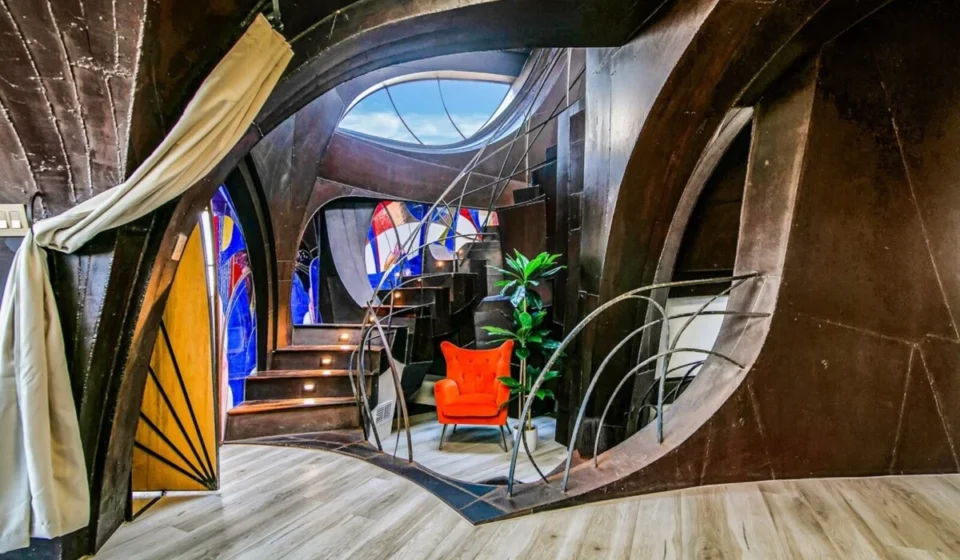
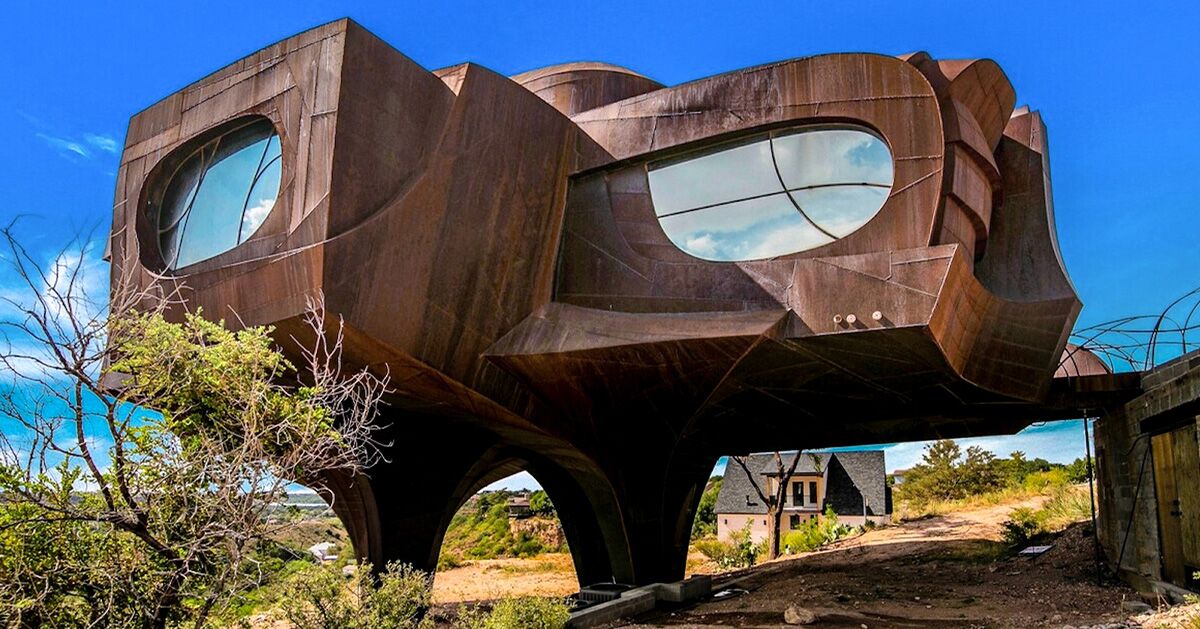
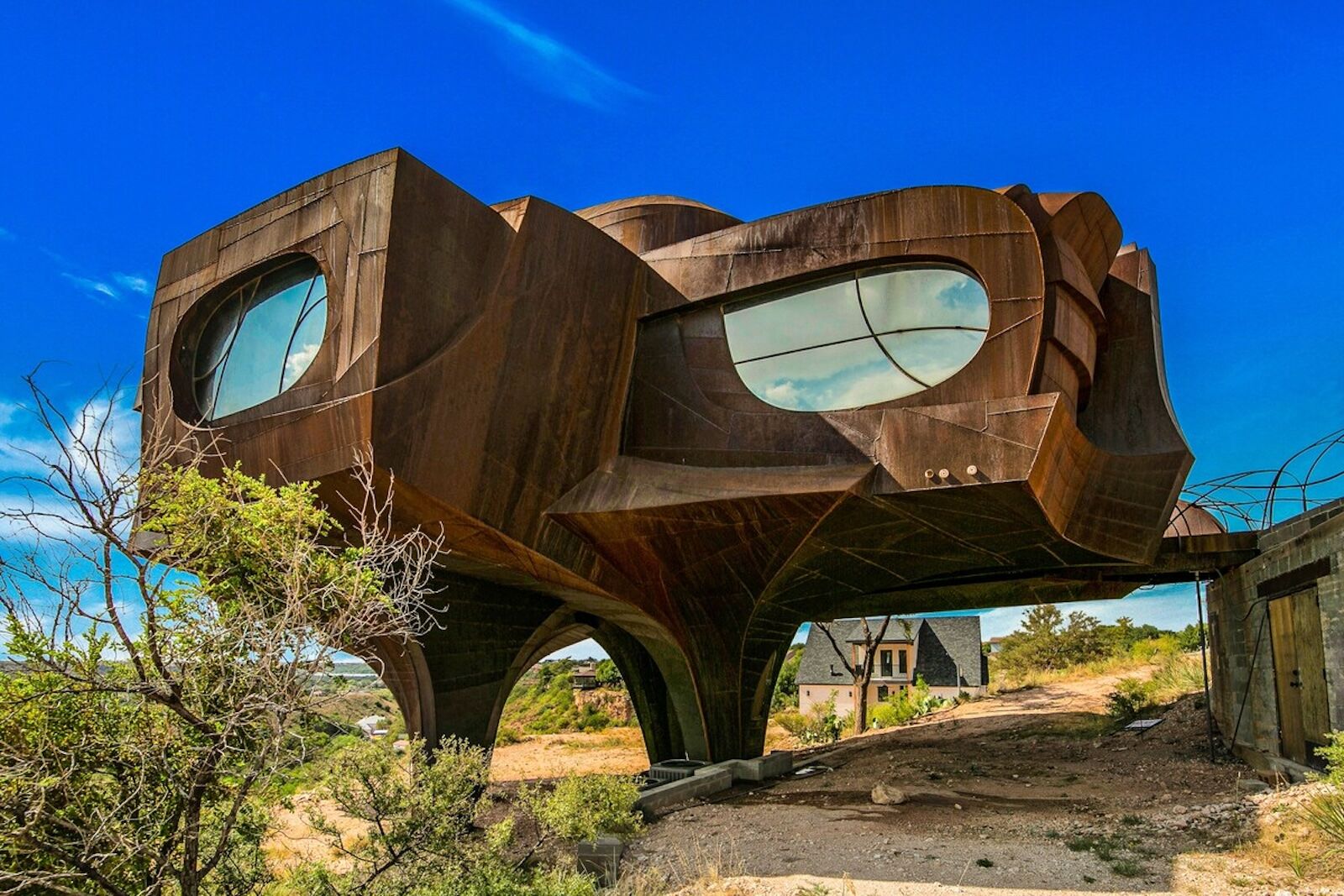
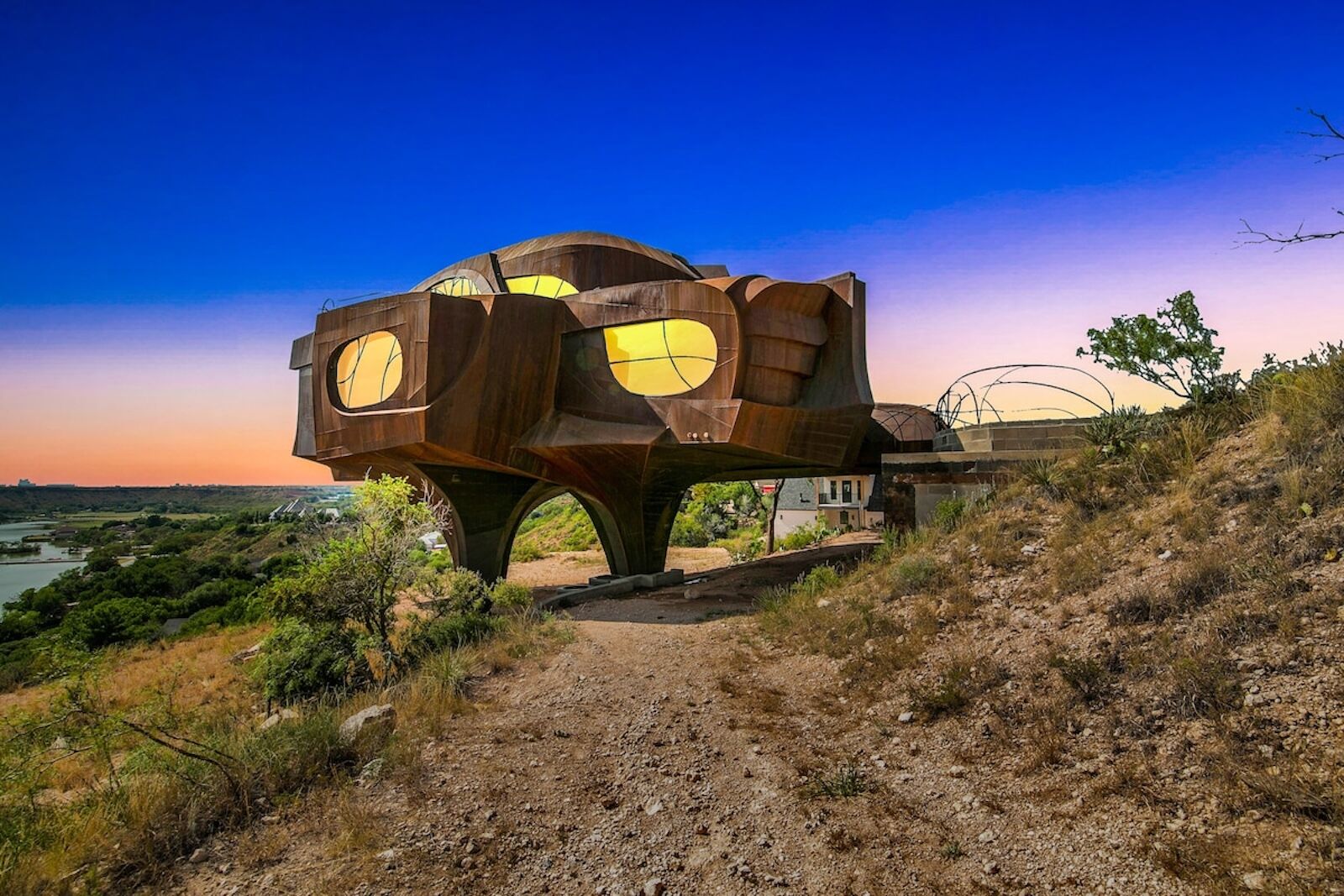
In the rugged, sun-drenched landscape of Ransom Canyon, Texas, stands a structure that defies conventional architectural logic. It is an alien, organic, and monolithic sculpture of oxidized steel that seems to have sprouted from the canyon floor like a metallic tree. This is the Robert Bruno Steel House—a project that consumed over three decades of its creator’s life and now serves as a testament to human obsession and visionary design.
Recently, we sat down with Lynna Bartosh, the current steward of this iconic residence, to discuss the profound responsibility of preserving a piece of art that was never truly meant to be "finished" by anyone other than its maker.
The Genesis of an Architectural Marvel
To understand the Steel House is to understand Robert Bruno. An architect and professor of architecture at Texas Tech University, Bruno began construction on the house in 1974. He did not hire a construction crew; he did not follow a traditional blueprint. Instead, he welded the structure himself, piece by piece, over the course of 30 years.
Bruno’s vision was to create a space that felt like an extension of the natural environment, utilizing steel not as a rigid frame, but as a fluid, sculptural material. The result is a multi-story home that floats above the ground, cantilevered and curved, offering views that make the inhabitants feel as though they are suspended in the very air of the canyon. Tragically, after dedicating his life’s work to the project, Bruno lived in the house for only a few months before his passing in 2008.
Chronology of a Lifetime Project
- 1974: Robert Bruno begins construction on the Steel House in Ransom Canyon, Texas.
- 1974–2008: A three-decade period of continuous welding, structural experimentation, and artistic refinement.
- 2008: Robert Bruno passes away, leaving the home largely unfinished and in need of specialized care.
- Post-2008: The property enters a period of uncertainty, facing the elements of the harsh West Texas climate.
- Modern Era: New stewardship takes over, focusing on structural stabilization, water management, and delicate restoration to preserve the integrity of Bruno’s vision.
- Present Day: The house is opened to guests, allowing the public to experience one of the most unique residential architectures in the United States.
Stewardship Over Ownership
When asked about the weight of history attached to the house, Lynna Bartosh describes her role not as a landlord, but as a custodian. "Honestly, it’s a little hard to wrap your head around sometimes," she says. "Robert spent more than 30 years building this house by hand, piece by piece, and then only got to live in it for a few months before he passed away. When you stand inside it and really think about that, you can feel the weight of the story."
In Texas, where the ethos of hard work and self-reliance is deeply ingrained in the culture, Bruno’s legacy carries a particular gravity. He wasn’t simply constructing a home; he was challenging the status quo of residential design. Bartosh notes that her primary goal has been to honor that persistence. "I feel less like the owner and more like a steward of the place. The Steel House was here before me, and with any luck, it’ll be here long after me too."
The Unseen Battle: Restoring the Impossible
The public sees the striking silhouette of the Steel House against the blue Texas sky, but the reality of its maintenance is far more grounded in technical challenges. When Bartosh took over, the house was a diamond in the rough—structurally sound, yet battered by years of neglect.
"What surprised me most was how much of the work wasn’t visible," Bartosh explains. "People see the architecture and the steel, but a lot of the restoration has involved addressing water intrusion, improving drainage, repairing systems, and handling years of deferred maintenance."
Because Bruno’s methods were entirely unconventional, there is no "Steel House manual." Every repair is an act of engineering detective work. There are no standardized parts or contractors who have experience with a home built in this manner. Every decision must be balanced between the need for modern functionality and the imperative to preserve the aesthetic and structural intent of the original designer.
The Sensory Experience: Beyond the Photograph
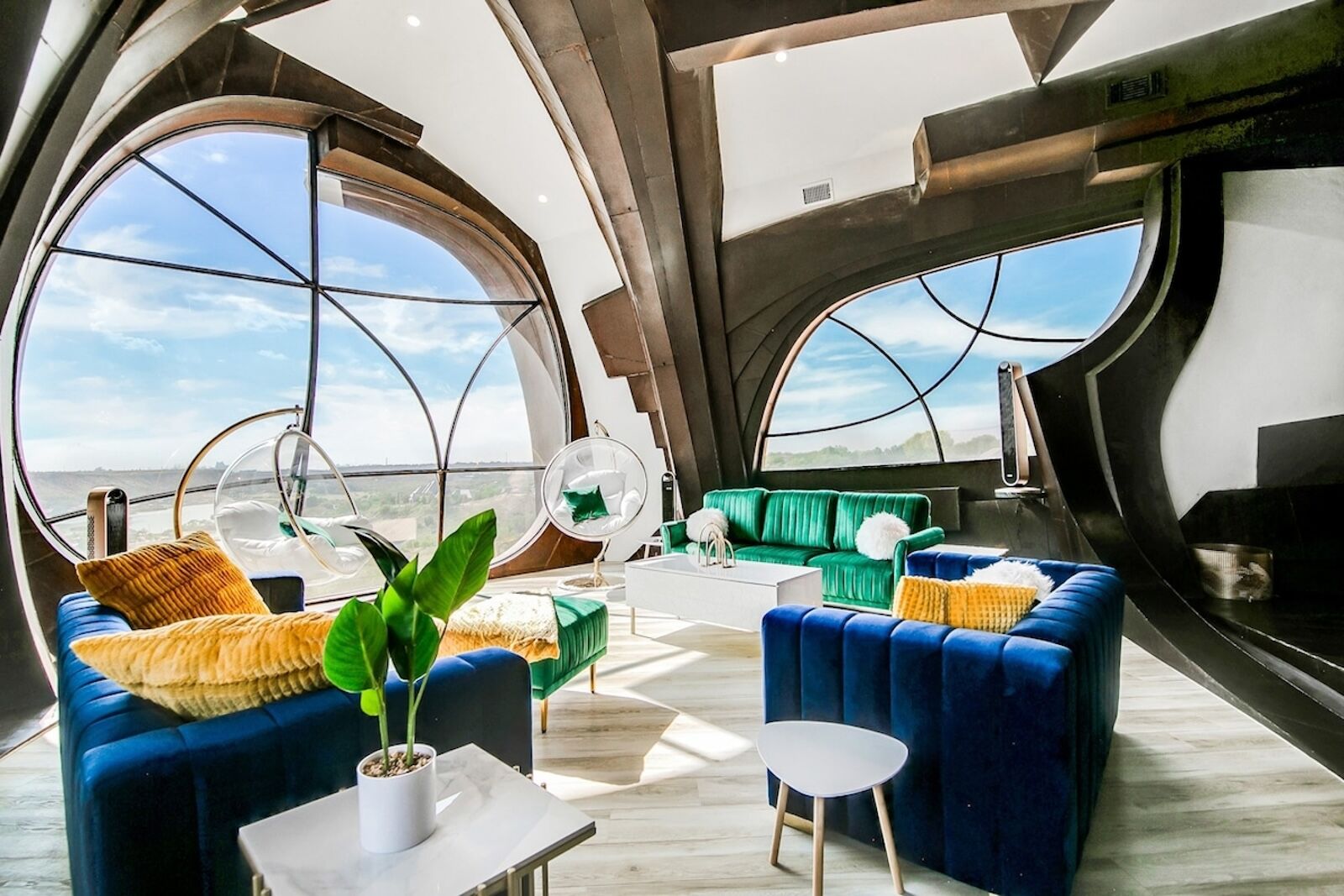
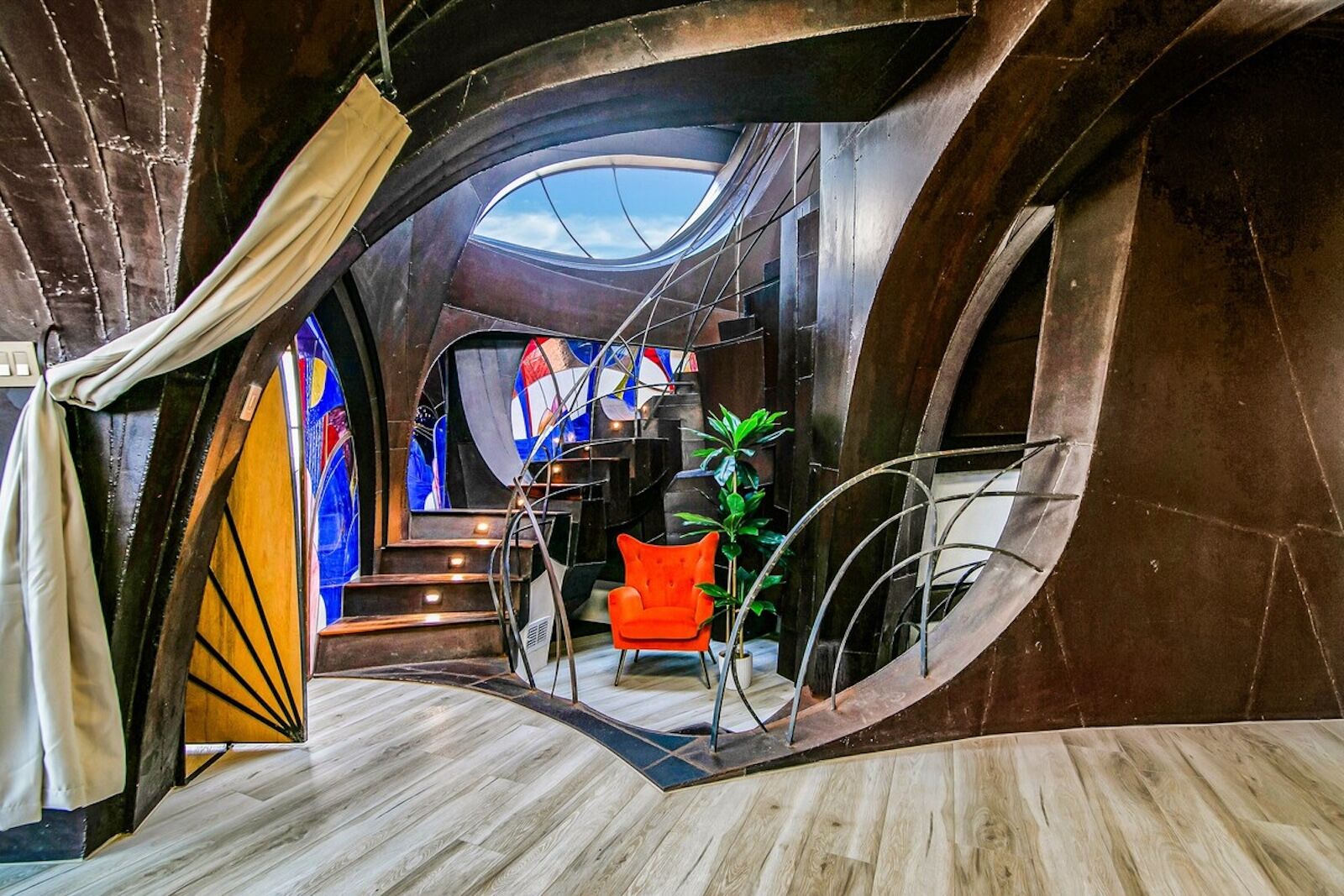
One of the most common refrains from visitors is that the house cannot be captured in a frame. "The photos capture the shape of it, but they don’t capture what it’s like to stand inside these curved steel spaces," says Bartosh.
The house is a visceral experience. The light behaves differently here, filtering through unique, sculptural window placements that create a dance of shadow and warmth across the steel interior. As you move through the rooms, the house feels as though it is unfolding, revealing new perspectives with every step. Visitors often report a sense of profound intimacy, feeling as though they are inside the mind of the man who created it. This human element—the palpable obsession and creative drive—is what separates the Steel House from any other luxury accommodation.
A Symphony of Nature in Ransom Canyon
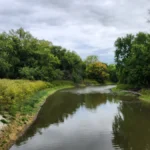
The house does not exist in a vacuum; it is deeply entwined with the ecology of Ransom Canyon. Guests frequently report the wildlife as a highlight of their stay. The property is a hub of activity, from the gray foxes that trot across the grounds at twilight to the great horned owls whose calls echo through the canyon after dark.
In the winter, the landscape shifts entirely as the lake becomes a sanctuary for migrating Canadian geese. "Sometimes there are so many of them that the sound completely takes over the canyon," Bartosh describes. "The honking echoes off the landscape, and it’s one of those experiences that’s impossible to appreciate until you’re standing there hearing it for yourself."
This connection to the environment is intentional. The house is designed to facilitate observation, with massive glass expanses that turn the surrounding nature into a living, breathing artwork.
Implications for Travelers and Preservationists
The decision to open the Steel House to the public has sparked a conversation about the intersection of tourism and historic preservation. By allowing guests to stay in the home, the current stewards are able to generate the funding necessary to maintain the property, ensuring that it doesn’t fall back into the state of disrepair it once faced.
For those planning a visit, the experience is more than a vacation—it is an immersion into a specific vision of American architecture. While the surrounding area offers attractions like the Palo Duro Canyon—the second-largest in the U.S.—most guests find that their plans to explore the region fall by the wayside. Once they settle into the rhythm of the Steel House, the urge to leave dissipates.
A Note on the Seasons
While the house is a year-round destination, Bartosh notes that early spring holds a special magic. "There’s something special about those crisp West Texas mornings when the air is cool, the lake is still, and the canyon is just starting to wake up." Whether you are looking for the vibrant activity of summer, the comfortable temperatures of autumn, or the quiet, migratory wonders of winter, the Steel House adapts to the personality of the season.
Final Thoughts: The Legacy Continues
The Robert Bruno Steel House stands as a monument to one man’s singular vision. It reminds us that architecture can be more than just shelter; it can be an expression of the human spirit. Through the careful, respectful stewardship of people like Lynna Bartosh, this piece of Texas history is not only preserved but shared with a new generation of dreamers and explorers.
When you walk through the doors of this iron behemoth, you aren’t just checking into a rental—you are entering into a dialogue with the past. You are experiencing the culmination of 30 years of labor, a lifetime of thought, and a testament to the belief that with enough persistence, the impossible can indeed be built.