






















































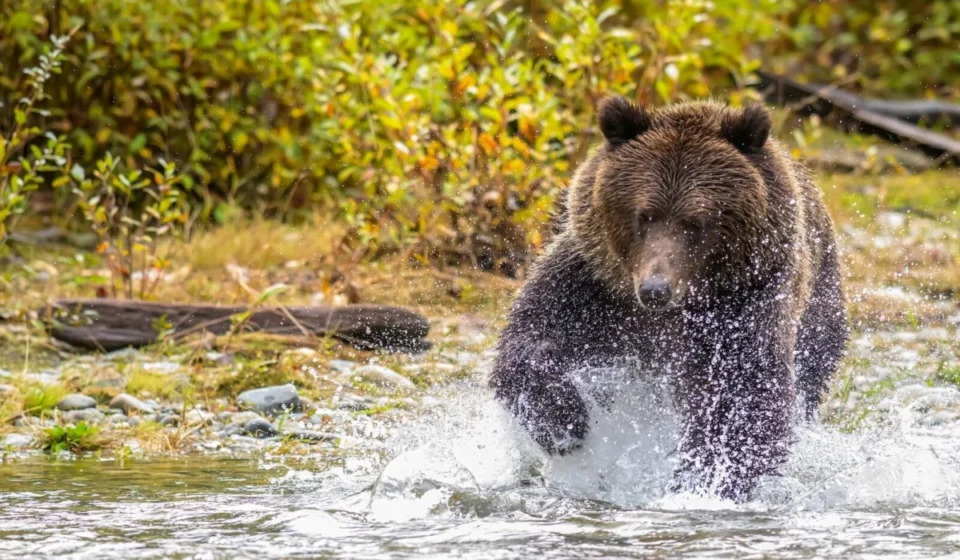

Every autumn, as the air turns crisp and the nights grow long, a biological phenomenon takes hold across the northern hemisphere. From the rugged coastlines of British Columbia to the silent taiga of Finland, brown bears are engaged in an intensive, calorie-fueled race against time. This is hyperphagia—a period of excessive eating where bears consume thousands of calories daily to build the fat reserves necessary to survive the coming winter.
While Alaska’s Katmai National Park has captured the global imagination with its annual "Fat Bear Week" bracket—a viral celebration of ursine girth—the logistical hurdles of reaching Brooks Camp are significant. With day trips often costing upwards of $1,400 and reservations disappearing months in advance, many wildlife enthusiasts are looking for alternative front-row seats to this seasonal spectacle.
The Logistics of the "Fat Bear" Pilgrimage
For those determined to make the trek to Katmai, the journey is an odyssey. Visitors must navigate to Anchorage, then secure a bush plane flight to King Salmon, followed by a floatplane transit into the heart of Brooks Camp. Once there, the experience is governed by strict regulations; rangers cap the number of people on viewing platforms to minimize human impact, leading to long, patient waits.
However, the "Fat Bear" experience is not exclusive to the Alaskan wilderness. Across North America and Europe, conservation efforts and responsible tourism initiatives have opened up new frontiers for observing these apex predators in their natural, pre-hibernation states.
Chronology of the Season: When to Go
The "fattening" season is dictated by the salmon runs and the availability of mast (berries and nuts).
- July to August: The early phase of hyperphagia begins as bears gather at primary river arteries to capitalize on the first wave of salmon.
- September to mid-October: The peak of the season. Bears are at their most aggressive in their search for calories. This is the "golden window" for photography, as the bears are at their largest and the autumn foliage provides a dramatic backdrop.
- Late October: As temperatures drop, bears begin to retreat toward their dens, and viewing opportunities diminish rapidly.
Prime Destinations for Bear Enthusiasts
Bute Inlet, British Columbia: The Grizzly Heart
Located in the southern reaches of the Great Bear Rainforest, Bute Inlet is a sanctuary for grizzlies. The proximity to Vancouver Island makes it an accessible alternative to remote Alaskan sites. The Klahoose First Nations, who hold deep ancestral ties to this land, act as stewards of the region, ensuring that tourism remains respectful of the bears’ habitat.
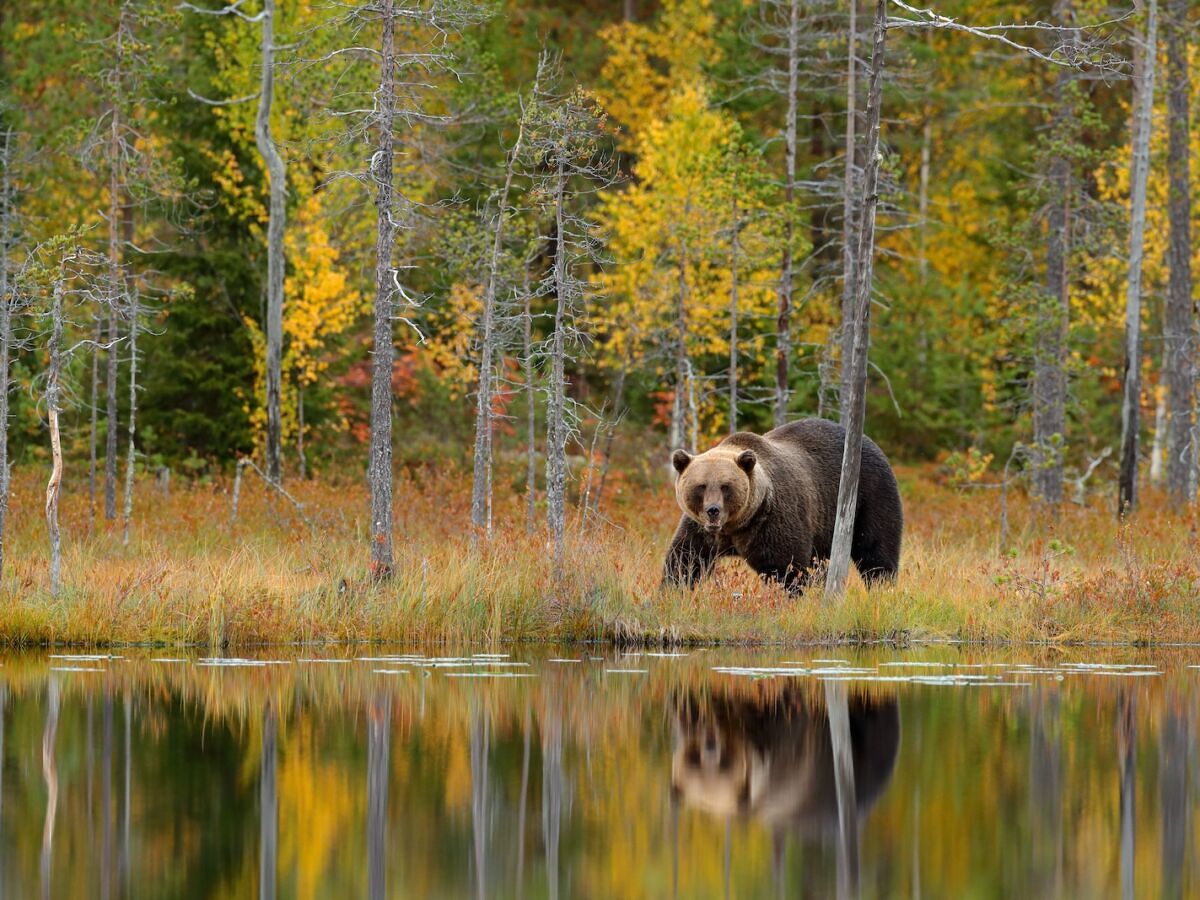
- The Experience: Visitors typically depart from Campbell River via boat. During the two-hour transit, whale sightings are common, bridging the gap between marine and terrestrial wildlife viewing. Once on the ground, elevated platforms allow for safe, intimate observation of bears fishing the riverbanks.
- Economic Impact: Tours are relatively accessible, starting at under $500, with multi-day packages offering a more immersive cultural experience.
Bella Coola Valley: The Grizzly Capital
Often cited as the "Grizzly Bear Capital of Canada," the Bella Coola Valley benefits from the sheer volume of salmon—chinook, sockeye, and coho—flooding the Atnarko and Bella Coola Rivers.
- Accessibility: Unlike many remote outposts, Bella Coola is reachable by a 12-hour scenic drive from Vancouver or a 90-minute flight. This ease of access has made it a hub for both budget-conscious travelers and those seeking luxury lodge experiences, such as the acclaimed Tweedsmuir Park Lodge.
- Engagement: The region specializes in float tours, where guides drift silently downriver, offering a unique perspective on bears that are focused entirely on the water rather than the observers.
Yellowstone National Park: The Mainland Benchmark
Yellowstone stands as the premier location for grizzly observation in the lower 48 states. Decades of conservation have allowed a healthy population to rebound from the brink of extirpation.
- Behavioral Dynamics: In Yellowstone, the autumn search for food is varied. Visitors may witness bears digging for whitebark pine nuts or foraging for berries. In rare instances, observers might catch a glimpse of the complex, often tense, interactions between grizzlies and the park’s grey wolf packs over shared kills.
- Strategic Viewing: Hayden and Lamar Valleys are the primary theaters for these interactions. The park’s vast, open landscapes are ideal for long-range photography, though the sheer popularity of the park means that early-morning arrivals are essential to avoid the "bear jams" that can clog the roads.
Admiralty Island, Alaska: The Densest Population
For those who want the Alaskan experience without the extreme crowds of Katmai, Admiralty Island (known to the Tlingit as Kootznoowoo, or "Fortress of the Bear") is the gold standard.
- Supporting Data: National Park Service estimates suggest a density of up to one bear per square mile. The Pack Creek Bear Viewing Area is the epicenter of this activity.
- Regulatory Framework: Because the island is a protected wilderness, access is strictly governed by a permit system. While the costs mirror those of Katmai (often ~$900 for a day trip), the reward is a more solitary encounter with one of the most concentrated bear populations on Earth.
Grand Teton National Park: A Legacy of Conservation
The Tetons gained international fame through the life of "Grizzly 399," a legendary matriarch who raised 18 cubs and became a global ambassador for bear awareness.
- Implications of Loss: Her death in 2024 sparked an international conversation regarding wildlife safety and the dangers of human-wildlife conflict on park roads. Her legacy continues to draw visitors who come not just to see bears, but to honor the need for habitat protection.
- Guided Expertise: Because the terrain can be challenging, many visitors opt for specialized eco-tours. These guides utilize high-powered optics to track bears at a safe, ethical distance, ensuring that the animals’ natural foraging patterns remain undisturbed.
Kuhmo and Suomussalmi, Finland: The European Frontier
For those in Europe, the taiga forests of eastern Finland offer a rare chance to see brown bears in the wild. Unlike the wide-open valleys of the American West, Finland offers a "hide-based" experience.
- The "Hide" Strategy: Tourism operators have constructed specialized wooden hides that allow visitors to sit within yards of wild bears. This has become a highly reliable form of tourism, with many operators boasting a 90 percent success rate for sightings.
- Late Season Advantage: Due to the northern latitude, these bears remain active slightly later than some of their North American cousins, often delaying denning until mid-October.
Official Responses and Conservation Ethics
Wildlife agencies across the board—from the National Park Service in the U.S. to Parks Canada and Finland’s Metsähallitus—have issued unified guidance regarding the growth of "bear tourism."
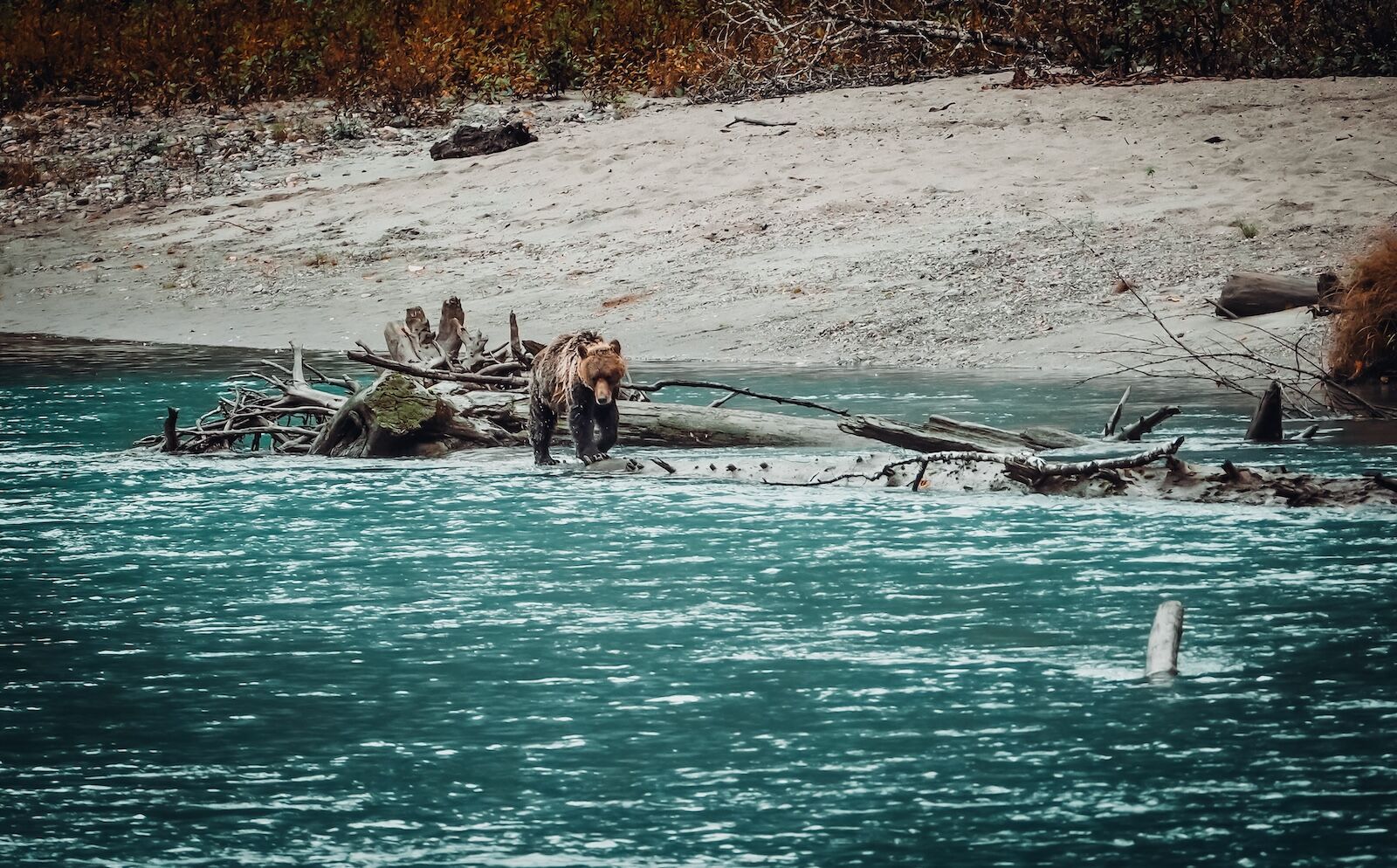
The official consensus is clear: Distance is the greatest safety feature. As tourism grows, the pressure on bear populations to tolerate human presence increases. Officials stress that "habituation"—where bears become comfortable with humans—is a dangerous trajectory that often leads to the animal being euthanized if it begins to associate people with food.
"The goal of any viewing experience should be to observe the bear as if you aren’t there," says one park biologist. "If a bear changes its behavior because of your presence, you are too close."
Implications for the Future
The surge in interest in "Fat Bear" culture is a double-edged sword. On one hand, it has fostered a generation of wildlife advocates who are deeply invested in the health of these predators and their ecosystems. On the other, it creates immense pressure on fragile habitats.
As we move forward, the shift is likely to move toward "low-impact" tourism—limiting access, increasing education, and prioritizing the bears’ ability to pack on the necessary weight for winter over the visitor’s desire for the perfect selfie. The true beauty of the autumn fattening is not just in the size of the bears, but in the resilience of the wilderness that allows them to reach such impressive proportions. Whether you are in the high peaks of Wyoming or the deep forests of Finland, the lesson remains the same: these animals are the true masters of the landscape, and we are merely privileged guests.