

























































While the nation’s attention remains fixed on the iconic Lincoln Memorial Reflecting Pool in Washington, D.C.—where a stubborn, neon-green bloom of algae has marred the site ahead of the nation’s 250th-anniversary celebrations—Minnesota regulators are quietly grappling with a far more expansive and complex challenge.
The struggle in the nation’s capital, attributed to the shallow, heat-absorbing basin and the chemical composition of the Potomac River water used to fill it, serves as a high-profile microcosm of a larger environmental battle. In the "Land of 10,000 Lakes," the Minnesota Pollution Control Agency (MPCA) is navigating a massive, state-wide effort to monitor and remediate thousands of impaired water bodies. As the state releases its 2026 draft list of impaired waters, the sheer scale of the mission highlights both the progress being made and the persistent threats facing Minnesota’s aquatic ecosystems.
The Scope of the Crisis: Defining "Impaired Waters"
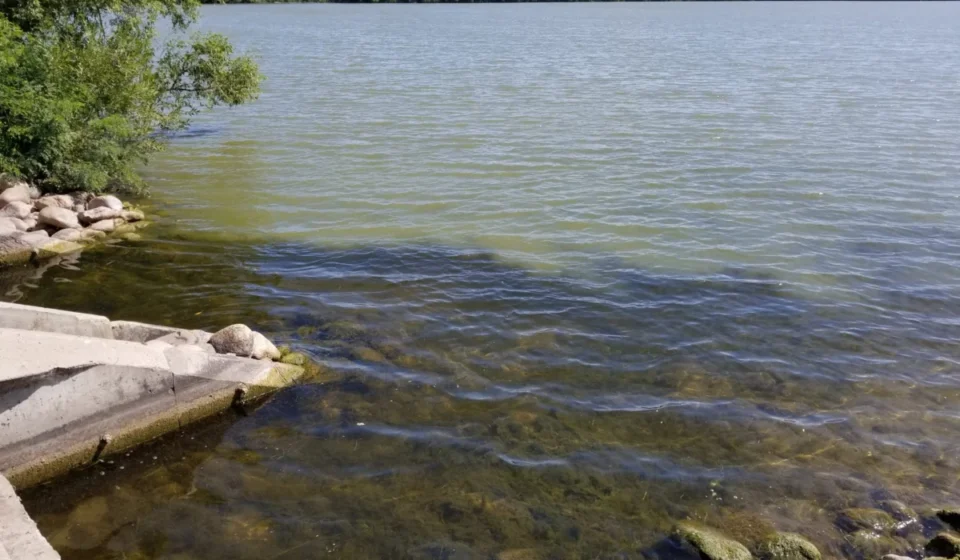
Under the federal Clean Water Act, every state is mandated to conduct a biennial assessment of its surface waters. The resulting list identifies bodies of water—lakes, streams, rivers, and wetlands—that fail to meet established quality standards. These impairments are rarely the result of a single factor. Instead, they are usually the byproduct of a "cocktail" of pollutants, including excessive sediment, bacteria, and nutrients like phosphorus and nitrogen, which serve as the primary fuel for the toxic algae blooms currently plaguing both the Potomac and Minnesota’s own interior waters.
The 2026 draft list, which is currently open for public review through July 22, paints a sobering picture. The state has identified 2,979 individual water bodies suffering from a combined total of 6,410 impairments.
Data Breakdown: What is Hurting Our Waters?
- Aquatic Life Impairments: 32% of all recorded impairments involve damage to fish and macroinvertebrate populations, often caused by habitat degradation or chemical toxicity.
- Mercury Contamination: 27% of impairments are linked to mercury, a persistent pollutant that bioaccumulates in the food chain, leading to fish consumption advisories across the state.
- Bacterial Contamination: 15% of impairments are tied to bacteria, which often enter waterways through runoff, failing septic systems, or agricultural waste, rendering beaches unsafe for swimming.
Chronology: From Isolated Studies to a Watershed Approach
For decades, the standard approach to water management was fragmented. Regulators would focus on a single lake or a small segment of a stream, attempting to solve local pollution issues in isolation. However, by the mid-2000s, it became clear that this "whack-a-mole" strategy was insufficient to address the interconnected nature of Minnesota’s hydrology.
- 1992: Minnesota initiates its official impaired waters reporting program, establishing the baseline for modern monitoring.
- 2007: The MPCA shifts to the "Watershed Approach." Recognizing that pollutants move across landscapes regardless of political boundaries, the agency begins managing water quality by major watershed.
- 2008: Minnesota voters pass the Clean Water, Land, and Legacy Amendment, a landmark constitutional change that dedicates a portion of sales tax revenue to environmental conservation.
- 2026: The current cycle marks a historic milestone, with the MPCA proposing the removal of 45 water bodies from the impaired list—the highest number of successful restorations since the program’s inception.
A Success Story: The Case of Riley Lake
The "watershed approach" is more than just a bureaucratic framework; it is a tactical manual for restoration. A prime example of this success is Riley Lake, located on the border of Chanhassen and Eden Prairie. For years, the lake struggled with excessive phosphorus and murky water that choked out native vegetation.
Terry Jeffery, administrator of the Riley Purgatory Bluff Creek Watershed District, explains that the recovery was not achieved through a "quick fix," but through a multi-year, multi-phase biological and chemical intervention:
- Biological Assessment: Researchers from the University of Minnesota were brought in to study the migratory and reproductive cycles of common carp, which are notorious for stirring up sediment and uprooting aquatic plants.
- Population Control: The district successfully reduced the carp population, allowing native vegetation to recover and act as a natural filter for the water.
- Invasive Species Removal: Teams manually and mechanically cleared Eurasian water milfoil and curly leaf pondweed.
- Chemical Stabilization: The final step involved the application of alum (aluminum sulfate), a process that binds with phosphorus in the water column and settles it into the lake bed, effectively "locking away" the nutrient that feeds algae blooms.
Through this rigorous process, Riley Lake met its water quality goals and was removed from the impaired list, serving as a blueprint for other districts.
Official Responses and Bureaucratic Complexity: Understanding "TMDL"
The language of water regulation is often laden with acronyms that can obscure the reality of the work. The most prominent of these is the "Total Maximum Daily Load" (TMDL).

A TMDL is essentially a pollution "budget." It defines the maximum amount of a specific pollutant that a water body can receive while still meeting water quality standards. When a body of water is listed as "impaired," the MPCA and its partners must conduct a study to determine how much the pollutant load needs to be reduced and where it is coming from.
"It is a clunky term," acknowledges an MPCA spokesperson, "but it is the mathematical foundation for every restoration project we undertake." To date, Minnesota has completed 205 EPA-approved TMDL projects. These are not merely studies; they are actionable plans that result in infrastructure upgrades, agricultural best-management practices, and improved urban stormwater systems.
The Financial Engine: The Clean Water Fund
Unlike many states that rely entirely on federal grants or inconsistent general fund appropriations, Minnesota has a unique, voter-approved mechanism for funding water protection: the Clean Water Fund.
Established by the 2008 Legacy Amendment, this fund is supported by a 0.375% sales tax that runs through 2034. This provides a level of financial stability that allows local watershed districts to plan long-term projects rather than relying on year-to-year funding. For the 2024-2025 biennium, the state Legislature appropriated $318 million toward water resource activities. Of that, $48 million was allocated specifically to the MPCA to bolster monitoring, protection, and restoration efforts.
Implications: The Road Ahead
As the MPCA holds a series of virtual public meetings—the most recent of which covered the Upper Mississippi River region, including the Leech Lake and Crow River watersheds—the message to the public is one of cautious optimism.
The addition of 46 new impairments to the 2026 list underscores the reality that pollution is a constant, shifting challenge. New contaminants, changing climate patterns (such as the warmer temperatures affecting the Lincoln Memorial Reflecting Pool), and shifting land-use patterns mean that the work is never truly "finished."
The broader implication for Minnesota is that the "Land of 10,000 Lakes" is entering a new era of stewardship. No longer is it enough to simply identify a dirty lake; the state is now utilizing predictive modeling, biological control, and consistent, dedicated funding to manage its water resources as a living, breathing system.
For citizens, the public comment period (ending July 22) is more than a formality. It is an opportunity to engage with the health of their local ecosystems. Whether it is the high-profile algae blooms in D.C. or the quiet, steady work being done in a Minnesota watershed, the lesson remains the same: water quality is a fragile balance that requires constant vigilance, scientific rigor, and the collective will of the public to protect.
As the MPCA continues its series of meetings through July 14, they are looking for local insights that only residents can provide—identifying issues that satellite data might miss and building the local support necessary to implement the next wave of TMDL projects. The future of Minnesota’s lakes depends not just on the scientists and the regulators, but on a public that understands the complexity of the water they use every day.