
















































Minnesota’s Cannabis Transition: From Tribal Pioneerism to a Statewide Retail Reality

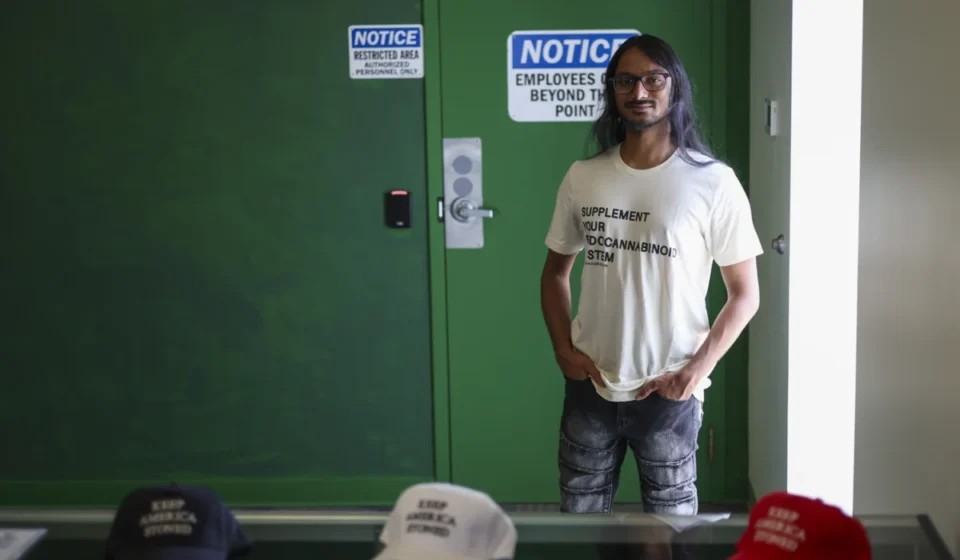
At the bustling intersection of West 25th Street and South Lyndale Avenue in Minneapolis, the Loon Smoke Shop serves as a neighborhood anchor. It is a place where the air is often thick with the scent of tobacco and vape clouds, and where a steady stream of regulars congregates late into the night. However, the familiar rhythm of this local haunt is about to undergo a significant transformation. A few blocks south, the shop’s owners are preparing to launch a new dispensary, moving through the final stages of a rigorous state licensing process and actively recruiting staff who are "passionate" about the burgeoning marijuana industry.
This local expansion is a microcosm of a much larger, state-wide shift. For nearly two years, Minnesota’s legal cannabis market existed almost exclusively within the borders of tribal nations. But as of mid-2025, the "onus," as state officials put it, has shifted from the government to the entrepreneurs. Minnesota is finally entering the era of non-tribal, adult-use retail.
Main Facts: Breaking the Tribal Monopoly
Since Governor Tim Walz signed the landmark legislation legalizing adult-use cannabis in May 2023, the primary source for legal marijuana in Minnesota has been tribal dispensaries. Due to their sovereign status, nations like the Red Lake Nation and the White Earth Band of Chippewa were able to establish cultivation and retail operations long before the state’s Office of Cannabis Management (OCM) was ready to process private applications.
That landscape changed dramatically in June and July 2025. The OCM has officially granted final approval to the first five non-tribal entities to begin operations. These pioneers include:
- Herb-Quest: A cultivation center located in Pine County.
- Concentrate Labs (Roots and Resin Farm): A cultivation site in Chisago County.
- The Smoking Tree: A retail dispensary in Albert Lea.
- Loon Lab Extracts and Research: A retail outlet in Isanti.
- Fairwater Farm: A retail dispensary in Plainview.
According to Eric Taubel, the interim director of the OCM, these five are merely the vanguard. The state anticipates that up to 150 non-tribal marijuana businesses could be operational by the end of 2024. This surge follows two major lotteries held in the summer of 2025, which distributed licenses to hundreds of applicants who met social equity and general criteria.
Chronology: A Path Defined by Delays and Pivots
The journey from the 2023 signing ceremony to the first non-tribal sale has been longer and more complex than many advocates initially predicted. The initial retail target for statewide opening was 2025 "at the latest," but the road was hampered by administrative hurdles and a unique regulatory philosophy.
- May 2023: Governor Walz signs the cannabis legalization bill, making Minnesota the 23rd state to legalize recreational weed.
- August 2023: The Red Lake Nation opens the state’s first legal recreational dispensary, capitalizing on tribal sovereignty to bypass state-level delays.
- Late 2023 – Early 2024: The OCM faces a leadership crisis. A botched initial hire for the director position leads to an investigation by the Office of the Legislative Auditor. Charlene Briner steps in as interim director to stabilize the agency.
- January 2024: Eric Taubel replaces Briner as the new interim director, tasked with finalizing the "checkerboard" of regulations required for private licensing.
- May 2024: The state finalizes a historic regulatory compact with the White Earth Nation, allowing tribal-run dispensaries to operate off-reservation in cities like St. Cloud and Moorhead.
- June 2024: The OCM conducts its first lottery for "social equity" applicants. 249 winners are selected from a pool of veterans, residents of high-poverty areas, and those previously impacted by the "War on Drugs."
- July 2025: A second lottery is held, awarding 75 licenses to a broader pool of 569 applicants, including those without social equity status.
- July 28, 2025: The Albert Lea City Council meeting marks one of the final municipal "formalities" for The Smoking Tree, signaling the imminent opening of the first non-tribal retail shops.
Supporting Data: The Mechanics of the Market
Minnesota’s approach to the cannabis market differs significantly from other states that relied on existing medical marijuana infrastructure to jumpstart recreational sales. Instead, Minnesota opted for a "ground-up" model designed to maximize the number of small-scale entrepreneurs.
The Lottery System
The OCM utilized a lottery system to manage the overwhelming interest in licenses. In the most recent July 2025 lottery, the competition was fierce:
- Total Applicants: 569
- Winners: 75
- Success Rate: ~13%
The social equity lottery in June was even more substantial, with 249 winners. These winners must now navigate a secondary "hoop-jumping" phase, which includes criminal background checks—specifically targeting white-collar crime rather than past drug possession—and the submission of Labor Peace Agreements.
Taxation and Revenue
A major point of contention in the 2025 legislative session was the adjustment of the cannabis excise tax. Initially proposed at 10%, lawmakers raised the tax to 15% during a special session aimed at balancing the state budget.
- Excise Tax: 15%
- State Sales Tax: 6.875%
- Local Taxes: Variable (typically 0.5% to 1.5%)
- Total Consumer Levy: Often exceeding 22%
By comparison, Minnesota’s tax rate sits in the middle of the national spectrum. Connecticut maintains a low excise tax of 3%, while Washington state imposes a high of 37%.

Official Responses: The Government’s Perspective
Governor Tim Walz has been candid about the difficulties of implementing the 2023 legislation. When asked recently which of the myriad laws passed during his tenure was the most difficult to bring to fruition, he immediately pointed to legal weed.
"There really was not a model of how to do it," Walz remarked, noting that all 22 states that legalized before Minnesota faced similar struggles. He praised Eric Taubel for his leadership at the OCM, though he stopped short of naming him the permanent director, maintaining the agency’s "interim" status for the time being.
Eric Taubel himself believes the era of blaming the state for delays is over. "We’ve transitioned to the point where the onus is on the applicant and a prospective business owner," Taubel said in a recent interview. He emphasized that while the state provides the framework, the speed of a shop’s opening now depends on local zoning, financing, and the owner’s ability to meet health and safety standards.
Regarding the tax hike, Taubel remains optimistic. While some industry experts fear a 15% tax will drive consumers back to the illicit market, Taubel described the increase as "middle of the road" and expressed doubt that a 5% shift would have "substantial ripple effects" on the legal market’s viability.
Implications: A "Checkerboard" Landscape
The emergence of non-tribal retail brings several complex implications for the future of Minnesota’s economy and social fabric.
1. The Municipal "Checkerboard"
While state law prohibits cities and counties from outright banning cannabis businesses, local governments retain significant control through zoning. Municipalities can mandate that shops remain a certain distance from schools, parks, or residential zones. Because city councils and county boards often meet only once a month, these local approvals have become the new bottleneck. This creates a "checkerboard" effect where one town may have multiple dispensaries while a neighboring town remains a "retail desert" due to restrictive local ordinances.
2. Tribal vs. Non-Tribal Competition
Tribal nations enjoyed a nearly two-year head start, allowing them to build brand loyalty and establish robust supply chains. Leili Fatehi, a partner at the consulting firm Blunt Strategies, notes that early non-tribal retailers will likely have to rely on tribal cultivators for their initial inventory. This creates a unique symbiotic relationship where the "sovereign" and "state-licensed" markets are inextricably linked.
3. Labor and Social Equity
Minnesota’s requirement for Labor Peace Agreements is a significant win for organized labor. In exchange for the right to operate, cannabis businesses must agree not to interfere with unionization efforts, while unions agree not to engage in strikes or boycotts. This ensures a level of industrial stability but adds an extra layer of operational cost for new entrepreneurs.
4. The Price of Legitimacy
The primary threat to the new legal market remains the "legacy" or illicit market. If the combination of a 15% excise tax and high local sales taxes pushes the price of legal flower too high, consumers may stick with their traditional sources. "There is absolutely an enormous cause of concern that it is taxed too high," warned Fatehi. The success of the 150 businesses expected to open by year-end will depend largely on whether they can provide a consumer experience—and a price point—that justifies the move to a regulated environment.
As shops like the new Loon Smoke Shop dispensary prepare to open their doors, they represent more than just a place to buy a product. They are the final realization of a massive legislative experiment, testing whether Minnesota can balance social equity, tribal sovereignty, and corporate regulation in a single, cohesive market.