

















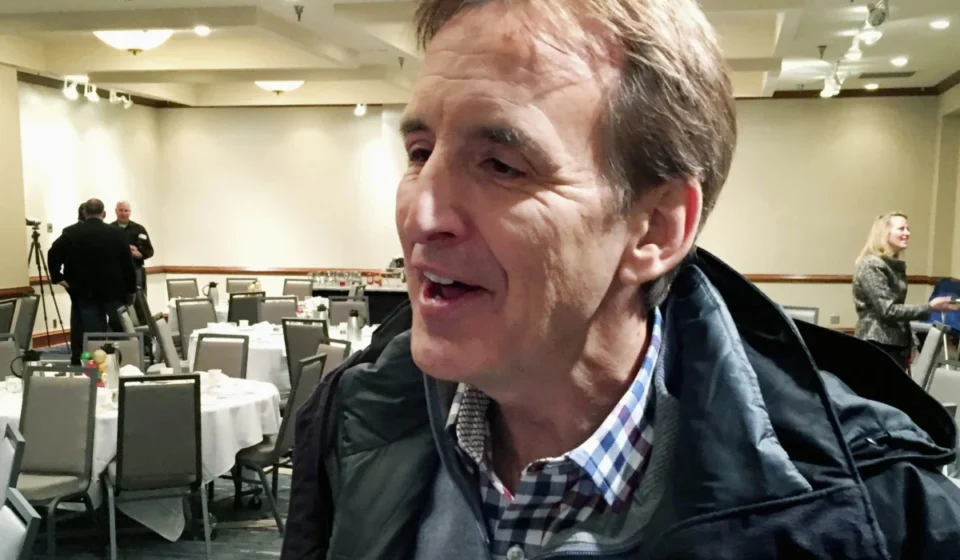
From the Statehouse to the Solar Farm: Tim Pawlenty’s New Mission in a Turbulent Energy Landscape

By [Your Name/Journalistic Desk]
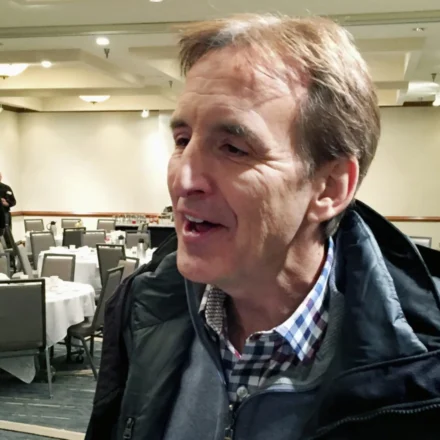
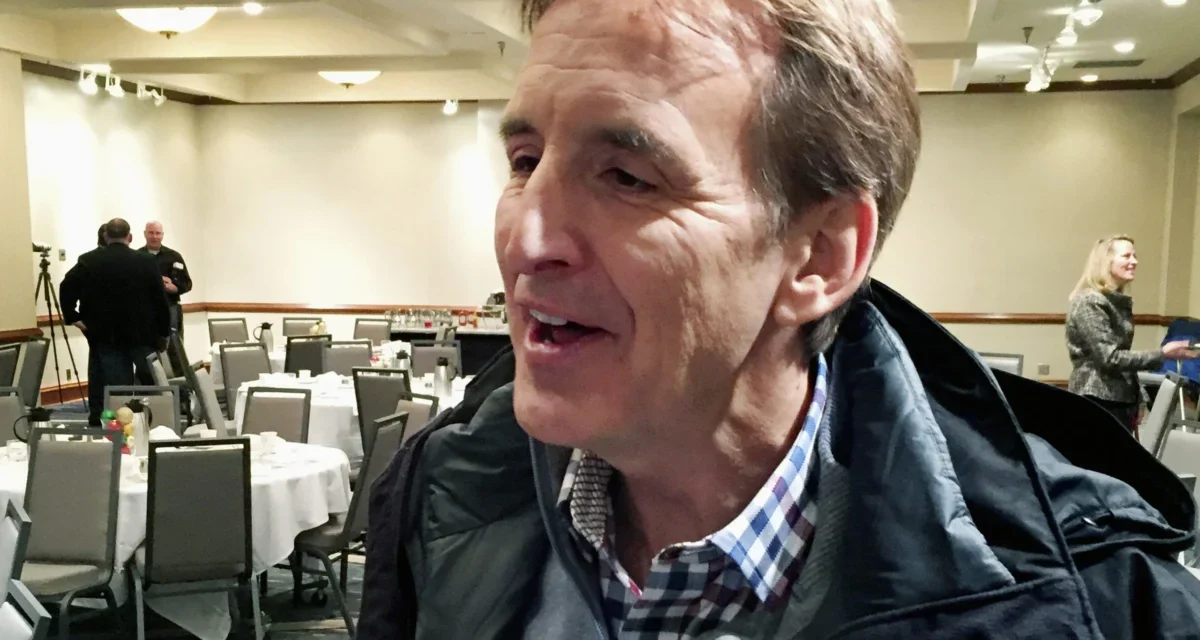
In the complex, often volatile theater of American energy policy, few figures bridge the ideological divide quite like Tim Pawlenty. The two-term former Republican governor of Minnesota and 2012 presidential candidate has long been a fixture of conservative politics. Yet, this summer, he stepped into a role that places him at the vanguard of the green energy transition. As the newly appointed President and CEO of the Solar Energy Industries Association (SEIA), Pawlenty is tasked with navigating the solar industry through its most precarious political chapter in recent memory.
His arrival comes at a time when the sector is reeling from a series of legislative reversals. After years of rapid expansion fueled by the 2022 Inflation Reduction Act (IRA), the industry faced a seismic shift following the 2024 elections. With a new administration and a Republican-controlled Congress, the landscape of federal climate support was fundamentally altered through the passage of the "One Big Beautiful Bill Act," which dismantled key pillars of the previous administration’s climate agenda.
Despite this, Pawlenty remains undeterred. Speaking at Canary Media’s Climate Week NYC summit, he framed the current challenges not as an end, but as a period of necessary recalibration. "The current state is relatively bleak," Pawlenty admitted, acknowledging the erosion of the industry’s legislative wins. "But nothing stays the same in politics, and there is hope in what is to come in the future."
A Career Defined by Political Evolution
To understand Pawlenty’s current strategy, one must examine his trajectory. As Governor of Minnesota (2003–2011), Pawlenty was known for his fiscal conservatism and his ability to navigate a purple state. His short-lived 2012 presidential bid placed him in the upper echelons of the GOP establishment, providing him with a deep well of institutional knowledge regarding how Washington operates—and, more importantly, how it changes its mind.
His transition from electoral politics to industry advocacy is a tactical shift for the SEIA. By installing a Republican heavyweight at the helm, the association is signaling a pivot: away from reliance on partisan climate legislation and toward a model of energy independence rooted in economic development, national security, and the protection of property rights.
The State of the Industry: A Paradox of Growth and Policy Friction
The disconnect between the political environment and the physical reality of the power grid is stark. While federal policy has been curtailed, the market fundamentals for solar energy have never been more robust. Solar power continues to lead all other sources in new U.S. electricity construction, a trend that has held steady for years.
The urgency for new power generation is being driven by what Pawlenty calls "unbelievable exploding demand." With the rise of artificial intelligence, data centers, and the electrification of industrial processes, the nation is facing a hunger for energy that traditional infrastructure is struggling to meet.

However, as Pawlenty notes, the industry remains at the mercy of regulatory bottlenecks. "State and federal governments still stand between the sector and what can get built," he observed. For the solar industry to fulfill its promise, it must move beyond the "old spins" of climate discourse and focus on a new narrative: cost-effectiveness.
"If you bring policymakers to the current story with current facts, it goes something like this: Solar and storage is the most cost-effective form of energy in the country, without question," Pawlenty said.
Shifting the Narrative: National Security and Domestic Manufacturing
Perhaps the most significant aspect of Pawlenty’s strategy is his attempt to rebrand solar as a pillar of national security—a theme that resonates deeply with the current conservative base. For years, critics have attacked the solar industry for its perceived reliance on Chinese supply chains. Pawlenty is quick to counter this by pointing to the tangible results of recent trade policies.
"The U.S. has nearly eliminated Chinese panels thanks to trade policy and the rapid growth of domestic manufacturing capacity," he asserted. By emphasizing that the U.S. solar supply chain is becoming increasingly sovereign, he is effectively neutralizing a major talking point used by opponents of renewable energy.
This focus on domestic manufacturing is not just political rhetoric; it is a pragmatic recognition of the "One Big Beautiful Bill Act" reality. While that legislation cut many installation tax credits, it maintained incentives for domestic manufacturing. Pawlenty intends to lean into this, advocating for policies that are "durable"—meaning they can survive the inevitable swings of the political pendulum.
The Rural Frontier: Property Rights as the New Battleground
While energy policy is drafted in the high-rises of Washington, the actual infrastructure is installed on the ground. According to the Rural Climate Partnership, 87% of U.S. clean energy generation now occurs in rural areas. This shift has not been without friction, as local communities grapple with the transformation of traditional farmland into solar arrays.
This conflict is often fueled by misinformation regarding the impact of solar on agriculture. As rural counties across the country move to implement restrictive zoning laws that effectively ban solar development, Pawlenty is deploying a strategy that speaks directly to the heart of conservative philosophy: private property rights.
"I’m from a farm state," Pawlenty noted, drawing on his Minnesota roots. "I’ve spent a lot of time in farm areas and with farmers. From a conservative standpoint, land rights are pretty important. We want to make sure that those are not lost in the shuffle."

By positioning the solar industry as an ally of the American farmer—someone who has the right to decide how to use their land to ensure financial viability—Pawlenty is attempting to reframe the debate. He argues that solar is not an intrusion on rural values, but a tool for land owners to secure their financial futures in an increasingly uncertain global market.
Implications for the Future: A Bipartisan Path Forward?
The long-term success of Pawlenty’s tenure will be measured by his ability to decouple solar from the "culture war" aspects of climate change. His approach is simple but difficult: emphasize the pragmatic over the ideological.
He is not trying to convince skeptics of the science of climate change; he is trying to convince them of the math of energy markets. By framing solar as a way to secure energy independence from adversarial nations and as a way for property owners to exercise their rights, he is creating a "big tent" argument for renewables.
However, the road ahead remains steep. The solar industry is still adjusting to a fiscal environment where federal support is no longer a given. The volatility of the 2024 legislative cycle has forced developers to reconsider their project timelines and financing models.
Yet, if there is anyone capable of navigating this shift, it is a seasoned politician who understands that, in Washington, facts eventually catch up to policy. Whether that realization comes in time to prevent a slowdown in the energy transition remains the defining question of the next four years.
As the industry looks toward the horizon, it sees a clear need for power and a clear technology to provide it. With Tim Pawlenty’s guidance, the solar sector is betting that if it can strip away the jargon and focus on the bedrock values of security, property rights, and economic competition, it can survive—and thrive—regardless of who holds the gavel in Congress.
"We have really good facts on our side," Pawlenty concluded. "Some of the old narratives… are out of date. We are bringing policymakers to the current story." Whether that story ends in a clean energy boom or a stalled transition will be the ultimate test of his leadership.