



















Maritime Sabotage: U.S. Officials Link Iranian Hackers to Surge in Global Shipping Attacks

By Investigative Desk
November 24, 2026
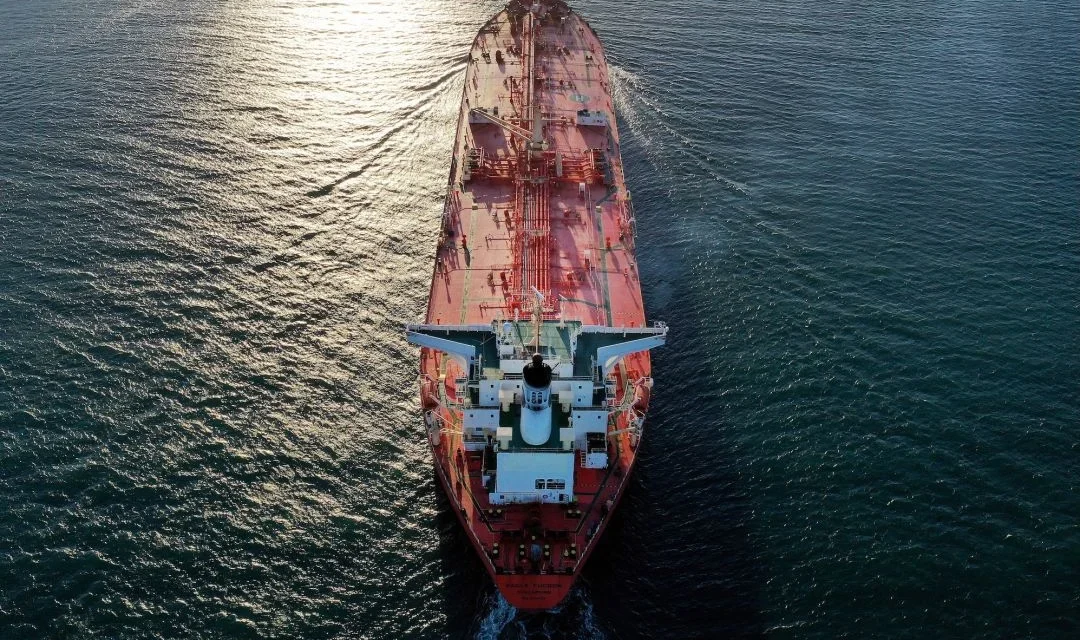
In a significant escalation of geopolitical tensions, U.S. national security officials are currently investigating a sophisticated campaign of cyber-aggression targeting the global maritime supply chain. According to recent intelligence reports, Iranian-linked threat actors are suspected of orchestrating as many as 50 cyberattacks against commercial shipping vessels over the past several weeks. The targets include oil tankers, liquefied natural gas (LNG) carriers, and vessels transporting volatile chemicals across critical trade routes in Asia and Europe.
This development marks a concerning pivot in the digital battlefield, moving from the disruption of land-based municipal infrastructure to the potential destabilization of the world’s energy lifeline.
The Scope of the Crisis: A Pattern of Disruption
The maritime sector, long considered a vulnerable frontier in the age of digitalization, is facing an unprecedented wave of incursions. The attacks appear to be precision-engineered to compromise the navigation and command-and-control systems of massive vessels. By gaining unauthorized access to the Integrated Bridge Systems (IBS) and the Operational Technology (OT) networks that govern propulsion and steering, hackers have effectively held multi-billion-dollar shipments hostage in open water.
While the primary objective remains a subject of intense analysis by the FBI and the U.S. Coast Guard, investigators suggest that the campaign is designed to sow widespread fear among shipping conglomerates, force the alteration of global trade routes, or, in a worst-case scenario, trigger catastrophic physical incidents—such as collisions or explosions—at major port facilities.
The nature of these attacks is particularly alarming because, while modern ships are equipped with manual backup overrides, the sudden loss of automated control in high-traffic, narrow waterways—such as the Strait of Hormuz or the Suez Canal—could lead to environmental disasters of epic proportions.
Chronology of Escalation: From Local Hacks to Global Threats
The recent surge in maritime incidents is not an isolated event but rather the latest chapter in a broader, year-long conflict.
- March 2026: Iranian-linked actors were linked to mass-wipe attacks targeting U.S. medical technology firms, specifically those utilizing Microsoft Intune systems. This signaled a shift toward high-impact, disruptive cyber warfare.
- July 2026: Cybersecurity and Infrastructure Security Agency (CISA) confirmed that hackers had breached over 100 U.S. water treatment facilities, raising the alarm about the vulnerability of Industrial Control Systems (ICS).
- August 2026: The situation turned critical when several oil tankers bound for the United States reported navigation system failures. In a rare and high-stakes response, the FBI and the U.S. Coast Guard deployed tactical teams to board the vessels at sea, verifying that the navigation systems had indeed been compromised by external digital actors.
- September 2026: The FBI and the Coast Guard issued a joint security alert, highlighting that specific hardware vulnerabilities—namely in Fortinet routers—were being exploited to infiltrate maritime networks.
- November 2026: Intelligence agencies confirmed a spike to approximately 50 separate incidents globally, indicating a coordinated and sustained effort by state-backed entities to challenge the stability of the global energy market.
The "FortiBleed" Vulnerability and Infrastructure Fragility
At the heart of the current crisis is a technical vulnerability known as "FortiBleed." This exploit allows threat actors to bypass authentication protocols and gain root access to networks utilizing vulnerable Fortinet-made routers.
The reliance on standardized, off-the-shelf networking equipment within the maritime industry has created a "monoculture" of vulnerability. Because many shipping companies utilize the same hardware to manage satellite communications and onboard Wi-Fi, a single exploit can be weaponized against hundreds of vessels simultaneously.
Maritime cybersecurity experts have warned for years that the transition toward "smart ships"—vessels that rely on satellite-based connectivity for real-time logistics and maintenance—has outpaced the security infrastructure necessary to protect them. The exploitation of the FortiBleed vulnerability underscores the dangers of integrating legacy maritime hardware with modern, connected enterprise networks without robust segmentation.
Geopolitical Context: The Shadow of War
The surge in these cyberattacks is inextricably linked to the volatile geopolitical climate of 2026. Following the outbreak of the U.S.-Israel-led war earlier this year and the death of Iran’s Supreme Leader, the Iranian government has pursued a strategy of "asymmetric retaliation."

Unable to match the conventional military might of Western powers, Tehran has leaned heavily into its cyber-offensive capabilities. By targeting the maritime sector, Iran is effectively leveraging the global economy as a bargaining chip. The goal is clear: to demonstrate that the U.S. and its allies cannot ensure the safety of global commerce, thereby exerting pressure on energy prices and creating domestic political strain in Western capitals.
Official Responses and Defensive Measures
The U.S. government has mobilized an interagency response, though the complexity of attributing these attacks to a specific state actor remains a hurdle.
A spokesperson for the FBI declined to comment on the specific number of incidents or provide a formal attribution to the Iranian state, citing the sensitivity of the ongoing investigation. However, the issuance of the joint security alert with the Coast Guard indicates that the government views the threat as severe and imminent.
In response to the breaches, industry leaders are scrambling to implement emergency security protocols. These include:
- Network Segmentation: Decoupling navigation systems from the ship’s general-purpose internet networks.
- Hardware Audits: Mandating the immediate patching or replacement of legacy Fortinet hardware across global fleets.
- Enhanced Monitoring: Increased collaboration between shipping lines and national cybersecurity agencies to share threat intelligence in real-time.
Implications for the Future of Maritime Commerce
The implications of this cyber-campaign are profound. If shipping lanes are deemed "unsafe" due to the risk of cyber-hijacking, insurance premiums for oil and gas tankers will skyrocket, directly impacting global energy costs and contributing to inflationary pressures.
Furthermore, the threat sets a dangerous precedent. If state actors are permitted to weaponize the navigation systems of commercial vessels without significant diplomatic or economic repercussions, the "gray zone" of warfare will continue to expand.
As we look toward the remainder of 2026, the question is not whether there will be more attacks, but rather how the global community will respond to the weaponization of the very systems that facilitate international trade. The security of the maritime supply chain is no longer just a logistical challenge—it is a cornerstone of national security.
Expert Analysis: The Cybersecurity Gap
According to independent maritime security analyst Dr. Elena Vance, the current crisis is a "wake-up call for the shipping industry."
"For too long, maritime operators viewed cyber-risk as a secondary concern, prioritizing operational efficiency over network hardening," Vance noted. "The events of the last few months demonstrate that these vessels are essentially floating data centers. When you connect a 300,000-ton oil tanker to the global internet, you are opening a door that is very difficult to close. Unless there is a standardized, industry-wide shift toward Zero Trust security models, these ships will remain soft targets for any state actor looking to cause disruption."
As the FBI and the Coast Guard continue their investigation, the shipping industry remains on high alert, with eyes turned toward the digital horizon, waiting for the next signal that a vessel has been compromised. The battle for the seas has moved from the surface to the server, and in this new arena, the stakes have never been higher.