




















Supreme Court Upholds Mail-In Voting Access, Offers Reprieve to Election Officials Amidst Lingering Concerns

Main Facts: High Court Blocks Trump Administration’s Mail Ballot Restrictions
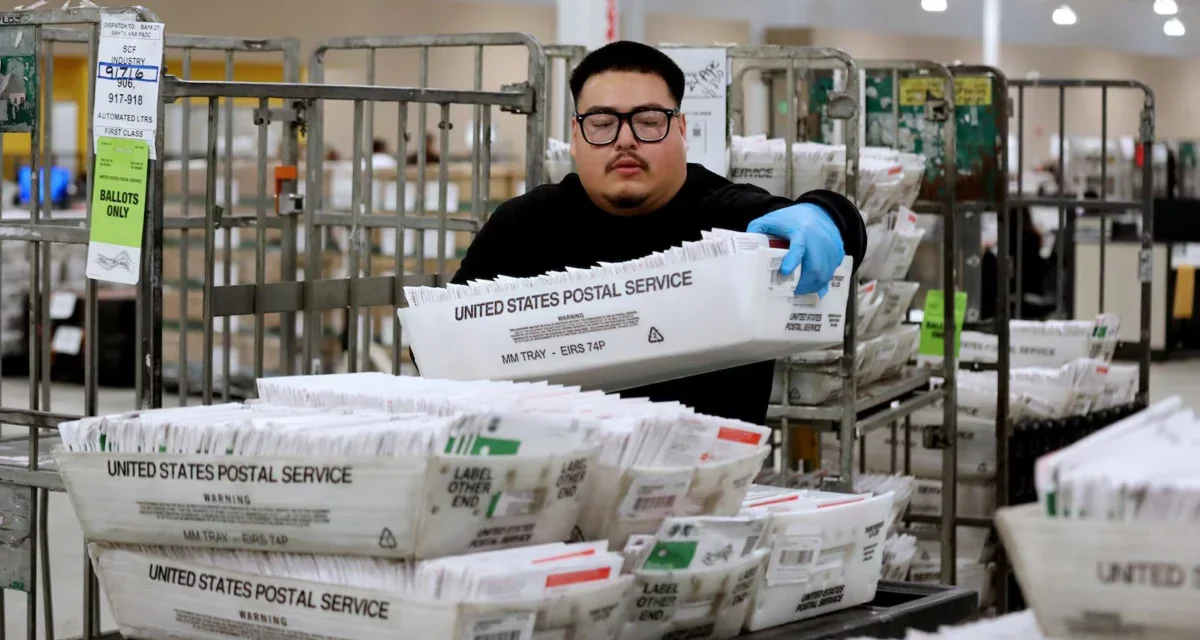
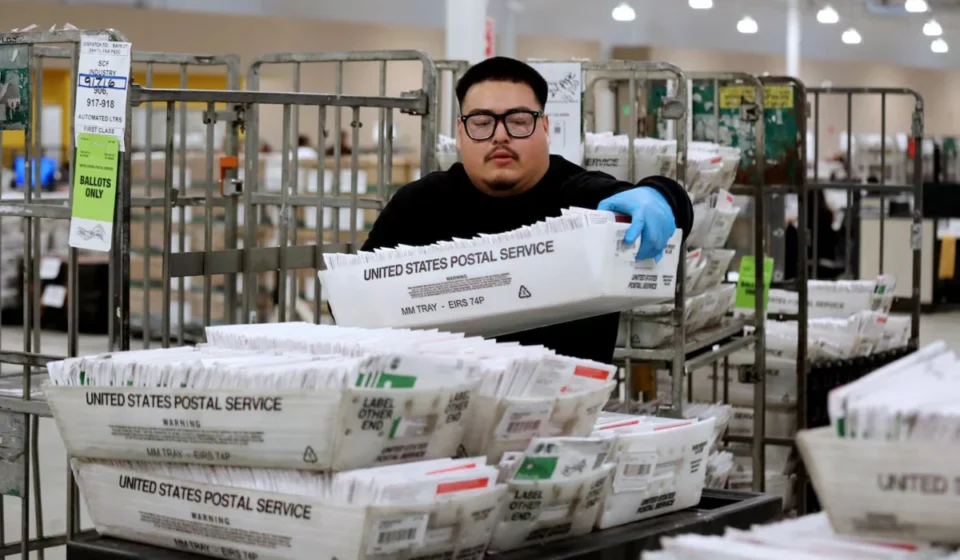
WASHINGTON D.C. – September 21, 2026 – In a landmark decision that brought a collective sigh of relief from election officials nationwide, the Supreme Court of the United States on Monday, September 15, 2026, decisively blocked the Trump administration’s efforts to impose new restrictions on mail ballots for the upcoming November midterm elections. The ruling effectively clears the path for millions of Americans to cast their votes by mail, preserving established voting methods just weeks before a pivotal election cycle.
The high court’s decision put an end to months of intense legal battles and pervasive uncertainty that had gripped election administrators across the country. These officials had warned that implementing radical changes to mail-in voting procedures so close to Election Day would create an insurmountable logistical nightmare, potentially disenfranchising countless voters and undermining the integrity of the electoral process. The Supreme Court’s concise order, while not delving into the full merits of the administration’s proposed rules, acknowledged the practical impossibility of enforcing such changes at this late stage.
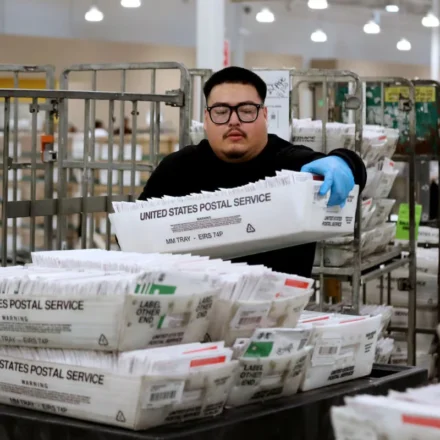
The blocked measures, which were primarily championed by President Donald Trump, had aimed to significantly tighten U.S. Postal Service (USPS) regulations concerning the handling and delivery of election mail. Critics argued these proposed rules were designed to suppress voter turnout, particularly impacting demographics that rely heavily on absentee or mail-in voting. For election directors like Marybeth Kuznik of Pennsylvania’s Fayette County, the ruling was a moment of profound relief. “It’s a relief and it’s palpable,” Kuznik stated, expressing deep concern over the feasibility of compliance. “I honestly don’t know how we could have complied with [the Postal Service’s restrictions] at this point in the election cycle.”
While the immediate crisis has been averted, the protracted legal skirmishes and the President’s persistent rhetoric against mail-in voting have sown considerable doubt and confusion among the electorate. Election officials now face the daunting task of reassuring voters that the long-standing, secure systems for mail-in voting remain intact and reliable, even as the political debate continues to cast a shadow of suspicion over the process. The Supreme Court’s intervention, though crucial, marks only one chapter in an ongoing struggle for election integrity and voter confidence.
Chronology: A Tumultuous Path to the Supreme Court
The journey to the Supreme Court’s decisive ruling was marked by a rapid succession of executive actions, legal challenges, and mounting pressure from a bipartisan coalition of election officials. The controversy began to escalate in early 2026, when the Trump administration, through various public statements and proposed directives to the U.S. Postal Service, signaled its intention to reform mail-in voting procedures.
Early Initiatives and Executive Pressure
Throughout the spring and summer of 2026, President Trump frequently voiced his skepticism about the security of mail-in voting, often without substantial evidence. Despite having voted by mail himself in Florida, he characterized the process as prone to fraud and a "Nation Destroying SCAM" on social media, rhetoric that immediately sparked widespread concern among voting rights advocates and election administrators. These public pronouncements were soon followed by more concrete actions, including the appointment of new leadership at the USPS and the proposal of operational changes that critics contended would slow mail delivery, directly impacting the timely return of ballots.
Specific proposed changes included stricter requirements for ballot envelopes, modified handling protocols for election mail that could delay processing, and suggestions for more stringent identification requirements for absentee ballot requests. While presented by the administration as measures to enhance election security and streamline operations, opponents viewed them as thinly veiled attempts to create barriers to voting.
Legal Challenges and Bipartisan Opposition
As the proposed changes took shape, a cascade of lawsuits emerged from various plaintiffs, including state attorneys general, civil rights organizations, and political parties. These legal challenges primarily argued that the administration’s actions constituted an undue burden on voters, violated established election laws, and were implemented without proper administrative procedures. The suits sought injunctive relief to prevent the USPS from implementing the new rules ahead of the November elections.
Crucially, the opposition was not confined to one political ideology. A significant turning point came when election officials from both major political parties publicly voiced their alarm. More than 80 local election officials, including Pennsylvania’s Marybeth Kuznik, formally signed onto an amicus brief submitted to the Supreme Court. This powerful document unequivocally warned the justices that their offices would lack the necessary time and resources to adapt to the new requirements before the November election, risking widespread voter disenfranchisement and administrative chaos.
Adding to this bipartisan chorus were several prominent Republican Secretaries of State, representing states like Kentucky, Georgia, and Kansas. These officials, who are typically aligned with the administration’s party, took the extraordinary step of urging the Supreme Court to freeze the proposed plans. Their collective plea underscored the profound operational challenges and potential for "chaos" that the new rules would unleash, emphasizing that the integrity of the election administration itself was at stake.
The Supreme Court’s Deliberation and Decision
The legal challenges ultimately converged at the Supreme Court, which was asked to weigh the administration’s arguments for enhancing election security against the practical realities faced by election officials and the constitutional right to vote. The court’s deliberation was swift, recognizing the rapidly approaching election deadline.
On Monday, September 15, 2026, the Supreme Court issued its ruling, blocking the Trump administration’s proposed restrictions. While the full reasoning was not immediately detailed for all justices, Justice Brett Kavanaugh’s concurring opinion proved particularly illuminating. He acknowledged that while he believed the proposed rules might withstand legal scrutiny on their merits under different circumstances, their application to the 2026 elections would be "arbitrary and capricious." His reasoning hinged directly on the concerns raised by election administrators: "state and local election officials do not have sufficient time to reasonably implement the rule." This pragmatic acknowledgment of the logistical impossible underscored the critical role played by election officials in the outcome. The court’s decision, therefore, was not a definitive judgment on the legality of the proposed rules in general, but a crucial intervention to prevent last-minute disruption to an already complex electoral process.
Supporting Data: Erosion of Trust and Shifting Voting Patterns
The prolonged legal and political battle over mail-in voting has unfolded against a backdrop of declining public confidence in the electoral system, a trend exacerbated by persistent political rhetoric and misinformation. Data from recent polls reveal a troubling erosion of trust, posing a significant challenge for election administrators working to assure voters of the integrity of the upcoming elections.
Declining Public Confidence in Elections
The Supreme Court’s ruling arrived in parallel with the release of a stark new poll from the University of California, San Diego, which indicated a precipitous decline in public confidence regarding the nation’s electoral system. The survey found that a mere 55% of respondents trusted that their vote would be counted fairly in the upcoming election. This represents a significant drop from just two years prior, in 2024, when 71% of Americans expressed such confidence. The data suggests a substantial segment of the electorate harbors deep-seated doubts about the foundational processes of American democracy.
Further compounding these concerns, the UCSD poll also revealed that only 49% of Americans expect the upcoming election to be free and fair. This sentiment is not isolated. A recent Pew Research Center survey mirrored these findings, reporting that 55% of respondents believed the upcoming election would be free and fair – an historic low for a question the center has posed over the past six years. These figures paint a concerning picture of a populace increasingly skeptical about the fairness and accuracy of elections, regardless of the specific voting method employed.
The reasons behind this decline are complex, stemming from a confluence of factors including partisan polarization, the spread of misinformation, and the very public disputes over election rules. The constant questioning of election legitimacy from high-profile political figures has undoubtedly contributed to this atmosphere of distrust, making it harder for objective facts and reassurances from non-partisan election officials to penetrate.
Mail-In Voting Trends and Absentee Ballot Requests
Despite the political controversy, mail-in voting has become an increasingly popular and vital method of democratic participation across many states. Federal data from the U.S. Election Assistance Commission (EAC) reveals that states like Arizona, for instance, saw approximately three-quarters of their voters cast mail ballots in the 2024 election. This highlights the established nature and widespread acceptance of this method in certain regions.
However, the recent turmoil appears to have had an impact on voter behavior. Election officials and experts have observed a noticeable trend: fewer absentee ballot requests than anticipated in some areas. This anomaly could be attributed directly to the "voter confusion" generated by the administration’s efforts to restrict mail-in voting and the subsequent legal battles. Voters, uncertain about the reliability or validity of mail ballots, might be hesitant to request them, opting instead for in-person voting or simply becoming disengaged.
Tammy Patrick, chief program officer at the Election Center, a national nonprofit association for election administrators, articulated this concern. "It has already caused all sorts of voter confusion, and even though the rule is not in place for this election, that’s not to say that there won’t be some voters that think that it is," Patrick stated. Her observation underscores the critical challenge facing election officials: combating lingering misinformation and rebuilding trust in a system that has been publicly scrutinized and attacked. The data suggests that while the Supreme Court’s ruling resolved the immediate legal threat, the psychological impact on the electorate remains a significant hurdle.
Official Responses: Reassurance and Resilience on the Front Lines
The Supreme Court’s decision was met with a resounding chorus of relief from election officials across the political spectrum, who are now scrambling to pivot from legal defense to public reassurance. For months, these administrators have been on the front lines of a chaotic legal battle, their operations threatened by proposed rule changes that could have upended the upcoming elections. Now, their focus shifts to instilling confidence in voters amidst lingering skepticism and political rhetoric.
Relief and Renewed Focus
Marybeth Kuznik, the elections director for Pennsylvania’s Fayette County, perfectly encapsulated the sentiment of her peers: “It’s a relief and it’s palpable.” Her county, like many others, was grappling with the impossible task of redesigning its entire mail ballot system in a matter of weeks. The proposed restrictions, particularly those targeting U.S. Postal Service operations, would have necessitated extensive logistical overhauls – from reprinting ballot instructions and envelopes to renegotiating mail delivery schedules and training staff on entirely new protocols. The court’s decision eliminated this immediate, paralyzing threat.
This relief is shared by non-partisan organizations dedicated to supporting election administration. Tammy Patrick of the Election Center, who filed an expert declaration in the Supreme Court cases challenging the Postal Service rules, emphasized the critical need for clear communication. “It’s going to be incumbent on all of us to make sure that we just keep up the mantra that nothing has changed as a result of the rule,” Patrick affirmed. Her organization is working to equip administrators with the tools and messaging necessary to combat the voter confusion that has already taken root. The primary message is simple: the established mail-in voting processes remain secure and accessible.
Strategies for Voter Reassurance
Election officials are now implementing various strategies to rebuild and reinforce voter confidence. This includes robust public information campaigns, direct outreach to voters, and highlighting the existing security measures already in place for mail ballots.
In Arizona’s Pinal County, Recorder Dana Lewis, a Republican, exemplifies this proactive approach. Lewis, who humorously describes her ability to “pivot on a dime” to keep up with the topsy-turvy election season, has invested heavily in her county’s drop box system. This system is designed with state-of-the-art security features, including 24/7 video monitoring and GPS-locked ballot boxes, ensuring that every ballot deposited is accounted for and protected. Lewis’s message to her constituents is unequivocal: “Trust the system.” Her efforts are particularly significant given that roughly three-quarters of Arizona’s voters cast mail ballots in 2024, demonstrating a strong reliance on the method.
Across the nation, officials are emphasizing that mail-in voting is not a new or untested process. Many states have utilized absentee or all-mail voting for decades with high levels of security and accuracy. They are highlighting existing safeguards such as ballot tracking systems, signature verification processes, and strict chain-of-custody protocols for returned ballots. The advice from experts like Patrick remains consistent: the best thing voters can do is to submit their ballots as early as possible, regardless of whether they choose to mail them or use a secure drop box. This allows ample time for delivery and resolution of any potential issues.
Bipartisan Unity in the Face of Adversity
The Supreme Court ruling also underscored the critical role of bipartisan consensus among election officials. The fact that Republican Secretaries of State from Kentucky, Georgia, and Kansas joined local officials in urging the court to block the proposed rules was a powerful demonstration of unity. These officials prioritized election administration integrity over partisan loyalties, emphasizing that the practical realities of managing an election must supersede politically motivated attempts to alter established procedures at the eleventh hour. Their pleas, particularly their warnings about the "chaos" such changes would create, were evidently decisive for at least one Supreme Court justice, Brett Kavanaugh, highlighting the profound impact of their collective voice. This bipartisan alignment serves as a testament to the dedication of election administrators to uphold the democratic process, regardless of the political headwinds they face.
Implications: Beyond the Immediate Crisis
The Supreme Court’s decision to block new mail-ballot restrictions for the 2026 midterm elections offers an immediate reprieve, but its implications extend far beyond this single election cycle. The ruling has illuminated the fragility of election administration in a highly polarized environment, underscored the crucial role of the judiciary, and left lingering questions about the future of voting access and public trust.
Reinforcing Voter Access and Election Administration Stability
The most immediate implication is the preservation of established voter access mechanisms. For millions of Americans, particularly those in states with widespread mail-in voting, the ability to cast a ballot without fear of last-minute procedural hurdles remains intact. This is a significant victory for voter accessibility, ensuring that citizens are not unduly burdened by sudden changes to electoral rules.
The decision also provides much-needed stability for election administrators. By rejecting the arbitrary implementation of new rules so close to an election, the Supreme Court effectively affirmed the principle that election procedures require ample time for preparation, communication, and implementation. This prevents a scenario where administrators are forced to manage an election under impossible conditions, thereby safeguarding the operational integrity of the democratic process. It sends a clear message that the practical realities of election management must be respected.
The Judiciary’s Role in Election Disputes
Justice Kavanaugh’s concurring opinion, which emphasized the "arbitrary and capricious" nature of implementing new rules without sufficient time, highlights the judiciary’s critical role in mediating election disputes. While the court did not delve into the constitutionality of the proposed rules themselves, its pragmatic intervention underscores a willingness to protect the administrative functionality of elections. This sets a precedent, suggesting that courts may be inclined to block last-minute changes to voting procedures if those changes pose an insurmountable logistical challenge for election officials, regardless of the underlying policy arguments. It positions the judiciary as a crucial bulwark against efforts to disrupt elections through eleventh-hour regulatory shifts.
Lingering Doubts and the Erosion of Public Trust
Despite the legal victory, the political battle has left deep scars on public trust. President Trump’s continued denouncement of mail-in voting as a "disaster" and a "SCAM," even after the Supreme Court’s ruling, ensures that skepticism will persist. This rhetoric, coupled with the months of legal uncertainty, has undoubtedly contributed to the historic lows in public confidence reported by the University of California, San Diego, and Pew Research Center polls.
The long-term implication is a heightened challenge for democratic legitimacy. When a significant portion of the electorate doubts the fairness and accuracy of elections, it can lead to decreased participation, increased political instability, and a weakening of democratic institutions. Election officials, while relieved by the court’s decision, now face an uphill battle to repair this fractured trust, necessitating sustained efforts in transparency, education, and consistent messaging about election security.
Future of Election Security and Voting Access Debates
The controversy over mail-in voting is unlikely to dissipate. This episode serves as a powerful indicator that debates over election security versus voting access will remain central to American politics. While the current restrictions were blocked, future administrations or legislative bodies may revisit similar proposals, potentially with more lead time or different legal justifications. The tension between ensuring election integrity (often cited as the reason for stricter rules) and maximizing voter access (the concern of those opposing restrictions) will continue to shape election law and policy.
States may also continue to innovate in how they manage mail-in voting, as seen with Pinal County’s enhanced drop box system. The focus will likely shift to strengthening existing mail-in voting infrastructure, improving signature verification technologies, and bolstering public confidence through transparent audits and robust security measures. The 2026 midterms, while spared a major upheaval, have certainly set the stage for ongoing, intense discussions about how America votes.
In conclusion, the Supreme Court’s decision was a vital intervention that averted immediate electoral chaos. However, it also served as a stark reminder of the vulnerabilities within the electoral system when subjected to intense political pressure and last-minute changes. The path forward for American democracy will require not just legal safeguards, but also a renewed commitment from all stakeholders to foster trust, ensure transparency, and unequivocally support the dedicated election officials who serve as the guardians of the nation’s ballot box.
Dion Nissenbaum is Votebeat’s senior national reporter and is based in Houston. Contact Dion at [email protected].
Votebeat is a nonprofit news organization covering local election integrity and voting access. Sign up for their newsletters here.