



























































As spring ushers in warmer temperatures across the Northern Hemisphere, millions of Americans are returning to the trails, parks, and wooded backyards that define the season. However, this migration toward the outdoors coincides with a burgeoning public health crisis: the 2026 tick season is already showing signs of being one of the most severe on record.
According to data released by the Centers for Disease Control and Prevention (CDC) on April 23, 2026, emergency room visits related to tick bites have surged to levels not seen since 2017. For infectious disease experts, this spike is a warning sign that the prevalence of Lyme disease—and a host of other tick-borne pathogens—is reaching a critical threshold.
The Main Facts: An Invisible Threat
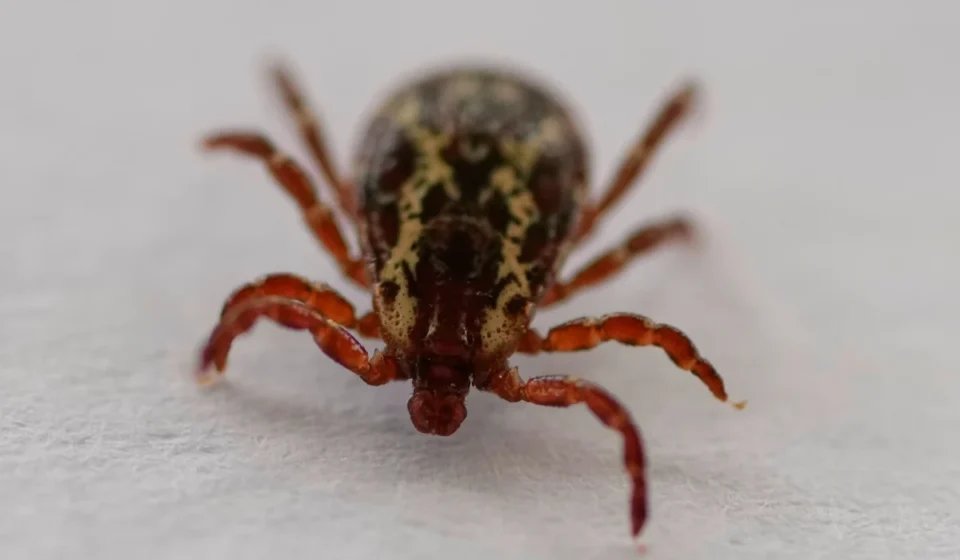
Lyme disease, first identified in the town of Old Lyme, Connecticut, in 1975, is a multisystemic bacterial infection caused primarily by the bacterium Borrelia burgdorferi. The primary vectors for this pathogen are deer ticks, also known as black-legged ticks (Ixodes scapularis). These arachnids are deceptively small, often no larger than a poppy seed in their nymph stage, making them notoriously difficult to detect on the skin.
The transmission process is a biological waiting game. An infected tick must typically remain attached to a host for 24 to 48 hours to successfully transmit the bacteria into the human bloodstream. This window of opportunity is the primary focus of public health prevention strategies, as the timely removal of an attached tick is the most effective way to prevent infection.
A Chronological Perspective: The Expanding Footprint
The history of Lyme disease is one of geographical expansion. Once localized to specific pockets of the Northeast, the disease has seen a nearly twofold increase in incidence since 1995. This shift is not coincidental; it is the result of a complex interplay between ecological changes, human behavior, and shifting climate patterns.
The 20th Century Context
In the decades following its discovery, Lyme disease was largely contained within the coastal regions of the Northeast and the upper Midwest. Public awareness was limited, and diagnostic protocols were in their infancy.
The 21st Century Shift
By the 2010s, researchers began to document a significant range expansion of the Ixodes tick. Shorter winters and warmer spring temperatures have allowed tick populations to survive in regions that were previously too harsh. Furthermore, the fragmentation of woodland habitats—driven by suburban development—has forced deer, mice, and humans into closer proximity. As forests are cleared or altered, the "edge habitats" created are ideal for tick proliferation, effectively bringing the disease-carrying insects into the backyards of millions of Americans.
Supporting Data: By the Numbers
The statistics surrounding Lyme disease present a striking disparity between reported cases and estimated infections. While state health departments officially recorded over 89,000 cases in 2023, the scientific consensus among public health experts suggests that the true annual incidence in the United States is closer to 500,000.
This massive underreporting occurs for several reasons:
- Asymptomatic Infections: Many individuals may carry the bacteria without displaying classic symptoms.
- Diagnostic Challenges: Early symptoms—fever, fatigue, and muscle aches—are often mistaken for common viral illnesses like influenza or COVID-19.
- Testing Limitations: Blood tests for antibodies can yield false negatives, particularly in the first few weeks of infection when the immune system has yet to mount a detectable response.
Approximately 90% of reported cases remain concentrated in the Northeast, the mid-Atlantic, and the Upper Midwest. However, emerging data indicates that the "safe zones" are shrinking, with sporadic cases appearing in the Pacific Northwest and other regions previously thought to be at low risk.
Clinical Implications: The Dangers of Neglect
The clinical course of Lyme disease is often categorized into early and late stages. Early detection is paramount. The hallmark "bull’s-eye" rash (erythema migrans) occurs in 70% to 80% of cases. However, the absence of a rash does not rule out infection.
When Treatment Fails
If left untreated, or if treatment is delayed, the bacteria can disseminate throughout the body. The implications are severe:
- Lyme Arthritis: Approximately 60% of untreated patients develop inflammatory joint pain, most commonly in the knees.
- Cardiovascular Involvement: In rare instances, the bacteria can affect the heart, causing Lyme carditis, which may lead to heart block or irregular rhythms.
- Neurological Damage: The nervous system is particularly vulnerable. Inflammation of the meninges can lead to chronic headaches, neck stiffness, and cognitive impairment. Nerve damage may result in lasting numbness, tingling, and motor weakness.
One of the most confounding aspects of the disease is the persistence of symptoms after the bacteria have been eliminated by antibiotics. Researchers are currently investigating "post-treatment Lyme disease syndrome," exploring theories that bacterial debris may remain in joints, causing ongoing inflammation, or that the infection may trigger an autoimmune response where the body’s own immune system continues to attack healthy tissue.
Official Responses and Medical Innovation
The medical community is actively responding to the 2026 surge through clinical advocacy and pharmaceutical innovation.
Pfizer’s Vaccine Breakthrough
Perhaps the most significant development in recent years is the progress of a new vaccine candidate. In March 2026, Pfizer and its partner Valneva announced that late-stage clinical trials showed the vaccine prevented Lyme disease in 70% of participants. While not a total panacea, such a tool would represent a paradigm shift in preventative medicine, moving from purely behavioral avoidance to immunological defense.
Diagnostic Improvements
The CDC and various academic institutions are advocating for better diagnostic biomarkers. As the understanding of the disease evolves, the reliance on antibody-based testing is being re-evaluated in favor of more direct detection methods that can identify the presence of the bacteria earlier in the infection cycle.
How to Stay Safe: A Strategic Approach
Until a vaccine becomes widely available, prevention remains the primary line of defense. Experts recommend a three-tiered approach:
- Environmental Awareness: Be cognizant of "tick-dense" areas, such as leaf litter, tall grass, and wooded trails. Stay in the center of hiking paths to avoid brushing against vegetation.
- Personal Protection: Wear long sleeves and pants treated with permethrin. Using EPA-approved repellents containing DEET, picaridin, or oil of lemon eucalyptus is highly effective.
- The Daily Ritual: Upon returning indoors, perform a full-body "tick check." Because nymphs are small, use a mirror or have a partner check difficult areas like the scalp, behind the ears, the groin, and the backs of the knees. If a tick is found, use fine-tipped tweezers to pull it straight out, ensuring the entire head is removed.
Conclusion: Living with the Risk
The 2026 tick season serves as a potent reminder that our relationship with the environment is changing. As the climate warms and human development continues to reshape the landscape, tick-borne illnesses will likely remain a fixture of public health discourse.
While the prospect of half a million infections annually is daunting, the combination of increased public awareness, improved early detection, and the nearing arrival of a viable vaccine offers a path forward. By remaining vigilant, understanding the signs of infection, and seeking prompt medical intervention, individuals can mitigate the risks and continue to enjoy the outdoors safely. The battle against Lyme disease is no longer just a medical concern; it is a necessary part of modern life in a rapidly changing world.