





















Federal Agents Raid Home of Rep. Ilhan Omar Amid Sweeping Criminal Probe, Sparking Political Outcry

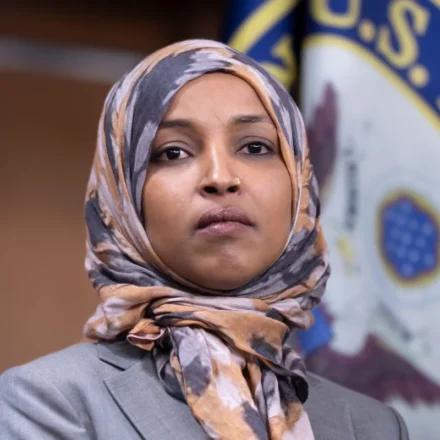
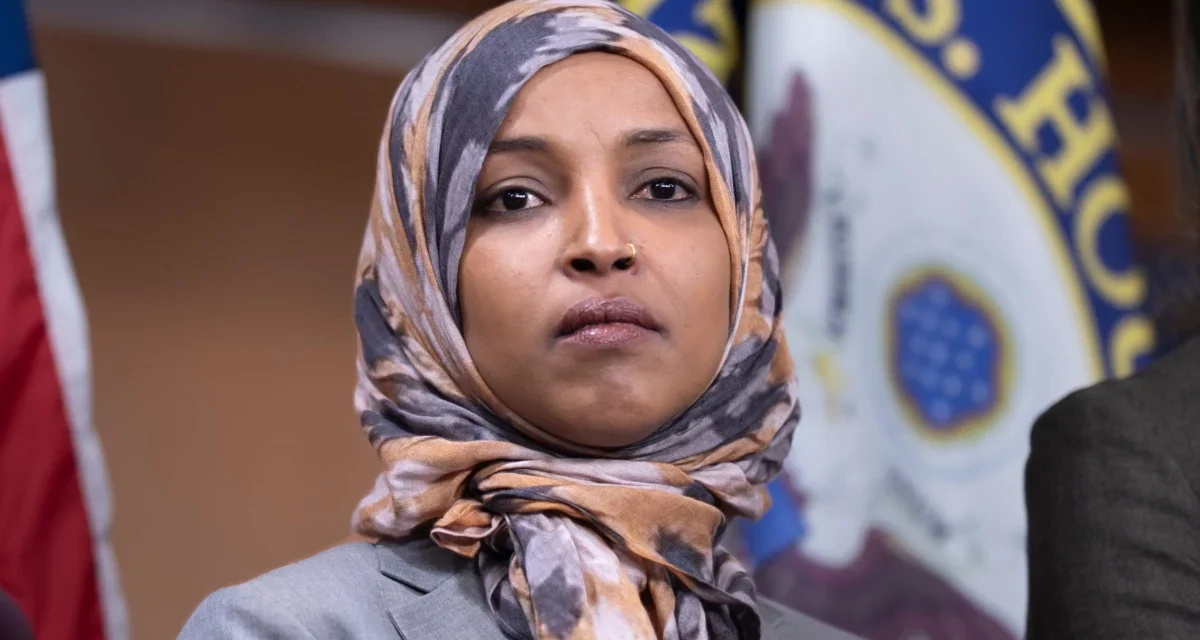
WASHINGTON D.C. – In a move that has sent shockwaves through Washington and ignited a fierce political debate, federal agents on Monday searched the home of Democratic U.S. Representative Ilhan Omar as part of an ongoing criminal investigation. The operation, executed by Homeland Security Investigations (HSI) agents, intensified long-standing allegations of immigration fraud against the Minnesota congresswoman, allegations she vehemently denies as politically motivated.
The raid, confirmed by two individuals familiar with the matter speaking anonymously to The Associated Press, plunged the already polarized political landscape into further turmoil, particularly given its timing just three weeks before the critical November midterm elections. Omar and her Democratic colleagues swiftly condemned the action, framing it as a brazen attempt by the Trump administration to weaponize federal law enforcement against a political opponent.
Main Facts Unveiled
The predawn operation saw HSI agents descend upon Representative Ilhan Omar’s Washington D.C.-area residence, blocking off the street and maintaining a visible presence for hours. The Justice Department, in a terse statement, confirmed that HSI agents had executed a "judicially authorized search warrant" secured by the department as part of an "ongoing federal criminal investigation." Beyond this confirmation, federal authorities offered no further details regarding the specific nature or scope of the inquiry, maintaining a tight lid on the proceedings.
However, the backdrop to this high-stakes investigation is anything but obscure. For years, Rep. Omar, a Somali-born Democrat representing Minnesota’s 5th District, has been a frequent target of former President Donald Trump and his allies. Vice President JD Vance, a prominent figure in the Trump administration, had publicly signaled his intent to investigate Omar for alleged immigration fraud as early as last May. These accusations, which Omar has consistently dismissed as "baseless lies" and "disgusting," suggest a potential focus on her immigration history and personal affairs.
The search immediately drew a sharp rebuke from Rep. Omar herself. Taking to social media platform X, she declared the action an "attempt to target political enemies and weaponize federal law enforcement." She added, "For ten years, Trump has targeted me with baseless lies and smear campaigns. This is just the latest escalation in his campaign of political intimidation. I will not be silenced." This statement set the tone for the furious backlash from congressional Democrats, who echoed her sentiments and raised serious questions about the integrity and impartiality of the federal justice system.
A Chronology of Accusations and Escalations
The federal search of Rep. Omar’s home is not an isolated incident but rather the latest and most dramatic development in a protracted campaign of scrutiny and allegations against the progressive lawmaker. Her political career, marked by her status as one of the first two Muslim women elected to Congress and a prominent member of "The Squad" – a group of progressive female lawmakers – has been consistently shadowed by conservative attacks.
Pre-2018 Election & Early Congressional Years: Even before her election to the House in 2018, Republicans began raising questions about Omar’s past. Allegations, often circulating in right-wing media and amplified by prominent conservatives, included claims that she had married her brother to facilitate immigration fraud. Omar has repeatedly and unequivocally denied these accusations, branding them as "disgusting lies" aimed at undermining her.
May (Year of Search): Vice President JD Vance publicly escalated the rhetoric, indicating the Trump administration’s intent to launch an investigation into Omar. He told reporters, "It certainly seems like something fishy is there, but everybody’s entitled to equal justice under the laws. So we’re going to investigate it. We’re going to take a look at it. If we think there’s a crime, we’re going to prosecute that crime." Vance, in a separate interview with conservative podcaster Benny Johnson, went further, stating without offering evidence, "we actually think that Ilhan Omar definitely committed immigration fraud against the United States of America." He revealed discussions with then-deputy White House chief of staff Stephen Miller about "trying to look at what the remedies are" and "how do you go after her? How do you investigate her? How do you actually do the thing? How do you build the case necessary to get some, some, some justice for the American people?"
Last Month (Prior to Search): Homeland Security Secretary Markwayne Mullin added fuel to the fire, confirming an "ongoing investigation" related in part to whether Omar had lied on her immigration forms. Mullin ominously stated that "something’s going to happen," hinting at impending action.
Weekend Prior to Search: Former President Donald Trump, during a rally in Tennessee, once again brought up Omar, attacking her upbringing and suggesting that Vice President JD Vance "and our people" were actively investigating her. This public pronouncement from the highest echelons of the administration just days before the raid raises significant questions about political interference.
Monday (Day of Search): HSI agents execute the judicially authorized search warrant at Omar’s Washington D.C. residence. The Justice Department confirms the "ongoing federal criminal investigation." Omar issues her forceful statement on X, condemning the action as political intimidation. Top House Democratic leaders release a joint statement, decrying the timing and nature of the search.
Post-2023 (Following Republican House Takeover): When Republicans gained control of the House in 2023, they moved to strip Omar of her position on the House Foreign Affairs Committee, citing her controversial remarks regarding Israel as the primary justification. This action further solidified the perception among Democrats that Omar was being singled out for her political views.
January (Following Year): Trump again targeted Omar during a rally in Iowa. Hours later, Omar was sprayed with a substance, later identified as vinegar, during a town hall meeting in Minneapolis. The attacker was subsequently sentenced to 14 months in prison. This incident highlighted the tangible dangers and heightened security risks associated with the relentless political targeting Omar has endured.
Supporting Data and Political Context
The federal raid on Rep. Omar’s home cannot be understood outside the broader context of intense political polarization and the specific history of animosity between the Trump administration and "The Squad" members. Omar, 44, who was first elected to the House in 2018, quickly became a prominent voice for progressive policies and a vocal critic of the Trump presidency. Her immigrant status and left-wing views made her a frequent target, often subjected to xenophobic and Islamophobic attacks.
A critical piece of "supporting data" in this unfolding narrative is the Justice Department’s own historical practice regarding investigations involving political candidates. The DOJ has traditionally sought to avoid public investigative actions within 60 days of a primary or general election, precisely to prevent the appearance of political interference and to avoid influencing electoral outcomes. The search of Omar’s home, occurring just three weeks before the November midterms, directly contravenes this unwritten but long-standing guideline, fueling accusations of politically motivated timing.
The allegations themselves, primarily centered on immigration fraud and claims of marrying her brother, have been a persistent theme in right-wing media and political discourse. While these claims have been widely amplified, concrete evidence presented by federal authorities in public remains absent, adding to the ambiguity surrounding the "ongoing criminal investigation." Omar’s office has consistently dismissed these as "fabricated and defamatory," arguing that they are part of a concerted effort to delegitimize her and distract from broader political issues.
Furthermore, Omar’s past responses to financial malfeasance and fraud allegations included filing new financial disclosure documents, an attempt to transparently address some of the charges leveled against her. This proactive measure underscored her stance against the accusations, though it did little to quell the criticisms from her detractors.
The legal mechanism used, a "judicially authorized search warrant," implies that a federal judge found probable cause to believe that evidence of a crime would be found at Omar’s residence. This detail is crucial in distinguishing the action from a purely arbitrary or politically dictated search, even as the timing and context continue to raise alarms about potential abuse of power.
Official Responses and Rebuttals
The official responses to the search have been sharply divided along partisan lines, underscoring the deep ideological chasm in American politics.
Justice Department: The department maintained a minimalist stance, confirming only the execution of a "judicially authorized search warrant" in the Washington D.C. area as part of an "ongoing federal criminal investigation." This deliberate vagueness, while standard practice in ongoing probes, has done little to assuage concerns about the political implications.
Homeland Security Investigations (HSI): As the agency that conducted the search, HSI remained publicly silent on the details, with a spokesperson for the Department of Homeland Security referring all questions to the Justice Department.
Representative Ilhan Omar: Her immediate response on X was direct and defiant. She framed the search as a clear act of political retaliation: "For ten years, Trump has targeted me with baseless lies and smear campaigns. This is just the latest escalation in his campaign of political intimidation. I will not be silenced." She characterized the event as an "attempt to target political enemies and weaponize federal law enforcement."
Vice President JD Vance: Vance’s earlier comments serve as a de facto justification for the administration’s actions. He expressed strong suspicion of "something fishy" regarding Omar’s background and asserted his belief that she "definitely committed immigration fraud against the United States of America." His stated intent to "investigate it" and "prosecute that crime" if found, coupled with discussions with Stephen Miller on "legal remedies," clearly indicated a determined effort to pursue these allegations.
Homeland Security Secretary Markwayne Mullin: Mullin’s previous confirmation of an "ongoing investigation" and his assertion that "something’s going to happen" also provided a preview of the administration’s posture, suggesting a deliberate and calculated approach to the matter.
Top House Democratic Leaders: In a joint statement, Democratic leadership forcefully condemned the search, linking it directly to former President Trump’s long-standing targeting of Omar. "For years, Donald Trump and far-right extremists have relentlessly targeted Congresswoman Omar with vile personal attacks and baseless accusations," their statement read. They went on to describe the action as a manifestation of "his violent mass deportation machine" descending upon the home of a "duly elected Member of Congress and her family," specifically highlighting the "less than 30 days until the midterm election" timing as deeply problematic.
Connor McNutt, Omar’s Chief of Staff: In response to Vance’s earlier allegations, McNutt had dismissed them as "fabricated and defamatory," a "ridiculous lie and desperate attempt to distract from the pedophile protection party’s unpopular war of choice, increasing gas prices, and rapidly dropping polling numbers." His strong language reflected the deep mistrust Omar’s team holds towards the motivations behind these investigations.
Far-Reaching Implications
The federal search of Rep. Ilhan Omar’s home carries profound implications that extend far beyond the specifics of the investigation itself, touching upon the very foundations of American democracy and political conduct.
Weaponization of Federal Law Enforcement: The most immediate and significant implication is the accusation that federal agencies are being weaponized for political purposes. If the investigation is ultimately found to be without substantial merit, or if its timing is perceived as strategically calculated to influence an election, it could severely erode public trust in the impartiality of institutions like the Justice Department and Homeland Security. This perception of political targeting could have a chilling effect on dissent and opposition, particularly for minority lawmakers or those holding progressive views.
Electoral Interference and Democratic Norms: The raid’s proximity to the midterm elections is a critical factor. The Justice Department’s historical 60-day rule is a cornerstone of maintaining neutrality in elections. Violating this norm, regardless of the ultimate outcome of the investigation, creates an appearance of political interference that can sway public opinion and potentially alter election results. It raises questions about whether the rule of law is being applied equally and fairly, or if it is being selectively deployed against political adversaries.
Chilling Effect on Dissent: For a prominent member of "The Squad" and a vocal critic of the Trump administration, the raid sends a powerful message. It could be interpreted as a warning to other lawmakers that their personal lives and pasts might be scrutinized and targeted if they challenge the established political order. This could stifle open debate and discourage politicians from taking strong stances on controversial issues, fearing similar repercussions.
Rule of Law vs. Political Agenda: The incident forces a stark confrontation between the principle of equal justice under the law and allegations of a politically motivated agenda. While federal agents acted under a judicially authorized warrant, the persistent and public signaling of an investigation by top administration officials prior to any overt action raises legitimate concerns about due process and the independence of investigative bodies from political influence.
Impact on Ilhan Omar’s Campaign: For Rep. Omar, who is on the ballot for re-election, the raid presents a complex challenge. It could galvanize her base, fueling outrage and increasing voter turnout among her supporters who see her as a victim of political persecution. Conversely, her opponents could seize upon the investigation as validation of long-standing accusations, potentially swaying undecided voters. The coming weeks will reveal the true electoral impact of this unprecedented event.
Precedent for Future Administrations: The actions taken by the Trump administration in this instance could set a dangerous precedent for future presidencies. If the use of federal law enforcement against political opponents becomes normalized, it could fundamentally alter the nature of political competition in the United States, replacing robust debate with fear and intimidation tactics.
As the "ongoing federal criminal investigation" continues, the political firestorm surrounding Rep. Ilhan Omar’s home raid shows no signs of abating. The nation watches to see how this high-stakes legal and political drama will unfold, and what lasting implications it will have for American democracy.