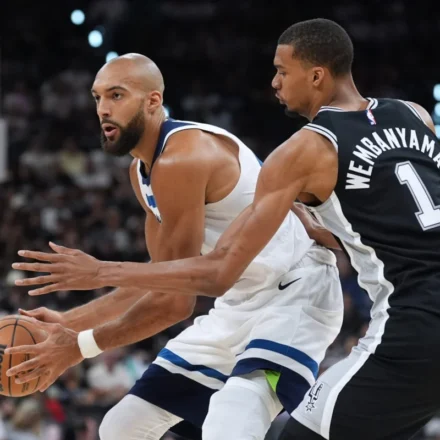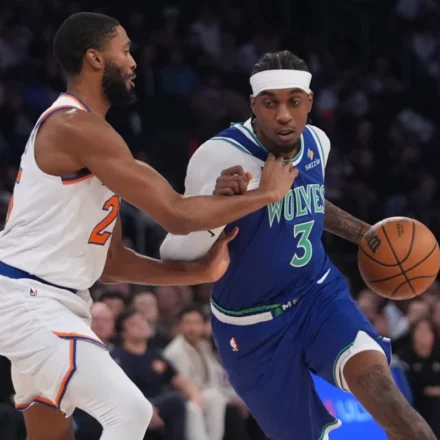
















































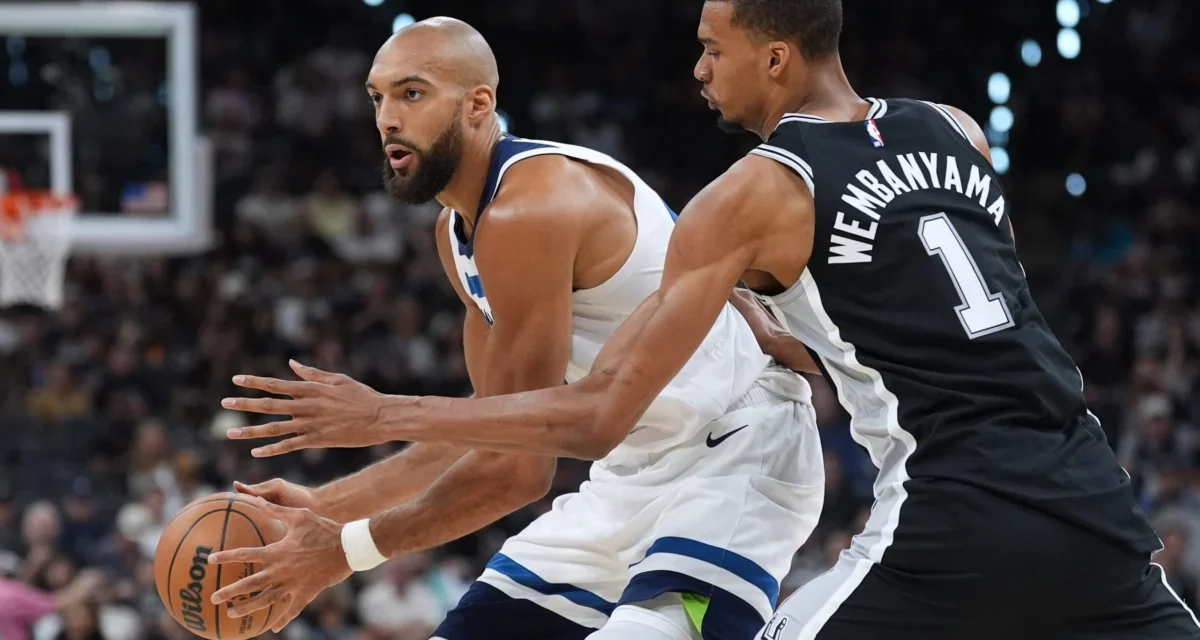






As the Minnesota Timberwolves conclude their preseason preparations for the 2026-27 NBA campaign, the air at the practice facility is thick with the frenetic energy of youth. With a roster where a dozen players are 26 years old or younger, the team is a blur of pace, athleticism, and raw, untapped potential. Yet, standing in the center of this whirlwind is 34-year-old Rudy Gobert.
With a newly shaved head and a sharp, dark goatee—a look that head coach Chris Finch quipped makes the French center resemble a "Russian gangster"—Gobert cuts a figure of serene experience. When asked about his place among a squad of emerging stars, his response was measured. "It is interesting," he said with a wry smile. "But I feel wise and fresh at the same time. It is a good place to be."
As the regular season looms just one week away, the reality of the Timberwolves’ new roster construction has come into sharp focus: the team’s championship aspirations likely rest on the broad shoulders of their veteran center. In a summer defined by bold, high-ceiling acquisitions, Gobert has quietly become the most indispensable variable in Minnesota’s success.
The Cost of Ambition: Clearing the Path for LaMelo Ball
The Timberwolves’ current identity shift was ignited by the splashy acquisition of playmaker LaMelo Ball. A wizard of court vision and offensive pace, Ball is expected to unlock new levels of production for superstar Anthony Edwards, theoretically elevating the team’s efficiency and aesthetic appeal.
However, NBA roster building is a zero-sum game of salary-cap arithmetic. To secure Ball, the front office had to aggressively clear space, a process that involved parting ways with Julius Randle for minimal return. Furthermore, the trade package sent to Charlotte included fan-favorite and critical rotational piece Naz Reid.
The departure of both Randle and Reid represents a seismic shift in the team’s interior depth. For the past two seasons, these two power forwards served as the primary backup centers, providing a security blanket for when Gobert needed rest. Before that, the role was filled by Karl-Anthony Towns, who operated in a "twin towers" tandem with Gobert before sliding into the five-spot. By punting both veterans, the Timberwolves have effectively hollowed out their frontcourt depth, leaving a singular, untested prospect as the primary backup: French teenager Joan Beringer.
The Beringer Gamble: A Trial by Fire
The organization’s faith in Joan Beringer is based on his immense physical tools. At 19, he possesses the frame, coordination, and a self-sacrificing defensive motor that could eventually make him a premier interior defender. However, the disparity between his potential and his current readiness is stark.

Beringer’s professional resume is remarkably thin. Last season, he logged a mere 314 minutes in the NBA, supplemented by a handful of appearances for the G League’s Iowa Wolves. His backstory is equally unconventional; he didn’t seriously engage with basketball until a growth spurt at 14 pulled him away from soccer and judo. Before his draft selection, he played only about 50 games in European professional leagues.
Now, he is tasked with playing 15–20 minutes a night against the world’s elite. Observers of the preseason have described his play as a "milkshake" of emotions—marveling at his rapid development while acknowledging the glaring gaps in his game. Because Beringer missed the "stairsteps" of adolescent basketball development, he lacks the intuitive, reactive instincts that define elite NBA defense. He is currently learning the nuances of team rotation, help-side defense, and the physical grind of the paint in real-time, under the brightest lights.
Defensive Continuity and the "Mistake Eraser"
The reliance on a rookie backup places an enormous burden on Rudy Gobert to remain the "mistake eraser" that Coach Chris Finch so frequently describes. During a recent podcast appearance, Finch lauded Gobert’s unique ability to read the floor, manage switches, and cover for his teammates’ defensive lapses.
"He raises the floor of our performance," Finch noted. Without the veteran insurance of a Randle or a Reid, that floor is at risk of dropping precipitously whenever Gobert sits.
The data suggests that the team cannot afford a drop-off. Over the last four seasons, Gobert has averaged 32.3 minutes across 73.5 games. Any significant reduction in that workload, or any injury-induced absence, would leave the Timberwolves’ defensive identity in flux. While the team has contingency plans—such as playing veteran Trey Lyles as a small-ball center or deploying Jaden McDaniels in a zone-heavy scheme—these are situational patches, not long-term solutions.
The Stoic Leadership Philosophy
Gobert’s value extends beyond his wingspan and defensive rating. He is a professional of uncompromising discipline, a trait that has become the bedrock of his longevity. In an era where players are often defined by their highlights, Gobert is defined by his process: his diet, his use of hyperbaric technology, and his obsessive focus on the details of the craft.
This focus has helped him navigate a career filled with unfair external criticism. From the social media vitriol to the indignity of reduced roles during France’s Olympic run and the disappointment of the season-ending loss to the Spurs, Gobert has maintained a stoic detachment.

"I’m big on Stoicism," Gobert shared. "I’ve read Marcus Aurelius and those type of guys. It is about finding your own type of leadership and your own purpose. Control what you can control, and what I can control is how I show up every day."
This philosophy is exactly what the younger Timberwolves need to internalize. Coach Finch has signaled that it is time for Anthony Edwards and Jaden McDaniels to "take the diapers off" and embrace leadership. The recent team-building trip to France, initiated by Edwards, was a significant step in that direction. It signaled a new era of respect within the locker room, where younger stars are finally "speaking Rudy"—learning to appreciate the unseen work required to sustain championship-level basketball.
Implications for the Season Ahead
The 2026-27 season will be a stress test for the Timberwolves’ new philosophy. They have bet on a high-octane, youthful offense led by LaMelo Ball, but they have done so by thinning the ranks of their veteran interior presence.
If the team is to reach the heights their talent suggests, they must hope that Gobert’s commitment to his body remains unbroken. Simultaneously, the success of the season will be defined by how quickly the "twentysomethings" can mature. The team is currently in a delicate transition; they are trading in the veteran comfort of the past for the high-variance energy of the future.
If the young core begins to show the lack of focus or the emotional volatility that plagued them in past seasons, the presence of a 34-year-old Stoic becomes more than just a roster requirement—it becomes the glue holding the organization together. Rudy Gobert has heard the critics, seen the lineup changes, and endured the slights. Yet, as the season approaches, he remains the anchor. Whether the team drifts into inconsistency or finds the steady current of a title contender, their success will be inextricably tied to the man who remains the league’s most resilient defensive force.
As the calendar turns toward November and the pressure mounts, the Timberwolves will look to their elder statesman. If the lessons of the preseason hold, the youth movement will not just learn to play with Gobert; they will learn to play like him.