



















































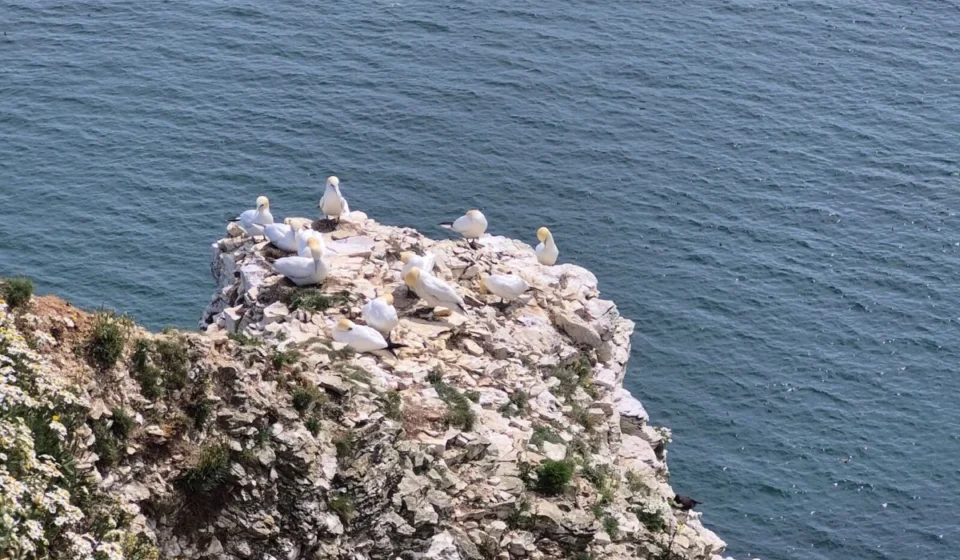

In an era where "overtourism" has become a buzzword for the degradation of iconic global landmarks, a quiet, avian-focused revolution is taking place across the United Kingdom. Managed by the Royal Society for the Protection of Birds (RSPB), a network of 220 nature reserves is proving that human curiosity, when carefully curated, can be the lifeblood of ecological restoration. From the chalky, wind-whipped heights of Bempton Cliffs to the tranquil, reed-fringed wetlands of Minsmere, these landscapes are not just tourist destinations; they are bastions of biodiversity in a world where one in six British species faces the threat of extinction.
The RSPB Model: A Blueprint for Conservation
The RSPB stands as an anomaly in the modern charity landscape. Born from a radical 19th-century grassroots movement that defied the prevailing fashion trends of the Victorian era—specifically the lethal demand for bird feathers in women’s hats—the organization has evolved into the UK’s largest nature conservation charity.
Unlike traditional heritage sites that rely on government subsidies, the RSPB operates on a sustainable, circular model. By leveraging membership subscriptions, private donations, grants, and visitor income, the charity maintains a robust financial loop. Every ticket purchased, every cup of tea bought in a reserve café, and every binocular rental contributes directly to the stewardship of the land. This financial autonomy allows the RSPB to prioritize long-term ecological health over short-term commercial gain, ensuring that the reserves remain wild, even as they welcome hundreds of thousands of visitors annually.
Where Puffins Fly, Humans Flock: A Chronology of Stewardship
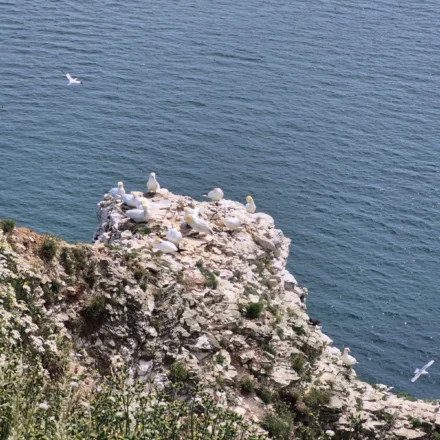
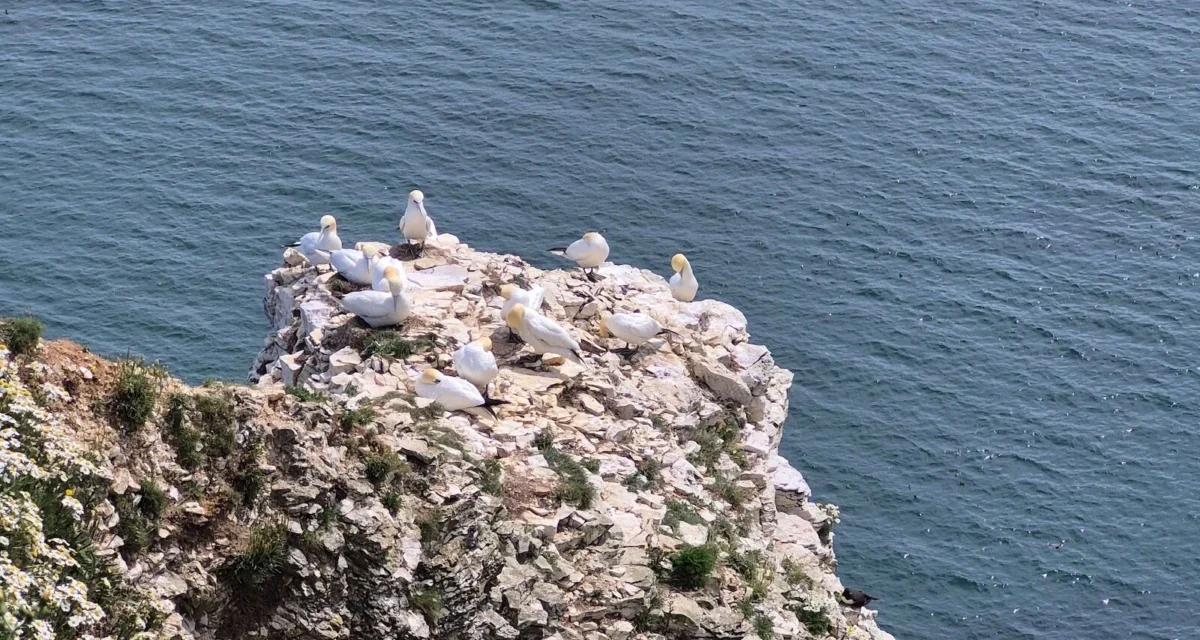
The allure of the RSPB’s reserves is best exemplified by the seasonal spectacle at Bempton Cliffs. Located on England’s northeast coast, these towering chalk bluffs serve as a critical sanctuary for half a million seabirds between March and August.
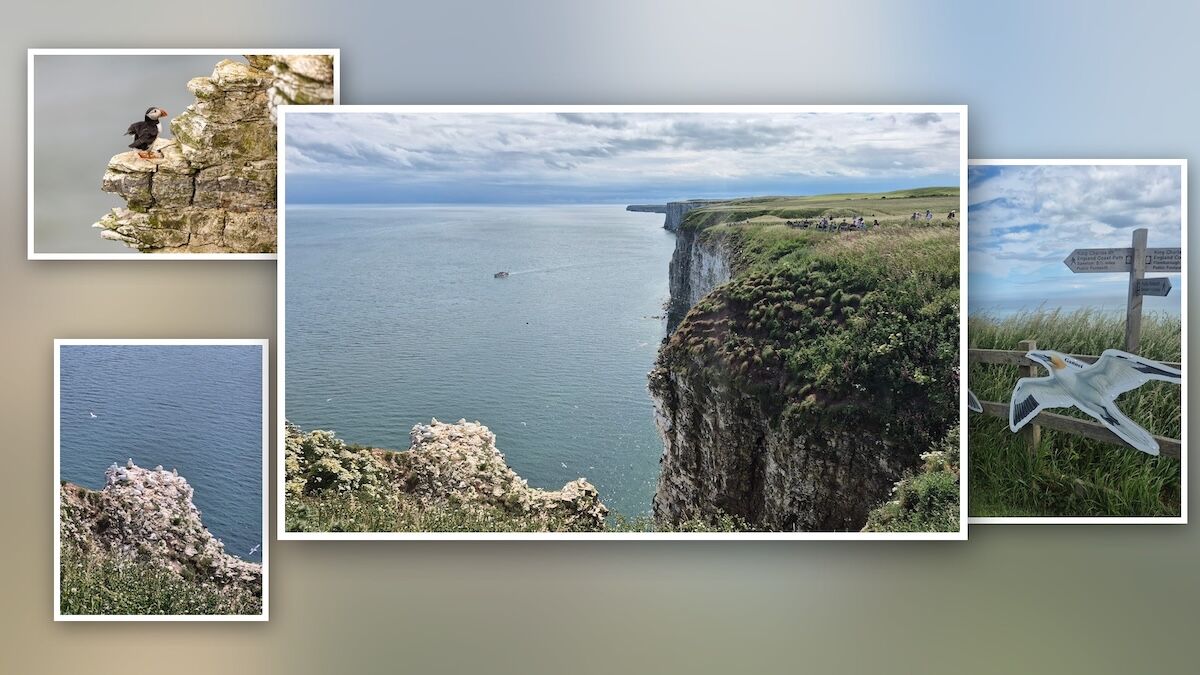
The Seasonal Rhythms of Bempton
- March to April: The early arrivals begin to populate the cliffs. The atmosphere is one of anticipation as the first of the kittiwakes and guillemots claim their precarious perches.
- May to June: This is the "peak window" for the Atlantic puffin—the charismatic, colorful "clowns of the sea." Roughly 1,500 breeding pairs descend upon the grassy burrows. During these months, the air is thick with the calls of gannets, razorbills, and guillemots, creating a sensory overload that draws photographers and birders from across the globe.
- July to August: As the chicks fledge and the summer warmth fades, the cliffs transition into a nursery. Observers can witness the frantic activity of parents foraging at sea to satisfy the voracious appetites of their young.
- Autumn and Winter: While the puffins depart for the open ocean, the reserves remain vital. The off-season provides a unique opportunity for quiet reflection, habitat maintenance, and the observation of winter visitors, such as the short-eared owl, which often haunts the grasslands.
Historic Milestones: From War Zones to Wildlife Havens
The history of RSPB conservation is often characterized by serendipity and sheer tenacity.
- 1947 – Minsmere and the Avocet: The establishment of Minsmere on the Suffolk coast remains one of the organization’s most celebrated achievements. During World War II, coastal pastures were intentionally flooded to defend against potential invasion. This act of war inadvertently created the perfect wetland conditions for the avocet, which had been extinct as a breeding bird in Britain for over a century. Under "Operation Zebra," former soldiers were deployed to monitor the returning birds, cementing the avocet’s status as a symbol of the RSPB.
- 1954 – Operation Osprey: In a display of extreme dedication, the RSPB launched "Operation Osprey" at Loch Garten in the Cairngorms. After ospreys were hunted to extinction in the UK, a nesting pair was spotted. Civilians and volunteers stood guard around the clock to prevent poachers from destroying the nest. This success story turned a vulnerable species into a thriving population and proved that public interest could be harnessed to protect, rather than exploit, wildlife.
Data-Driven Conservation: The Power of the Volunteer
The success of the RSPB is not merely the result of policy, but of human capital. According to Neil Boyes, the Head of Visitor Operations for the RSPB, approximately 12,000 volunteers form the backbone of the organization. Their contribution extends far beyond the visitor center; they are the front-line scientists who conduct habitat surveys, manage invasive species, and track population shifts.
The Impact of Citizen Science
The data collected by volunteers is instrumental in shaping the UK’s "Birds of Conservation Concern" lists. By tracking population fluctuations, the RSPB can pivot its conservation strategies in real-time. For instance, the 2024 ban on industrial sandeel fishing—a move that took 25 years of rigorous lobbying and data collection—is expected to lift the status of several seabird species from "Red" to "Amber." This victory demonstrates that the RSPB is not just observing the decline of nature, but actively reversing it through science-backed advocacy.
Official Perspectives: The Joy of Connection
"Experiencing the joy of listening to birdsong or watching wildlife builds a connection," explains Neil Boyes. "The reality is that people are far more likely to want to protect what they love and value."
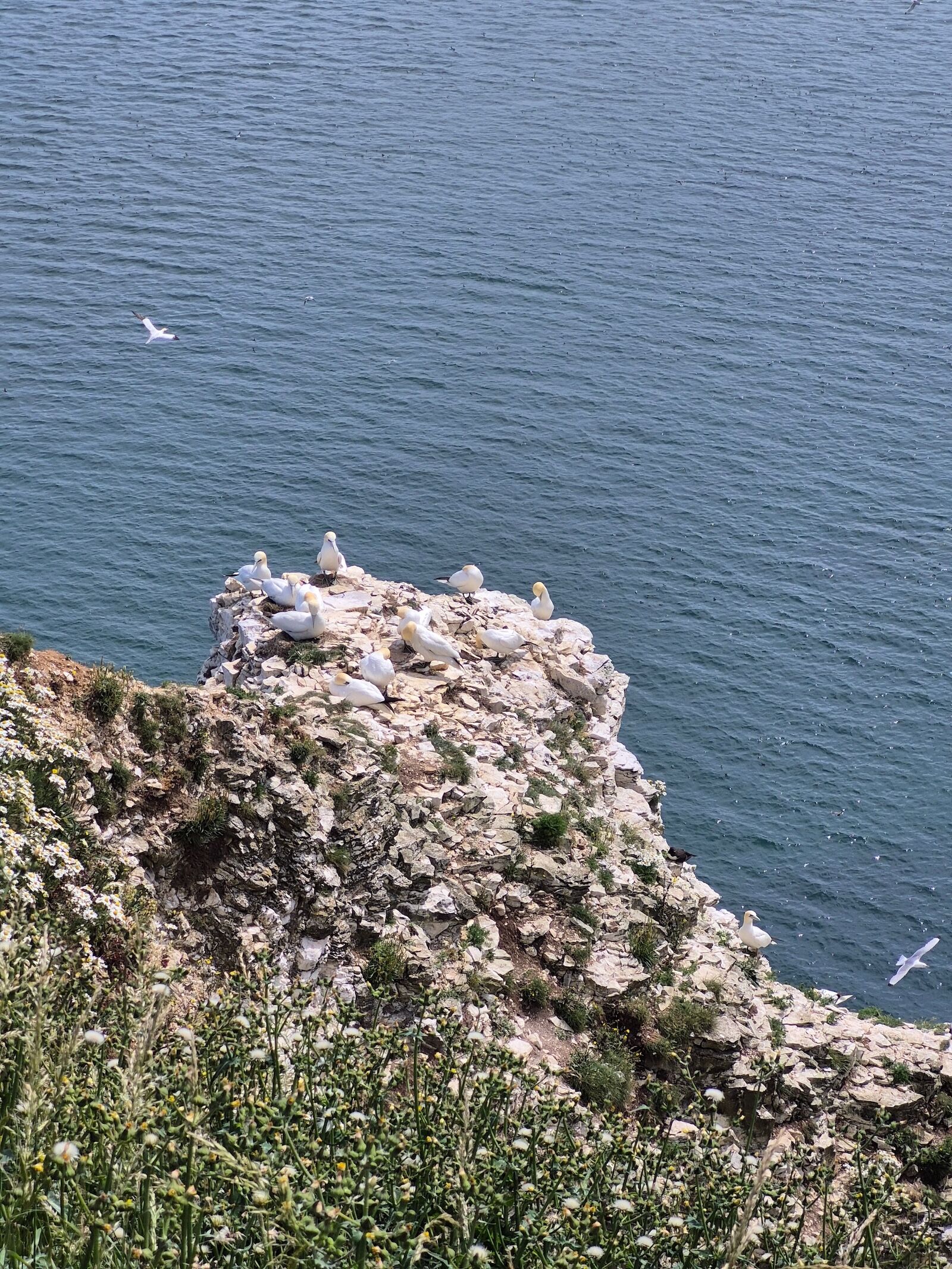
This philosophy is the cornerstone of the RSPB’s visitor strategy. By providing marked trails, specialized hides, and inclusive events like "pond dipping" and "small mammal safaris," the organization bridges the gap between expert ornithologists and curious families. The goal is to demystify nature, making it accessible to those who have never before stepped onto a nature reserve.
"Being as inclusive as possible means catering to people who’ve never set foot on a nature reserve before just as much as expert birders," Boyes adds. This inclusivity is vital. If conservation is to be effective, it must move beyond the niche circles of birdwatching and become a mainstream societal priority.
Implications for Sustainable Tourism and Local Economies
The economic footprint of the RSPB’s reserves is becoming increasingly significant, particularly in rural, lesser-visited parts of England. In 2025, Bempton Cliffs saw a remarkable 135,561 visitors, representing an 18% year-over-year increase. This surge in footfall has tangible benefits for local independent businesses, from seaside hotels to local restaurants.
Promoting Responsible Travel
The RSPB is working to ensure that this influx of visitors does not become a burden. By promoting public transport access—such as the one-mile walk from the Bempton train station—the organization encourages a slower, more deliberate form of tourism. Initiatives like the partnership with Holiday Cottages, where bookings contribute to the restoration of one square meter of woodland, demonstrate a commitment to offsetting the carbon footprint of travel.
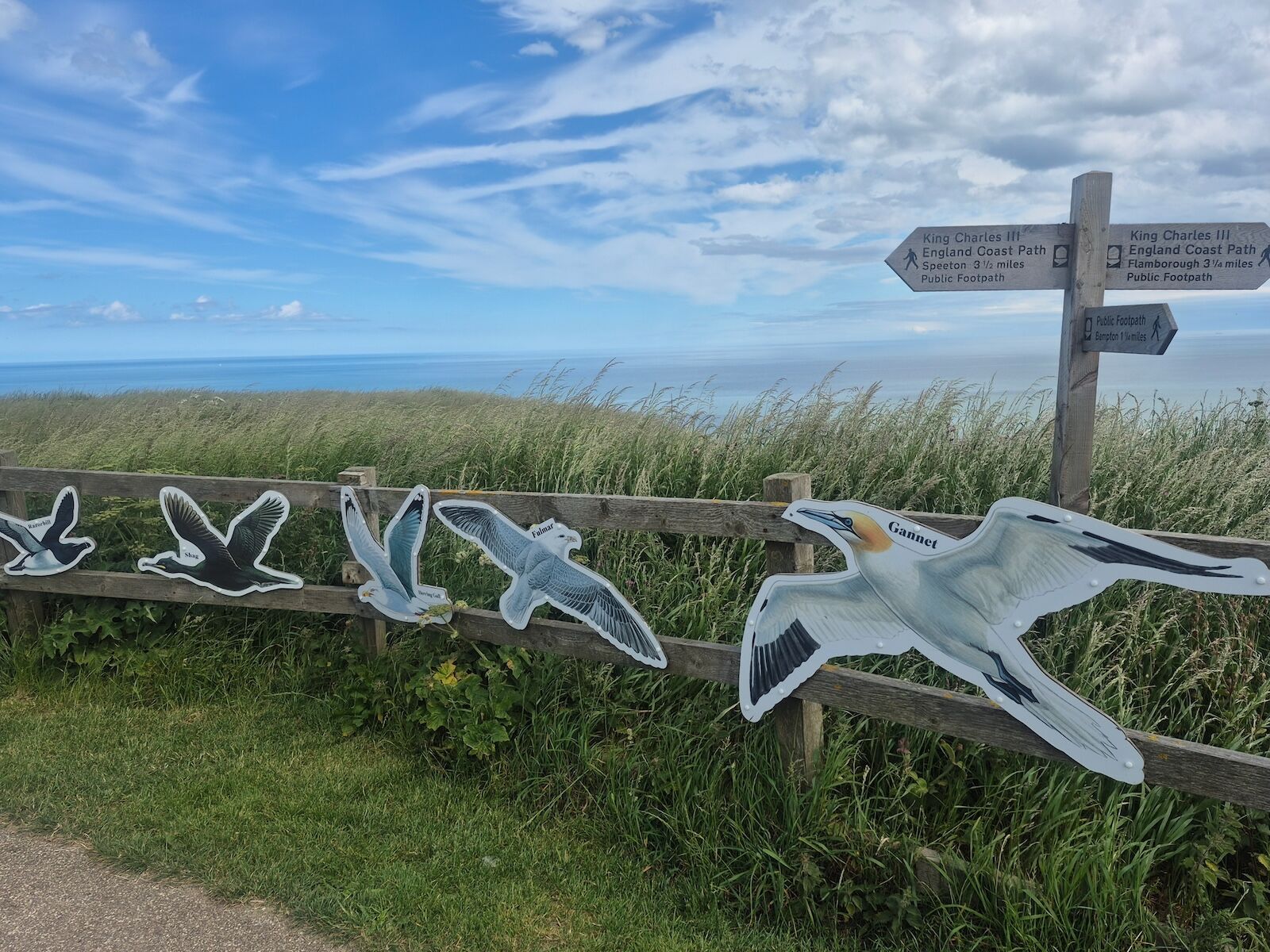
The strategy is clear: tourism is not the enemy of conservation; it is the fuel. When managed through the lens of education and protection, tourism provides the financial, political, and social momentum necessary to fight the biodiversity crisis.
Conclusion: A Place to Return To
Visiting an RSPB reserve is, for many, less about checking a rare bird off a list and more about participating in a recurring ritual of renewal. It is a place where strangers share camera rolls, where parents teach children the patience of observation, and where the collective effort of thousands of volunteers creates a sanctuary in an increasingly fragmented world.
As climate change and industrial pressures continue to weigh on the natural world, the work of the RSPB serves as a beacon of hope. The message is simple yet profound: nature is not a commodity to be consumed, but a community to be nurtured. Whether you are a seasoned birder or a first-time visitor, stepping into an RSPB reserve is an act of participation in a much larger story—a story of resilience, restoration, and the enduring power of the wild. By continuing to support these spaces, we ensure that the puffins will continue to return to the bluffs, the gannets will keep diving, and the next generation will inherit a world that is not just filled with history, but with life.