












































The Silent War for Storage Supremacy: Why TDK’s Head Unit Could Decide the Future of the HDD Industry

The global hard disk drive (HDD) market, a foundational pillar of the digital economy, is approaching a precarious tipping point. With the artificial intelligence (AI) revolution driving an insatiable demand for high-capacity, cost-effective data storage, the industry’s three major players—Seagate Technology, Western Digital (WD), and Toshiba—are locked in a high-stakes struggle for vertical integration. At the heart of this conflict is a bidding war for TDK’s magnetic head division, a critical supplier whose acquisition could effectively reorder the competitive landscape of the entire storage sector.
Main Facts: The Strategic Bottleneck
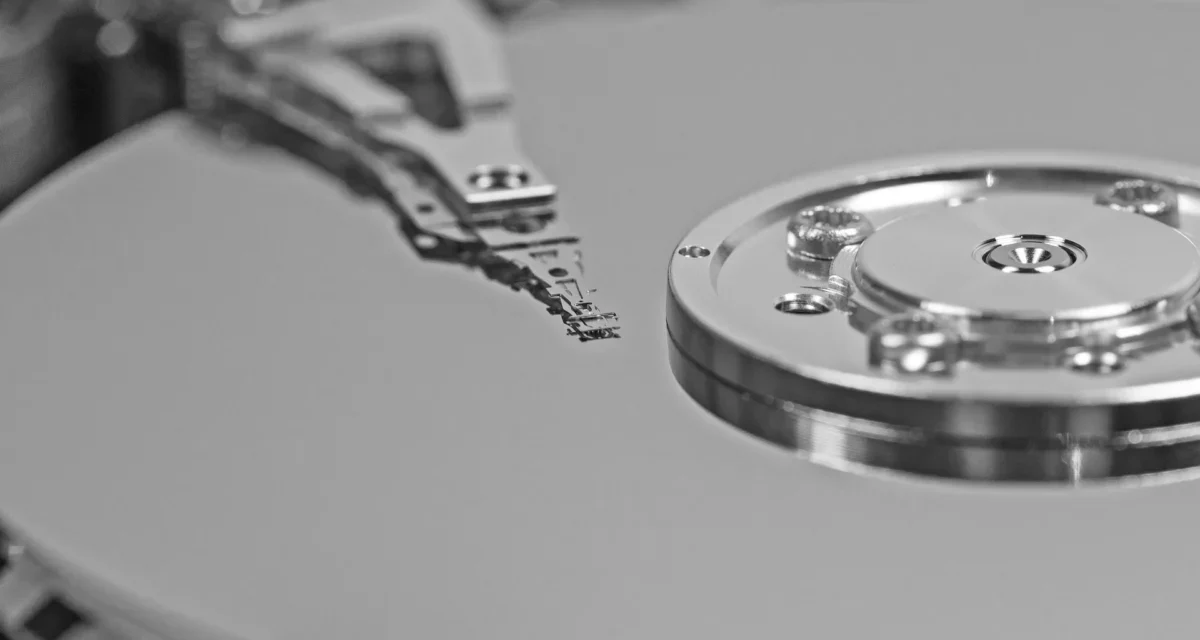
At the core of an HDD’s performance is the magnetic read/write head. It is the precise component that interacts with the rotating platters to store and retrieve data. While Seagate and Western Digital have maintained robust internal head-manufacturing capabilities, Toshiba has historically relied on third-party vendors, most notably TDK, to supply this essential technology.
Recent reports from Bloomberg have confirmed that this dependency has become a strategic liability. Fearing a supply chain squeeze, Toshiba initiated a bid to acquire TDK’s drive-head business earlier this year. However, the move triggered an immediate defensive response from Seagate, which launched a counter-offer to prevent Toshiba from securing the supply chain and, conversely, to solidify its own dominance. While Western Digital has remained on the sidelines for the moment, the repercussions of this corporate chess match are being felt across the entire technology supply chain.
Chronology: A Timeline of Escalation
The current tension is the result of years of market consolidation and rapid technological shifts.
- Early 2026: As AI-driven data center expansion accelerates, the demand for massive, high-performance HDDs surges. Analysts begin to note that the supply of advanced magnetic heads is becoming a critical constraint for manufacturers.
- Mid-2026: Recognizing that its reliance on TDK leaves it vulnerable to supply priority shifts—especially if competitors tighten their grip on the market—Toshiba makes an formal, unsolicited bid for TDK’s HDD head business.
- Late Summer 2026: Seagate Technology, noting the strategic threat of a Toshiba-TDK merger, enters the fray with a counter-offer. The goal is to safeguard its own supply of heads while potentially starving its smallest competitor of the very technology required to compete in the high-capacity enterprise market.
- October 2026: The bidding war enters the public consciousness as industry analysts at TrendForce highlight that Seagate and WD already control approximately 90% of the market. The acquisition of TDK’s unit is identified as a potential "kill switch" that could force Toshiba out of the market entirely.
Supporting Data: The Concentration of Power
The HDD market is an oligopoly characterized by extreme barriers to entry. According to data from TrendForce, the market share is heavily skewed toward the two American giants.
Market Dynamics
- Seagate and Western Digital: Together, these two companies command roughly 90% of the global HDD market. Their scale allows them to invest billions into research and development (R&D) for next-generation technologies like Heat-Assisted Magnetic Recording (HAMR) and Dual Pivot Technology (DPT).
- Toshiba’s Position: As the third major player, Toshiba serves as a crucial check on total market consolidation. However, its lack of in-house head manufacturing—the "brains" of the HDD—means its innovation cycle is tethered to the capabilities of its suppliers.
Recent Technological Milestones
The intensity of this bidding war is fueled by the rapid pace of innovation required to keep up with AI data demands:
- Western Digital’s HBDT/DPT: In February 2026, WD announced breakthroughs in High Bandwidth Drive Technology (HBDT) and Dual Pivot Technology (DPT). These innovations are designed to enable simultaneous read/write operations from multiple heads across multiple tracks, effectively doubling the bandwidth of traditional drives.
- Seagate’s HAMR Leadership: In July 2026, Seagate launched a 30TB 3.5-inch drive using its proprietary HAMR technology. The company has already signaled that 32TB and 36TB models are in the pipeline, setting a high bar for capacity that requires the most sophisticated magnetic heads available.
Official Responses and Corporate Silence
In the face of intense market speculation, the parties involved have adopted varying stances.
TDK’s Stance: As of October 2026, TDK has maintained a strict "no comment" policy. The company’s official communication channel, updated on October 2, offered no insight into the ongoing negotiations or potential divestiture plans. This silence has only fueled market volatility, as investors and analysts scramble to interpret the company’s lack of denial as a signal that a deal is indeed in progress.
The Competitor Perspective: While Western Digital has been uncharacteristically quiet regarding the TDK bidding war, industry insiders suggest that WD is closely monitoring the situation. Should Seagate successfully acquire the TDK unit, it would grant Seagate an unprecedented level of control over the HDD supply chain, potentially forcing WD to pivot its strategy to avoid being disadvantaged by the loss of access to TDK’s expertise.
Implications: The Potential End of a Three-Player Market
The implications of a Seagate victory in this bidding war are profound. Analysts at Bloomberg have suggested that if Seagate captures the TDK unit, it could effectively "knock Toshiba out of the hard disk market" altogether.
1. The Death of Choice
If Toshiba is forced to exit the market, the HDD industry would move from a three-player oligopoly to a two-player duopoly. This would significantly reduce the negotiating power of data center operators and enterprise customers who rely on competitive bidding to manage their infrastructure costs.
2. Supply Chain Vulnerability
If one company controls both the majority of the market share and the critical component manufacturing (the heads), the supply chain becomes "brittle." Any disruption at a primary head-manufacturing facility—whether due to natural disasters, labor issues, or technical failures—would ripple through the entire global digital infrastructure, potentially leading to widespread storage shortages.
3. Accelerated Technological Divergence
With Toshiba removed, the pressure on Seagate and WD to innovate may actually decrease, as the competitive necessity of "out-performing" a third player is removed. Conversely, the race could shift entirely to software-defined storage or a total pivot toward Flash/SSD storage, as the HDD market reaches a state of static maturity.
4. Regulatory Scrutiny
Such a move would almost certainly trigger intense anti-trust investigations in the United States, Europe, and Asia. Regulators have grown increasingly wary of consolidation in the technology sector, and a move that threatens to eliminate the only alternative supplier in a critical hardware sector would likely be met with stiff resistance from competition authorities.
Conclusion
The battle for TDK’s magnetic head unit is more than just a corporate acquisition; it is a defining moment for the future of digital storage. As Seagate and Toshiba fight to secure their place in an AI-driven future, the industry stands on the precipice of a structural change that could diminish market diversity and fundamentally alter the economics of data management.
For now, the world waits for a signal from TDK. Whether the company chooses to remain an independent, neutral supplier or allows itself to be absorbed into the vertical ecosystem of one of its largest clients will determine whether the hard disk market remains a competitive arena or becomes a closed-loop duopoly. As data centers continue to grow, the stakes could not be higher.