















































The U.S. midterm election cycle is currently being defined by an unlikely and deeply visceral political battleground: the dinner plate. What began as a series of isolated public health incidents has metastasized into a full-blown national crisis, pitting the Trump administration’s deregulation agenda against Democratic accusations of negligence and institutional erosion. As the autumn campaigns heat up, the safety of the American food supply—once a matter of technical regulatory oversight—has become a potent, high-stakes weapon in the fight for control of Congress.
The Summer of Discontent: A Timeline of Outbreaks
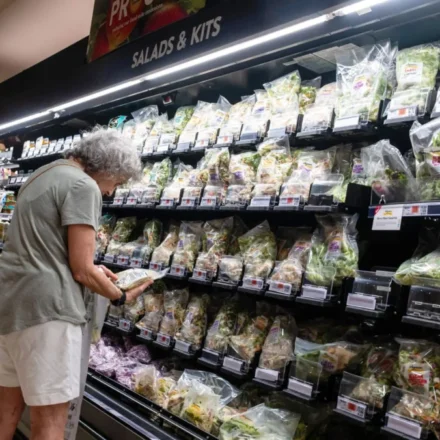
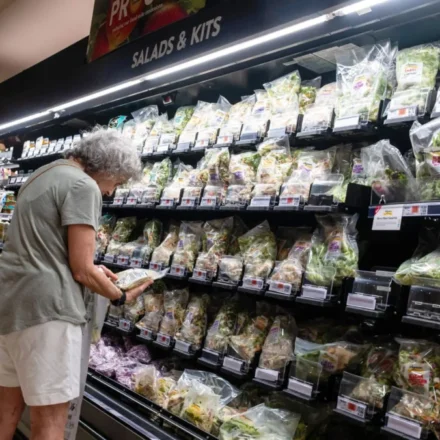
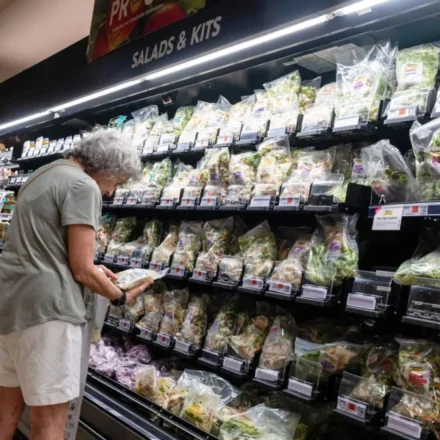
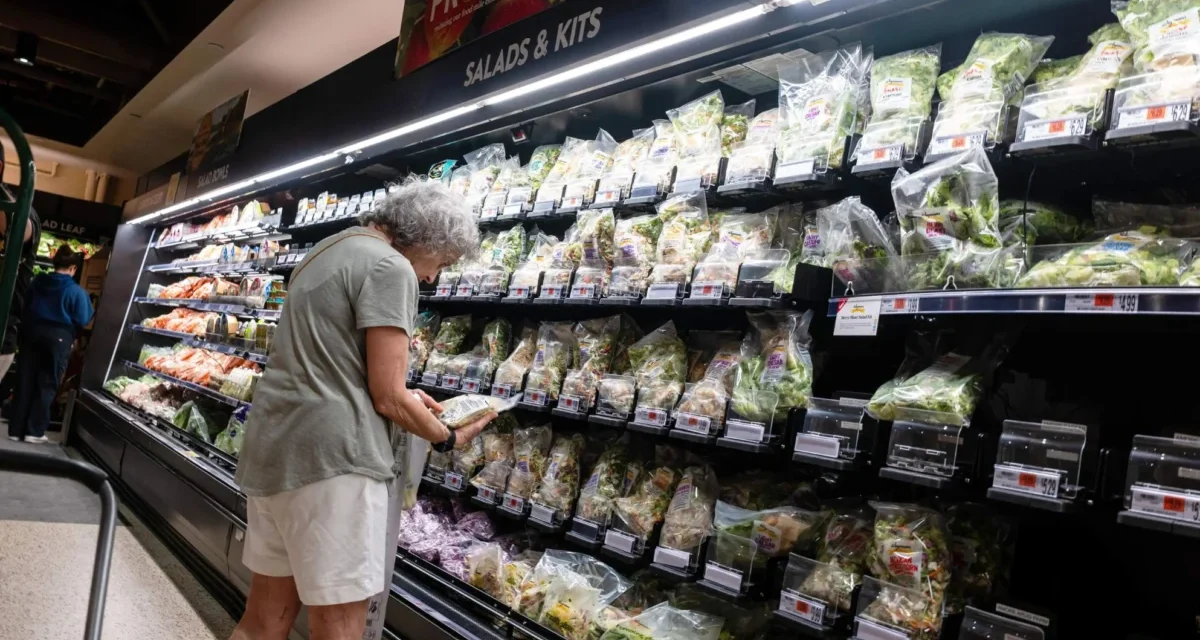
The political friction follows a summer marred by a massive foodborne illness outbreak that has shaken consumer confidence to its core. Starting in late spring and peaking throughout the summer months, a widespread outbreak of cyclosporiasis—a parasitic infection—traced to contaminated lettuce sickened nearly 20,000 people. This figure stands in stark contrast to the 1,180 cases recorded during the same period in 2025, marking it as the largest recorded outbreak of the parasite in modern U.S. history.
The incident was compounded by a series of high-profile recalls involving tens of thousands of pounds of imported meat. As the news cycle churned, major fast-food chains, including Chipotle and Taco Bell, were forced to pull lettuce, jalapeños, and other produce from their menus. The visceral nature of the symptoms—frequently the subject of grim jokes by late-night talk show hosts—transformed a wonkish policy debate into a household concern.
By August, the panic had moved from the grocery store aisle to the halls of Congress, with public health experts noting that the combination of high-profile restaurant names and the sheer volume of illnesses had created a unique, "real" threat that voters could no longer ignore.
Data and Disparity: Analyzing the Recall Landscape
The current political firestorm is fueled by a complex, often contradictory, set of data. While the administration points to aggregate numbers to suggest the food supply is safer than ever, advocacy groups and independent researchers argue that the numbers are being manipulated to mask a systemic decline in regulatory vigilance.
According to data from the U.S. Public Interest Research Group (PIRG), there have been approximately 200 food recalls in 2026, a figure that is largely on par with the same period in 2025. However, a broader analysis by Trace One reveals a more concerning trend: the total number of food recalls grew by 21% between 2021 and 2025. More critically, there has been a rise in "Class I" recalls—the highest priority category reserved for products that could cause serious illness or death.
The disconnect between official rhetoric and public perception is stark. A July survey by Quinnipiac University found that a majority of registered voters have little to no confidence in government food safety oversight. Furthermore, a poll by GS1 US indicated that 94% of U.S. adults are concerned about the frequency of food recalls. Perhaps most telling is research from the University of Illinois and Purdue University, which found that the share of consumers who strongly agree the U.S. food system is safe plummeted from 40% in November to just 30% by August.
The Political Tug-of-War
Democrats have wasted no time in seizing the narrative. Using social media as a primary megaphone, the Democratic National Committee has actively circulated lists of recalled food items, framing the situation as a direct consequence of the administration’s budget cuts. Senator Elizabeth Warren (D-Mass.) has been particularly vocal, labeling the current situation a "failed response" and publicly questioning the integrity of the administration’s health leadership.
In a series of posts on the social media platform X, Rep. Gabe Amo (D-R.I.) and other party members have called for the restoration of FDA inspectors, arguing that the administration’s "gutting" of federal agencies is a direct threat to public health.
The Trump administration has responded with a strategy of aggressive counter-messaging. When the FDA asserted on social media that fiscal year 2026 recall levels were among the lowest in a decade, it included a pointed jab: "Don’t believe the fake news." Calley Means, a senior adviser at the Department of Health and Human Services (HHS), furthered this narrative, accusing Democratic influencers of acting in bad faith and slamming the FDA for doing its job.
However, this defense has drawn fire from former regulators. Susan Mayne, who served as director of the FDA’s Center for Food Safety and Applied Nutrition from 2015 to 2023, pointed out that the administration’s recall totals include non-food items like medical devices and pharmaceuticals. By conflating these categories, she argues, the administration is presenting a distorted picture of food safety. "This HHS assertion appears to be based on incorrect data," Mayne noted in a public critique.
Implications for Regulatory Policy
The current political impasse is not merely a matter of partisan bickering; it represents a fundamental shift in how the government interacts with the food supply chain. The administration has initiated several policy changes that have sent shockwaves through the food safety community:
- Deregulation of Meat Processing: President Trump recently signaled a move to make it easier for small livestock operations to slaughter and process meat, a move that critics fear will bypass rigorous safety inspections.
- Import Policy: The administration has announced plans to increase beef imports from Argentina and Brazil, countries that have faced scrutiny over their inspection standards. Notably, the European Union has maintained a ban on Brazilian beef due to concerns over antibiotic use and safety protocols.
- Rollback of Safety Rules: The administration officially withdrew a Biden-era proposal aimed at reducing salmonella levels in raw poultry. Furthermore, the compliance deadline for new traceability rules—designed to help companies quickly identify and pull contaminated food—has been pushed back from January of this year to July 2028.
HHS spokesperson Grace Davis Jamison maintains that these delays were granted in response to stakeholder concerns regarding the technical feasibility of compliance. She further emphasized that the FDA and CDC remain fully staffed for outbreak investigations and that no frontline investigators have been impacted by force reductions.
The Human Cost: A Crisis of Consumer Behavior
Ultimately, the most significant impact of this political battle is the erosion of trust. Public health leaders, such as Sarah Sorscher of the Center for Science in the Public Interest, argue that the administration’s rhetoric is hypocritical—promising to be a "safety crusader" while simultaneously defunding the very agencies responsible for detection and prevention.
The consequences are already manifesting in consumer behavior. The University of Illinois and Purdue University study found that 40% of consumers have modified their restaurant habits due to safety fears, and nearly half have changed which grocery items they purchase.
Sandra Eskin, CEO of the nonprofit Stop Foodborne Illness, highlights the irony of the current situation. "If you want people to eat real food, fresh fruits and vegetables, they have to be safe," Eskin noted. "Instead, we have had farmers plowing under fields because people aren’t buying lettuce."
As the midterm elections approach, the "food fight" shows no signs of abating. For voters, the issue has transcended the typical boundaries of policy debate, becoming a deeply personal question of security. Whether the administration can successfully convince the public that the food supply is secure—or whether the opposition can successfully frame the recalls as a symptom of a larger, systemic breakdown—will likely play a decisive role in the upcoming ballot box decisions. The stability of the nation’s food supply, once taken for granted, has now become a central measure of government competence and a defining issue of the 2026 political season.