




















































Guardians of the Earth: Why Indigenous Governance is the Missing Link in Global Climate Strategy

From the frost-bitten highlands of Nepal to the dense, carbon-rich rainforests of the Ecuadorian Amazon and the expansive, fire-prone territories of Brazil, Indigenous communities are standing on the front lines of a rapidly destabilizing planet. They are not merely passive victims of a warming world; they are the architects of the most effective, scalable, and time-tested climate adaptation strategies currently in existence.
A landmark report released by the global nonprofit Land Is Life during New York Climate Week has issued a stark, evidence-based challenge to the international community: the global reliance on top-down, Western-centric climate policy is failing. The report argues that while policymakers are beginning to pay lip service to the importance of "Indigenous knowledge," they are systematically ignoring the essential engine behind that knowledge: Indigenous governance.
The Overlapping Crisis: A New Reality
The climate crisis is no longer defined by singular, manageable weather events. For the world’s Indigenous populations, catastrophe has become the baseline. The Land Is Life report highlights a harrowing trend: climate disasters are arriving in "compounded clusters."
Over 80 percent of the 200+ survey respondents—representing communities across 46 countries and six major ecosystems—reported facing two or more simultaneous crises. A community might struggle with a catastrophic drought, only to be hit by flash flooding when the rains finally return, all while battling the encroaching threats of illegal land exploitation or armed conflict.
This is not a future projection; it is a current reality. The report underscores that 90 percent of surveyed Indigenous leaders have witnessed a dramatic increase in the frequency and severity of these overlapping events. When disaster strikes, it does not discriminate by borders, yet the international response remains trapped in national silos that fail to account for the interconnected nature of these environmental collapses.
Chronology of Resilience: From Local Wisdom to Global Strategy
The success of Indigenous adaptation is rooted in historical continuity. For generations, these communities have managed landscapes through cyclical, observation-based systems that prioritize long-term survival over short-term extraction.
- Pre-2000s: Traditional ecological knowledge (TEK) begins to gain traction in academic circles as a legitimate field of study, though it remains largely sidelined in international climate negotiations.
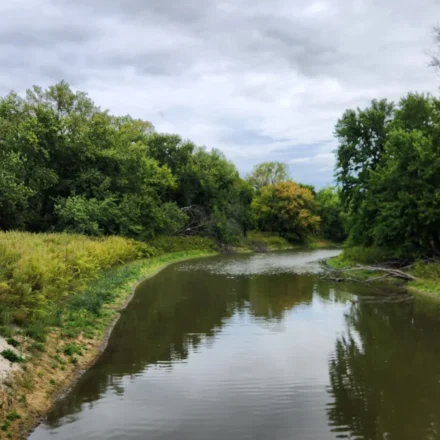
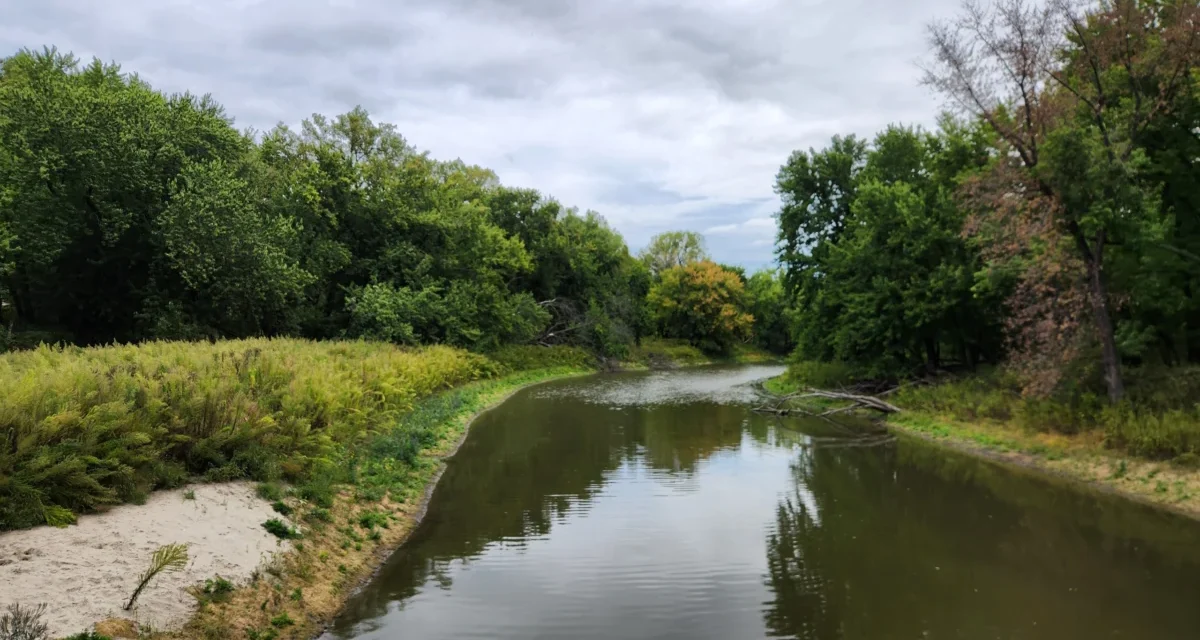
- 2019: The Kichwa People of Sarayaku in the Ecuadorian Amazon provide a masterclass in disaster response. When the Bobonaza River surged, destroying crops and homes, the community did not wait for international aid. They utilized established governance structures rooted in minga—the Kichwa principle of solidarity and collective responsibility. Because their internal communication networks and decision-making bodies were already functioning, they mobilized to relocate families and secure resources before the crisis reached its peak.
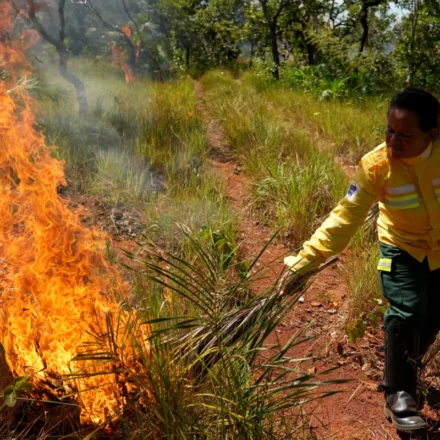
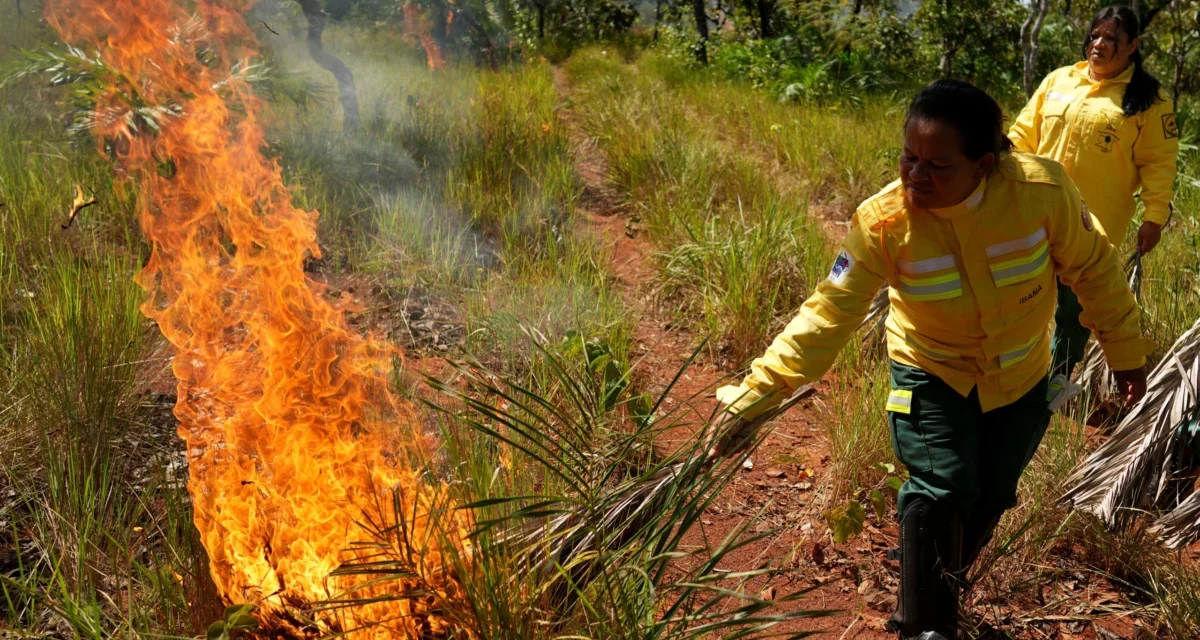
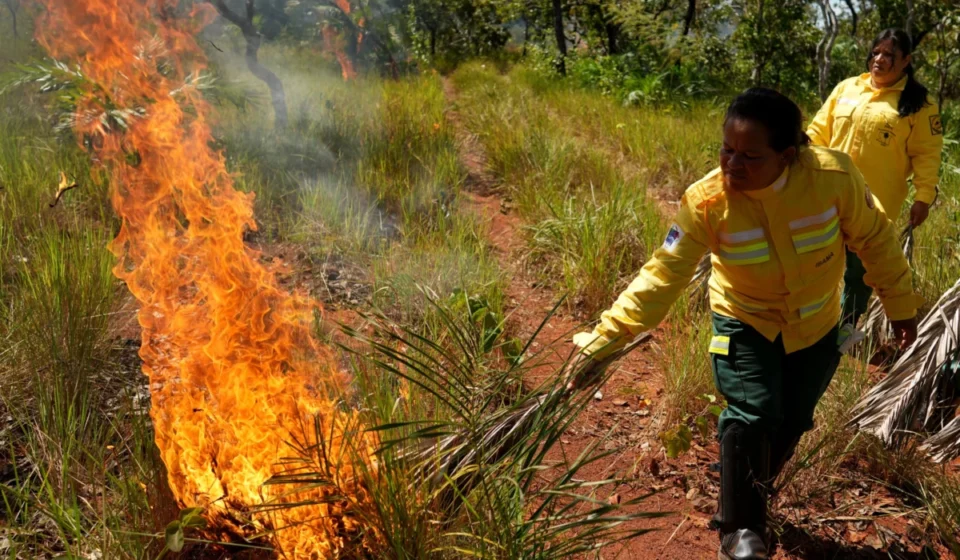
- 2026 (May): In Brazil, Indigenous women from the Xerente territory form specialized fire brigades. Collaborating with state environmental agencies, they utilize controlled burns to prevent catastrophic wildfires, demonstrating how Indigenous-led management is essential for preserving global biodiversity.
- 2026 (Present): The Land Is Life report synthesizes these case studies, providing a data-driven argument that Indigenous self-determination is the most cost-effective "technology" we have to mitigate climate risk.
Supporting Data: The Case for Sovereignty
The report, which draws from over 200 surveys and dozens of in-depth case studies, provides irrefutable evidence that when Indigenous governance is respected, climate outcomes improve.
In Kenya, for example, the Endorois and Tugen women have been instrumental in the fight against desertification. By cultivating drought-resistant varieties of indigenous crops like sorghum and millet, they secured food supplies during years when industrial farming in the region failed entirely. This wasn’t just "farming"; it was an act of governance, involving the protection of seed sovereignty and the mobilization of community labor.

The data reveals a stark disconnect: while scientists celebrate the outcomes of these practices, the legal and financial frameworks required to sustain them remain absent. Most international climate funds are funneled through large, non-Indigenous NGOs, which often impose external bureaucratic structures that clash with traditional decision-making processes.
"When it comes to adaptation, we don’t really need to create new structures or systems," says Luisa Castañeda Quintana, executive director of Land Is Life. "We just need to see what is working."
Official Responses and the "Communication Gap"
The international response to the report has underscored a widening chasm between stated intentions and actual policy. While the United Nations and various national governments have issued resolutions promising to protect Indigenous rights, the practical reality on the ground is one of neglect.
Many nations refuse to legally recognize Indigenous land titles, effectively rendering these communities "invisible" in the eyes of disaster relief agencies. In some regions, Indigenous languages are not used for emergency alerts, and cultural practices—such as traditional forest management—are still criminalized as "unauthorized activity."
"There are so many projects that are supposed to be for Indigenous peoples, but they are implemented by non-Indigenous organizations," says Anisha Buda, a program officer at the national Indigenous Women Forum in Nepal. "It’s so frustrating because it is always the lack of resources and access to funding that makes it difficult for us to work."
The report highlights that even when funds are specifically earmarked for Indigenous groups, they are often diverted by intermediaries. This "funding leakage" means that the people who possess the most effective climate solutions are the ones receiving the least support to implement them.
Implications: The Path Forward
The implications for global climate strategy are clear: if the world is to survive the escalating climate chaos, the power dynamic must shift from "aid" to "partnership."
1. Legal Recognition as a Climate Policy:
Governments must prioritize the legal recognition of Indigenous lands. Without secure tenure, Indigenous communities cannot plan for the long term or implement large-scale ecological restoration.

2. Direct Financing:
The current model of funding large international NGOs to perform work on behalf of Indigenous communities is inefficient and patronizing. Direct, flexible, and long-term financing must be provided to Indigenous-led organizations that have proven track records of governance and resource management.
3. Embracing Indigenous Governance:
Policymakers must stop viewing Indigenous knowledge as a "data point" to be extracted and start viewing Indigenous governance as a "system" to be supported. This means respecting traditional decision-making structures, supporting the use of native languages in disaster communication, and creating partnerships that are led by the communities themselves.
4. A Shift in Perspective:
As Gisela Hurtado, the author of the report, notes, the disasters currently impacting Indigenous territories are the "canary in the coal mine" for the rest of the world. "What they are seeing in the territories, we’re going to see in the future," she explains. By ignoring these leaders, the global North is not just failing in its moral duty; it is ignoring the only people who have successfully maintained the earth’s resilience for millennia.
Conclusion: Trust the Architects
The Land Is Life report serves as a definitive rebuke to the idea that the climate crisis requires a "top-down" technological fix. The solutions are already here. They are written into the languages, the land-management techniques, and the communal governance structures of Indigenous nations from the Amazon to the Himalayas.
As global resources become increasingly scarce due to geopolitical instability and economic shifts, the need for efficiency is paramount. Investing in Indigenous governance is not an act of charity; it is an act of survival. By shifting resources to those who are already successfully stewarding the earth, the global community can move away from reactive crisis management and toward a future defined by collective, indigenous-led resilience.
The question remains whether the world’s power centers have the humility to listen. The evidence is on the table; it is time for the funding to follow.