

























































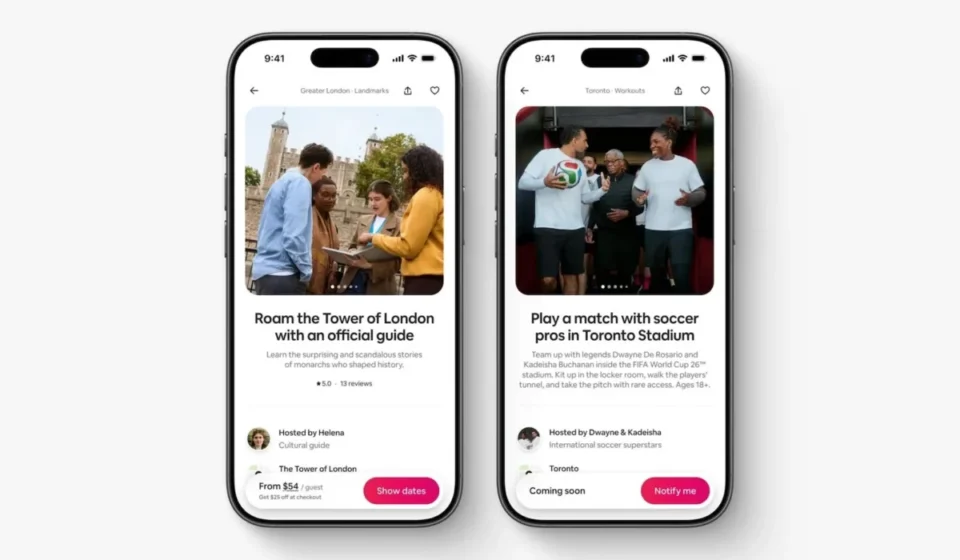

In a decisive move to reclaim its position as the premier platform for personalized travel, Airbnb has announced its comprehensive 2026 Fall Release. This update marks a fundamental shift in the company’s business model, moving away from a transactional “search-and-book” interface toward a social-first ecosystem powered by sophisticated artificial intelligence. By integrating social networking capabilities with advanced generative AI, Airbnb is attempting to solve the perennial traveler’s dilemma: the overwhelming paradox of choice.
Main Facts: A New Social Layer and AI Integration
The core of the 2026 update is the introduction of a social infrastructure within the Airbnb app. Recognizing that travel planning is inherently collaborative, the platform now allows users to invite friends, family, and past travel companions into a private "Connections" network.
The centerpiece of this social integration is the Interactive Travel Map. Once users connect, they gain visibility into the travel history of their inner circle. This map serves as a living, digital scrapbook, displaying where connections have stayed, which experiences they curated, and the specific reviews they authored. If a user finds a destination or a listing that resonates with their own travel style, they can instantly save it to a shared wishlist or initiate a direct message to ask for recommendations.
Privacy remains a focal point of this social layer. Airbnb has implemented granular control settings, allowing users to toggle the visibility of specific trips, curate which connections see which data, or opt out of the social features entirely.
Simultaneously, the platform is rolling out a massive AI-driven overhaul of its search and discovery engine. Beginning with the US market, Airbnb’s search bar is evolving from a keyword-matching tool to a conversational interface. Users can now input complex, natural-language requests—both typed and spoken—such as, “Find me a quiet home in the mountains with a dedicated workspace and high-speed internet for a family of four.”
Beyond search, AI is now embedded in the listings themselves. Every property will feature an AI-generated summary that highlights the most pertinent features based on the traveler’s stated preferences. Furthermore, a new "Comparison View" allows users to place wishlisted properties side-by-side, analyzing amenities, pricing, and guest ratings in a streamlined, tablet-optimized layout.
Chronology: The Evolution of the Booking Experience
The trajectory of Airbnb’s updates over the last decade reveals a clear progression toward "hyper-personalization."
- 2015–2018: The era of expansion, where Airbnb transitioned from simple home-sharing to the inclusion of "Experiences" and high-end "Luxe" properties.
- 2020–2023: The "Category" pivot. Recognizing the shift toward remote work and "workations," Airbnb overhauled its search to prioritize categories like "Design," "Castles," and "Amazing Pools."
- 2024–2025: The refinement phase, focusing on host reliability and verified listings, aiming to reduce the "trust gap" between guest expectations and reality.
- September 2026 (The Fall Release): The current turning point. This release represents the integration of community intelligence (the social layer) and machine intelligence (the AI search), effectively bridging the gap between social media discovery and transactional booking.
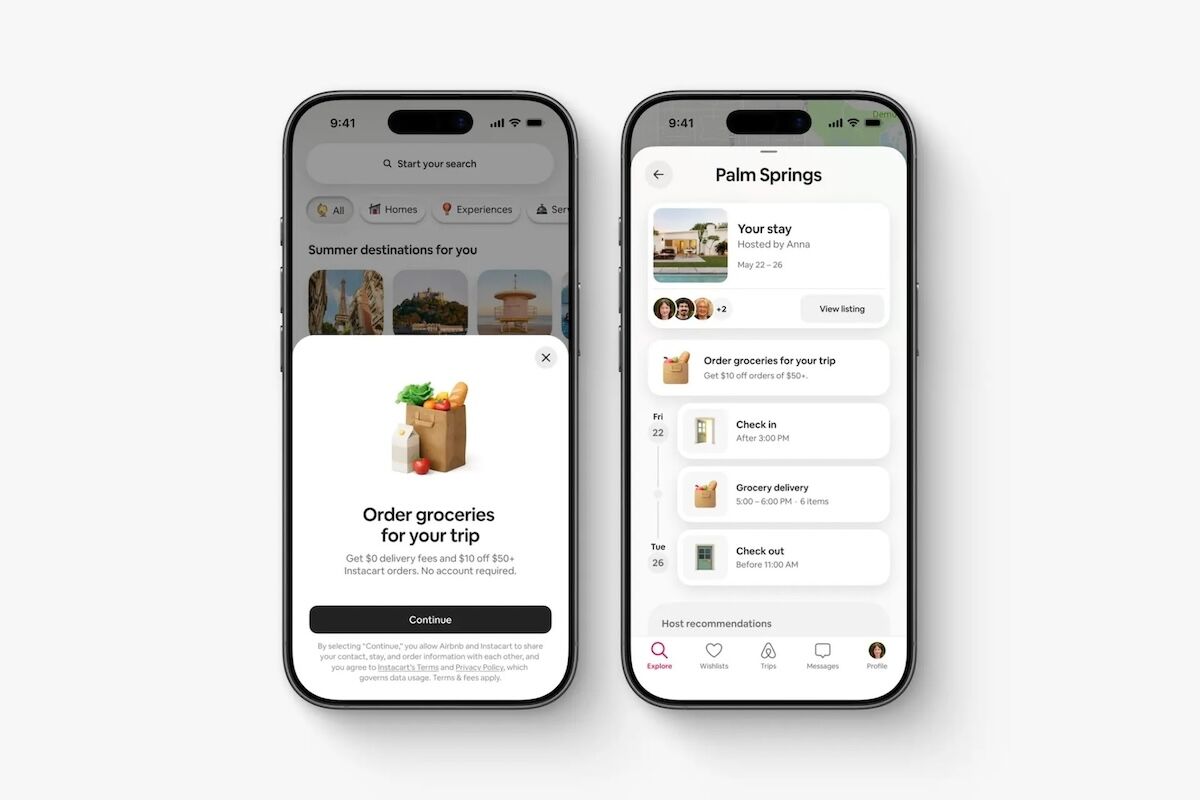
The rollout for these features is tiered. The social layer and AI search enhancements are launching immediately for US users, while the expansion of "Services"—such as grocery and restaurant delivery partnerships—is scheduled for a rolling release through the end of 2026.
Supporting Data: Enhancing the Guest and Host Ecosystem
The breadth of the 2026 Fall Release extends well beyond the app’s interface, diving deep into the logistics of the "travel-as-a-service" model. Airbnb is effectively turning into a concierge platform.
New Service Partnerships
- Laundry: A partnership with Rinse allows guests in select US cities to schedule next-day laundry pickup and delivery.
- BabyQuip: Starting this November, guests can access baby gear—cribs, strollers, and high chairs—delivered and set up in over 60 US cities, with a 10% discount for Airbnb users.
- Global Logistics: Grocery delivery is expanding its footprint across Europe, while specific urban centers in Europe are gaining access to premium restaurant meal delivery directly through the Airbnb app.
- Specialized Rentals: In a niche expansion, the platform is introducing localized partnerships to rent ski equipment in the French Alps and boat rentals in South Florida.
Host Productivity Tools
The update does not ignore the supply side. Hosts are receiving a robust suite of management tools to combat the rising complexity of hosting:
- Multi-listing Calendar: An interface designed for hosts managing portfolios of properties, providing a bird’s-eye view of occupancy and maintenance.
- 3D Floor Plans: Utilizing spatial mapping, these plans allow guests to understand the layout of a home before booking, reducing post-check-in complaints.
- Dynamic Pricing: One-tap algorithmic pricing that adjusts rates based on local events, demand surges, and seasonal trends.
- AI Earnings Summaries: A dashboard that translates complex financial data into plain-English summaries, helping hosts understand which amenities or price points are driving their revenue.
Official Responses and Strategic Vision
Airbnb leadership has framed this release as the "humanization of digital travel." In a briefing following the announcement, company spokespeople emphasized that the platform is moving to replace the "generic" travel experience.
"We believe that the best recommendations come from people you know and trust, not just anonymous algorithms," said an Airbnb representative. "By combining the wisdom of your personal network with the efficiency of our new AI, we are creating a travel planning experience that feels less like administrative work and more like a conversation with a friend."
The inclusion of neighborhood pages—which aggregate character, transportation, and dining data—is intended to provide the "local context" that travelers often lack. By synthesizing input from hosts, guests, and local businesses, Airbnb is positioning itself as an authority on the destination itself, not just the accommodation.
Implications: A Shift in the Travel Industry
The ripple effects of this release are expected to be significant, particularly for travel agents and competitor platforms.
1. The Death of the "Generic" Search
By allowing users to search via natural language and compare listings side-by-side with AI summaries, Airbnb is effectively challenging the dominance of traditional Online Travel Agencies (OTAs) like Expedia or Booking.com. If a traveler can find a home, book a crib, schedule laundry, and confirm ski rentals all within a single ecosystem, the incentive to use multiple third-party sites diminishes rapidly.
2. Trust as a Currency
The social layer is a masterclass in behavioral economics. By showing where "people you trust" have stayed, Airbnb is leveraging social proof to reduce the anxiety associated with booking an unfamiliar property. This shift could lead to higher conversion rates, as users are more likely to book a listing that a friend has already vetted.
3. Challenges and Ethical Considerations
Despite the optimism, the update brings new challenges. Data privacy advocates have already raised questions regarding the "social layer." While Airbnb promises robust privacy controls, the prospect of an app tracking and sharing travel history—even within a closed network—raises concerns about digital surveillance and the potential for "travel-shaming" or unwanted social pressure.
Furthermore, the integration of AI-written summaries and AI-driven pricing could lead to an "algorithmic feedback loop." If all hosts use the same AI tools to optimize their listings and pricing, there is a risk of homogenization, where every listing begins to sound and cost the same, potentially eroding the "unique" charm that originally defined the Airbnb brand.
4. Impact on the Hospitality Sector
For local vendors—laundry services, gear rental shops, and delivery services—Airbnb’s expansion into "Services" is a double-edged sword. While it provides access to a massive global customer base, it also consolidates power within the Airbnb ecosystem. Small businesses may find themselves beholden to Airbnb’s terms, commissions, and ranking algorithms, effectively turning them into "service nodes" within the platform’s broader architecture.
Conclusion
The 2026 Fall Release is more than just a software update; it is an assertion of Airbnb’s dominance in the modern travel economy. By layering social connectivity onto an AI-optimized booking engine, the company is attempting to make travel planning seamless, reliable, and deeply personalized.
As the industry watches to see how these features perform in the real world, one thing is clear: the era of the static booking site is over. The future of travel is social, it is intelligent, and it is increasingly integrated into every facet of the trip, from the baby crib in the bedroom to the boat on the water. For the traveler, this promises a more frictionless experience. For the industry, it signals a period of rapid, platform-driven consolidation that will force competitors to innovate—or risk being left behind in a pre-AI, pre-social world.