



















































The Certification Fast Track: How Vocational Training is Reshaping the Healthcare Workforce

The traditional pathway to a stable, rewarding career in healthcare has long been associated with the university system—specifically, a four-year bachelor’s degree followed by years of clinical clinicals or graduate study. However, a quiet revolution is taking place across the medical landscape. Driven by a severe labor shortage, rising tuition costs, and an immediate demand for specialized technical skills, the healthcare industry is increasingly relying on a diverse tier of professionals whose qualifications are measured not by college degrees, but by professional certifications.
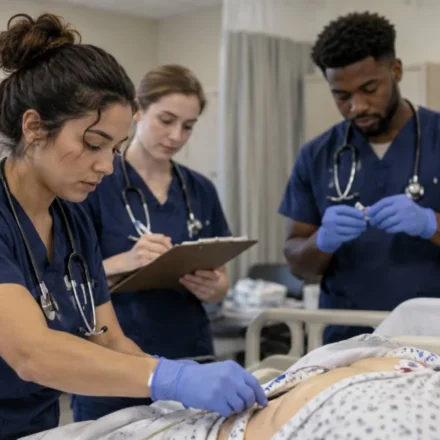
For many seeking entry into the medical field, vocational training programs, hands-on clinical experience, and industry-standard certifications offer a faster, more affordable, and highly focused alternative to traditional academia. These certificate programs bypass general education requirements, focusing exclusively on the precise practical skills, safety protocols, and medical terminology required to perform specific clinical and administrative duties.
1. Main Facts: The Shift to Competency-Based Allied Health Careers
Allied health professionals—a broad category that excludes doctors, nurses, and dentists but encompasses diagnostic, technical, and therapeutic support staff—make up roughly 60% of the entire healthcare workforce in the United States. Within this sector, certification-based roles have become indispensable.
The primary driver of this educational shift is the highly specialized nature of modern medical environments. In a busy clinic, a physician does not require every team member to hold a Bachelor of Science; instead, they need a technician who can precisely draw blood, safely operate an electrocardiogram (EKG) machine, or efficiently manage patient check-ins and clinical documentation.
Consequently, vocational schools, community colleges, and dedicated training institutes have developed streamlined curricula. These programs strip away unrelated coursework, allowing students to focus on core competencies:
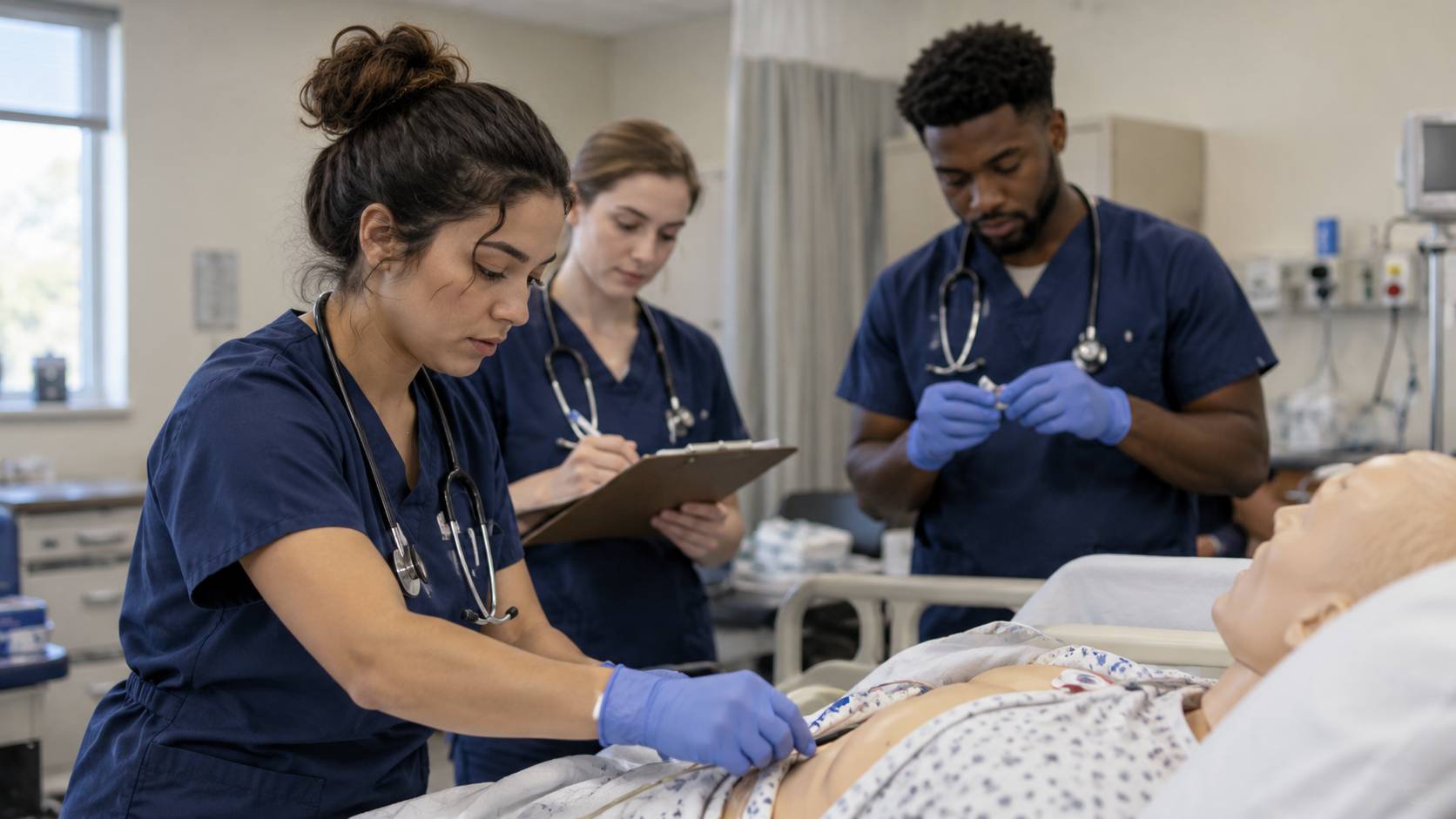
- Medical Terminology & Documentation: Understanding the language of anatomy, pathology, and pharmacology.
- Clinical Safety & Infection Control: Mastering aseptic techniques, sterilization, and OSHA standards to prevent cross-contamination.
- Patient Care & Communication: Developing the soft skills necessary to calm anxious patients and gather accurate medical histories.
- Equipment Proficiency: Learning to operate and maintain specialized medical hardware, from dental X-ray machines to EKG monitors.
However, entering these fields requires navigating a complex regulatory landscape. Certification and licensing rules are not uniform across the country. Requirements are dictated by a combination of state laws, licensing boards, and employer policies. Prospective students must research their local regulations to ensure their chosen training program aligns with the specific credentials recognized in their geographic area.
2. Chronology: The Evolution of Vocational Healthcare Training
The journey from an untrained applicant to a certified healthcare professional has undergone a significant structural evolution over the past half-century.
[Pre-1970s: On-the-Job Training]
       │
       ▼
[1980s–1990s: Formalization & Standardized Curricula]
       │
       ▼
[2000s–Present: National Certification Boards & State Regulations]- The Era of Informal Apprenticeship (Pre-1970s): Historically, many supportive clinical roles, such as dental assistants or phlebotomists, were trained directly on the job by physicians or dentists. Standardized curricula were rare, and credentials were often localized to specific clinics.
- The Rise of Standardized Vocational Education (1980s–1990s): As medical technology advanced and healthcare regulations tightened, the need for standardized training became apparent. Vocational schools and community colleges began offering structured, short-term certificate programs to ensure a baseline level of safety and competence.
- The Modern Certification Era (2000s–Present): Today, the industry is highly regulated. Independent, national certifying bodies—such as the National Healthcareer Association (NHA), the American Association of Medical Assistants (AAMA), and the Dental Assisting National Board (DANB)—have established rigorous examinations.
For an individual student today, the chronological path to employment is highly efficient:
[Step 1: Enrollment in Accredited Program (3 to 12 Months)]
       │
       ▼
[Step 2: Core Academic & Laboratory Training]
       │
       ▼
[Step 3: Supervised Clinical Externship / Hands-on Practice]
       │
       ▼
[Step 4: National Certification Examination]
       │
       ▼
[Step 5: State Licensing / Registration (Where Applicable)]
       │
       ▼
[Step 6: Immediate Workforce Integration]
3. Five High-Demand Certificate Careers in Healthcare
To understand how these programs function in practice, it is useful to examine five of the most prominent healthcare roles that rely on focused certifications rather than four-year degrees.
1. Massage Therapists
Massage therapists utilize hands-on manipulation of muscles and soft tissues to alleviate pain, reduce stress, rehabilitate sports injuries, and promote general wellness. Rather than working solely in luxury spas, many massage therapists are integrated into clinical healthcare teams.

- Where They Work: Chiropractic offices, physical therapy clinics, rehabilitation centers, pain management clinics, and private practices.
- Key Responsibilities: Evaluating client physical conditions, designing customized treatment plans, manipulating soft tissues to improve circulation and mobility, and documenting patient progress.
- Training and Certification: Becoming a professional therapist requires completing a postsecondary program, typically ranging from 500 to 1,000 hours of study. Curricula cover anatomy, physiology, kinesiology, ethics, and extensive hands-on clinical practice. Graduates must generally pass the Massage and Bodywork Licensing Examination (MBLEx) and meet state-specific licensing requirements, which may include background checks and continuing education.
2. Medical Assistants
Medical assistants are the versatile backbone of outpatient clinics, trained to perform a balanced mix of clinical and administrative tasks.
- Where They Work: Primary care clinics, specialty medical offices, urgent care centers, and community health clinics.
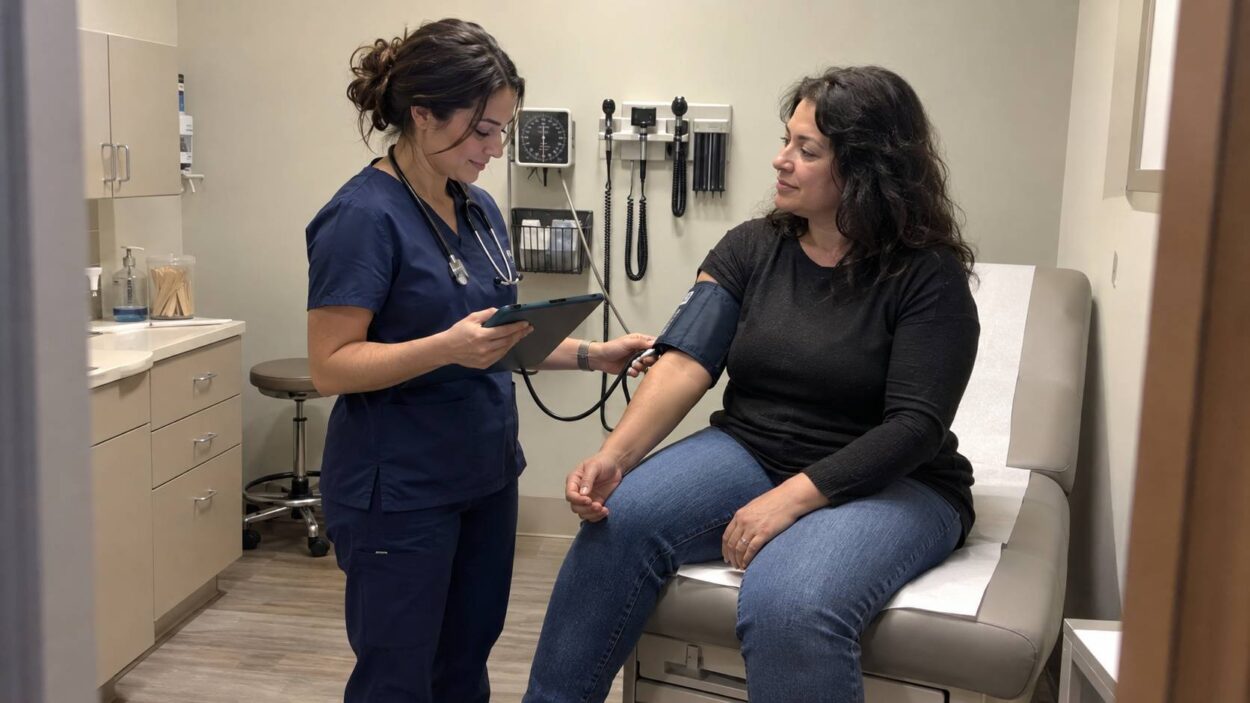
- Key Responsibilities: Recording vital signs, preparing patients for examinations, assisting physicians during minor procedures, administering injections or medications as permitted by state law, scheduling appointments, and updating electronic health records (EHR).
- Training and Certification: Certificate or diploma programs typically last between 9 and 12 months, though accelerated options exist. Students study clinical procedures, basic pharmacology, and office administration. Earning a credential such as the Certified Clinical Medical Assistant (CCMA) or Certified Medical Assistant (CMA) significantly enhances employment prospects and is often required by major healthcare systems.
3. Dental Assistants
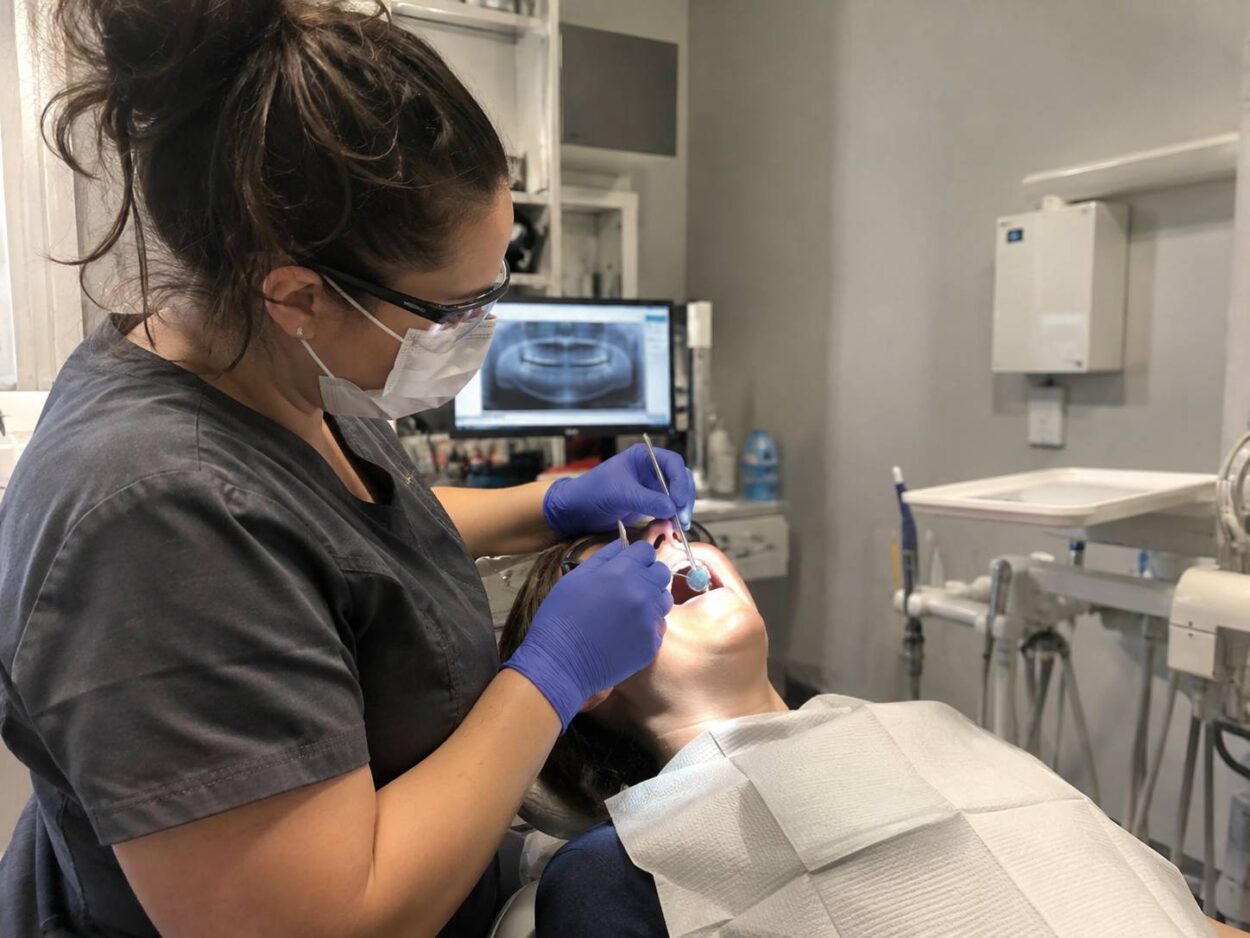
Dental assistants work directly alongside dentists and dental hygienists to ensure oral procedures are performed safely, efficiently, and comfortably for the patient.
- Where They Work: Private dental practices, group practices, pediatric dentistry offices, and orthodontic clinics.
- Key Responsibilities: Preparing instrument trays, sterilizing dental equipment, providing chairside assistance (suctioning, passing instruments), instructing patients on postoperative care, taking dental X-rays, and managing office schedules.
- Training and Certification: Dental assisting programs can often be completed in 9 to 11 months. Coursework emphasizes dental anatomy, infection control protocols, materials science, and radiology. To perform advanced tasks, such as taking radiographs, assistants must earn state-approved credentials, such as the Certified Dental Assistant (CDA) designation from the Dental Assisting National Board (DANB).
4. Phlebotomy Technicians
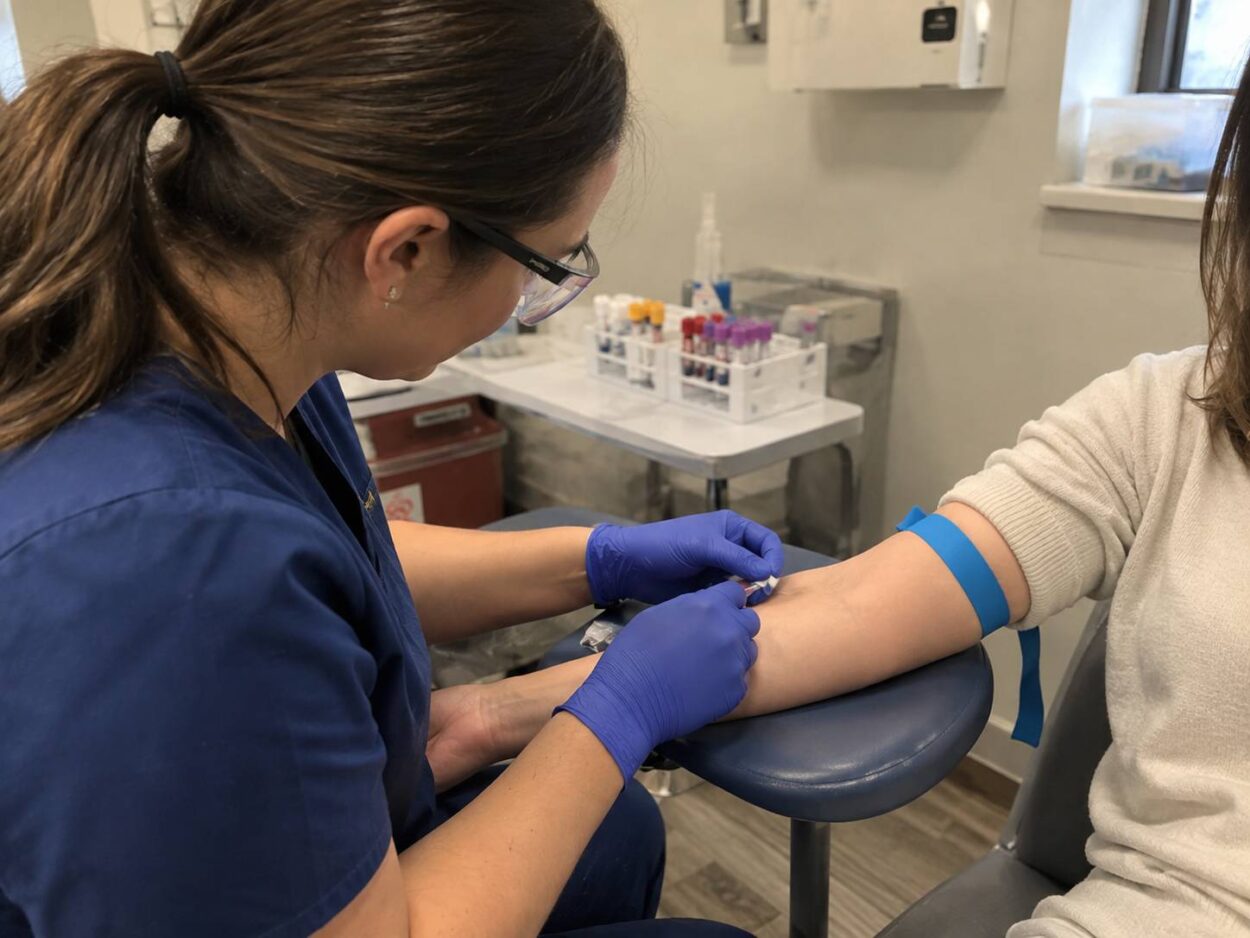
Phlebotomy technicians are highly specialized clinical professionals dedicated entirely to the safe and precise collection of blood samples.
- Where They Work: Hospital laboratories, diagnostic centers, blood donation banks, and private medical clinics.
- Key Responsibilities: Identifying patients correctly, selecting the appropriate venipuncture or capillary draw techniques, drawing blood efficiently to minimize patient discomfort, labeling vials accurately, and transporting specimens to laboratory processing areas under strict safety guidelines.
- Training and Certification: Phlebotomy is one of the fastest entry routes into clinical healthcare. Training programs typically span 3 to 12 weeks. The curriculum emphasizes anatomy (specifically the circulatory system), laboratory safety, and venipuncture techniques. Hands-on practice is paramount; students must perform a set number of successful, supervised blood draws to qualify for national exams like the Certified Phlebotomy Technician (CPT) credential.
5. EKG Technicians
EKG (electrocardiogram) technicians specialize in cardiovascular diagnostics, utilizing sensitive machinery to record and monitor the electrical activity of a patient’s heart.
- Where They Work: Cardiology offices, hospitals, diagnostic imaging centers, and emergency departments.
- Key Responsibilities: Preparing patients for cardiovascular testing, explaining procedures, placing electrodes precisely on the patient’s chest and limbs, operating EKG machines, conducting stress tests, and identifying basic cardiac arrhythmias to flag for immediate physician review.
- Training and Certification: EKG technician programs generally last between 4 and 12 weeks. Training focuses on cardiovascular anatomy, electrophysiology, lead placement, and troubleshooting equipment. Earning a Certified EKG Technician (CET) credential demonstrates clinical competency and is highly favored by employers.
4. Supporting Data: Job Growth, Salaries, and Educational Return on Investment (ROI)
The economic argument for pursuing certificate-based healthcare careers is supported by data from the U.S. Bureau of Labor Statistics (BLS). These positions not only exhibit faster-than-average job growth but also offer a rapid return on educational investment.
| Career Path | Average Training Duration | National Median Annual Salary (BLS) | Projected Job Growth Rate (2022–2032) | Typical Educational Cost Range |
|---|---|---|---|---|
| Massage Therapist | 6–12 Months | $55,310 | 18% (Much faster than average) | $5,000 – $15,000 |
| Medical Assistant | 9–12 Months | $42,000 | 14% (Much faster than average) | $3,000 – $12,000 |
| Dental Assistant | 9–11 Months | $46,540 | 7% (Faster than average) | $4,000 – $10,000 |
| Phlebotomy Tech | 1–3 Months | $41,810 | 8% (Faster than average) | $1,000 – $3,000 |
| EKG Technician | 1–3 Months | $43,000* | 5% (As fast as average) | $1,000 – $2,500 |
*Note: EKG technician salaries can vary widely depending on whether the technician holds multiple credentials, such as telemetry or stress testing specializations.
The Cost-Benefit Analysis: Degrees vs. Certificates
To understand the financial implications, consider the comparison between a traditional four-year bachelor’s degree and a one-year medical assisting certificate:
[4-Year Bachelor's Degree]
Cost: $40,000 - $120,000+  |  Time: 48 Months  |  Debt: High  |  Workforce Entry: Delayed

[1-Year Medical Assistant Certificate]
Cost: $3,000 - $12,000     |  Time: 9-12 Months |  Debt: Low   |  Workforce Entry: Immediate
This contrast demonstrates that certificate programs allow graduates to enter the workforce with minimal to no educational debt, enabling them to start earning wages years ahead of their university-bound peers.
5. Official Responses and Industry Perspectives
Major healthcare organizations, academic accrediting bodies, and workforce development experts have increasingly championed the expansion of certificate-based medical training.
Perspectives from Healthcare Administrators
Hospital administrators and clinical directors emphasize that certified allied health professionals are critical to operational efficiency.
"In a modern outpatient setting, a medical assistant or phlebotomist is often the first and last face a patient sees," says Dr. Elena Rostova, a healthcare policy analyst and clinical administrator. "By delegating routine clinical measurements, blood draws, and administrative documentation to certified technicians, our physicians and nurse practitioners can work at the top of their licenses, focusing on complex diagnoses and treatment plans."
The Stand of Certifying Boards
Organizations like the National Healthcareer Association (NHA) advocate for standardized, rigorous testing to maintain patient safety while keeping entry barriers low. In official statements, these boards emphasize that national certification exams ensure a uniform standard of care across state lines, which is vital as telehealth and multi-state hospital systems continue to grow.
However, industry experts also issue a standard warning: because healthcare regulations are state-governed, students must ensure their educational programs are accredited by recognized bodies, such as the Commission on Accreditation of Allied Health Education Programs (CAAHEP) or the Accrediting Bureau of Health Education Schools (ABHES).
6. Implications: Mitigating Shortages, Reducing Debt, and Creating Career Ladders
The rising prominence of certified, non-degree healthcare roles carries profound implications for the broader medical industry and the national economy.
┌────────────────────────────────────────────────────────┐
│               Socioeconomic Impact Loop                 │
└───────────────────────────┬────────────────────────────┘
                            │
                            ▼
┌────────────────────────────────────────────────────────┐
│  1. Fills Critical Vacancies in Understaffed Clinics   │
└───────────────────────────┬────────────────────────────┘
                            │
                            ▼
┌────────────────────────────────────────────────────────┐
│  2. Provides Low-Debt Career Access for Communities    │
└───────────────────────────┬────────────────────────────┘
                            │
                            ▼
┌────────────────────────────────────────────────────────┐
│  3. Establishes Stackable Credentials for Advancement  │
└────────────────────────────────────────────────────────┘
Solving the Healthcare Labor Crisis
The global population is aging, and the demand for healthcare services is expanding exponentially. At the same time, the industry is battling severe burnout and staffing shortages. Short-term certificate programs act as a critical pipeline, rapidly preparing qualified individuals to step into understaffed clinics and hospitals within months rather than years.
Alleviating the Student Debt Crisis
With student loan debt reaching unprecedented levels, vocational paths offer an equitable alternative. These programs allow individuals from diverse socioeconomic backgrounds to secure stable, middle-class employment without taking on high-interest loans. Many employers, recognizing the value of these workers, even offer tuition reimbursement programs for certified employees who wish to advance their education.
The Power of "Stackable Credentials"
Perhaps the most significant long-term benefit of certificate-based healthcare careers is their potential for upward mobility. These roles do not represent educational dead-ends; instead, they serve as foundational building blocks.
- A Phlebotomy Technician can leverage their clinical experience to transition into a medical laboratory technician program.
- A Medical Assistant can use their knowledge of clinical workflows to transition into registered nursing (RN) programs, often with their employer sponsoring their associate or bachelor’s degree.
- A Dental Assistant can transition to dental hygiene, utilizing their existing chairside knowledge to excel in competitive clinical programs.
Ultimately, certificate-based healthcare careers provide a highly efficient pathway to professional success. By matching targeted vocational training with national credentialing, these programs prove that a university degree is no longer the only key to a rewarding, vital career on the front lines of medicine.