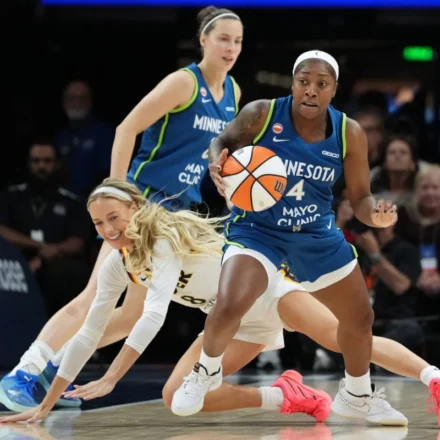





















































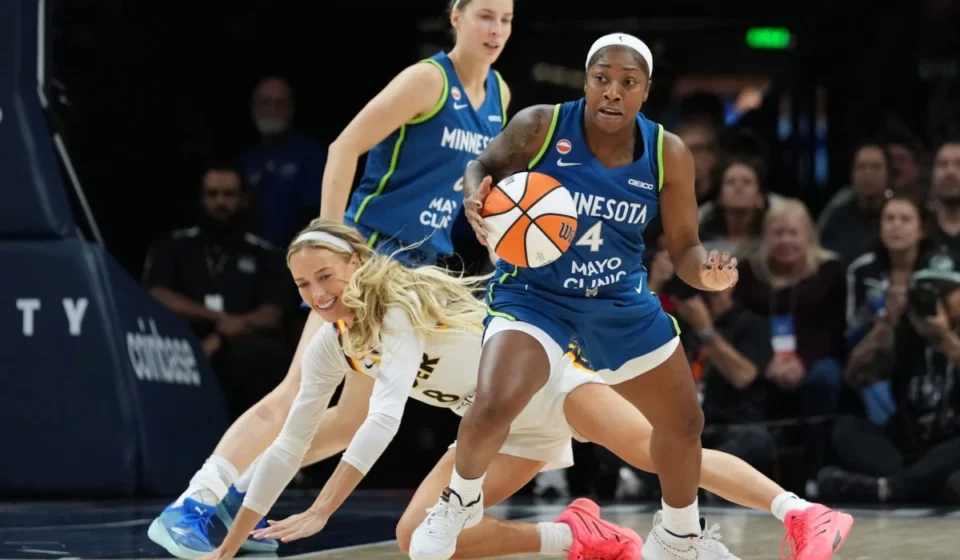

As the WNBA playoffs loom, the atmosphere surrounding the Minnesota Lynx is defined by a singular, persistent question: Is this team a championship-ready juggernaut, or a squad vulnerable to the inconsistencies that haunted their late-season stretch?
For a fan base that has enjoyed a front-row seat to one of the most successful franchises in professional sports history, the anxiety is palpable. It is a sentiment that reverberates from the neighborhood sports bars of Minneapolis to the upper rafters of the Target Center. As the Lynx prepare for a grueling postseason path, they find themselves in an unusual position—holding the top seed in the league while simultaneously wrestling with a narrative of uncertainty.
A Season of Two Tales: The Unbeatable vs. The Unraveling
To understand the current state of the Lynx, one must reconcile two wildly different versions of the team that appeared throughout the 2026 campaign. For a seven-week stretch in the heart of summer, the Lynx looked like a team destined for a fifth WNBA title. They operated with a surgical offensive efficiency that left opponents scrambling, rattling off 16 victories in a 17-game span. During this period, the “Lynx Way” appeared revitalized—a combination of veteran savvy and a high-octane attack that made them the clear team to beat.
However, the late-season reality proved more complex. Following the two-week FIBA World Cup break, the team hit a wall. A loss to the New York Liberty on September 18 served as the opening salvo of a four-loss-in-five-game skid, the team’s first extended funk of the season.
This downturn reached a nadir on Tuesday night in Indiana. In a performance that captain Napheesa Collier described as “embarrassing,” the Lynx were systematically dismantled by the Fever. The frustration was so profound that head coach Cheryl Reeve pulled her starters—including Collier, Kayla McBride, Natasha Howard, and Courtney Williams—midway through the second quarter, effectively forfeiting the game to send a message. It was a stark, jarring moment for a team that had spent the majority of the season occupying the penthouse of the league standings.
Chronology of a Clinch: From Stumble to Statement
The path to the No. 1 seed was far from a coronation; it was, in many ways, a retreat into the top spot. On Tuesday night, while the Lynx were busy being routed by Indiana, they were simultaneously waiting on the results of other games to secure their postseason positioning. They ultimately backed into the No. 1 seed only after the Golden State Valkyries fell in an overtime thriller against the Portland Fire.
The optics of clinching the top seed via another team’s loss, combined with their own blowout defeat, created a wave of skepticism among the league’s observers. Yet, the Lynx’s response to that adversity provides the most compelling evidence for their postseason viability.

On Thursday night, back at the Target Center for Fan Appreciation Night, the transformation was total. Faced with the same Indiana Fever squad that had embarrassed them 48 hours earlier, the Lynx played with a clinical intensity. Behind a blistering shooting performance from Kayla McBride, Minnesota surged to a 25-4 lead within the first eight minutes. They never looked back, eventually securing an 86-66 victory that saw the starters resting comfortably on the bench for the entire fourth quarter. It was a masterclass in psychological recovery, providing a necessary injection of confidence as the team transitions to the high-stakes environment of the playoffs.
Defensive Metrics: The Missing Link to the Title
While the offense has largely remained potent, the defensive end of the floor has been the source of the team’s most significant internal friction. Head coach Cheryl Reeve has long utilized a specific statistical benchmark to measure the team’s defensive identity: holding opponents to under 40% shooting. Historically, this has been the hallmark of a Lynx championship team. Since 2010, the franchise boasts an staggering 185-9 record when they hold their opponents under that threshold.
However, this season, that defensive steel has been inconsistent. Between June 28 and the final regular-season game, the Lynx hit that 40% benchmark only once—a testament to how much the team has relied on outscoring opponents rather than locking them down. Consequently, the Lynx have seen their defensive rating slip from the league’s top spot to fourth.
In the modern, high-scoring WNBA, this defensive regression is a concern for a team with title aspirations. Reeve has been candid about the difficulty of maintaining high-intensity defense while managing a roster with limited bench depth. As the minutes piled up for the core rotation, the ability to sustain a 40-minute defensive effort waned. For the Lynx to advance through the bracket, they must find a way to return to their roots: forcing difficult shots and controlling the glass when the game slows down in the postseason.
Home Court Advantage: A Statistical Anomaly
Perhaps the most baffling element of the 2026 Lynx season is their home-road split. Typically, elite teams are defined by their dominance in their own arena. Historically, championship-winning Lynx teams treated the Target Center like a fortress. In their four title seasons (2011, 2013, 2015, and 2017), the team maintained home winning percentages that were, at times, near-perfect.
This year, however, the home record sits at 15-7—a respectable mark in a vacuum, but one that falls short of the gold standard the organization has set for itself. More troubling is the nature of these losses; in four of their seven home defeats, the Lynx held fourth-quarter leads they were unable to protect. Contrast this with their road performance, where they went 18-4, setting a new WNBA record for road victories, and it becomes clear that the team’s identity this year is built on resilience away from home rather than dominance in front of their own fans.
The Cultural Shift: A New Era of WNBA Popularity
Despite the home-court struggles, the atmosphere at the Target Center has been electric. The 2026 season saw a record-breaking 19 crowds of over 10,000, signaling a permanent shift in the market’s relationship with the team. For the first time in franchise history, the upper level was opened for every game, not just high-profile matchups against stars like Caitlin Clark or Paige Bueckers.

This surge in attendance is part of a broader, league-wide movement. Coach Reeve has frequently compared the current influx of talent and interest to the 1979 NBA paradigm shift, when the arrivals of Magic Johnson and Larry Bird catalyzed the sport. The rivalry-fueled growth of the women’s game has pushed the WNBA into a new stratosphere of cultural relevance. Even with the Lynx’s average attendance of 12,351—a club record—they now face a reality where they are just one of many teams enjoying massive ticket demand, a sign of the league’s unprecedented parity and health.
The Road Ahead: The Liberty Rematch
As the playoffs tip off this Sunday, the Lynx (33-11) face a familiar and formidable foe: the New York Liberty (26-18). This first-round, best-of-three series is a direct rematch of the 2024 finals, a series defined by bitter competition and tactical adjustments. The Liberty hold a 2-1 season edge over Minnesota, including a victory on September 18 that saw the Lynx surrender a late-game lead.
The depth of the playoff field this year is perhaps the deepest in league history. Any of the eight seeds, in the eyes of many analysts and coaches, possesses the personnel to make a run to the finals. The Liberty, in particular, present a unique set of challenges, with the dual-threat scoring of Breanna Stewart and Sabrina Ionescu demanding a defensive effort that the Lynx have struggled to provide consistently over the last two months.
"I don’t think anybody should be surprised by any outcomes," Reeve remarked following the regular-season finale. Her words serve as a grounded warning to both her players and the fan base. In a league that has grown this talented and this competitive, the margin for error is razor-thin.
The Lynx enter the postseason with the top seed, the best road record in the league, and a renewed sense of focus following their emphatic response to the Indiana loss. Whether that will be enough to navigate a treacherous path to a fifth championship remains the ultimate test. They have the talent, the pedigree, and the home-court advantage. Now, they must prove they have the consistency to match their ambitions.