






















































The Silent Crisis: How a Mississippi Town Became the Epicenter of a Toxic Herbicide Controversy

By [Your Name/Journalist]
Mississippi River Basin Ag & Water Desk
WAYNESBORO, Miss. — In the quiet, forest-fringed expanses of Wayne County, Mississippi, the air carries a burden that residents are only beginning to quantify. Home to approximately 20,000 people, the county is characterized by its agricultural roots and deep-seated ties to the land. Yet, beneath the serene surface of this rural community lies an industrial reality that has placed Wayne County at the center of a national health firestorm: it is the primary processing hub for paraquat, one of the most toxic herbicides in existence.
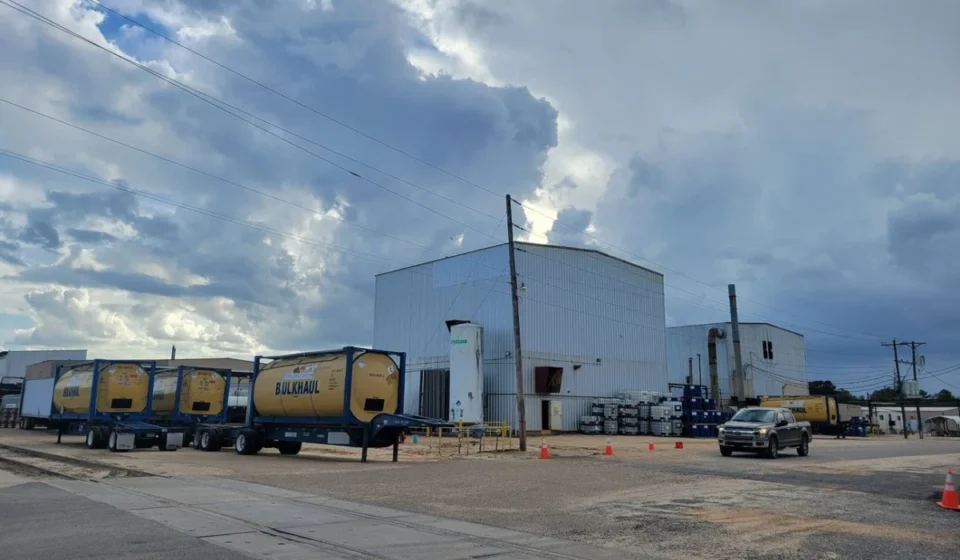
As the United States grapples with the fallout of industrial chemical reliance, Waynesboro stands as a haunting case study. The local Sipcam Agro plant, which processes paraquat, is now the nation’s single largest emitter of the substance. Simultaneously, Wayne County has reported Parkinson’s disease death rates that rank in the top 7% of all U.S. counties, a correlation that has ignited urgent questions about the environmental price of modern industrial agriculture.
The Science of a Silent Killer
Paraquat, technically known as paraquat dichloride and sold widely under the brand name Gramoxone, has been a staple of American industrial farming since the 1960s. Designed as a "broad-spectrum" herbicide, it acts with brutal efficiency: it destroys green plant tissue on contact, allowing massive agricultural tracts—particularly soy, corn, and cotton—to be cleared without the need for manual labor or mechanical tilling.
However, the chemical’s efficacy is matched by its lethality to human health. The Environmental Protection Agency (EPA) has long maintained a grim warning: "One sip can kill." Its toxicity is so absolute that it is a preferred method for suicide in many parts of the world, including Samoa, where it has been implicated in 70% of recorded self-harm deaths.
Beyond acute toxicity, long-term exposure is the primary concern for the residents of Wayne County. Scientific literature has repeatedly linked paraquat to the destruction of dopamine-producing neurons, a physiological precursor to Parkinson’s disease. Even more alarming, recent studies suggest that protective personal equipment (PPE) is often insufficient to prevent exposure, and the risk extends to those living in the shadow of processing facilities and near sprayed fields.
A Chronology of Chemical Dependence
The history of paraquat is a timeline of corporate expansion and regulatory hesitation.
- 1960s: Paraquat is introduced to the market by a predecessor of Syngenta. Early research by Imperial Chemical Industries allegedly identifies potential risks to brain tissue and the nervous system, a fact that would later become a cornerstone of massive class-action litigation.
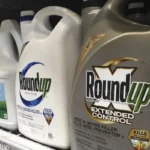
- 2006–2017: Driven by the rise of weed resistance to glyphosate (Roundup), the use of paraquat in the U.S. triples.
- 2018–2024: A period of intense scrutiny. Public health advocates and researchers publish data showing that people living within 1,600 feet of an application site face a 91% higher risk of developing Parkinson’s.
- 2023: Sipcam Agro assumes control of the Waynesboro, Mississippi facility. In a dramatic shift, reported airborne emissions of paraquat skyrocket to over 47,000 pounds.
- March 2026: Syngenta announces it will cease production of paraquat, citing market competition from generic manufacturers. However, this move does little to curb supply, as dozens of other facilities across the South and Midwest prepare to fill the void.
Supporting Data: The Cost of Exposure
The data surrounding the Waynesboro facility is particularly jarring. In 2023 and 2024, the plant released a combined 81,667 pounds of paraquat into the air. These are classified as "fugitive emissions"—unintentional leaks that occur during industrial processing.
To put this in perspective, the amount released in 2024 alone was comparable to the total volume used by California’s largest cotton producer, J.G. Boswell Co., across their entire statewide operations. While the Mississippi Department of Environmental Quality (MDEQ) regulates "hazardous air pollutants," paraquat is currently not designated as such under federal law. This regulatory loophole allows facilities to operate with little oversight regarding the volume of toxic mist or dust they release into surrounding neighborhoods.
The human toll is harder to track but no less devastating. In Mississippi, the mortality rate for Parkinson’s between 2018 and 2024 was 12.2 per 100,000 people. In Wayne County, that number jumped to 21.5. For residents like Jannette Holifield, whose husband worked at the local plant and died at 63, these numbers are not mere statistics—they are the faces of friends and family members lost to illnesses that many believe were entirely preventable.

Official Responses and Regulatory Gridlock
The stance of the EPA remains a subject of intense debate. While the agency has initiated reviews to "reassess" the safety of paraquat, it has yet to move toward a total ban, despite the chemical being prohibited in over 70 countries, including the entire European Union, China, and Brazil.
At the state level, the situation is equally complex. MDEQ officials have acknowledged that the Waynesboro facility is subject to an open enforcement action regarding air violations. However, the agency remains tight-lipped about the specifics, citing the ongoing nature of the investigation.
Meanwhile, the political landscape suggests a potential hardening of current policies. The introduction of language in the federal Farm Bill that would "pre-empt" state-level bans is a major point of contention. If passed, this would strip states like Illinois, Iowa, and New York of their ability to regulate pesticides more strictly than the federal government—essentially freezing the current, dangerous status quo in place.
"We’re very concerned that the House farm bill is set to strip states of their ability to adopt stronger protections," says Andi Fristedt, executive vice president with the Parkinson’s Foundation. "There are so many public health risks that we don’t understand, or that require really complicated solutions. This isn’t one of those."
The Implications: A Future at Risk
The implications of the paraquat crisis extend far beyond Mississippi. It highlights a recurring pattern in American industry: the placement of high-risk facilities in vulnerable, often lower-income, and minority communities. In Waynesboro, hundreds of Black households are situated within a one-mile radius of the Sipcam plant, bearing the disproportionate brunt of the toxic air emissions.
As the industry shifts from major players like Syngenta to smaller, regional distributors, the challenge of tracking and regulating paraquat becomes even more daunting. The "revolving door" between the chemical industry and government oversight agencies—exemplified by former industry lobbyists now holding positions within the U.S. Department of Agriculture—suggests that legislative change will not come easily.
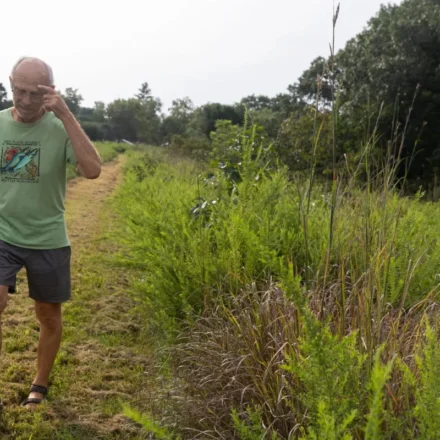
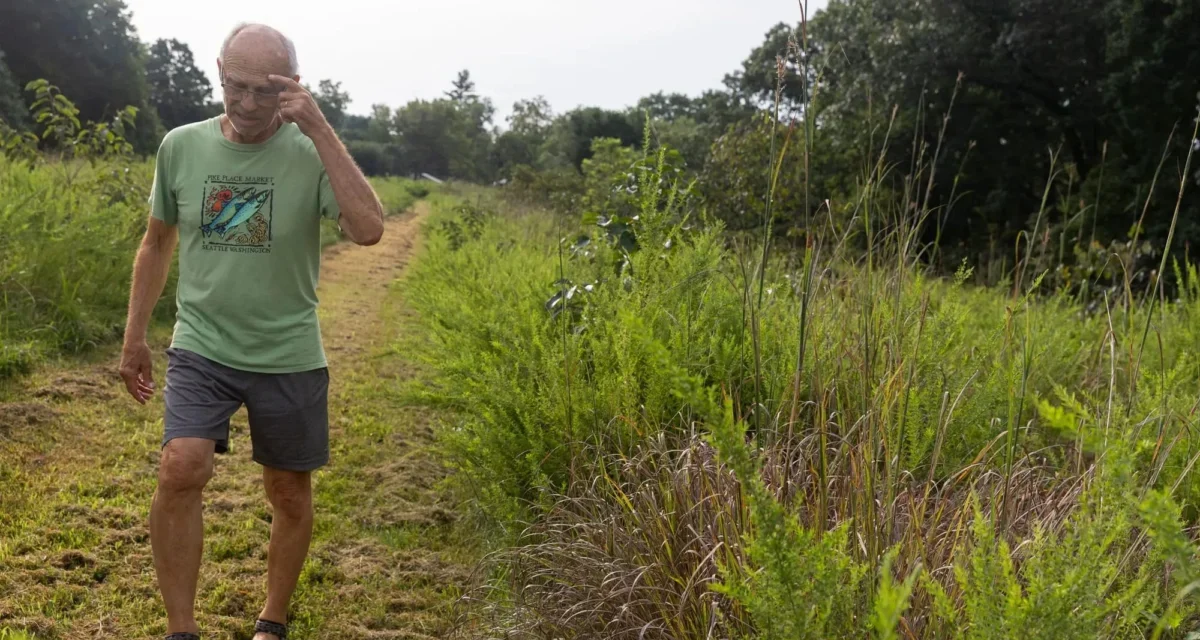
The personal testimony of Ashton Pearson Sr., a retired mechanical engineer and Parkinson’s patient, serves as a final, haunting indictment of the status quo. "There is absolutely no doubt in my mind that we’re all victims of our environment," he says. Pearson’s frustration is shared by many: he points out that if industries were required to install modern scrubbers and filters—the kind standard in other sectors—the toxic dispersion could be significantly mitigated.
Ultimately, the story of paraquat in Waynesboro is a story of a choice. It is a choice between agricultural convenience and human life. As the scientific consensus grows, and as more states push for individual bans, the pressure on the federal government to act is mounting. Whether that action comes in time to protect the residents of Wayne County, or whether the "fastest-growing neurodegenerative disease" continues to claim lives in the shadow of the factory, remains the defining question of this public health crisis.
For now, the people of Waynesboro continue to wait for a solution that seems, to many, to be years too late.