




















































The Echoes of Hue: Navigating the Intersection of Imperial Legacy, Colonial Shadows, and Modern Tourism

Huế, the former imperial capital of Vietnam, is a city defined by layers. To walk its streets is to navigate a complex historical tapestry where the opulent, gold-leafed aesthetics of the Nguyễn Dynasty collide with the stark, utilitarian remnants of French colonialism and the haunting, sun-bleached skeletons of 21st-century industrial ambition. As Vietnam experiences an unprecedented tourism surge—welcoming a record-breaking 21 million visitors in 2025 alone—Huế finds itself at a critical juncture: how does a city with such a heavy, storied past decide what to preserve, what to repurpose, and what to let fade into the jungle?
The Imperial Foundation and the Colonial Shift
To understand the architecture of modern Huế, one must first understand its dual heritage. For centuries, the city served as the beating heart of the Nguyễn Dynasty, the final imperial house of Vietnam. The city’s core is dominated by the Imperial City, a sprawling palace complex that acted as the seat of power from 1802 until the abdication of Emperor Bảo Đại in 1945.
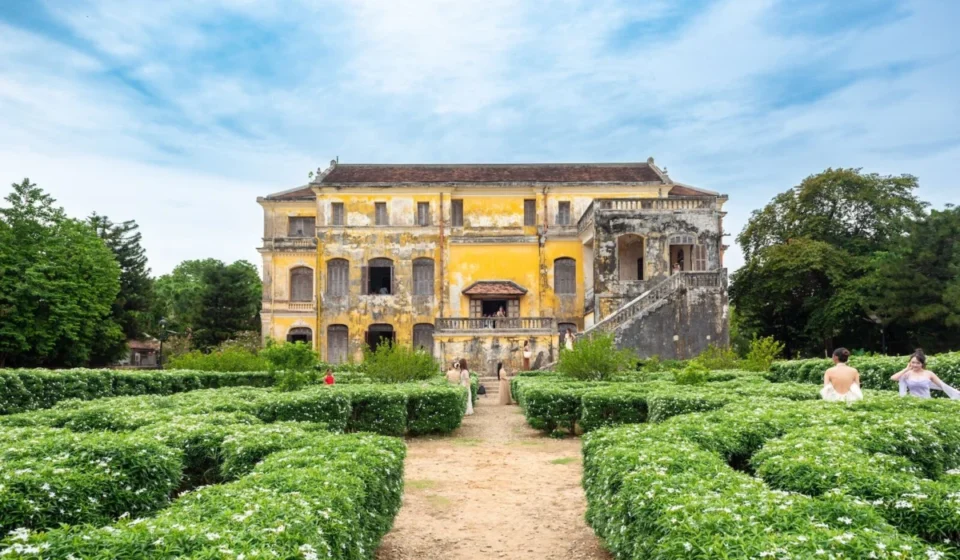
However, the city’s identity shifted irrevocably in the 1880s when the French established the Protectorate of Annam. The French colonial administration implemented a peculiar form of governance: they maintained the facade of the imperial court, keeping emperors on the throne as figureheads while real power resided with French administrators. This arrangement fostered a unique architectural hybridity. Grand, indigenous temple structures now sit alongside European-style villas, creating an urban landscape that is simultaneously Asian in spirit and Western in structural influence.
This era of dual rule created a complicated historical inheritance. Today, the city must grapple with how to treat these remnants. Should a building associated with a puppet emperor be restored to its former glory, or left to mirror the decay of the colonial period it represents? It is a question of identity that informs every conservation decision made by the city’s heritage managers today.
A Tale of Two Cities: The Mainstream and the Marginalized
While the mainstream tourism circuit in Huế is defined by the meticulous preservation of UNESCO-recognized pagodas, royal tombs, and the Citadel, there exists a parallel world just beneath the surface. This is the "other" Huế—a landscape of abandoned water parks, rusting industrial skeletons, and nearly forgotten arenas.
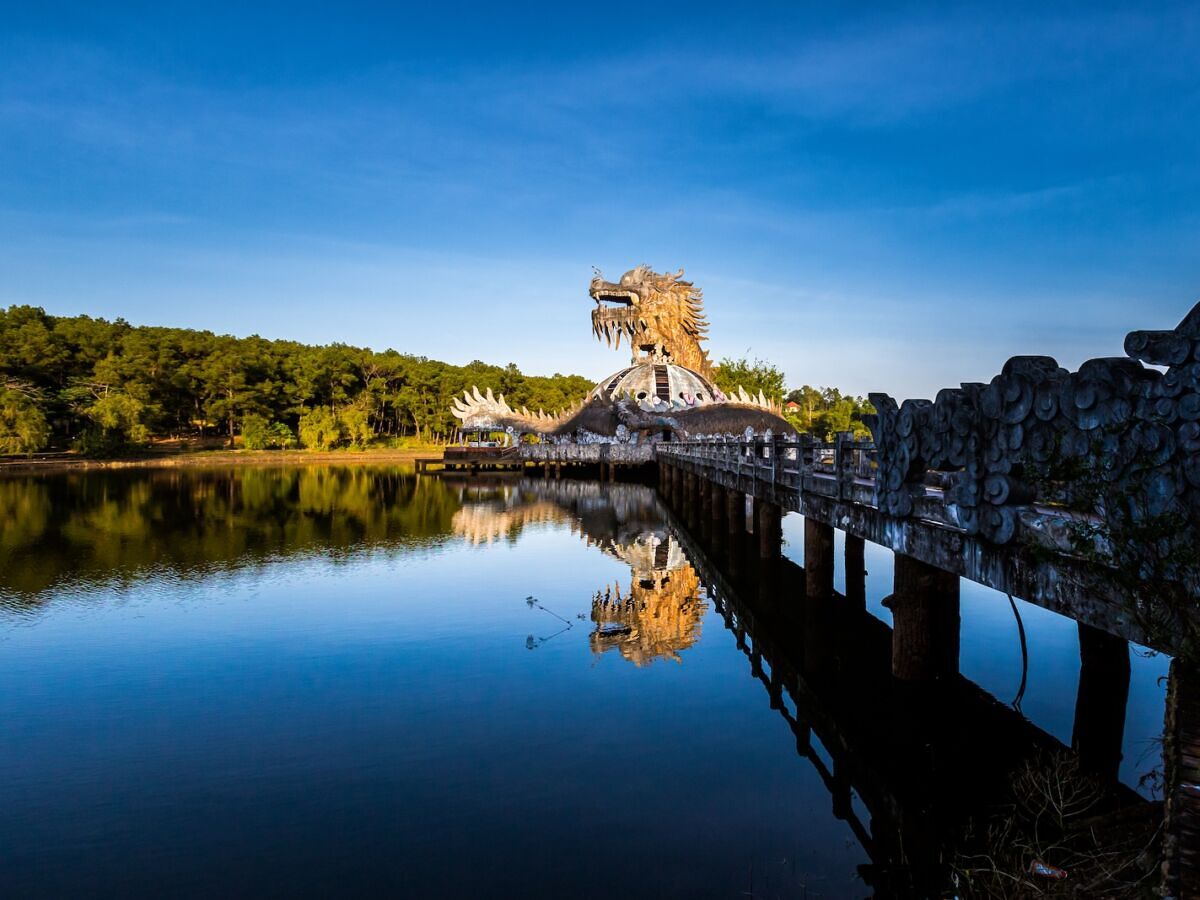
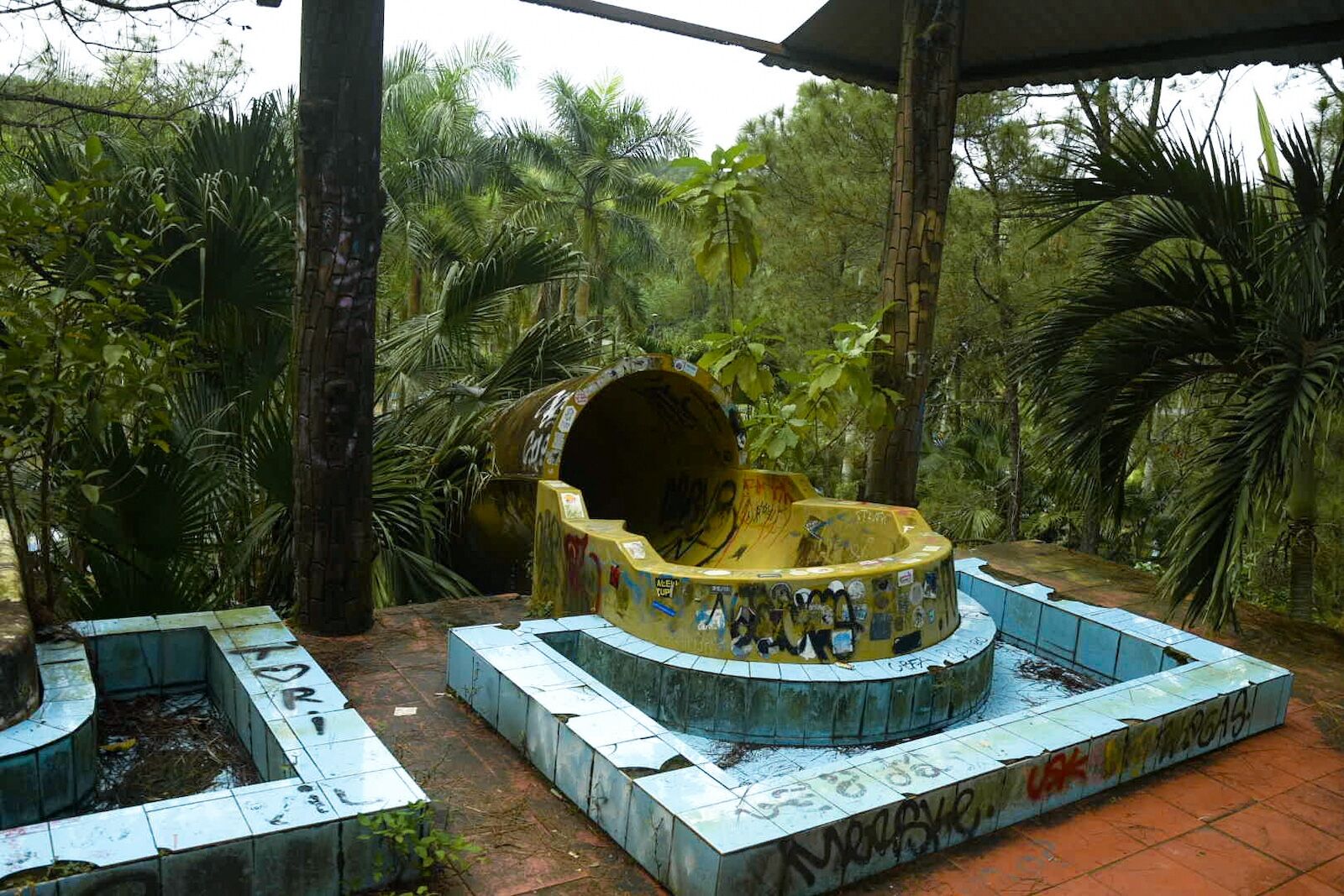
The most famous of these is the Hồ Thủy Tiên water park. Opened in 2004, the park was a failed commercial venture, shuttered by 2006. For nearly two decades, it sat in a state of suspended animation, a post-apocalyptic playground reclaimed by graffiti and jungle vines. Its most iconic feature—a massive, three-level dragon-shaped aquarium—became a viral sensation, drawing urban explorers from across the globe.
In a surprising pivot, the city authorities chose not to demolish the site. Instead, in 2025, the area was officially reopened as a community park. Managed by city workers, it now charges a modest entry fee of 10,000 VND (less than $1). By transforming an abandoned failure into a managed public space, Huế has successfully tapped into the "ruin-lust" of modern travelers while maintaining safety and order. It is a masterclass in adaptive reuse.
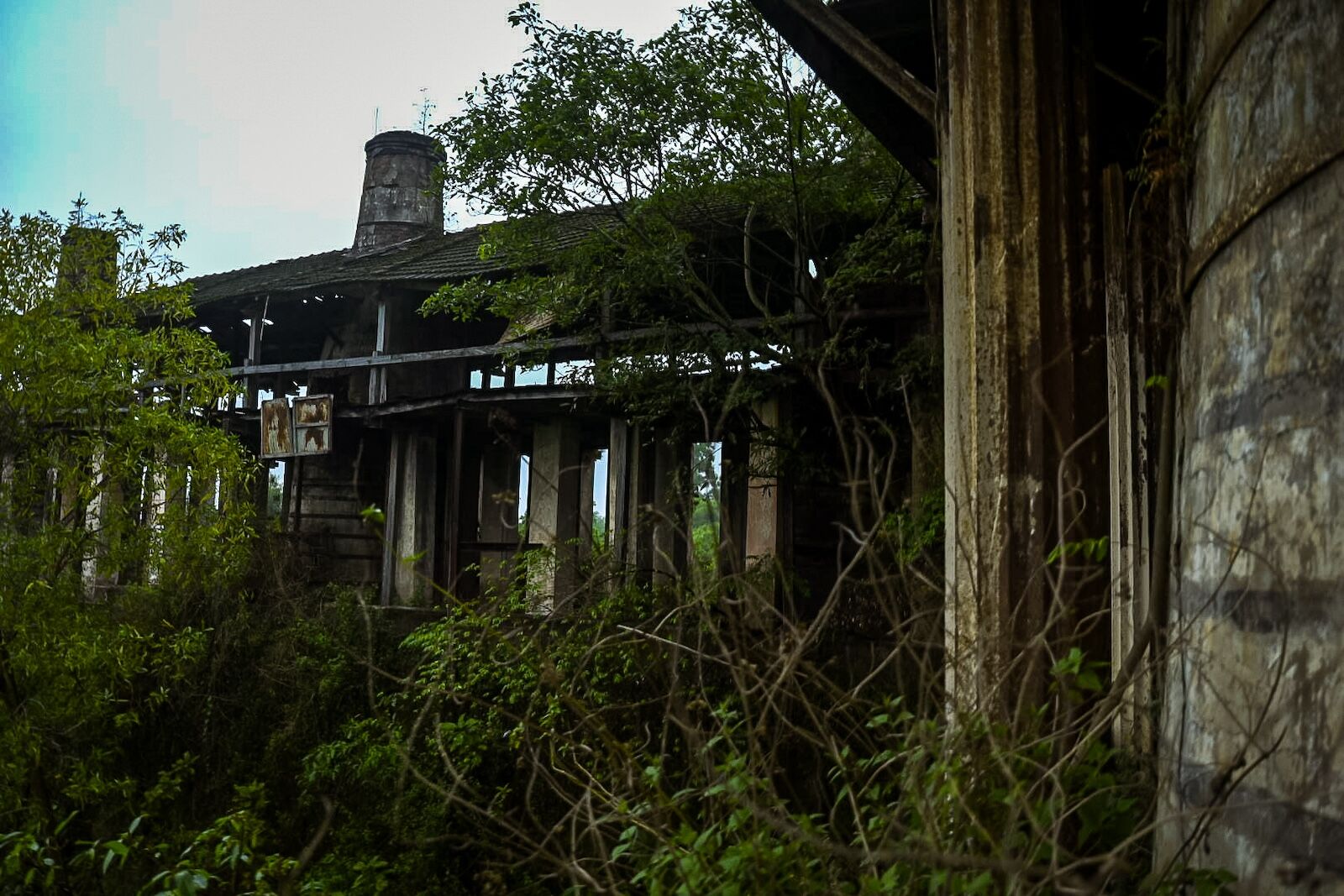
Contrasting this is the Long Thọ Cement Factory, a crumbling industrial relic that remains off-limits. While tourists view its skeletal structure from the roadside, the site represents the precarious nature of "unprotected" heritage. It serves as a stark reminder that in a rapidly developing economy, the path from industrial landmark to rubble is often only a single demolition permit away.
Chronology of Preservation: From Imperial Seat to Urban Expansion
The trajectory of Huế’s physical landscape can be categorized into three distinct eras:
- The Imperial Zenith (1802–1880): Construction of the Citadel, royal tombs, and the establishment of the Confucian administrative systems.
- The Colonial Transition (1880–1945): Introduction of French architectural styles (Art Deco, Indochine style) and the decline of absolute imperial authority.
- The Modern Paradox (1945–Present): A period marked by war damage, post-war neglect, and the current, intensive push toward systematic conservation and tourism-led urban development.
In the year 2000, there were roughly 240 French colonial structures still standing in the city. By 2025, that number had dwindled to 77. This sharp decline highlights the friction between the need for modern housing and infrastructure and the desire to protect the colonial aesthetic. In 2018, the city government released a list of 27 structures slated for formal protection, a move that drew sharp criticism from historians who argued that protecting a small percentage of buildings was, in effect, a "death warrant" for the rest.
Official Responses and the Economic Imperative
The Hue Monuments Conservation Centre (HMCC) is the primary body tasked with balancing these competing interests. In an official statement, the center emphasized that "conservation and development are not two opposing goals, but rather two parallel processes, in which conservation is always the foundation of sustainable development."
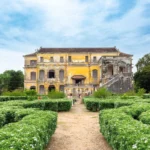
The city’s strategy is to treat conservation as an economic engine. By investing in the restoration of sites like the An Định Palace—which was meticulously restored by a German conservation team in 2002—the city creates "anchors" for the tourism economy. These sites provide cultural and economic value to surrounding communities, creating jobs in hospitality, transportation, and guided tourism.

Peter Pham, a local expert with Huế Private Excursions, highlights the shift in perception: "Foreign tourists are fascinated by the contrast between nature and the man-made structures. It is a hidden adventure. But more importantly, there is a growing realization that this is all part of our history, whether we like it or not. Protecting these structures creates educational opportunities for the next generation while boosting our tourism reach."
Implications: The Future of Heritage
The surge in tourism—with nearly 2 million visitors in the first quarter of 2026 alone—has provided the capital necessary for these ambitious conservation projects. However, it also brings the risk of "Disneyfication," where historical sites are sanitized for the comfort of mass tourism.
The challenge for Huế lies in the "wild-card" sites—the ones that don’t fit neatly into the narrative of imperial grandeur or colonial history. These include the Hổ Quyền arena, where elephants and tigers were once forced to fight in a symbolic display of imperial power over rebellion. These sites are morally complex and architecturally difficult to maintain. Yet, they represent the most authentic, unfiltered versions of history.

As the city continues to grow, the question remains: will the financial success of tourism allow for the preservation of the "forgotten" sites, or will the demand for modern development eventually erase them?
For the traveler, Huế offers a rare opportunity to witness this process in real-time. Whether it is the serene, monk-tended grounds of the Thien Mu Pagoda or the mist-choked, roofless villas of Bạch Mã National Park, the city asks us to look closely at what we choose to remember. The current, vibrant growth of the city suggests that Huế has learned a valuable lesson: history, even when it is decaying, is one of the most valuable assets a city can possess.
By choosing to embrace both the polished gold of the emperors and the cracked concrete of the industrial past, Huế is not just preserving buildings; it is preserving the full, messy, and fascinating truth of its own evolution. The city’s ability to navigate this tension will ultimately determine its legacy for the next century of visitors.