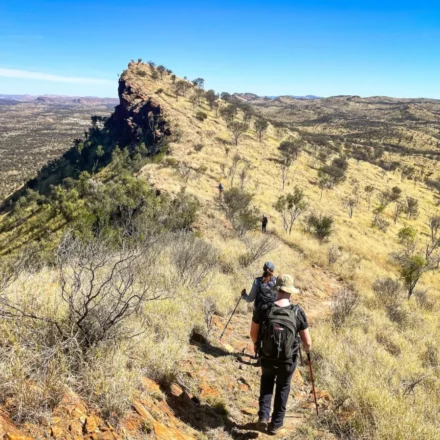





































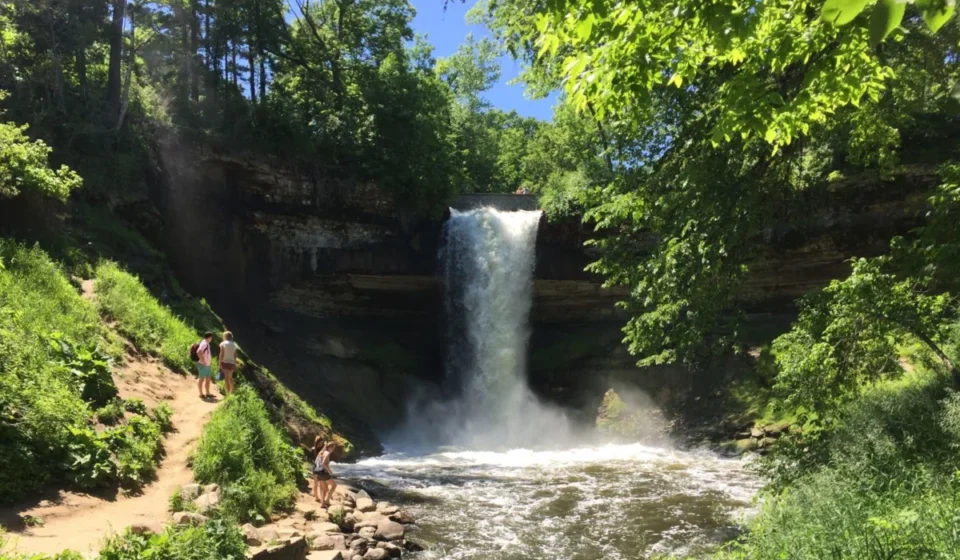

In an era defined by political polarization and social fragmentation, finding common ground among the American public is a rare feat. Yet, across the divide of red and blue states, a striking consensus has emerged: Americans love their parks. According to recent polling, nearly 90 percent of the population visited a public park or green space within the last year. This support transcends partisan lines, with 90 percent of Kamala Harris voters and 80 percent of Donald Trump voters identifying these spaces as critical infrastructure for their communities.
Despite this overwhelming popularity, municipal leaders are frequently tempted to view park budgets as "low-hanging fruit" when faced with fiscal deficits. A new report from the Trust for Public Land, however, suggests that treating parks as a luxury rather than a necessity is a fundamental economic miscalculation. The findings are clear: for every dollar invested in parks and recreation, communities reap a staggering $3 in annual economic benefits. As cities grapple with the pressures of housing demands, climate change, and public health crises, the humble city park is emerging as a surprisingly sophisticated solution to 21st-century urban challenges.
The Economic Multiplier: A $3 Return on Every Dollar
The economic argument for green space is no longer based on abstract beauty; it is backed by hard data. Will Klein, the director of parks research at the Trust for Public Land, argues that the "goodness" derived from these spaces translates directly into fiscal stability.
"People are healthier, they connect with each other, and they drive business activity," Klein explains. "When you invest in a park, you aren’t just planting grass. You are creating a hub for small business activity."
The economic benefits manifest in several ways:
- Property Value Appreciation: Homes located in proximity to well-maintained green spaces consistently command higher market values. This increased valuation expands the local tax base, providing cities with the revenue necessary to fund schools, emergency services, and infrastructure.
- Tourism and Foot Traffic: Major green spaces—from the iconic Central Park in New York to the newly developed Sunset Dunes in San Francisco—act as regional magnets. They draw visitors who, while in the area, frequent local cafes, boutiques, and transit hubs.
- The "Greenway" Effect: Large-scale projects, such as the 420-mile Florida Gulf Coast Trail, are designed specifically to stimulate regional economies. Projections indicate this single project will generate $200 million in economic activity in Sarasota County alone by catering to a growing market of eco-tourists and outdoor enthusiasts.
The Chronology of the "Third Place"
To understand the importance of parks today, one must look at their evolution as a "third place"—a social environment distinct from the home and the workplace. Throughout the 20th century, urban planning shifted toward car-centric design and private consumption. As commercial spaces became the primary venues for social interaction, the cost of being "in public" rose significantly.
In recent years, the tide has begun to turn. The COVID-19 pandemic served as a massive catalyst, forcing a societal reassessment of outdoor space. As indoor gatherings were restricted, parks became the only accessible venue for human connection. This period highlighted a systemic inequality: those without access to private backyards or recreation rooms relied entirely on public land for mental health and physical reprieve.
In the post-pandemic landscape, cities have begun to integrate parks into broader urban planning, moving away from the idea of "parks as decoration" and toward "parks as essential service." This shift is now meeting the intersection of the housing crisis. While traditional planning saw housing and green space as competing interests, modern urbanists are proving that high-density living and park access can be symbiotic. From "pocket gardens" squeezed into small urban lots to "agrihoods"—neighborhoods built around working farms—the definition of a park is expanding to meet modern demands.
Public Health: The $5.3 Trillion Question
The United States currently spends approximately $5.3 trillion annually on healthcare, with physical inactivity standing as a primary driver of chronic, preventable conditions like cardiovascular disease. The economic toll of this inactivity exceeds $200 billion per year.
The Trust for Public Land’s research highlights a critical shift in consumer behavior: public parks have overtaken private gyms as the preferred location for exercise, play, and recreation. Klein notes that the health savings associated with accessible park use are estimated at roughly $2,000 per person annually.
Beyond the physical, the mental health implications are profound. Research consistently demonstrates that exposure to greenery reduces cortisol levels and mitigates the symptoms of anxiety and depression. In a time when loneliness has been categorized as a public health crisis, parks provide a commerce-free zone where social cohesion is not only encouraged but inevitable. For the elderly or those on fixed incomes, these spaces offer a vital sanctuary to socialize without the prohibitive costs of a coffee shop or a membership-based club.
Resilience in an Era of Climate Chaos
Perhaps the most pragmatic, if overlooked, benefit of urban parks is their role in climate adaptation. As global temperatures rise, cities are becoming increasingly prone to "urban heat island" effects and extreme rainfall events. Our existing sewer systems were engineered for the weather patterns of the mid-20th century, not the deluge-heavy storms of the 2020s.
Parks act as natural sponges. By incorporating permeable surfaces and strategic vegetation, green spaces reduce the burden on municipal stormwater management systems. This provides a two-fold fiscal benefit:
- Lowered Infrastructure Costs: By capturing rainwater, parks prevent the total volume of runoff from overwhelming city treatment facilities.
- Flood Mitigation: By preventing local flooding, cities avoid the massive, recurring costs associated with property damage repair and emergency response in low-lying neighborhoods.
Official Responses and Policy Implications
Despite these findings, the path forward is not without friction. In cities like Minneapolis, where the local park board faces potential budget cuts, the tension between fiscal austerity and long-term investment is palpable.
Advocacy groups are now urging municipal leaders to move beyond short-term budget cycles. They argue that "discretionary" park spending is, in reality, "foundational" spending. When a city slashes a park budget, it may save pennies on the municipal balance sheet today, but it incurs dollars in hidden costs tomorrow—through increased healthcare expenditures, reduced property tax growth, and heightened vulnerability to climate-related disasters.
"Parks are actually one of these solutions hiding under the feet of all these local leaders," says Klein. The policy implication is clear: municipal governments must shift their accounting methods to reflect the "Return on Investment" (ROI) of public lands. By treating parks as infrastructure on par with bridges and roads, cities can unlock a more resilient, healthier, and more prosperous future.
Conclusion: Reclaiming the Public Realm
The evidence presented by the Trust for Public Land and other urban research organizations paints a definitive picture: the future of the American city is green. As we face the dual challenges of a changing climate and a fraying social fabric, the preservation and expansion of public parks serve as a unifying strategy.
We are entering a phase where the "success" of a city will not just be measured by the height of its skyline or the volume of its commerce, but by the accessibility and quality of its shared spaces. By prioritizing parks, local leaders can foster diverse, welcoming communities that are not only more pleasant to live in but are fundamentally more capable of weathering the storms—literal and figurative—of the coming decades.
The question for the next generation of urban planners and voters is no longer whether we can afford to maintain our parks, but rather, how we can afford not to. The data is in: the green space under our feet is the most reliable engine for local growth, health, and resilience we have. It is time to treat it as such.