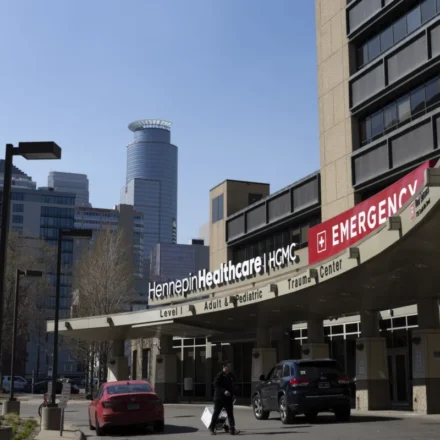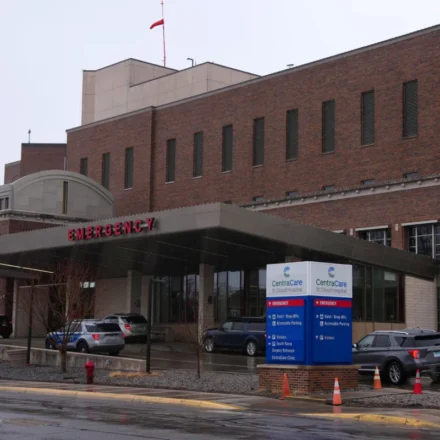















































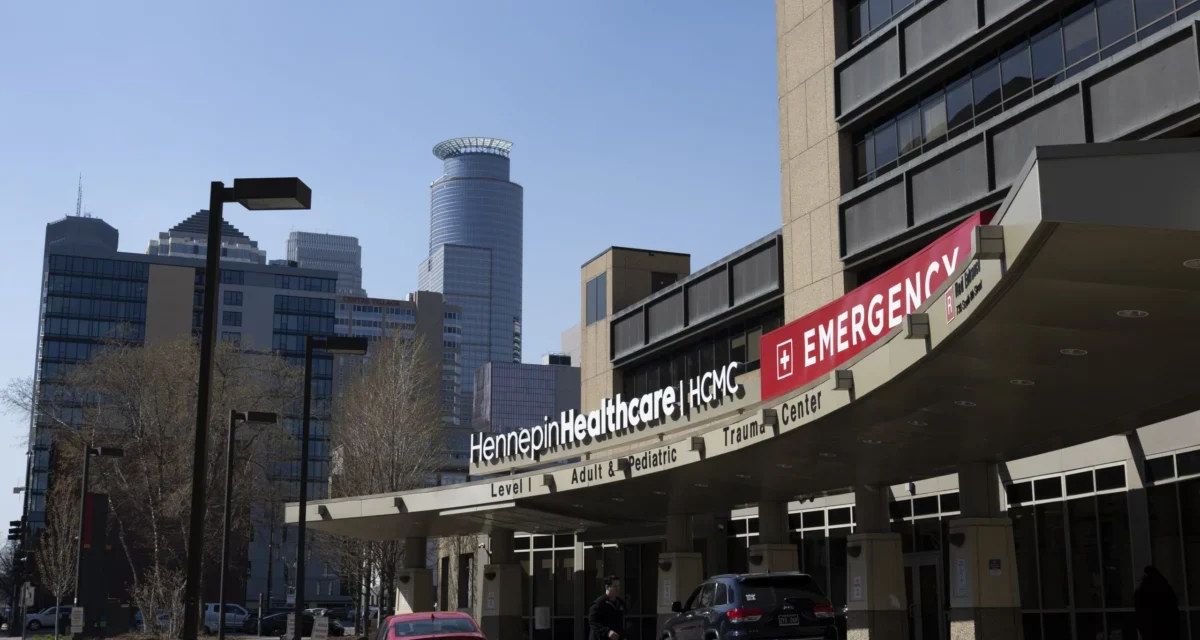





As the Minnesota legislative session barrels toward its May 18 adjournment, the clock is ticking for Hennepin County Medical Center (HCMC). Once a symbol of regional healthcare resilience, the state’s busiest Level 1 adult and pediatric trauma center is now the epicenter of a high-stakes legislative drama. With a projected $1.7 billion shortfall over the next decade and warnings of a potential closure beginning as early as June, lawmakers are scrambling to cobble together a lifeline that could redefine how Minnesota funds its essential safety-net hospitals.
The Impending Financial Precipice
HCMC is not merely a hospital; it is a critical safety net, providing essential care to patients regardless of their insurance status or ability to pay. However, the financial architecture supporting this mandate is crumbling. Projections presented to the Hennepin County Board’s budget committee in March paint a grim picture of the facility’s future.
The confluence of factors leading to this "Red Alert" status is multifaceted. A significant driver is the increasing volume of uninsured and publicly insured patients—a demographic that constitutes the majority of HCMC’s patient population. This burden is compounded by federal Medicaid cuts and a liquidity crisis sparked by the collapse of Minnesota-based health insurer UCare, which reportedly owes HCMC $115 million.
The stakes are existential. Hennepin County Commissioner Angela Conley has warned that if the state fails to intervene this session, the hospital could be forced to initiate a closure process in June—a complex and costly transition estimated to require $100 million just to unwind operations. The National Nurses United (NNU) union, representing the hospital’s workforce, has issued an urgent warning: the loss of HCMC would result in a "drastic, irreversible impact" on patient care throughout Minnesota and the broader Midwest.
Legislative Chronology: The Road to May 18
The path to the current legislative scramble has been defined by months of mounting anxiety and a recent, frantic effort to bridge partisan divides.
- Early 2026: Internal reports at HCMC and Hennepin County begin highlighting the widening gap between the cost of uncompensated care and available revenue streams.
- March 2026: The Hennepin County Board receives a formal briefing outlining the $1.7 billion decade-long deficit, signaling that the hospital’s current fiscal model is unsustainable.
- Early April 2026: As the gravity of the situation permeates the Capitol, a flurry of legislative proposals emerges. Rep. Esther Agbaje and Rep. Danny Nadeau introduce aggressive tax-based solutions in the House, while Sen. Ann Rest leads a more moderate charge in the Senate.
- April 21, 2026: National Nurses United officially places HCMC on "Red Alert," signaling a national-level concern regarding the potential collapse of a major urban trauma center.
- Late April 2026: The Senate Health and Human Services Committee passes a "shot in the arm" funding bill, moving the conversation toward a potential blend of one-time emergency relief and long-term tax adjustments.
The Tax Tug-of-War: Comparing the Solutions
At the heart of the debate are two competing tax bills, both of which seek to expand the 2007 Hennepin County sales tax—originally established to fund the Minnesota Twins’ Target Field.
The Senate Approach: A Moderate Path
Sen. Ann Rest (DFL-New Hope) has championed a proposal to increase the existing 0.15% sales tax to 0.25%. According to a Minnesota Department of Revenue analysis, this would generate roughly $84 million annually. Under this plan:
- $50 million is earmarked for HCMC.
- $21 million would be allocated to North Memorial in Robbinsdale to offset uncompensated care costs.
- $9 million would be diverted to ongoing Target Field improvements.
- $4 million would support county libraries and youth initiatives.
Senator Rest has defended the "regressive" nature of the tax as a necessary evil. "My bill is going to be regressive," she noted, "but I believe it is a burden that can be absorbed by everyone" to ensure the survival of the state’s most critical medical infrastructure.
The House Approach: An Aggressive Injection
In contrast, the House bill, co-authored by Rep. Esther Agbaje and Rep. Danny Nadeau, proposes a more significant 1% tax increase. This aggressive rate would generate an estimated $337 million annually. Under this framework:
- More than $300 million would be directed to HCMC.
- $24 million would go to North Memorial.
- $7 million would support the ballpark.
Rep. Nadeau has suggested, however, that the final rate remains a moving target, noting that the House remains in a state of flux and that the ultimate compromise will likely involve more than just a simple tax adjustment.
The "Shot in the Arm": One-Time Funding Proposals
Recognizing that systemic changes take time, the legislature is also debating a "bridge" to keep the hospital afloat. Sen. Melissa Wiklund (DFL-Bloomington) has authored a bill that would provide $300 million in one-time stabilization funding.
The breakdown of the Wiklund proposal includes:
- $150 million allocated specifically for HCMC.
- $114.8 million for a broader, statewide hospital stabilization fund, aimed at assisting other providers facing similar financial pressures.
Senator Wiklund emphasized that while this funding is essential, it cannot be the only solution. "I’ve been clear that one-time support alone won’t solve the underlying problem," Wiklund stated, noting that the combination of uncompensated care and looming federal Medicaid cuts necessitates a long-term structural overhaul.
Governance and Accountability
It is not merely a question of money; it is a question of management. Throughout the legislative process, a secondary conversation has bubbled up regarding HCMC’s internal governance and its historical financial track record. Rep. Danny Nadeau highlighted that lawmakers are not writing a "blank check." The debate includes discussions on how the hospital is governed and whether structural reforms are needed to prevent future crises.
A third legislative proposal currently gaining traction would pivot away from direct tax hikes to a system of redistribution. This bill would redirect a 1.56% hospital surcharge—currently funneled into the state’s general fund—directly to hospitals in financial distress. By allowing more profitable hospital systems to subsidize facilities like HCMC, the state could create a more self-sustaining internal ecosystem.
Implications for the Future of Healthcare
The potential closure of HCMC would represent a failure of the state’s healthcare safety net, with consequences that would ripple far beyond the Twin Cities.
The Patient Impact
For residents of Hennepin County, HCMC is the primary destination for emergency trauma, burn care, and complex surgical procedures. A reduction in services or a total closure would force patients to travel to other facilities, likely leading to overcrowding in suburban hospitals and significantly longer wait times for emergency responders.
The Workforce Crisis
The "Red Alert" status issued by the NNU underscores the professional strain on nurses and physicians. Constant financial uncertainty leads to high staff turnover, which in turn diminishes the quality of care. For the medical community, the current legislative session is a test of whether the state values its frontline workers enough to provide the financial stability required to retain them.
The Political Legacy
For the legislators involved, the outcome of this session will serve as a defining moment in their careers. Leaders like Rest, Wiklund, and Nadeau are betting that they can forge a bipartisan consensus that balances the fiscal burden on taxpayers with the moral imperative to support the vulnerable.
Conclusion: A Cautious Optimism
As the session moves into its final days, the mood in the Capitol is one of "cautious optimism." Despite the complexities of reconciling a $337 million House proposal with an $84 million Senate plan, there is a shared recognition that the status quo is not an option.
"Getting a bill on the table is really important," said Jeffrey Lunde, chair of the Hennepin Health Board. "People undersell that… but if you can’t get a bill on the table, you got nothing to work with."
While the details remain hazy, and the path to a final vote is fraught with procedural hurdles, the legislative commitment to prevent the closure of HCMC appears firm. For the patients who rely on the hospital and the staff who keep it running, the next few weeks will determine whether the state of Minnesota can bridge the divide between fiscal reality and the essential promise of accessible healthcare for all.