




















































Main Facts: A Record-Breaking Season for Biodiversity
In the heart of Chicago’s north side, a quiet revolution is taking root. What was once a niche interest for dedicated environmentalists has blossomed into a mainstream horticultural movement, as evidenced by the staggering success of the Kilbourn Park annual plant sale. This year, the event did more than just sell flowers; it signaled a fundamental shift in how urban and suburban residents view their relationship with the land.
Renee Costanzo, the Chicago Park District’s sole full-time employee at the Kilbourn Park greenhouse, oversees a massive operation. Throughout the winter and early spring, she manages the cultivation of over 15,000 plants, ranging from traditional vegetables to ornamental annuals. However, the most significant trend of the 2024 season was the overwhelming demand for native species—plants that evolved naturally in the Illinois landscape over thousands of years.
The numbers tell a story of explosive growth. Traditionally, the Kilbourn Park sale attracts roughly 1,100 attendees. This year, attendance more than doubled, with over 2,300 shoppers lining up around the park. These gardeners were not just looking for the standard "starter kit" of tomatoes and marigolds; they were hunting for milkweed, coneflowers, and native grasses. For the first time in the event’s history, nearly 20% of the inventory was dedicated exclusively to native species. This strategic pivot resulted in a record-breaking revenue of approximately $48,000, nearly doubling the park’s fundraising goals and paving the way for a new outdoor learning center.
Chronology: The Decades-Long Journey to the Mainstream
The current "native plant craze" did not happen overnight. It is the result of a forty-year evolution in ecological consciousness and horticultural availability.
In the early 1980s, native plants were largely dismissed by the general public and professional landscapers alike. They were frequently categorized as "weeds"—untidy, aggressive, and aesthetically inferior to the manicured lawns and exotic imports that defined the American suburban ideal. Neil Diboll, president of the Wisconsin-based Prairie Nursery, recalls a much different landscape when he began his career in 1982. At that time, his company grossed just over $13,000 annually.
"I’ve watched this for 44 years, from almost zero to now," Diboll noted. For decades, advocates for native plants struggled to find a market, often giving away seeds and seedlings just to encourage biodiversity. Throughout the 1990s and early 2000s, the movement remained localized within environmental non-profits and specialized botanical circles.
The turning point began roughly a decade ago, accelerated by a growing body of scientific research highlighting the "insect apocalypse" and the dramatic decline of pollinators. By 2017, the trend began to hit a vertical trajectory. Organizations like Wild Ones, which began as a small gardening club in Milwaukee nearly 50 years ago, saw their membership explode. What started as a local initiative has transformed into a national powerhouse with over 14,000 members across 107 chapters.
Today, the industry has reached a tipping point. In the last seven years alone, major suppliers like Prairie Moon Nursery have reported a 350% increase in sales. The movement has transitioned from a fringe hobby to a "long, steady climb" toward a new standard in American landscaping.
Supporting Data: Quantifying the Ecological Shift
The transition toward native gardening is backed by robust economic and biological data that illustrates the scale of the change.
Market Growth and Sales Volume
The commercial sector for native plants is currently experiencing unprecedented demand. Prairie Nursery is on track to ship approximately 500,000 plants this year, along with millions of seeds. Their 7% year-over-year increase in sales reflects a broader national trend. Similarly, the non-profit sector is moving massive volumes of inventory. In the previous year, Wild Ones facilitated the sale of 110,000 native plants through their chapter sales and distributed an additional 40,000 plants through various educational programs.
The Monarch Butterfly Proxy
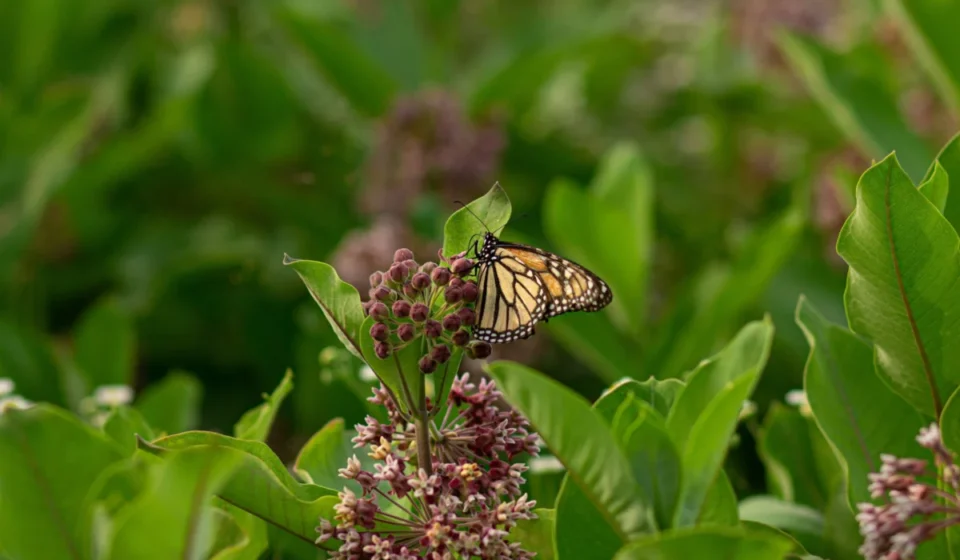
The demand for native species is often driven by "charismatic microfauna," most notably the Monarch butterfly. The caterpillars of the Monarch are specialists; they depend almost exclusively on native milkweed (Asclepias species) for survival. As industrial agriculture and suburban sprawl replaced milkweed with monocultured crops and turf grass, Monarch populations plummeted. Recent studies indicate that changing land-use patterns have led to significant declines in the eastern Monarch population. This ecological crisis has served as a primary motivator for home gardeners, who view planting milkweed as a tangible way to participate in conservation.
Climate Resilience Metrics
Native plants are increasingly viewed as a practical solution to the challenges posed by a changing climate. Unlike non-native ornamentals, indigenous species have deep root systems—sometimes extending 10 to 15 feet underground. These roots serve two critical functions:
- Carbon Sequestration: They store significant amounts of carbon deep in the soil.
- Stormwater Management: They create channels in the earth that allow soil to absorb water like a sponge, significantly reducing runoff and the risk of urban flooding during extreme rain events.
Official Responses: Insights from the Field
Experts and officials across the Midwest emphasize that the shift toward native plants is driven by a combination of ecological necessity and a desire for lower-maintenance landscapes.
Tiffany Jones, who leads habitat education for the National Wildlife Federation (NWF) in the Great Lakes region, argues that native plants are the key to resilient cities. "Native plants have been adapting to change for thousands of years," Jones said. "They need less water, less maintenance, and they’re incredibly resilient. They’re practical and beautiful." The NWF has been instrumental in promoting the "Garden for Wildlife" program, which encourages homeowners to replace traditional lawns with functional habitats.
At the local level, the Chicago Park District has recognized the need to adapt its greenhouse operations to meet consumer demand. Renee Costanzo’s decision to experiment with 30 different native species last November was a direct response to feedback from the community. "Just in the last five years, people have asked for more natives," Costanzo explained. Her role involves "coddling and loving" these seedlings for months to ensure they are robust enough for Chicago’s unpredictable spring weather.
The success of these initiatives often relies on a dedicated volunteer workforce. Lourdes Valenzuela, a retired schoolteacher and long-time volunteer with the Friends of Kilbourn Park Greenhouse, highlights the community aspect of this shift. "We’re not fighting against the climate here. We’re working with it," Valenzuela said. The $48,000 raised by the volunteer-led sale will be reinvested into the park’s infrastructure, including a new outdoor learning center, ensuring that the next generation of Chicagoans understands the value of local ecology.
Implications: The Future of the American Landscape
The surge in native plant popularity carries profound implications for urban planning, biodiversity, and the "Green Industry" at large.
Redefining Aesthetics
Perhaps the most significant implication is the shift in American aesthetic values. The traditional "golf course" lawn—green, short, and chemically dependent—is increasingly viewed as an ecological desert. In its place, a new "wilder" aesthetic is emerging. This look embraces seasonal changes, the presence of beneficial insects, and a diverse palette of textures and heights. As more homeowners adopt this style, the social stigma once associated with "weedy" yards is evaporating, replaced by a sense of pride in environmental stewardship.
Economic Opportunities and Supply Chain Challenges
The 350% increase in sales reported by nurseries like Prairie Moon suggests a massive economic opportunity, but it also presents challenges. The supply chain for native plants is complex; seeds must often be locally sourced to ensure "local ecotypes" (plants genetically adapted to a specific region). As demand continues to outstrip supply, there is a growing need for more specialized nurseries and trained horticulturalists who understand the unique germination requirements of native species, such as cold stratification.
Urban Heat Island Mitigation
For cities like Chicago, the widespread adoption of native plants is a matter of public health. Native trees and shrubs provide critical shade and transpiration, which helps mitigate the "urban heat island" effect—a phenomenon where cities experience significantly higher temperatures than surrounding rural areas due to concrete and asphalt. By integrating native plants into residential parkways and backyard gardens, cities can create a cooler, more livable environment.
Conclusion
The record-breaking sale at Kilbourn Park is a microcosm of a national movement. As Renee Costanzo and her team of volunteers prepare for future seasons, they are doing more than just selling plants; they are rebuilding a fragmented ecosystem, one backyard at a time. The transition of native plants from "dismissed weeds" to "flying off the shelves" represents a collective realization that the health of our local environment is inextricably linked to the plants we choose to grow. In the face of climate change and biodiversity loss, the humble native seedling has become a powerful symbol of hope and resilience.