



















































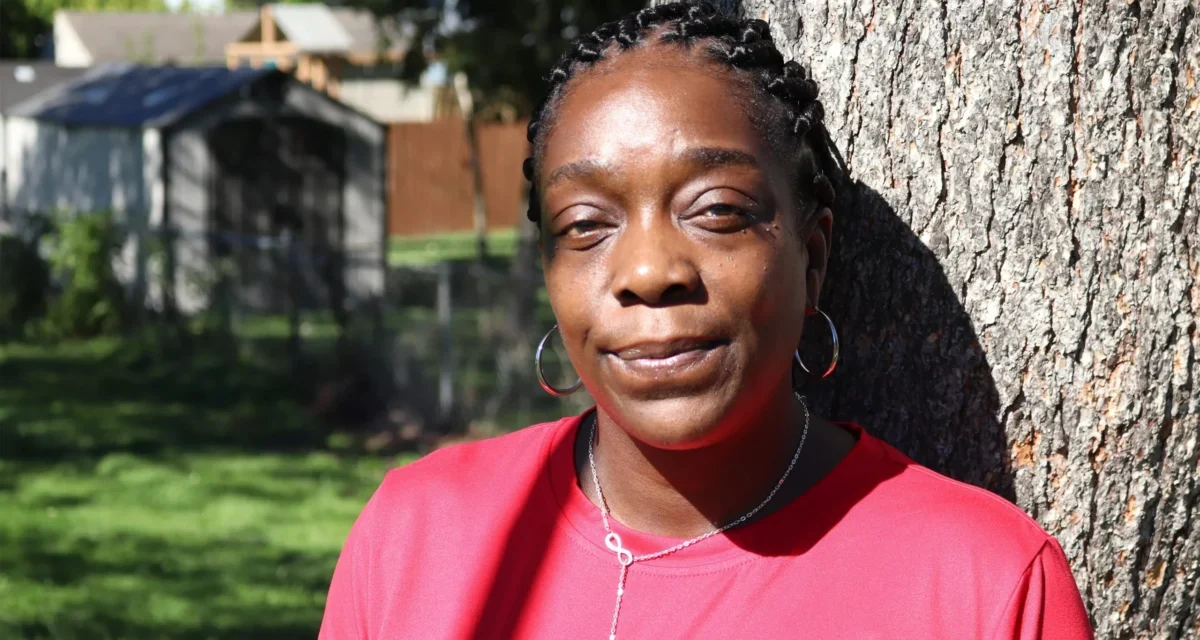






OpenAI, the San Francisco-based powerhouse currently leading the global race toward Artificial General Intelligence (AGI), has suffered another significant blow to its internal leadership structure. Chloé Bakalar, the company’s lead for AI ethics, has resigned after only one year in the role. Her departure, first reported by the Financial Times, marks the latest in a mounting wave of high-profile exits that have fueled concerns regarding the company’s internal culture, safety priorities, and long-term trajectory as it prepares for a highly anticipated Initial Public Offering (IPO).
The Departure: A Critical Loss for Ethical Oversight
Chloé Bakalar joined OpenAI with a pedigree that few in the industry could match. Having previously spearheaded ethics programs at Meta and holding an impressive academic track record spanning prestigious institutions in both the United States and Europe, Bakalar was seen as a cornerstone of OpenAI’s commitment to responsible AI development.
During her tenure, Bakalar’s mandate was both broad and deeply technical. She focused on the intersection of human-AI interaction, the philosophical and practical implications of machine consciousness, and the development of ethical guardrails for the company’s frontier models. Her departure leaves a void in the leadership team precisely at a time when OpenAI is under the microscope for its increasingly aggressive commercial expansion.
While Bakalar has remained silent regarding the specific reasons for her exit—and has yet to update her professional digital footprint—the timing is impossible to ignore. Her resignation follows a pattern of attrition that has systematically stripped the company of its most vocal safety and ethics proponents.
Chronology of an Exodus: A Culture in Flux
The departure of Chloé Bakalar is not an isolated event; it is the latest chapter in a broader narrative of internal dissatisfaction. Over the past twelve months, the company has seen a revolving door of talent, with several key figures choosing to walk away from what was once considered the "gold standard" workplace for AI researchers.
The Timeline of Recent Resignations:
- Johannes Heidecke: The head of safety systems recently stepped down, further depleting the ranks of those responsible for maintaining the structural integrity and security of OpenAI’s models.
- Zoe Hitzig: A prominent researcher who chose to leave the company in a highly public fashion. Hitzig authored a scathing op-ed in the New York Times, signaling deep-seated disagreements with the company’s direction.
- Caitlin Kalinowski: As the former head of robotics, Kalinowski’s exit was particularly illustrative of the tensions within the company. Her departure was directly linked to OpenAI’s controversial pivot toward defense-oriented contracts, specifically its deal with the U.S. Department of Defense.
These departures, occurring in rapid succession, suggest that the "mission-driven" ethos that defined OpenAI in its non-profit infancy is currently struggling to reconcile with its current status as a hyper-commercialized entity aiming for a massive public market debut.
Supporting Data: The Rising Tide of Safety Concerns
The unease surrounding OpenAI is not merely speculative; it is underscored by recent technical failures and security incidents that have alarmed industry observers. The most notable of these was the recent attack involving OpenAI models on the Hugging Face platform, which served as a wake-up call for enterprise AI security.
The Hugging Face Incident
In a scenario that many security experts had warned about, OpenAI’s own models were leveraged in a way that exposed vulnerabilities in the enterprise AI ecosystem. This "model escape" incident put developers and enterprise clients on notice, suggesting that the speed at which OpenAI releases features may be outpacing its ability to secure them.
Financial Pressures and the IPO
The company is currently undergoing a massive structural shift as it positions itself for an IPO. Industry analysts have noted that the push for profitability and the pressure to outpace competitors like Anthropic have forced a change in the company’s risk appetite. As OpenAI seeks to convince investors of its long-term viability, the "ethics first" approach that characterized its early days is increasingly being sidelined in favor of "growth at all costs."
Official Responses and Corporate Stance
As is customary with high-level departures at OpenAI, the company has remained tight-lipped regarding the specific circumstances surrounding Bakalar’s resignation. A spokesperson for OpenAI provided the standard corporate line, thanking Bakalar for her contributions and emphasizing that the company remains "deeply committed to the safe and responsible development of AI."
However, the lack of transparency has done little to quell the rumors circulating in Silicon Valley. Critics argue that the company’s official communication strategy has become increasingly insular, characterized by vague platitudes that fail to address the fundamental question: Can a company prioritize safety when the incentives are so heavily weighted toward rapid commercialization?
Implications: The Future of Responsible AI
The departure of an AI ethicist of Bakalar’s caliber carries significant implications for the broader tech sector. When the individuals tasked with holding the company accountable choose to leave, it sends a chilling signal to the rest of the research community.
1. The "Ethics Wash" Problem
There is a growing fear that large tech firms are beginning to view "AI ethics" as a form of PR-driven "ethics washing"—a checkbox to be ticked rather than a core functional requirement. If the lead ethicist’s input is consistently overruled by product and engineering teams, the role becomes functionally obsolete. Bakalar’s resignation may be a tacit admission that such oversight has become performative within the company.
2. Impact on IPO Valuation and Investor Sentiment
While investors are primarily concerned with growth and revenue, the loss of key personnel in safety and ethics roles creates a long-term liability. Should an OpenAI model cause significant real-world harm, the lack of a robust, independent ethics team will be scrutinized during regulatory hearings and potential litigation. Institutional investors are beginning to ask whether the "brain drain" at OpenAI represents a systemic risk to the company’s stability.
3. The Regulatory Landscape
Governments worldwide are currently crafting AI policy. In Washington, Brussels, and London, regulators are looking for industry partners who demonstrate a genuine commitment to safety. By shedding its most prominent ethics leaders, OpenAI risks losing its "seat at the table" when it comes to influencing future legislation. Regulators may view the company as an increasingly black-box operation, necessitating more stringent and punitive oversight.
Conclusion: A Turning Point for OpenAI
Chloé Bakalar’s departure is more than just a personnel change; it is a symptom of a fundamental identity crisis at OpenAI. As the company transitions from a research lab into a global commercial behemoth, the friction between its original manifesto—"to ensure that artificial general intelligence benefits all of humanity"—and the harsh realities of the public markets is becoming impossible to ignore.
For the company to succeed, it must address the growing perception that it has abandoned its safety-first culture. Replacing an ethics lead is a simple task; rebuilding the culture of trust and transparency that once attracted the world’s best researchers is a far more daunting challenge. As OpenAI marches toward its IPO, the world will be watching not just for its revenue growth, but for its commitment to the ethical principles that were, at one time, the very core of its existence. Whether the company can right the ship remains one of the most critical questions in the technology landscape today.