
























































The Silicon Stand-Off: How Minnesota’s Judicial System Became the Last Line of Defense Against Data Centers

Across the sprawling, sun-drenched fields of southeastern Minnesota, the hum of heavy machinery was supposed to have replaced the quiet rustle of corn and soy by mid-summer. In Pine Island, the local government and private developers had finalized plans to transform hundreds of acres of farmland into a "hyperscale" data center—a massive facility intended to house the server infrastructure for one of the world’s most powerful technology giants, Google.
For the developers, the timeline was clear: July marked the commencement of construction. For the town’s leadership, it was a moment of economic validation. But as the month came and went, the shovels remained idle. The massive project, which promised to bring high-tech infrastructure to a quiet rural corridor, now sits "stuck in the mud"—not by a failure of engineering, but by the decisive stroke of a pen from a Goodhue County judge.
The situation in Pine Island is not an isolated anomaly. It is the focal point of a burgeoning, statewide movement that has transformed data center development from a matter of routine municipal planning into a high-stakes litmus test for political candidates and a contentious battleground in the courts. As the digital infrastructure requirements of artificial intelligence (AI) continue to skyrocket, the friction between Big Tech’s expansionist ambitions and the rights of local communities has reached a boiling point.
The Main Facts: A New Front in the Land-Use Wars
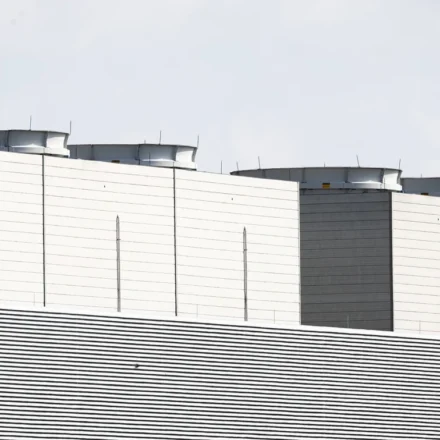
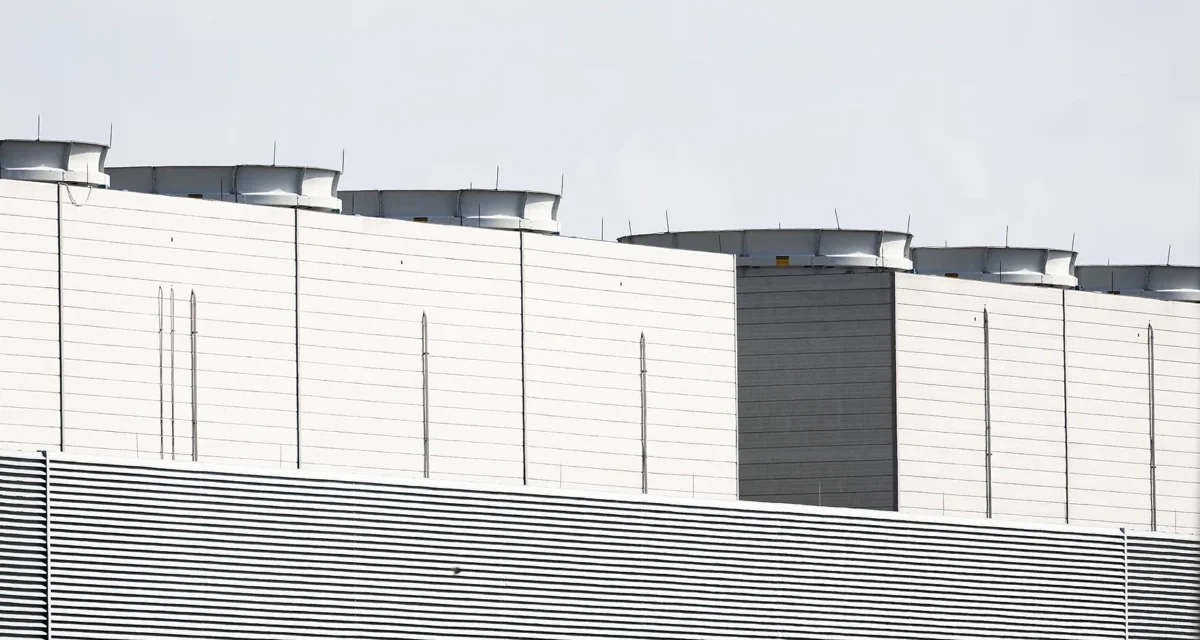
The core of the conflict lies in the tension between rapid industrialization and local oversight. Data centers, which function as the physical bedrock of the cloud and AI processing, are characterized by immense land footprints, gargantuan water requirements for cooling, and a massive draw on regional electrical grids.

In Minnesota, the proposed projects—backed by tech behemoths like Google, Meta, and Microsoft—are often met with skepticism by residents who argue that these facilities provide little in the way of permanent local jobs while placing a heavy burden on local infrastructure and the environment.
The legal strategy employed by opponents has been multifaceted. Plaintiffs, often supported by organizations like the Minnesota Center for Environmental Advocacy (MCEA), argue that municipalities have engaged in "fast-tracking" these projects, often utilizing non-disclosure agreements (NDAs) to keep the public in the dark until the final stages of approval. Allegations in active lawsuits range from inadequate environmental impact reviews and the withholding of public records to claims that local councils violated open-meeting laws by discussing critical project details in secret.
A Chronology of Escalation: From Town Halls to Courtrooms
The movement did not begin in the courtroom. It began in the community halls of townships like Hermantown, Faribault, and Pine Island.
- The Early Mobilization (2025): As developers began scouting locations, local officials across Minnesota signed NDAs, effectively silencing public discourse before it could begin. Residents, kept in the dark, were caught off guard when large-scale development plans suddenly surfaced in their backyards.
- The Legislative Attempt (Spring 2026): Seeing the tide of development, citizens turned to the State Capitol. However, legislative efforts to implement moratoriums and increase transparency requirements for data centers stalled, leaving residents with no recourse at the state level.
- The Judicial Pivot (Summer 2026): With the legislative path blocked and municipal governments seemingly unified with developers, opponents turned to the judiciary. The MCEA and local coalitions began filing for injunctions.
- The Pine Island Injunction (July 2026): A Goodhue County judge issued a stay on the Pine Island project, ruling that proceeding without a proper, transparent environmental review would cause "irreparable harm" to the local landscape and community interests. This served as a watershed moment, emboldening other opposition groups.
- The Faribault Precedent: In a separate victory, the Minnesota Court of Appeals sided with the MCEA, ruling that the city of Faribault had failed to conduct a sufficiently rigorous environmental review, forcing the city to reset its regulatory process and consider a new framework for environmental standards.
Supporting Data and the Cost of Resistance
The battle is not merely ideological; it is a war of attrition. For resident activists, the financial burden of challenging a multi-billion-dollar tech company is staggering.

"We’re the smallest town in the state fighting this, and it’s a small nonprofit that’s putting you in your place," said Aubree Derksen, a Pine Island resident and vocal activist.
However, the cost of legal representation is the Achilles’ heel of the movement. During a recent meeting of "Stop the Hermantown Data Center," organizers emphasized that the legal battle is a "resource-heavy endeavor." Unlike the tech giants, who can absorb the costs of litigation as a minor operational expense—or simply walk away from a site if the resistance becomes too costly—local community groups operate on shoestring budgets.
The data indicates that the "fast-track" model preferred by developers is becoming increasingly risky. When cities bypass rigorous environmental impact assessments to meet the "lightning speed" demands of companies like Google or Meta, they leave themselves vulnerable to the very court orders that are currently stalling construction across the state.
Official Responses and Municipal Passivity
The response from local government officials has been, for the most part, one of strategic silence. City administrators, when pressed for comment on the litigation, consistently cite "pending legal matters" as a reason to decline interviews.

However, observers like Sam Temple, a candidate for the Rice County Board, argue that the root cause of this conflict is not necessarily malicious intent or corruption, but rather "administrative passivity."
"What the court ruling has shown, specifically at the city level… is not corruption, it is simply passivity," Temple noted. "Elected officials are failing to be proactive. They aren’t setting standards for water usage, power draw, or environmental impact before these companies arrive. They are waiting for the developers to tell them what the rules should be."
Some cities, following court-ordered setbacks, are finally beginning to pivot. Faribault, for example, is currently in the process of drafting new, comprehensive standards for data centers, covering everything from emission caps to electric grid sustainability. It is an acknowledgment that the "easy win" era of data center development in Minnesota has come to a close.
Implications: The Judicial Branch as the New Arbiter
The shift of the data center debate into the judicial system carries profound implications for Minnesota’s future.

1. The Erosion of Faith in Local Government
The fact that residents feel compelled to sue their own city councils is a symptom of a deeper crisis in local governance. When citizens feel their elected representatives have been "captured" by the interests of Big Tech, the courtroom becomes the only venue where they feel their voices are being heard.
2. A New Blueprint for Opposition
The legal victories in Pine Island and Faribault have provided a "how-to" guide for other communities. The focus on environmental review failures and open-meeting violations is a replicable strategy. It has transformed the movement from a disorganized outcry into a calculated, legally backed resistance.
3. The "Litmus Test" for Future Politics
As the fall elections approach, the data center issue is becoming a defining feature of political discourse in Minnesota. Candidates who ignore the growing public demand for transparency and regulation risk alienating voters who are increasingly sensitive to the environmental and social impacts of AI infrastructure.
4. A National Trend
Minnesota is merely a microcosm of a national phenomenon. As Meta, Google, and Microsoft compete for the mantle of the "AI overlords," they are encountering similar local resistance in every state where they seek to establish hyperscale operations. The Minnesota rulings may set a precedent for how other states handle the tension between the global demand for AI power and the local demand for land preservation.

Conclusion: The Long Road Ahead
For residents like Paul Fish, who lives within sight of the transmission lines serving the proposed Hermantown facility, the legal battles are far from over. There is a sobering understanding that the courtroom is an imperfect tool—it is slow, expensive, and provides no guarantee of a permanent victory.
"For a citizens group to have the resources to fight Google off? (Google) could walk away from this whole thing and write it off," Fish said.
While the judiciary has successfully provided a "slow down" button, it has not yet provided a permanent resolution. The question of how much power Big Tech should wield over local land-use policy remains unanswered. As these cases wind through the appellate courts, the people of Minnesota are learning that while they may not have the budget of a Silicon Valley giant, they have something that is proving just as effective: the ability to force a pause, demand an answer, and ensure that the digital future does not arrive at the expense of the rural present.
For now, the shovels in Pine Island remain in the shed. The fields are still green. And in the quiet halls of Minnesota’s courthouses, the struggle to define the boundaries of modern progress continues.