











































Shadows in the Classroom: How a Federal Immigration Surge is Reshaping Minnesota’s Schools

In the quiet corridors of Minnesota’s public schools, the echoes of the COVID-19 pandemic have been replaced by a new, more pointed anxiety. Four years ago, the entire educational system pivoted to remote learning in a collective, desperate search for connection. Today, thousands of federal agents are patrolling Minnesota’s neighborhoods, targeting bus stops, day care centers, and school perimeters in an immigration enforcement campaign that has forced school districts to revive emergency remote options.
Unlike the uniform mandates of 2020, the current landscape is fragmented and precarious. In districts across the Twin Cities, attendance is no longer a matter of illness, but of survival. Teachers are finding themselves on the front lines of an escalating humanitarian crisis, improvising curriculum for students who are physically present one day and in hiding the next.
A Crisis of Access: The Data of Disparity
The impact of this federal presence is not distributed equally. Educators report a stark, deepening divide in classroom participation, one that mirrors historic patterns of systemic inequity.
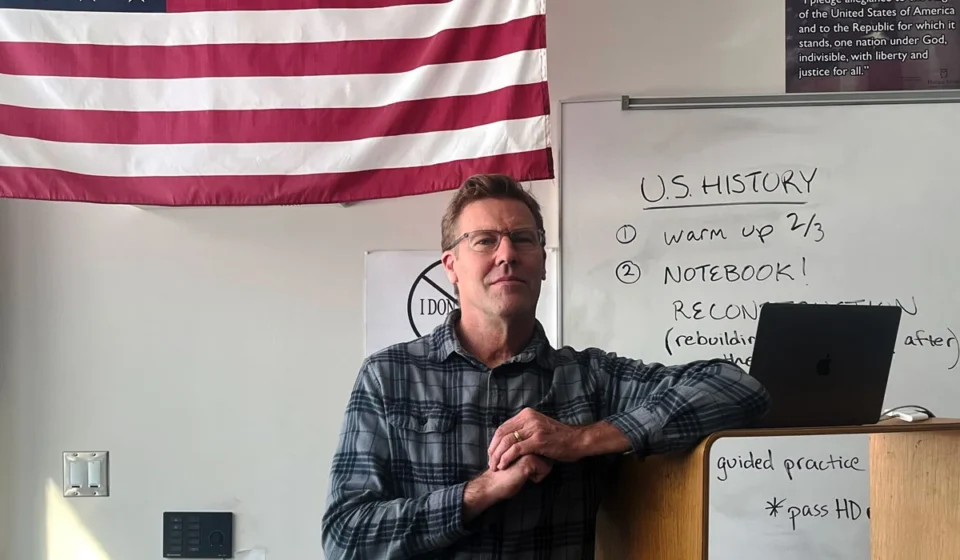
Eric Erickson, a 31-year veteran at St. Paul’s Como High School, offers a window into this chasm. In his advanced, university-level government courses, attendance remains relatively steady at 95%. However, in his U.S. history classes—often co-taught with English-language learner instructors—attendance has plummeted to roughly 30%.
“The students who are not here tend to be students with brown and black skin,” Erickson observes. “In many ways, this division along race and ethnicity makes this version of virtual learning feel a lot more like battles we thought we had overcome in the Civil Rights Movement.”
For these students, the classroom is no longer a shared space of intellectual growth. Instead, they live in isolation, connected to their peers only through the thin, mediated threads of social media. While teachers continue to push lessons and digital assignments to these homes, the consensus among staff is grim: there is no substitute for the live, face-to-face interaction that defines a quality education.
Chronology of a Mounting Emergency
The current situation is the culmination of a nine-week escalation of federal activity in the Twin Cities.
- Early Winter 2026: Federal immigration enforcement activity began to ramp up across the Minneapolis-St. Paul metro area, targeting transit hubs and community centers.
- January 7, 2026: The tension reached a breaking point following the fatal shooting of Renee Good, an incident that galvanized student movements and led to widespread school closures across Minneapolis for two days.
- January 14, 2026: Despite concerns from school administrators regarding safety, students from across the city—public, private, and charter alike—organized a massive, peaceful walkout to the state Capitol to protest the federal presence and demand the protection of their classmates.
- February 2026: As the ninth week of the surge commences, Minnesota school districts and the state’s teachers union have formally filed a lawsuit against the federal government, alleging that the targeting of educational spaces constitutes an unlawful overreach that denies children their right to a safe learning environment.
The Classroom Experience: Two Perspectives
The experience of the "emergency" is vastly different depending on the school’s demographics and community support systems.
The Montessori Model: John Horton
John Horton, a teacher at the Barack and Michelle Obama Montessori school, describes a community that has "moved mountains" to maintain a semblance of normalcy. In his 18th year, he has managed to keep all 28 of his first, second, and third graders in the classroom daily.
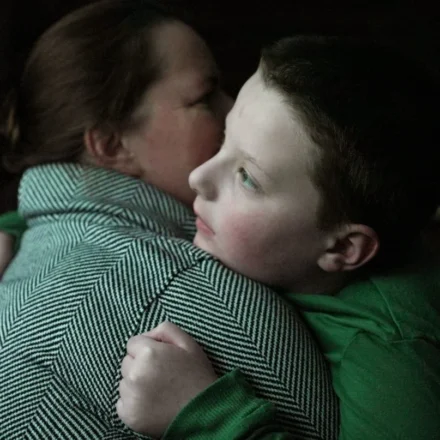
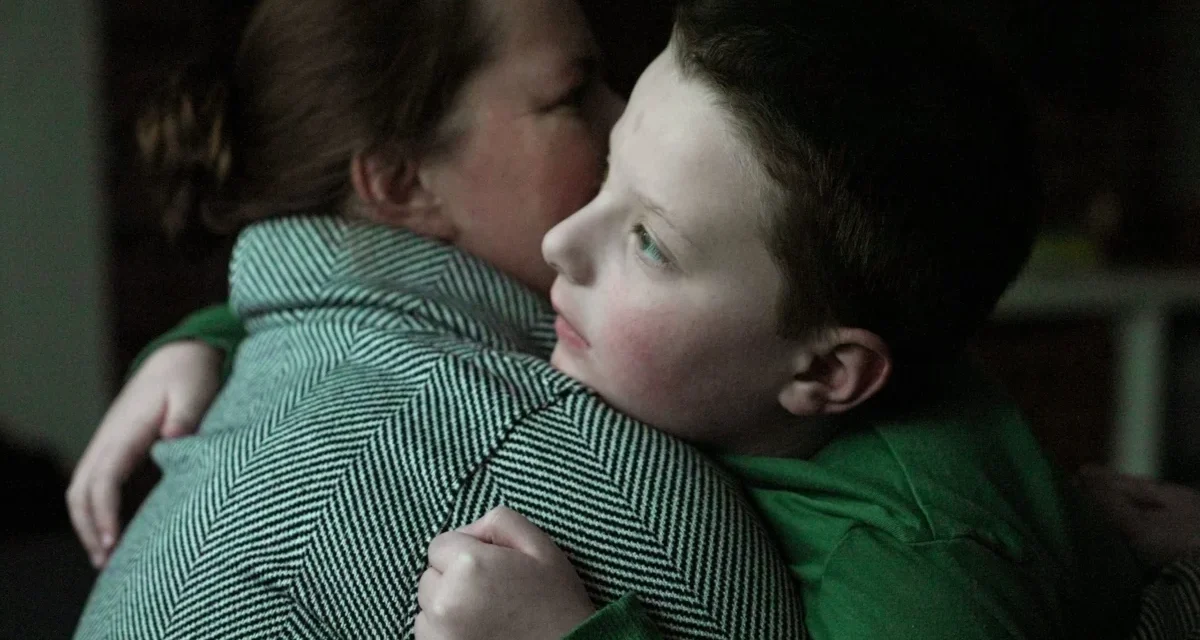
“Children really, really thrive on structure, routine, and predictability,” Horton says. However, that predictability is under constant assault. He describes the harrowing reality of children who witness agents entering their homes and the heartbreak of receiving phone calls from parents in crisis at 6:50 a.m. on a Sunday.
To mitigate the fear, Horton’s community has organized volunteer watches around the school. Inside his classroom, he uses art as a survival tool. His students create posters reading “ICE out” or “Leave our friends alone,” and have even established a classroom food shelf to support families struggling with the economic fallout of the crackdown.

The High School Perspective: Eric Erickson
At the high school level, the focus is on critical analysis. Erickson uses the current events to ground his government and history curriculum in the reality of the U.S. Constitution.
“They see injustice,” Erickson notes. “They observe an overreach of federal power. They notice that the guardrails are off with regard to checks and balances.”
When students observed the January 14 protest via livestream, they didn’t just see a rally; they saw their peers articulating the concepts of federalism, the First Amendment, and human rights. For Erickson, witnessing his students advocate for themselves was both inspiring and profoundly painful. “Seeing the harm to our students and families has caused me to choke up more than once in class,” he admits.
Official Responses and Legal Challenges
The response from the educational establishment has been one of defensive mobilization. The decision by Minnesota school districts and the teachers union to sue the federal government marks a significant escalation in the conflict. The plaintiffs argue that by centering enforcement activities at bus stops and schools, the government is effectively creating "educational deserts" for immigrant communities.
School leaders have condemned the actions, stating that "none of this is normal." Administrators are now navigating the impossible task of keeping schools open while protecting the identities of their most vulnerable students. In some districts, teachers have been reassigned entirely to virtual learning pods, pausing their in-person roles to staff the online programs created for those who are now too terrified to leave their homes.
Implications for the Future of Education
The long-term implications of this crisis are sobering. Educators are already dealing with the lingering absenteeism, mental health crises, and "lost learning" of the pandemic era. This new emergency is compounding those deficits, threatening to widen the achievement gap into a permanent chasm.
1. Mental Health and Co-regulation
Teachers are currently acting as de facto mental health counselors. Horton describes the process of "co-regulation," where he models calm and compassion for students who are living in a state of high-alert trauma. The emotional toll on the educators themselves is severe; many report being "shook" by the stories they hear from families and the fear they see in their own colleagues.
2. The Erosion of Public Space
The targeting of schools, which have historically been viewed as "sensitive locations" protected from enforcement actions, represents a fundamental shift in the social contract. If parents cannot trust that their children are safe at a bus stop or in a classroom, the very foundation of compulsory education is undermined.
3. Civic Engagement as Survival
There is a paradox in this moment: while federal actions are silencing some students through fear, they are simultaneously radicalizing others toward civic participation. The students who stood on the steps of the Capitol, articulating the necessity of human dignity, are learning lessons about democracy that no textbook could provide.
As the ninth week of this crisis concludes, the schools of Minnesota remain standing, but they are fundamentally changed. They are no longer just places of learning; they are theaters of resistance, community centers of last resort, and the primary battleground for the civil rights of a new generation.
“It’s a relief in some ways that they can be together,” Horton reflects. “Just being in community is such a powerful thing.” But for thousands of children still sequestered at home, the wait for that sense of community continues, and the cost of their absence is a debt that the state of Minnesota may be paying for years to come.