





















































For decades, the American landscape has been defined by the ubiquitous, dark, and sweltering asphalt parking lot. Often occupying as much as a quarter of a city’s prime downtown real estate, these vast swaths of impervious surface have long been viewed as a necessary, if aesthetically dismal, utility. However, as the impacts of climate change accelerate—manifesting in more frequent, intense flooding and dangerous urban "heat island" effects—planners and urban designers are beginning to view the humble parking lot as a critical frontier for environmental reform.
From Virginia to California, a quiet revolution is underway. Municipalities and private organizations are moving away from traditional blacktop, opting instead for a new generation of "smart surfaces" designed to absorb water, reflect heat, and foster biodiversity.
The Problem with Pavement: A Climate Catalyst
The traditional asphalt parking lot is a thermal sponge. Dark in color and dense in material, it absorbs solar radiation throughout the day, re-radiating that heat long after the sun has set. In dense urban centers, this creates "urban heat islands," where temperatures can climb up to 20 degrees higher than in surrounding green spaces. This thermal trap drives up energy consumption, as residents and businesses crank up air conditioning systems, which in turn vent more waste heat back into the city streets.
Beyond the heat, there is the issue of water. When rain falls on a sealed asphalt surface, it cannot soak into the ground. Instead, it becomes runoff, gathering oil, heavy metals, and debris before flushing these pollutants into local sewer systems and waterways. As extreme weather events become more frequent, these traditional lots have become major contributors to localized flooding.
A New Vision: The Hampton Roads Case Study
At the headquarters of the Hampton Roads Planning District Commission in Virginia, the staff recognized that their aging, crumbling parking lot presented an opportunity for transformation. Rather than simply applying another layer of traditional asphalt, the commission opted for a sustainable, forward-thinking alternative.
Completed last year, the revamped lot features porous concrete panels interspersed with native vegetation and recycled materials. The result is a space that behaves more like a natural ecosystem than a piece of infrastructure.
"The rain infiltrates faster than it can puddle and stop on the surface," says Jill Sunderland, the commission’s senior water resources planner. Beyond the hydrological benefits, the change in atmosphere is palpable. "You notice, too, that it’s cooler," Sunderland adds. "You really can tell a difference out there… not to mention it’s just more inviting."

Chronology of the Shift: From Paving to Permeability
The movement to rethink parking surfaces has gained momentum over the last decade, transitioning from experimental pilot programs to formalized municipal policy.
- 2016 and Beyond: Recognizing the inefficiency of underutilized space, cities like Minneapolis, Buffalo, and Austin began dismantling "minimum parking requirements." By eliminating the mandate that developers must provide a specific number of spaces for every new building, these cities have effectively curbed the proliferation of unnecessary, heat-trapping asphalt.
- 2020: The City of New Orleans officially mandated that the Department of Public Works prioritize permeable paving in all practical applications, signaling a shift toward resilience-focused infrastructure in flood-prone regions.
- 2023-2024: Various municipal initiatives, such as Denver’s "dePaving a Greener Denver" and the expansion of green area requirements in cities like Seattle and Washington, D.C., have moved the conversation from individual projects to city-wide policy.
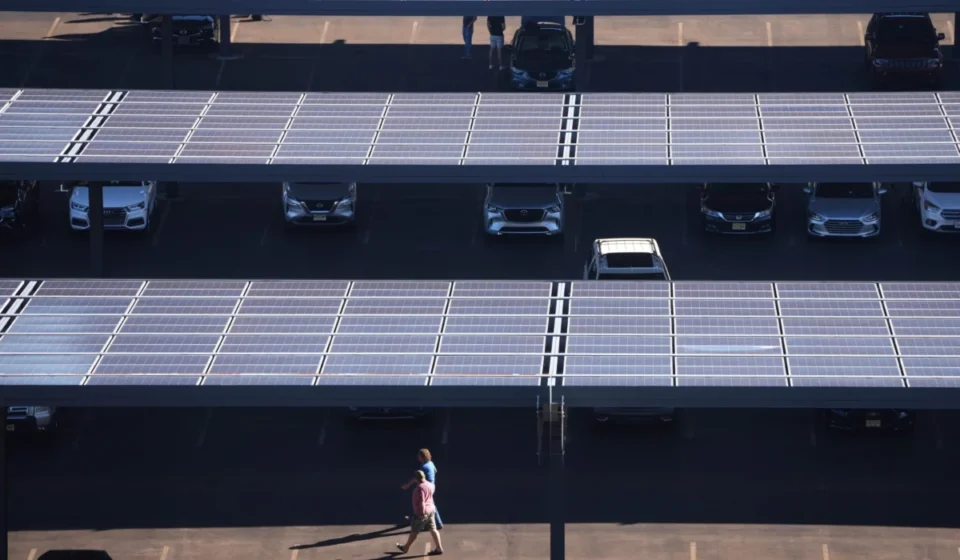
- Present Day: The focus has expanded to include "smart surfaces"—technologies that include reflective coatings, solar canopies, and sophisticated bioswales—that treat parking lots as integrated parts of the urban environmental health strategy.
Supporting Data: Why Alternatives Matter
The necessity of this shift is backed by rigorous urban planning research. According to Adam Millard-Ball, a professor of urban planning at UCLA, more than a third of parking spaces in many major cities sit empty at any given time. These vast, underused areas of "hardscape" are not just economically inefficient; they are ecological liabilities.
Cooling Technologies
In neighborhoods like Pacoima in Los Angeles, authorities have experimented with reflective surface coatings. These treatments act as a high-tech "paint" that prevents the ground from absorbing solar energy. When combined with vegetation—which absorbs energy and releases moisture—the temperature of the lot can be significantly lowered.
Similarly, Sacramento has implemented strict shading requirements, mandating that developers plant enough trees to shade at least 50% of a parking lot within 15 years of construction. These measures are essential to combatting the urban heat island effect, which Vincent Cotrone, an urban forestry educator at Penn State University, notes is directly linked to increased energy usage and public health risks.
Stormwater Management
For water runoff, the goal is to return to a more natural infiltration process. Innovative solutions include:
- Lattice and Interlocking Pavers: These allow grass to grow through the structure, creating a green surface that can still support the weight of a vehicle.
- Bioswales and Rain Gardens: Long channels of soil, sand, and deep-rooted native plants that act as natural filters, capturing and cleaning runoff before it enters the water table.
- Recycled Grids: The Newfields art museum in Indianapolis utilizes recycled plastic grid pavers in its overflow lots. "Why should it be asphalt and not breathing and not permeable when you only need to use it 10% of the time?" asks Jonathan Wright, the museum’s garden director.
Official Responses and Industry Perspectives
While the environmental benefits of permeable and reflective surfaces are well-documented, the traditional asphalt industry maintains that its material remains the gold standard for heavy-duty use.
Buzz Powell, technical director at the Asphalt Pavement Alliance, cautions against the wholesale abandonment of asphalt. "I just think we need to be really, really careful when we put alternative systems in to make sure that we have a good understanding of what the life cycle impact is going to be," Powell says. He notes that while some alternatives look promising on paper, they may lack the durability required for high-traffic environments or heavy vehicles like trash trucks.

However, the industry is not static. Powell points out that "porous asphalt" is gaining popularity and is designed to provide drainage benefits while maintaining the structural integrity of traditional pavement. "My focus is 100% to make asphalt better," he explains. "Better mixing materials, better structural pavement design, and better pavement preservation."
Implications: The Challenge of Cost and Future Scaling
The primary barrier to a universal shift in parking lot design remains the upfront cost. Alternative materials, such as permeable concrete or grid systems, are generally more expensive to install than standard blacktop.
Experts like Jill Sunderland argue that a long-term perspective is essential. While the initial investment is higher, the "life-cycle" benefits—reduced flooding damage, lower cooling costs for nearby buildings, and increased longevity—offset these initial expenses.
Yet, for many municipalities, the budget crunch is real. "We are headed in the right direction, but we’ve got acres and acres of nothing but blacktop parking lots that sit there and age," says Vincent Cotrone. "We just don’t have the dollars to go retrofit those."
The Path Forward
The transition to greener parking lots is not a panacea for climate change, but it is a critical component of a broader urban adaptation strategy. As Greg Kats, founder of the Smart Surfaces Coalition, notes, the impact of a single project may seem small, but the cumulative effect of city-wide policy shifts is profound.
"The reality is, one city changing their surfaces is just not by itself going to have a big impact," Kats says. "But once cities are able to understand in a rigorous way the scale of the benefits… it’s kind of intuitive."
As cities continue to grapple with rising temperatures and volatile rainfall patterns, the parking lot is being redefined. It is no longer just a place to leave a car; it is a vital, multi-functional piece of the urban fabric. By integrating shading, cooling technologies, and water-management systems, developers and city officials are proving that even the most mundane infrastructure can be part of a sustainable, resilient, and more livable future.