


























































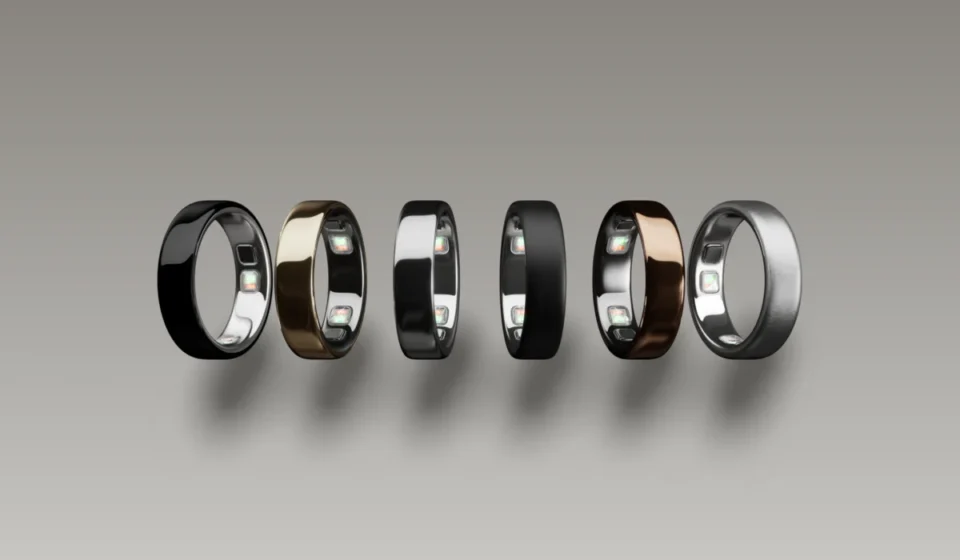

The wearable technology landscape is undergoing a tectonic shift. For years, the smart ring sector was a niche corner of the health-tech market, largely defined by the Finnish pioneer Oura. Today, that narrative has been rewritten. As Oura officially filed for its initial public offering (IPO) on September 3, 2026, the industry finds itself at a crossroads: the transition from simple health-tracking jewelry to miniature, multi-functional computers.
Oura’s move to public markets is not merely a financial milestone; it is a defensive maneuver in a market that has become crowded, aggressive, and technologically restless. With revenue nearly doubling to $1.21 billion for the nine months ending June 30 and a massive user base of 5 million paid members, Oura remains the king of the hill. However, the crown is under siege.
The Financial Dominance of Oura
Oura’s path to the IPO is paved with impressive metrics. Selling 3.6 million units over the past year is a testament to the brand’s stickiness and the successful rollout of the Oura Ring 5. This latest iteration, the slimmest and lightest device in the company’s history, solidified Oura’s reputation for prioritizing form factor alongside deep-data health analytics.

However, the IPO filing arrives as the company faces its most significant competitive pressure to date. The "Oura moat"—previously protected by patents and a superior user experience—is being challenged by a wave of global rivals, from startups in India to tech giants in South Korea.
A Chronology of the Smart Ring Evolution
To understand how we arrived at the current "ring-as-a-computer" era, one must look at the rapid acceleration of the industry over the last 24 months:
- Mid-2024: Samsung disrupts the market with the launch of the Galaxy Ring, proving that major consumer electronics giants see the finger as the next frontier for biometric data.
- October 2025: The U.S. International Trade Commission rules in Oura’s favor in a high-stakes patent dispute against Ultrahuman, forcing the latter to halt imports of its existing inventory into the U.S.
- February 2026: Ultrahuman pivots, unveiling the redesigned Ring Pro, specifically engineered to bypass the legal hurdles imposed by the ITC.
- May 2026: RingConn launches its Gen 3 series, emphasizing vascular health and a unique vibration-based alert system.
- June 2026: Oura launches the Oura Ring 5, maintaining its aesthetic lead while doubling down on sleep-cycle refinement.
- September 2026: The market reaches a fever pitch with Ultrahuman’s $70 million funding round led by Qualcomm, and Oura’s official IPO filing.
The Arms Race: From Health to Haptics
The original promise of the smart ring was "invisible technology"—a device that allowed users to track their health without the constant, intrusive pinging of a smartwatch or the blue-light distraction of a smartphone. That philosophy is rapidly eroding.

Today, the competitive edge is no longer about who has the best sleep algorithm. It is about who can pack the most functionality into a two-gram titanium band.
Ultrahuman: The Computer on Your Finger
With its recent $70 million funding injection from Qualcomm’s venture arm, Ultrahuman is signaling a departure from traditional wearable logic. The company is actively working to shift the processing burden from the cloud to the device itself. By enabling on-device software execution, Ultrahuman aims to facilitate AI interactions and even basic gaming. The Ring Pro, shipping in the U.S. this month, represents a major technical recovery for the company, boasting a dual-core processor that significantly enhances signal quality during sleep.
Circular: The Multifunctional Contender
The French player, Circular, is taking a different approach. Their upcoming Ring 3 series is betting on utility. By integrating NFC chips for contactless payments, Circular is attempting to turn the ring into a replacement for the physical wallet. Furthermore, their focus on haptic feedback—using vibrations for silent alarms and, crucially, for biometric alerts—positions the device as a "communicator" rather than just a "tracker."

RingConn and the Rise of Vascular Health
RingConn has carved out a niche by focusing on the cardiovascular system. The Gen 3 model, available for $349, goes beyond the basic heart-rate monitoring seen in earlier devices, utilizing sensor data to assess vascular strain. By avoiding the bells and whistles of touchscreens or complex apps, RingConn is aiming for the "serious health enthusiast" demographic that prefers clinical insights over gadgetry.
The Gadgetry Frontier: Pebble Halo and Dreame
While Oura and Samsung play the long game of ecosystem integration, smaller players are experimenting with hardware form factors that were previously considered impossible. The Pebble Halo, available in India, features an integrated display. Meanwhile, the Dreame Ring incorporates a touchpad, allowing users to control their smartphone environment—skipping music tracks or triggering camera shutters—with a flick of the finger.
The Samsung Factor: The Ecosystem Play
Samsung’s Galaxy Ring occupies a unique position. It is arguably the "least advanced" in terms of niche health features—lacking the sleep apnea and AFib detection found in its rivals—but it boasts the most powerful ecosystem. For the millions of users already embedded in the Samsung Galaxy ecosystem, the Ring acts as a seamless extension of their existing hardware. This "walled garden" approach is exactly what Oura hopes to counter with its public offering, as it seeks the capital necessary to expand its own software and B2B services.

Implications: The Irony of "Smart"
The central irony of this market shift is the loss of the "unplugged" experience. The smart ring was once the antidote to the "always-on" culture. Users chose rings specifically because they lacked screens and notifications.
As we move toward rings that can display notifications, facilitate payments, and run games, the industry is essentially shrinking the smartphone to the size of a jewelry piece. We are witnessing the birth of the "Finger-Computer."
The Regulatory and Ethical Horizon
With increased functionality comes increased scrutiny. As these devices move from simple heart-rate trackers to medical-grade tools capable of detecting AFib and blood pressure trends, the FDA and international regulatory bodies are taking a closer look. Furthermore, the massive amount of biometric data being collected—now including vascular health and potential glucose trends—raises significant privacy concerns. As Oura prepares to enter the public market, shareholders will be looking not just at revenue growth, but at the company’s ability to navigate the increasingly complex web of data privacy regulations (GDPR, CCPA) and potential future lawsuits regarding health-data handling.

Conclusion: The Path Forward
The smart ring market is no longer a race; it is a brawl. Oura’s IPO is a signal that the category has "arrived," but it also suggests that the era of easy dominance is over.
For the consumer, this competition is a net positive. Prices are stabilizing, form factors are shrinking, and the depth of health data is increasing. However, as these companies race to add screens, haptics, and payment chips, they run the risk of alienating the very users who flocked to smart rings for their simplicity.
The companies that win in the next five years will not necessarily be the ones that pack the most features into their devices, but the ones that manage to make those features feel essential, rather than intrusive. As Oura heads to the stock exchange, the rest of the industry is watching closely—not just to see where the market is going, but to see if they can catch up before the window of opportunity closes for good.